[email protected]

+44 (0)20 3773 4895

logologologo
  • About Us
    • The College
    • Advisory Board
    • Our Faculty and Team
    • Intelligence Hub
  • Topic Areas
    • Obesity Care
    • Digital Health
    • Behaviour Change
  • Courses
    • CPD Short Courses
    • PGCert in Obesity Care
    • PGCert in Digital Health
  • Apply
    • Postgraduate Qualification in Obesity Care
    • Postgraduate Qualification in Digital Health
    • FAQs
  • Resources
    • News
    • Our Publications
    • Monthly News Bulletins
    • Funding Options
  • Contact Us
    • Contact Us
  • Student Login

No products in the cart.

logologologo
  • About Us
    • The College
    • Advisory Board
    • Our Faculty and Team
    • Intelligence Hub
  • Topic Areas
    • Obesity Care
    • Digital Health
    • Behaviour Change
  • Courses
    • CPD Short Courses
    • PGCert in Obesity Care
    • PGCert in Digital Health
  • Apply
    • Postgraduate Qualification in Obesity Care
    • Postgraduate Qualification in Digital Health
    • FAQs
  • Resources
    • News
    • Our Publications
    • Monthly News Bulletins
    • Funding Options
  • Contact Us
    • Contact Us
  • Student Login

No products in the cart.

  • About Us
    • The College
    • Advisory Board
    • Our Faculty and Team
    • Intelligence Hub
  • Topic Areas
    • Obesity Care
    • Digital Health
    • Behaviour Change
  • Courses
    • CPD Short Courses
    • PGCert in Obesity Care
    • PGCert in Digital Health
  • Apply
    • Postgraduate Qualification in Obesity Care
    • Postgraduate Qualification in Digital Health
    • FAQs
  • Resources
    • News
    • Our Publications
    • Monthly News Bulletins
    • Funding Options
  • Contact Us
    • Contact Us
  • Student Login
February 4, 2016 by Nigel Hinchliffe Obesity Care 0 comments

Do sugar-sweetened drinks increase visceral fat?

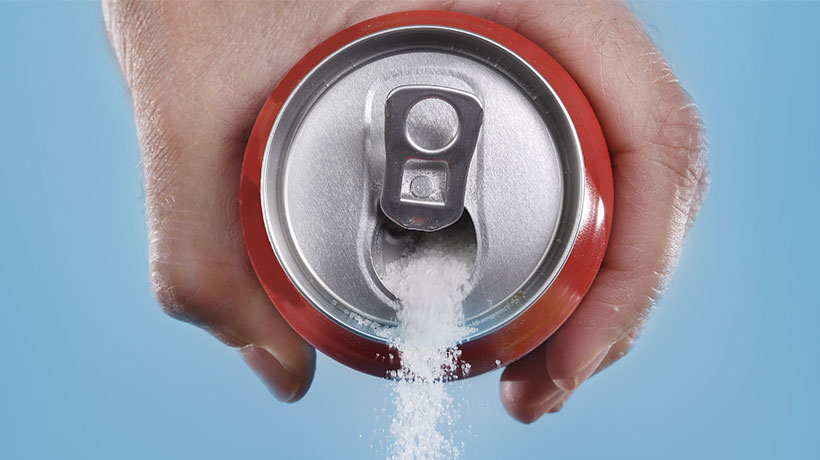
Consuming sugar-sweetened beverages may increase the amount of visceral fat that your body stores. This is the outcome of a study published in the American Heart Association’s journal Circulation. As these drinks are the largest contributor of added sugar intake in the USA, researchers looked at data from just over 1,000 patients in the Framingham Heart Study (an ongoing project into cardiovascular disease). The participants were given CT scans at the start of the study, and after a 6-year follow-up the researchers observed that there was a direct correlation between increased sugar-sweetened drink consumption and increased visceral fat.

Visceral fat is fat that covers internal organs and has been linked with the development of diabetes and heart disease due to its impact on inflammation and release of adipokines. The exact mechanism in this study is not fully known, however the authors hypothesised that the added sugars in the drinks could contribute to insulin resistance as well, eventually leading to type 2 diabetes, whilst also promoting fat accumulation in visceral tissues. There was no association for diet soda. The study supports the current dietary recommendations of limiting the number of sugar-sweetened beverages that one consumes, to protect against cardiometabolic diseases.


Read more

PREV
NEXT

Related Posts

July 5, 2016
Timing of meals as important as substance
Read More
November 30, 2015
Clinicians not seeing obesity through the eyes of the patient
Read More
August 30, 2017
Early weight loss surgery associated with better outcomes
Read More
Group of girls cheering with beers
January 31, 2024
Rising bowel cancer rates in UK youth linked to obesity and alcohol consumption
Read More

CCH LINKS

FAQ
HOW TO APPLY
ACADEMIC ADVISORY BOARD
FACULTY AND STAFF
TERMS & CONDITIONS
CCH EDUCATION SERVICES

OUR PARTNERS

NOF
Haringey Obesity Alliance
Skills Active
CPD UK
ASO
REPS
Southwark
DIT
Healthcare Uk
OAC

ABOUT CCH

CONTACT US
[email protected]
+44 (0)20 3773 4895
Technopark, 90 London Road, LONDON, SE1 6LN
 

© The College of Contemporary Health