[email protected]

+44 (0)20 3773 4895

logologologo
  • About Us
    • The College
    • Advisory Board
    • Our Faculty and Team
    • Intelligence Hub
  • Topic Areas
    • Obesity Care
    • Digital Health
    • Behaviour Change
  • Courses
    • CPD Short Courses
    • PGCert in Obesity Care
    • PGCert in Digital Health
  • Apply
    • Postgraduate Qualification in Obesity Care
    • Postgraduate Qualification in Digital Health
    • FAQs
  • Resources
    • News
    • Our Publications
    • Monthly News Bulletins
    • Funding Options
  • Contact Us
    • Contact Us
  • Student Login

No products in the cart.

logologologo
  • About Us
    • The College
    • Advisory Board
    • Our Faculty and Team
    • Intelligence Hub
  • Topic Areas
    • Obesity Care
    • Digital Health
    • Behaviour Change
  • Courses
    • CPD Short Courses
    • PGCert in Obesity Care
    • PGCert in Digital Health
  • Apply
    • Postgraduate Qualification in Obesity Care
    • Postgraduate Qualification in Digital Health
    • FAQs
  • Resources
    • News
    • Our Publications
    • Monthly News Bulletins
    • Funding Options
  • Contact Us
    • Contact Us
  • Student Login

No products in the cart.

  • About Us
    • The College
    • Advisory Board
    • Our Faculty and Team
    • Intelligence Hub
  • Topic Areas
    • Obesity Care
    • Digital Health
    • Behaviour Change
  • Courses
    • CPD Short Courses
    • PGCert in Obesity Care
    • PGCert in Digital Health
  • Apply
    • Postgraduate Qualification in Obesity Care
    • Postgraduate Qualification in Digital Health
    • FAQs
  • Resources
    • News
    • Our Publications
    • Monthly News Bulletins
    • Funding Options
  • Contact Us
    • Contact Us
  • Student Login
August 17, 2016 by Nigel Hinchliffe Obesity Care 0 comments

Does meat consumption contribute to global obesity?

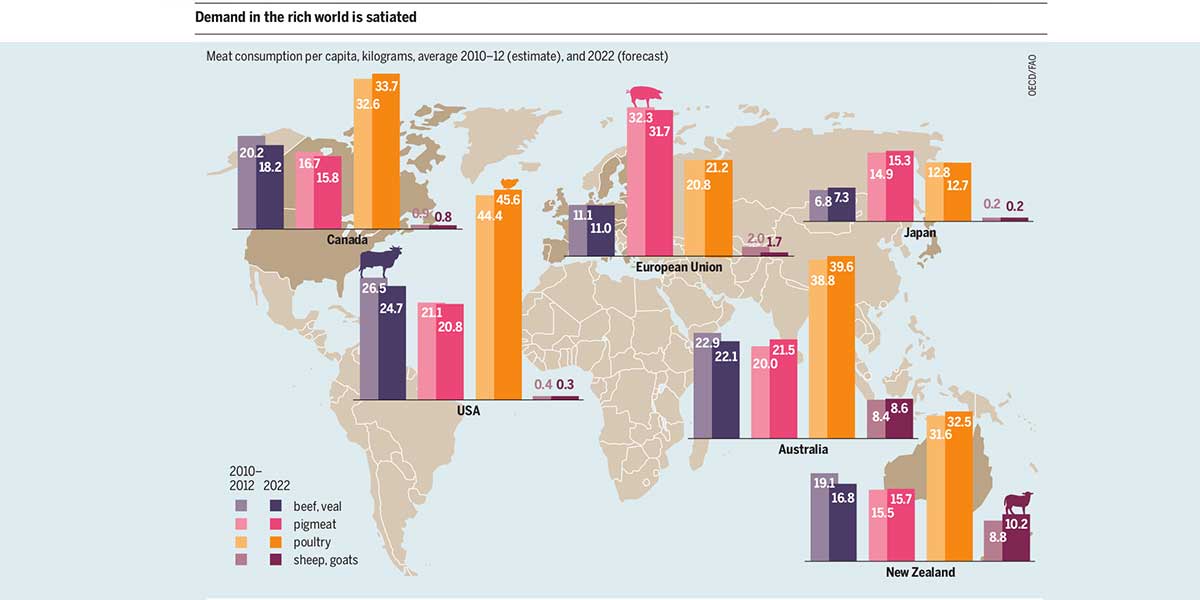
A team from the University of Adelaide has found that meat offers surplus energy in the modern diet and have presented their findings in BMC Nutrition. The analysis involved data from 170 countries and suggested that meat consumption has as much of an effect on the development of obesity as sugar consumption does. The study is led by PhD student Wenpeng You who has explained that fats and carbohydrates in modern diets supply enough energy for the average person. This means that meat protein, which takes longer to digest, is actually surplus. This energy is then converted to fat and stored within the body.

Previous papers that have linked meat to obesity have often blamed the fat content of meat, however this study is now suggesting otherwise. Whilst this paper does not definitively prove that meat protein causes obesity steps will be taken to further this research in order to properly understand its impact.


PREV
NEXT

Related Posts

Boy with obesity eating a burger.
July 5, 2016
Overweight adolescents have increased risk of liver disease
Read More
Obesity and frailty
March 7, 2023
Obesity can lead to frailty in old age, study finds
Read More
Man and woman holding hands
April 19, 2023
Men and women have different obesity drivers, pointing to the need for tailored interventions
Read More
Pouring olive oil into italian caprese salad
April 19, 2023
Mediterranean diet linked to fewer signs of Alzheimer’s disease
Read More

CCH LINKS

FAQ
HOW TO APPLY
ACADEMIC ADVISORY BOARD
FACULTY AND STAFF
TERMS & CONDITIONS
CCH EDUCATION SERVICES

OUR PARTNERS

NOF
Haringey Obesity Alliance
Skills Active
CPD UK
ASO
REPS
Southwark
DIT
Healthcare Uk
OAC

ABOUT CCH

CONTACT US
[email protected]
+44 (0)20 3773 4895
Technopark, 90 London Road, LONDON, SE1 6LN
 

© The College of Contemporary Health