[email protected]

+44 (0)20 3773 4895

logologologo
  • About Us
    • The College
    • Advisory Board
    • Our Faculty and Team
    • Intelligence Hub
  • Topic Areas
    • Obesity Care
    • Digital Health
    • Behaviour Change
  • Courses
    • CPD Short Courses
    • PGCert in Obesity Care
    • PGCert in Digital Health
  • Apply
    • Postgraduate Qualification in Obesity Care
    • Postgraduate Qualification in Digital Health
    • FAQs
  • Resources
    • News
    • Our Publications
    • Monthly News Bulletins
    • Funding Options
  • Contact Us
    • Contact Us
  • Student Login

No products in the cart.

logologologo
  • About Us
    • The College
    • Advisory Board
    • Our Faculty and Team
    • Intelligence Hub
  • Topic Areas
    • Obesity Care
    • Digital Health
    • Behaviour Change
  • Courses
    • CPD Short Courses
    • PGCert in Obesity Care
    • PGCert in Digital Health
  • Apply
    • Postgraduate Qualification in Obesity Care
    • Postgraduate Qualification in Digital Health
    • FAQs
  • Resources
    • News
    • Our Publications
    • Monthly News Bulletins
    • Funding Options
  • Contact Us
    • Contact Us
  • Student Login

No products in the cart.

  • About Us
    • The College
    • Advisory Board
    • Our Faculty and Team
    • Intelligence Hub
  • Topic Areas
    • Obesity Care
    • Digital Health
    • Behaviour Change
  • Courses
    • CPD Short Courses
    • PGCert in Obesity Care
    • PGCert in Digital Health
  • Apply
    • Postgraduate Qualification in Obesity Care
    • Postgraduate Qualification in Digital Health
    • FAQs
  • Resources
    • News
    • Our Publications
    • Monthly News Bulletins
    • Funding Options
  • Contact Us
    • Contact Us
  • Student Login
August 18, 2016 by Nigel Hinchliffe Obesity Care 0 comments

The Samoan thrifty gene

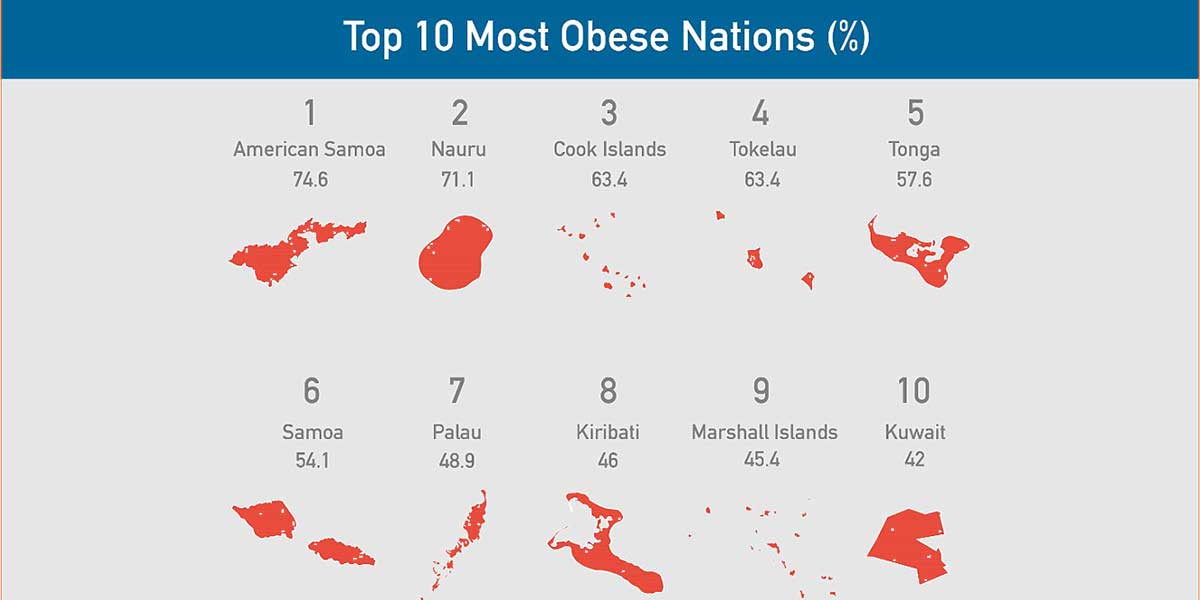
In recent times Samoa has had some of the world’s leading obesity rates. A new study has identified a genetic variant that may contribute to this obesity risk. The paper, published in Nature Genetics, describes a ‘thrifty gene’ that promotes the storage of fat. The study included over 3,000 participants and the researchers believe that this gene could be associated with a 35% higher odds of being obese compared with not having the gene. After careful analysis of the whole genome, the researchers found that chromosome 5 was strongly associated with overweight. They had a more in depth look at the chromosome, eventually uncovering the mutation in the CREBRF gene.

In collaboration with the University of Pittsburgh the mutation was implanted into the fat cells of mice and it was found that these mice stored more fat. The researchers admit that this gene is one part of many factors that have led to 80% of males and 91% of females in Samoa being overweight or obese in 2010, this gene only gives an elevated risk of developing obesity, and with the right diet and lifestyle interventions, many Samoans may be able to avoid putting on weight.


PREV
NEXT

Related Posts

Two children sitting on a kerb.
July 20, 2015
Weight perceptions of English adolescents: cause for celebration or concern?
Read More
Child playing in playground.
December 14, 2023
US panel of health experts advocate early interventions for childhood obesity from age 6
Read More
Closeup of home made burgers on a wooden table.
December 11, 2024
New study reveals half of calories in US households come from ultraprocessed foods
Read More
Mix of different nuts in a wooden cup.
June 24, 2024
Nuts can aid in weight loss efforts, research shows
Read More

CCH LINKS

FAQ
HOW TO APPLY
ACADEMIC ADVISORY BOARD
FACULTY AND STAFF
TERMS & CONDITIONS
CCH EDUCATION SERVICES

OUR PARTNERS

NOF
Haringey Obesity Alliance
Skills Active
CPD UK
ASO
REPS
Southwark
DIT
Healthcare Uk
OAC

ABOUT CCH

CONTACT US
[email protected]
+44 (0)20 3773 4895
Technopark, 90 London Road, LONDON, SE1 6LN
 

© The College of Contemporary Health