[email protected]

+44 (0)20 3773 4895

logologologo
  • About Us
    • The College
    • Advisory Board
    • Our Faculty and Team
    • Intelligence Hub
  • Topic Areas
    • Obesity Care
    • Digital Health
    • Behaviour Change
  • Courses
    • CPD Short Courses
    • PGCert in Obesity Care
    • PGCert in Digital Health
  • Apply
    • Postgraduate Qualification in Obesity Care
    • Postgraduate Qualification in Digital Health
    • FAQs
  • Resources
    • News
    • Our Publications
    • Monthly News Bulletins
    • Funding Options
  • Contact Us
    • Contact Us
  • Student Login

No products in the cart.

logologologo
  • About Us
    • The College
    • Advisory Board
    • Our Faculty and Team
    • Intelligence Hub
  • Topic Areas
    • Obesity Care
    • Digital Health
    • Behaviour Change
  • Courses
    • CPD Short Courses
    • PGCert in Obesity Care
    • PGCert in Digital Health
  • Apply
    • Postgraduate Qualification in Obesity Care
    • Postgraduate Qualification in Digital Health
    • FAQs
  • Resources
    • News
    • Our Publications
    • Monthly News Bulletins
    • Funding Options
  • Contact Us
    • Contact Us
  • Student Login

No products in the cart.

  • About Us
    • The College
    • Advisory Board
    • Our Faculty and Team
    • Intelligence Hub
  • Topic Areas
    • Obesity Care
    • Digital Health
    • Behaviour Change
  • Courses
    • CPD Short Courses
    • PGCert in Obesity Care
    • PGCert in Digital Health
  • Apply
    • Postgraduate Qualification in Obesity Care
    • Postgraduate Qualification in Digital Health
    • FAQs
  • Resources
    • News
    • Our Publications
    • Monthly News Bulletins
    • Funding Options
  • Contact Us
    • Contact Us
  • Student Login
May 11, 2016 by Nigel Hinchliffe Obesity Care 0 comments

Drinking artificially sweetened beverages during pregnancy linked to increased infant BMI

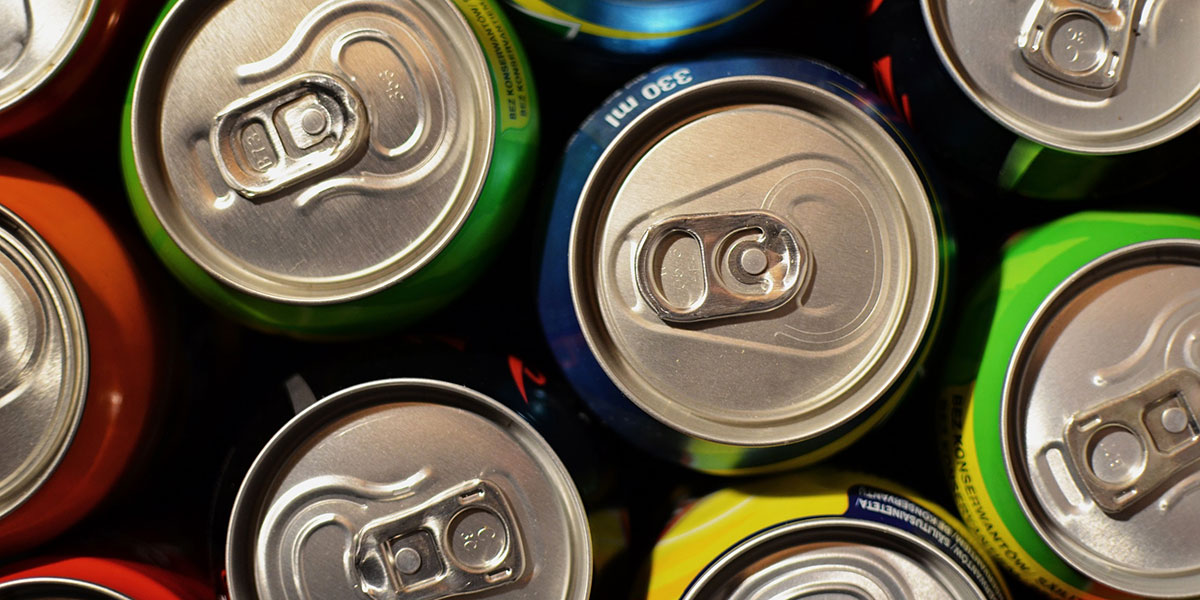
A recent study published in JAMA Paediatrics revealed that consumption of artificially sweetened beverages by pregnant women was associated with a higher infant BMI. It is known that excess sugar consumption can lead to obesity, both in mothers and children. However, little research has been conducted into the effects of sugar replacement exposure during pregnancy. In this study, 3,033 mother-child pairs were examined, with particular interest in their dietary choices during pregnancy and the subsequent effects on infant BMI.

About 30% of women reported drinking beverages with artificial sweeteners during their pregnancy. It was found that these women were more likely to have obese children, with a 2 to 4 fold increase in the risk of overweight by age 1. The authors admit that there was a margin for error as the study relied on food questionnaires, however an effect on the infants’ BMI was clearly present. Given that there is both widespread childhood obesity as well as artificial sweetener use, the authors hope to further their research and understand the biological mechanisms for such an effect.


PREV
NEXT

Related Posts

November 30, 2015
Clinicians not seeing obesity through the eyes of the patient
Read More
Teenage girl enjoying pizza
February 18, 2025
Study reveals teenagers with obesity consume more calories later in the day, highlighting the role of circadian rhythms in eating behaviours
Read More
January 18, 2017
Inactivity breeds inactivity
Read More
cost of obesity
July 22, 2016
Obese children have a 60% higher healthcare cost
Read More

CCH LINKS

FAQ
HOW TO APPLY
ACADEMIC ADVISORY BOARD
FACULTY AND STAFF
TERMS & CONDITIONS
CCH EDUCATION SERVICES

OUR PARTNERS

NOF
Haringey Obesity Alliance
Skills Active
CPD UK
ASO
REPS
Southwark
DIT
Healthcare Uk
OAC

ABOUT CCH

CONTACT US
[email protected]
+44 (0)20 3773 4895
Technopark, 90 London Road, LONDON, SE1 6LN
 

© The College of Contemporary Health