[email protected]

+44 (0)20 3773 4895

logologologo
  • About Us
    • The College
    • Advisory Board
    • Our Faculty and Team
    • Intelligence Hub
  • Topic Areas
    • Obesity Care
    • Digital Health
    • Behaviour Change
  • Courses
    • CPD Short Courses
    • PGCert in Obesity Care
    • PGCert in Digital Health
  • Apply
    • Postgraduate Qualification in Obesity Care
    • Postgraduate Qualification in Digital Health
    • FAQs
  • Resources
    • News
    • Our Publications
    • Monthly News Bulletins
    • Funding Options
  • Contact Us
    • Contact Us
  • Student Login

No products in the cart.

logologologo
  • About Us
    • The College
    • Advisory Board
    • Our Faculty and Team
    • Intelligence Hub
  • Topic Areas
    • Obesity Care
    • Digital Health
    • Behaviour Change
  • Courses
    • CPD Short Courses
    • PGCert in Obesity Care
    • PGCert in Digital Health
  • Apply
    • Postgraduate Qualification in Obesity Care
    • Postgraduate Qualification in Digital Health
    • FAQs
  • Resources
    • News
    • Our Publications
    • Monthly News Bulletins
    • Funding Options
  • Contact Us
    • Contact Us
  • Student Login

No products in the cart.

  • About Us
    • The College
    • Advisory Board
    • Our Faculty and Team
    • Intelligence Hub
  • Topic Areas
    • Obesity Care
    • Digital Health
    • Behaviour Change
  • Courses
    • CPD Short Courses
    • PGCert in Obesity Care
    • PGCert in Digital Health
  • Apply
    • Postgraduate Qualification in Obesity Care
    • Postgraduate Qualification in Digital Health
    • FAQs
  • Resources
    • News
    • Our Publications
    • Monthly News Bulletins
    • Funding Options
  • Contact Us
    • Contact Us
  • Student Login
September 18, 2017 by Nigel Hinchliffe Obesity Care 0 comments

Energy dense foods can increase cancer risk

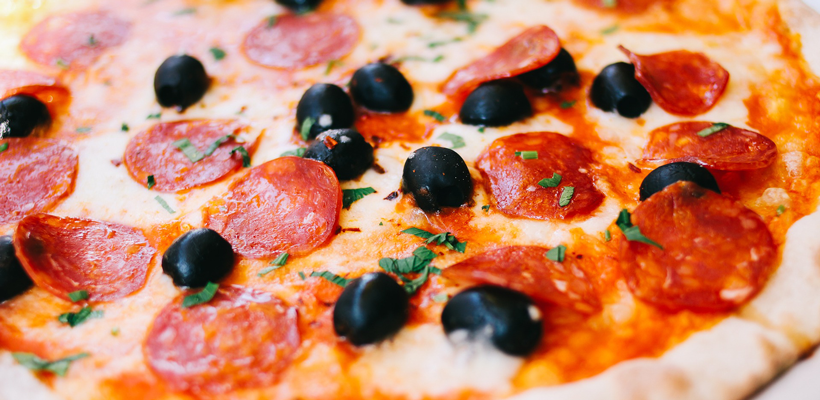
There is a proven link between obesity and cancer risk, however few studies have examined the link between energy density of food and cancer risk. In a study published in the Journal of the Academy of Nutrition and Dietetics, researchers analysed dietary energy density (DED) in the diets of post-menopausal women. DED itself is a measure of the calories per gram of weight that a food has and it is also a measure of food quality. Therefore, foods such as fruits and vegetables are low-DED foods, where processed foods such as hamburgers are high-DED as you require more to get nutrients out of them.

In total, data on 90,000 women was obtained and it was found that high DED foods were linked with a 10% increase in obesity-related cancer. This increased risk was limited to women who were of a normal weight at the start of the study. The findings show that weight management itself may not be adequate in preventing obesity related cancers, if women continue to consume a diet pattern of high DED. The exact mechanism of the link of DED and cancers is unknown, but the researchers hypothesise that it is due to metabolic dysregulation, however more research is required to be sure.


PREV
NEXT

Related Posts

September 2, 2015
Bariatric surgery before pregnancy – Is this a solution to a big problem?
Read More
Man with obesity exercising outdoors.
March 25, 2025
High-fat diet and obesity impair key immune functions, new study finds
Read More
August 2, 2017
Maternal obesity linked to childhood neurodevelopmental problems
Read More
December 9, 2015
Bariatric surgery alters your food cravings
Read More

CCH LINKS

FAQ
HOW TO APPLY
ACADEMIC ADVISORY BOARD
FACULTY AND STAFF
TERMS & CONDITIONS
CCH EDUCATION SERVICES

OUR PARTNERS

NOF
Haringey Obesity Alliance
Skills Active
CPD UK
ASO
REPS
Southwark
DIT
Healthcare Uk
OAC

ABOUT CCH

CONTACT US
[email protected]
+44 (0)20 3773 4895
Technopark, 90 London Road, LONDON, SE1 6LN
 

© The College of Contemporary Health