[email protected]

+44 (0)20 3773 4895

logologologo
  • About Us
    • The College
    • Advisory Board
    • Our Faculty and Team
    • Intelligence Hub
  • Topic Areas
    • Obesity Care
    • Digital Health
    • Behaviour Change
  • Courses
    • CPD Short Courses
    • PGCert in Obesity Care
    • PGCert in Digital Health
  • Apply
    • Postgraduate Qualification in Obesity Care
    • Postgraduate Qualification in Digital Health
    • FAQs
  • Resources
    • News
    • Our Publications
    • Monthly News Bulletins
    • Funding Options
  • Contact Us
    • Contact Us
  • Student Login

No products in the cart.

logologologo
  • About Us
    • The College
    • Advisory Board
    • Our Faculty and Team
    • Intelligence Hub
  • Topic Areas
    • Obesity Care
    • Digital Health
    • Behaviour Change
  • Courses
    • CPD Short Courses
    • PGCert in Obesity Care
    • PGCert in Digital Health
  • Apply
    • Postgraduate Qualification in Obesity Care
    • Postgraduate Qualification in Digital Health
    • FAQs
  • Resources
    • News
    • Our Publications
    • Monthly News Bulletins
    • Funding Options
  • Contact Us
    • Contact Us
  • Student Login

No products in the cart.

  • About Us
    • The College
    • Advisory Board
    • Our Faculty and Team
    • Intelligence Hub
  • Topic Areas
    • Obesity Care
    • Digital Health
    • Behaviour Change
  • Courses
    • CPD Short Courses
    • PGCert in Obesity Care
    • PGCert in Digital Health
  • Apply
    • Postgraduate Qualification in Obesity Care
    • Postgraduate Qualification in Digital Health
    • FAQs
  • Resources
    • News
    • Our Publications
    • Monthly News Bulletins
    • Funding Options
  • Contact Us
    • Contact Us
  • Student Login
January 18, 2017 by Nigel Hinchliffe Obesity Care 0 comments

Sugar free drinks no better than full sugar drinks

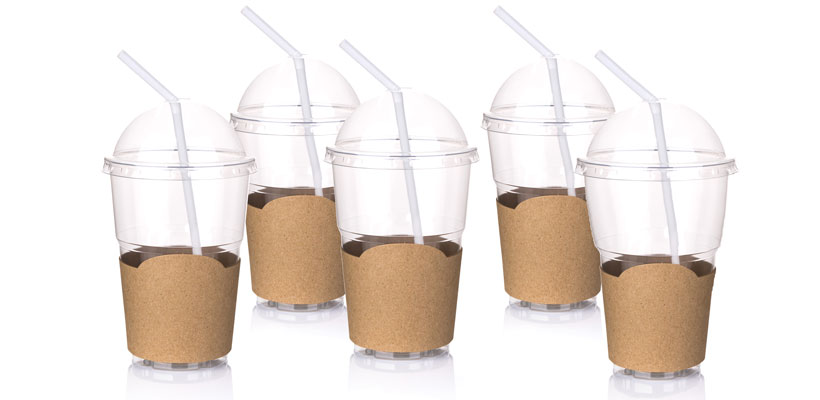
With the UK introducing a levy on sugary drinks, expected to take effect in 2018, much research as to the effects of ‘sugar-free’ drinks is currently underway. One study from Imperial College London has found that sugar free drinks are no more helpful for maintaining weight than their full-sugar counterparts. Artificially-sweetened beverages (ASBs) are used as alternatives to full-sugar drinks and are often called ‘diet’ versions, to this end many consumers perceive them as the healthier option. However, this study found that there is no solid evidence to support this theory.

Sugar-sweetened beverages (SSBs) make up a third of UK teenagers’ sugar intake, and nearly half of all sugar intake in the USA, they contain few essential nutrients and have been proven to increase levels of obesity and diabetes. ASBs make up a quarter of the global sweetened beverages market; however they are not taxed to the same extent as SSBs, perhaps because of their perceived ‘healthiness’. The researchers suggest that ASBs might trigger compensatory food intake by stimulating sweet taste receptors and resulting in overconsumption of other foods. Whilst there is no direct evidence for a role of ASBs in weight gain, the researchers did not find any evidence suggesting that they were involved in weight loss when compared to their full sugar versions. The authors clearly stated that ASBs may be contributing to the global obesity crisis and should not be promoted as part of a healthy diet.
PREV
NEXT

Related Posts

July 20, 2015
From mice to humans, a new genetic form of obesity discovered!
Read More
Back view of a man wearing a hat looking at the beach.
February 27, 2026
Obesity-Related Fat Tissue Signals Identified as a Driver of Age-Related Muscle Loss
Read More
October 17, 2017
Weight loss at any age results in cost savings
Read More
Child in different socks indoors.
September 2, 2025
Childhood obesity associated with structural changes in foot shape
Read More

CCH LINKS

FAQ
HOW TO APPLY
ACADEMIC ADVISORY BOARD
FACULTY AND STAFF
TERMS & CONDITIONS
CCH EDUCATION SERVICES

OUR PARTNERS

NOF
Haringey Obesity Alliance
Skills Active
CPD UK
ASO
REPS
Southwark
DIT
Healthcare Uk
OAC

ABOUT CCH

CONTACT US
[email protected]
+44 (0)20 3773 4895
Technopark, 90 London Road, LONDON, SE1 6LN
 

© The College of Contemporary Health