[email protected]

+44 (0)20 3773 4895

logologologo
  • About Us
    • The College
    • Advisory Board
    • Our Faculty and Team
    • Intelligence Hub
  • Topic Areas
    • Obesity Care
    • Digital Health
    • Behaviour Change
  • Courses
    • CPD Short Courses
    • PGCert in Obesity Care
    • PGCert in Digital Health
  • Apply
    • Postgraduate Qualification in Obesity Care
    • Postgraduate Qualification in Digital Health
    • FAQs
  • Resources
    • News
    • Our Publications
    • Monthly News Bulletins
    • Funding Options
  • Contact Us
    • Contact Us
  • Student Login

No products in the cart.

logologologo
  • About Us
    • The College
    • Advisory Board
    • Our Faculty and Team
    • Intelligence Hub
  • Topic Areas
    • Obesity Care
    • Digital Health
    • Behaviour Change
  • Courses
    • CPD Short Courses
    • PGCert in Obesity Care
    • PGCert in Digital Health
  • Apply
    • Postgraduate Qualification in Obesity Care
    • Postgraduate Qualification in Digital Health
    • FAQs
  • Resources
    • News
    • Our Publications
    • Monthly News Bulletins
    • Funding Options
  • Contact Us
    • Contact Us
  • Student Login

No products in the cart.

  • About Us
    • The College
    • Advisory Board
    • Our Faculty and Team
    • Intelligence Hub
  • Topic Areas
    • Obesity Care
    • Digital Health
    • Behaviour Change
  • Courses
    • CPD Short Courses
    • PGCert in Obesity Care
    • PGCert in Digital Health
  • Apply
    • Postgraduate Qualification in Obesity Care
    • Postgraduate Qualification in Digital Health
    • FAQs
  • Resources
    • News
    • Our Publications
    • Monthly News Bulletins
    • Funding Options
  • Contact Us
    • Contact Us
  • Student Login
May 11, 2016 by Nigel Hinchliffe Obesity Care 0 comments

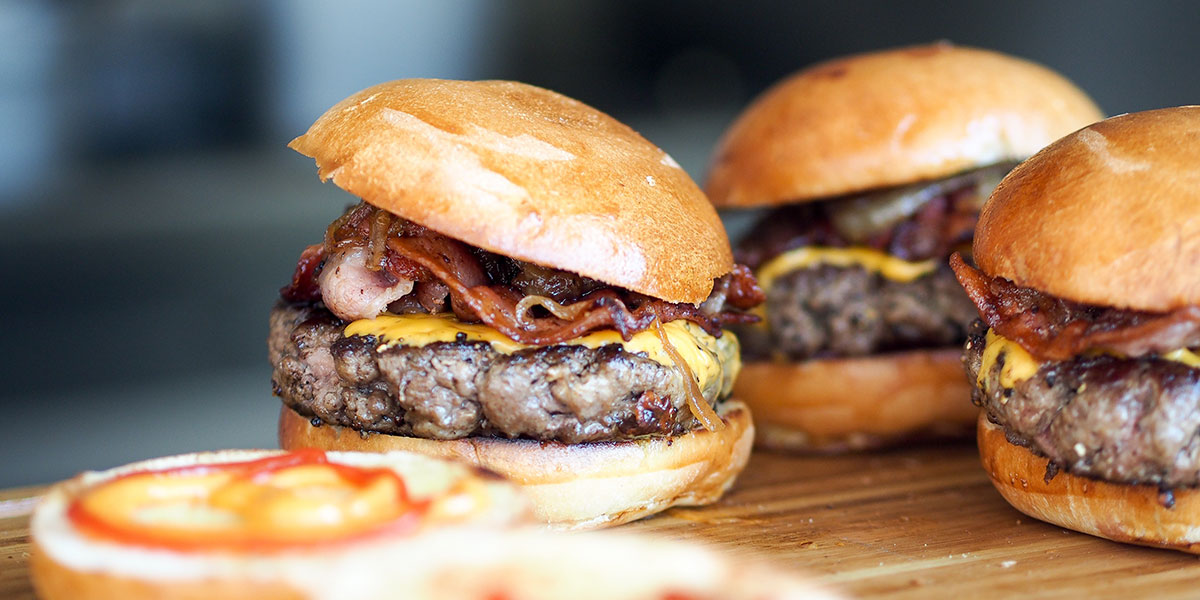
High-fat diets increase tiredness

Researchers at the University of Adelaide have found that men who consume a diet high in fat are more likely to feel tired throughout the day. The Men Androgen Inflammation Lifestyle Environment and Stress (MAILES) study analysed data from 1800 Australian men over a 12-month period. The study controlled for other demographic and lifestyle factors and found an overall trend that those consuming higher fat diets would feel more tired throughout the day, affecting their work due to the implications for alertness and concentration.

Sleep quality at night was also affected, as those who consumed more fat tended to report a poorer overall quality. Unfortunately, the researchers noticed that the effect is cyclical, as poor sleep and feeling tired throughout the day is associated with cravings for food high in fat. Obviously, the best way to counter this is to not give in to temptation and eat a healthier diet. However, this is much easier said than done. The researchers are hoping to continue their work and to inform future intervention studies so that people can lose weight whilst also improve their sleep quality.

PREV
NEXT

Related Posts

Woman holds pink ribbon in her hand during breast examination at doctor appointment.
June 11, 2024
In-depth study unveils complex impact of obesity and metabolic syndrome on breast cancer risk
Read More
December 21, 2016
Untreated Obesity causing cost increase
Read More
Toddler going to sleep with a bottle in his mouth.
January 6, 2026
Bottle Feeding Toddlers to Sleep Linked to Tooth Decay and Excess Weight in Early Childhood
Read More
Doctor examining xray
May 31, 2023
Obesity associated with diminished bone strength, particularly in men
Read More

CCH LINKS

FAQ
HOW TO APPLY
ACADEMIC ADVISORY BOARD
FACULTY AND STAFF
TERMS & CONDITIONS
CCH EDUCATION SERVICES

OUR PARTNERS

NOF
Haringey Obesity Alliance
Skills Active
CPD UK
ASO
REPS
Southwark
DIT
Healthcare Uk
OAC

ABOUT CCH

CONTACT US
[email protected]
+44 (0)20 3773 4895
Technopark, 90 London Road, LONDON, SE1 6LN
 

© The College of Contemporary Health