[email protected]

+44 (0)20 3773 4895

logologologo
  • About Us
    • The College
    • Advisory Board
    • Our Faculty and Team
    • Intelligence Hub
  • Topic Areas
    • Obesity Care
    • Digital Health
    • Behaviour Change
  • Courses
    • CPD Short Courses
    • PGCert in Obesity Care
    • PGCert in Digital Health
  • Apply
    • Postgraduate Qualification in Obesity Care
    • Postgraduate Qualification in Digital Health
    • FAQs
  • Resources
    • News
    • Our Publications
    • Monthly News Bulletins
    • Funding Options
  • Contact Us
    • Contact Us
  • Student Login

No products in the cart.

logologologo
  • About Us
    • The College
    • Advisory Board
    • Our Faculty and Team
    • Intelligence Hub
  • Topic Areas
    • Obesity Care
    • Digital Health
    • Behaviour Change
  • Courses
    • CPD Short Courses
    • PGCert in Obesity Care
    • PGCert in Digital Health
  • Apply
    • Postgraduate Qualification in Obesity Care
    • Postgraduate Qualification in Digital Health
    • FAQs
  • Resources
    • News
    • Our Publications
    • Monthly News Bulletins
    • Funding Options
  • Contact Us
    • Contact Us
  • Student Login

No products in the cart.

  • About Us
    • The College
    • Advisory Board
    • Our Faculty and Team
    • Intelligence Hub
  • Topic Areas
    • Obesity Care
    • Digital Health
    • Behaviour Change
  • Courses
    • CPD Short Courses
    • PGCert in Obesity Care
    • PGCert in Digital Health
  • Apply
    • Postgraduate Qualification in Obesity Care
    • Postgraduate Qualification in Digital Health
    • FAQs
  • Resources
    • News
    • Our Publications
    • Monthly News Bulletins
    • Funding Options
  • Contact Us
    • Contact Us
  • Student Login
February 12, 2019 by Nigel Hinchliffe Obesity Care 0 comments

How does birth weight affect adult obesity in a low resource context?

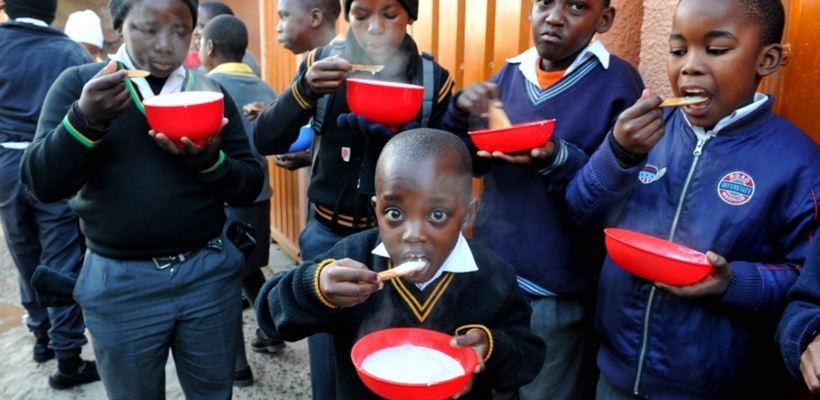
South Africa is experiencing rapid increases in weight gain across the entirety of its population. Obesity is rising in both males and females, across all ages and socioeconomic groups. Like many other low-middle-income countries, it is experiencing a double burden of malnutrition alongside these high obesity rates. Malnutrition is present in one quarter of children under the age of three, resulting in stunting.

This stunting has been reported to be associated with adulthood disease risk, including obesity. Researchers thus far have not been able to look at this relationship in a low-middle-income country in the same participants by following them from birth into early adulthood. The authors of this study were able to do this for the first time using the Birth to Twenty Cohort which is a longitudinal study of children born in 1990 in South Africa.

Authors found that relative weight gain from birth into adulthood was positively related to fat mass, including both visceral and subcutaneous fat in adulthood. Being stunted at age two was inversely associated with fat-free soft tissue mass (i.e. lean body mass) in adulthood. This finding is analogous to trends that have been shown across Brazil, Guatemala and India.


5 Likes
PREV
NEXT

Related Posts

May 10, 2015
Weight loss and exercise improves fertility in women with PCOS
Read More
January 16, 2019
Assessment of dietary patterns, physical activity and obesity among older US adults
Read More
Doctor measuring a patient's waist.
July 10, 2024
Beyond BMI: A new framework for diagnosing obesity with a focus on overall health
Read More
Little girl playing in a field.
September 3, 2025
Obesity drives high rates of chronic disease in US adolescents and young adults
Read More

CCH LINKS

FAQ
HOW TO APPLY
ACADEMIC ADVISORY BOARD
FACULTY AND STAFF
TERMS & CONDITIONS
CCH EDUCATION SERVICES

OUR PARTNERS

NOF
Haringey Obesity Alliance
Skills Active
CPD UK
ASO
REPS
Southwark
DIT
Healthcare Uk
OAC

ABOUT CCH

CONTACT US
[email protected]
+44 (0)20 3773 4895
Technopark, 90 London Road, LONDON, SE1 6LN
 

© The College of Contemporary Health