[email protected]

+44 (0)20 3773 4895

logologologo
  • About Us
    • The College
    • Advisory Board
    • Our Faculty and Team
    • Intelligence Hub
  • Topic Areas
    • Obesity Care
    • Digital Health
    • Behaviour Change
  • Courses
    • CPD Short Courses
    • PGCert in Obesity Care
    • PGCert in Digital Health
  • Apply
    • Postgraduate Qualification in Obesity Care
    • Postgraduate Qualification in Digital Health
    • FAQs
  • Resources
    • News
    • Our Publications
    • Monthly News Bulletins
    • Funding Options
  • Contact Us
    • Contact Us
  • Student Login

No products in the cart.

logologologo
  • About Us
    • The College
    • Advisory Board
    • Our Faculty and Team
    • Intelligence Hub
  • Topic Areas
    • Obesity Care
    • Digital Health
    • Behaviour Change
  • Courses
    • CPD Short Courses
    • PGCert in Obesity Care
    • PGCert in Digital Health
  • Apply
    • Postgraduate Qualification in Obesity Care
    • Postgraduate Qualification in Digital Health
    • FAQs
  • Resources
    • News
    • Our Publications
    • Monthly News Bulletins
    • Funding Options
  • Contact Us
    • Contact Us
  • Student Login

No products in the cart.

  • About Us
    • The College
    • Advisory Board
    • Our Faculty and Team
    • Intelligence Hub
  • Topic Areas
    • Obesity Care
    • Digital Health
    • Behaviour Change
  • Courses
    • CPD Short Courses
    • PGCert in Obesity Care
    • PGCert in Digital Health
  • Apply
    • Postgraduate Qualification in Obesity Care
    • Postgraduate Qualification in Digital Health
    • FAQs
  • Resources
    • News
    • Our Publications
    • Monthly News Bulletins
    • Funding Options
  • Contact Us
    • Contact Us
  • Student Login
March 2, 2017 by Nigel Hinchliffe Obesity Care 0 comments

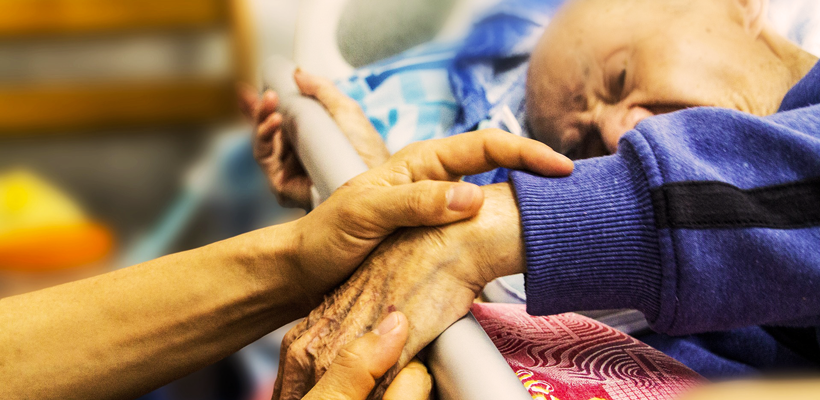
The heavier you are the slimmer your chances of receiving hospice care

A new study from the University of Michigan has found that the heavier a person is, the less likely they are to receive a place at a hospice or die at home. The researchers analysed data from 5,677 elderly people taking part in a long-term health study. They found that people with a higher BMI were not only less likely to use a hospice, but when they did they were in it for less time than their normal weight counterparts. The findings have become pertinent as the increasingly overweight American population ages.

The study itself did not analyse the reasons why people with obesity received less hospice care, but the researchers did put forward several factors. Normally, it takes a larger team to care for an overweight individual due to the co-morbidities associated with increased weight, furthermore obesity may mask the changes that signpost to clinicians when a person should begin to receive hospice care. For example, a major change in body weight is generally more noticeable in leaner individuals, cachexia (‘wasting away’) is a common sign seen towards the end of a person’s life. The researchers also suggest that there is a bias against people who are overweight amongst healthcare professionals, however they were not able to measure this phenomenon during their study, this is something they are hoping will be investigated in the future.


PREV
NEXT

Related Posts

Probiotic and supplement pills forming a human intestine.
May 21, 2024
Clinical study reveals benefits of probiotics and prebiotics in obesity care and weight management
Read More
Kimchi ready to eat in a bowl.
February 5, 2024
Study reveals kimchi’s role in combating obesity among South Koreans
Read More
Woman looking sad and sitting alone in a park.
December 15, 2025
Internalised Weight Stigma Places Heavy Emotional Burden on People Seeking Bariatric Care, Indian Study Finds
Read More
November 30, 2015
Are junk food and fizzy drinks really to blame for obesity?
Read More

CCH LINKS

FAQ
HOW TO APPLY
ACADEMIC ADVISORY BOARD
FACULTY AND STAFF
TERMS & CONDITIONS
CCH EDUCATION SERVICES

OUR PARTNERS

NOF
Haringey Obesity Alliance
Skills Active
CPD UK
ASO
REPS
Southwark
DIT
Healthcare Uk
OAC

ABOUT CCH

CONTACT US
[email protected]
+44 (0)20 3773 4895
Technopark, 90 London Road, LONDON, SE1 6LN
 

© The College of Contemporary Health