[email protected]

+44 (0)20 3773 4895

logologologo
  • About Us
    • The College
    • Advisory Board
    • Our Faculty and Team
    • Intelligence Hub
  • Topic Areas
    • Obesity Care
    • Digital Health
    • Behaviour Change
  • Courses
    • CPD Short Courses
    • PGCert in Obesity Care
    • PGCert in Digital Health
  • Apply
    • Postgraduate Qualification in Obesity Care
    • Postgraduate Qualification in Digital Health
    • FAQs
  • Resources
    • News
    • Our Publications
    • Monthly News Bulletins
    • Funding Options
  • Contact Us
    • Contact Us
  • Student Login

No products in the cart.

logologologo
  • About Us
    • The College
    • Advisory Board
    • Our Faculty and Team
    • Intelligence Hub
  • Topic Areas
    • Obesity Care
    • Digital Health
    • Behaviour Change
  • Courses
    • CPD Short Courses
    • PGCert in Obesity Care
    • PGCert in Digital Health
  • Apply
    • Postgraduate Qualification in Obesity Care
    • Postgraduate Qualification in Digital Health
    • FAQs
  • Resources
    • News
    • Our Publications
    • Monthly News Bulletins
    • Funding Options
  • Contact Us
    • Contact Us
  • Student Login

No products in the cart.

  • About Us
    • The College
    • Advisory Board
    • Our Faculty and Team
    • Intelligence Hub
  • Topic Areas
    • Obesity Care
    • Digital Health
    • Behaviour Change
  • Courses
    • CPD Short Courses
    • PGCert in Obesity Care
    • PGCert in Digital Health
  • Apply
    • Postgraduate Qualification in Obesity Care
    • Postgraduate Qualification in Digital Health
    • FAQs
  • Resources
    • News
    • Our Publications
    • Monthly News Bulletins
    • Funding Options
  • Contact Us
    • Contact Us
  • Student Login
February 4, 2016 by Nigel Hinchliffe Obesity Care 0 comments

Obesity linked with blood clots in children

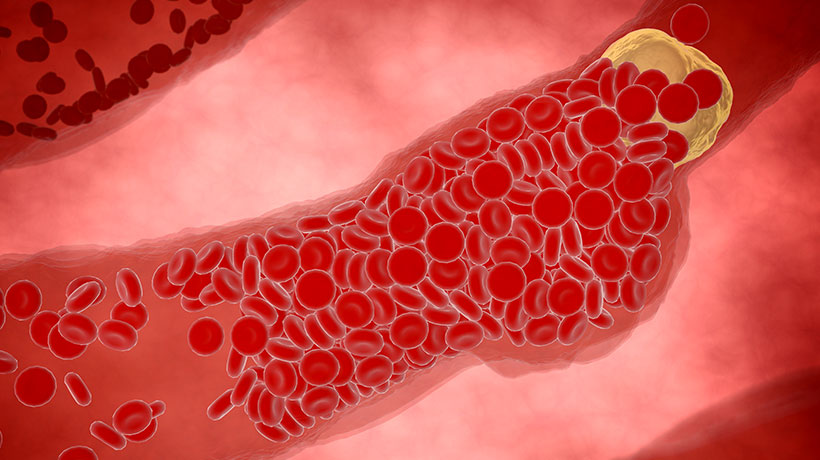
A recent study has found that obesity can contribute to the formation of venous thromboembolism (VTE) in children. It is a well-established fact that obesity can cause VTE in adults, however this study found that a high BMI is also a risk factor in children. The study was conducted on 88 patients from 2 to 18 years of age. The authors were particularly concerned as the incidence of paediatric VTE has increased over the last 20 years, along with the rise in childhood obesity.

Even though the data is from a single institution, and the sample size is fairly small, it still suggests that there is an association between paediatric VTE and obesity being demonstrated. Clinicians need to be aware of this association, as it has the potential to result in many more health issues for the children such as recurrent clots, pulmonary embolism (a severe condition where blood flow is restricted to the lungs), post-thrombotic syndrome (which is a painful condition affecting limbs that causes ulceration), or even stroke.


Read more

PREV
NEXT

Related Posts

July 5, 2016
Timing of meals as important as substance
Read More
May 25, 2016
Self-regulation strategies can prevent weight gain in young adults
Read More
Doctor measuring a patient's waist.
July 10, 2024
Beyond BMI: A new framework for diagnosing obesity with a focus on overall health
Read More
April 26, 2017
Is birth weight a risk factor for fatty liver disease?
Read More

CCH LINKS

FAQ
HOW TO APPLY
ACADEMIC ADVISORY BOARD
FACULTY AND STAFF
TERMS & CONDITIONS
CCH EDUCATION SERVICES

OUR PARTNERS

NOF
Haringey Obesity Alliance
Skills Active
CPD UK
ASO
REPS
Southwark
DIT
Healthcare Uk
OAC

ABOUT CCH

CONTACT US
[email protected]
+44 (0)20 3773 4895
Technopark, 90 London Road, LONDON, SE1 6LN
 

© The College of Contemporary Health