[email protected]

+44 (0)20 3773 4895

logologologo
  • About Us
    • The College
    • Advisory Board
    • Our Faculty and Team
    • Intelligence Hub
  • Topic Areas
    • Obesity Care
    • Digital Health
    • Behaviour Change
  • Courses
    • CPD Short Courses
    • PGCert in Obesity Care
    • PGCert in Digital Health
  • Apply
    • Postgraduate Qualification in Obesity Care
    • Postgraduate Qualification in Digital Health
    • FAQs
  • Resources
    • News
    • Our Publications
    • Monthly News Bulletins
    • Funding Options
  • Contact Us
    • Contact Us
  • Student Login

No products in the cart.

logologologo
  • About Us
    • The College
    • Advisory Board
    • Our Faculty and Team
    • Intelligence Hub
  • Topic Areas
    • Obesity Care
    • Digital Health
    • Behaviour Change
  • Courses
    • CPD Short Courses
    • PGCert in Obesity Care
    • PGCert in Digital Health
  • Apply
    • Postgraduate Qualification in Obesity Care
    • Postgraduate Qualification in Digital Health
    • FAQs
  • Resources
    • News
    • Our Publications
    • Monthly News Bulletins
    • Funding Options
  • Contact Us
    • Contact Us
  • Student Login

No products in the cart.

  • About Us
    • The College
    • Advisory Board
    • Our Faculty and Team
    • Intelligence Hub
  • Topic Areas
    • Obesity Care
    • Digital Health
    • Behaviour Change
  • Courses
    • CPD Short Courses
    • PGCert in Obesity Care
    • PGCert in Digital Health
  • Apply
    • Postgraduate Qualification in Obesity Care
    • Postgraduate Qualification in Digital Health
    • FAQs
  • Resources
    • News
    • Our Publications
    • Monthly News Bulletins
    • Funding Options
  • Contact Us
    • Contact Us
  • Student Login
February 4, 2016 by Nigel Hinchliffe Obesity Care 0 comments

Are organic pollutants causing abdominal obesity?

Organic pollutants may be causing hormone imbalances that contribute to the development of obesity. This is the outcome of a new study, from Taiwan published in the journal PLOS ONE. Researchers were examining the relationship between abdominal obesity, insulin resistance and dioxin, known as a persistent organic pollutant (POP). Rodent studies have shown that dioxin-like organic pollutants may be obesogens. The researchers analysed the data of 2,876 participants and found that those with higher levels of dioxin in their systems from eating contaminated seafood were fatter and more likely to suffer from insulin resistance.

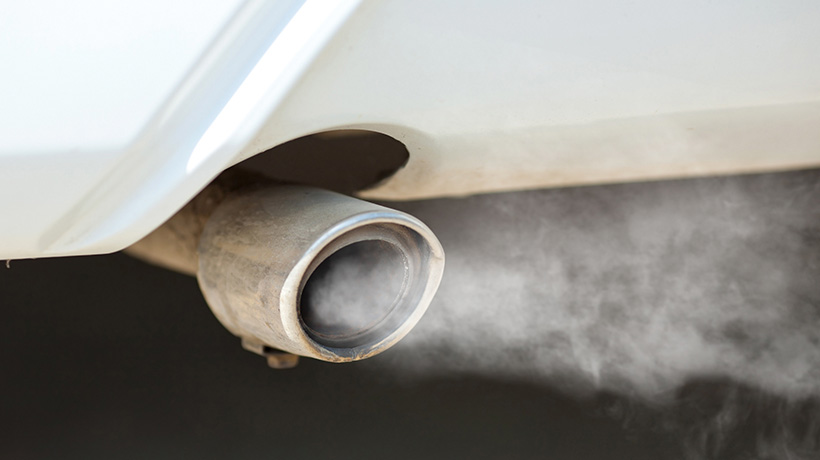
Dioxins are released into the air by a range of industrial processes, some of which are also found in motor vehicles. Recently, more research has been undertaken into the health harms related to these particles, in particular on the endocrine related effects. The researchers hope that this study will help highlight the problem of POPs and will therefore lead to the reduction in exposure to these endocrine disrupting chemicals.

Read more

PREV
NEXT

Related Posts

childhood-obesity
July 22, 2016
Young and overweight? A greater risk for future heart failure
Read More
A box of strawberries.
October 31, 2025
Strawberries May Support Glucose Control and Reduce Inflammation in Prediabetes, Study Finds
Read More
February 14, 2018
Pilates and aerobic training improve levels of depression, anxiety and quality of life in overweight and obese individuals
Read More
Pouring olive oil into italian caprese salad
April 19, 2023
Mediterranean diet linked to fewer signs of Alzheimer’s disease
Read More

CCH LINKS

FAQ
HOW TO APPLY
ACADEMIC ADVISORY BOARD
FACULTY AND STAFF
TERMS & CONDITIONS
CCH EDUCATION SERVICES

OUR PARTNERS

NOF
Haringey Obesity Alliance
Skills Active
CPD UK
ASO
REPS
Southwark
DIT
Healthcare Uk
OAC

ABOUT CCH

CONTACT US
[email protected]
+44 (0)20 3773 4895
Technopark, 90 London Road, LONDON, SE1 6LN
 

© The College of Contemporary Health