Obesity Associated With Higher Risk of Severe Infectious Disease, Large Study Finds
Key Takeaways:
- People living with obesity face a substantially higher risk of hospitalisation or death from a wide range of common infections, with risk increasing alongside body weight.
- Weight change matters – moving out of obesity is associated with fewer severe infections, while progression into obesity increases risk.
- Global estimates suggest that around one in ten infectious disease deaths worldwide may be linked to obesity.
Obesity and severe infection risk across multiple pathogens
A large population-based study has examined the relationship between obesity and the risk of severe infectious diseases, finding that people living with obesity are significantly more likely to be hospitalised or die from common infections. These include influenza, Covid-19, pneumonia, and gastrointestinal and urinary tract infections. For people living with morbid obesity, the risk was approximately three times higher than for people of healthy weight.
“During the pandemic, obesity was widely linked to a higher likelihood of severe Covid-19. We set out to investigate how broadly this link applies across different types of infections and whether any underlying factors contribute to it. Our findings extend beyond any single pathogen, with similar associations observed for bacterial, viral, parasitic and fungal infections,” says one of the article’s lead authors, Solja Nyberg of the University of Helsinki and the Finnish Institute of Occupational Health.
Notably, HIV and tuberculosis were exceptions, with no evidence that obesity increased the risk of severe disease for these infections. The researchers also found that comorbidities, socioeconomic status, and lifestyle factors such as alcohol consumption and physical activity did not explain the increased infection risk associated with obesity.
Weight matters for infection outcomes
Participants were followed for an average of 13–14 years, with body mass index (BMI) measured at baseline. People living with obesity, defined as a BMI of 30 kg/m² or higher, had a 70% greater risk of hospitalisation or death from any infectious disease compared with people of healthy weight, defined as a BMI of 18.5–24.9. The risk increased progressively with higher body weight.
People living with morbid obesity, defined as a BMI of 40 kg/m² or higher, experienced a risk of severe infection three times that of people of healthy weight.
Importantly, changes in body weight over time were also associated with changes in risk. Participants who lost weight and moved from obesity to overweight or healthy weight experienced 20% fewer severe infections compared with those whose obesity persisted. In contrast, weight gain from overweight to obesity was linked to a 30% higher risk of severe infection.
Possible links with immune system dysfunction
“Obesity is a well-known risk factor for diabetes and other chronic diseases. The links now identified indicate that severe infectious diseases should be added to the same list,” says Mika Kivimäki of the University of Helsinki and University College London, who led the study.
“Obesity seems to weaken the immune system’s ability to manage infections, raising the risk of severe disease,” he explains.
Kivimäki also notes that experimental evidence from studies of weight-loss drugs supports a link between obesity and immune function. Reductions in body weight appear to lower the risk of severe infections alongside other health benefits. However, he emphasises that further research is needed to confirm the biological mechanisms underlying these associations.
Obesity and global infectious disease mortality
The researchers analysed data from large Finnish cohorts and the UK Biobank, tracking participants through national health registers. They also incorporated infectious disease mortality data from the Global Burden of Disease study to assess how obesity contributes to infectious disease deaths across countries and regions.
Their analysis suggests that approximately 0.6 million of the 5.4 million infectious disease deaths recorded worldwide in 2023, equivalent to around 11% or one in ten, were associated with obesity.
In the Nordic countries, the estimated proportions of infectious disease deaths linked to obesity were:
- Finland – 19%
- Sweden – 13%
- Norway – 11%
- Denmark – 12%
Among high-income countries, the United States recorded the highest proportion in 2023, at 26%.
Importance of vaccination and prevention
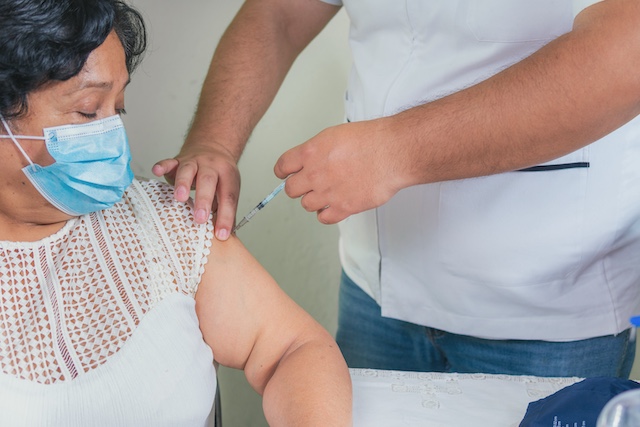
The researchers stress that adults living with obesity should ensure their vaccinations are up to date and take up booster doses when offered to groups at higher risk of severe infection.
They also highlight several limitations of the study. As an observational analysis, it cannot establish causality. In addition, participants in the Finnish cohorts and the UK Biobank are not fully representative of the general population, meaning the findings should be generalised with caution.