Tirzepatide Not Linked to Increased Depression or Suicidal Ideation in Obesity Trials
Key Takeaways:
- A post hoc analysis of three SURMOUNT trials found no evidence that tirzepatide increases the risk of depression compared with placebo over 72 weeks.
- Rates of suicidal ideation and behaviour were low and similar between tirzepatide and placebo groups, with most reports assessed as low risk.
- Experts emphasise the need for routine mental health assessment in people living with obesity, alongside further research in populations with established psychiatric conditions.
Overview of the analysis
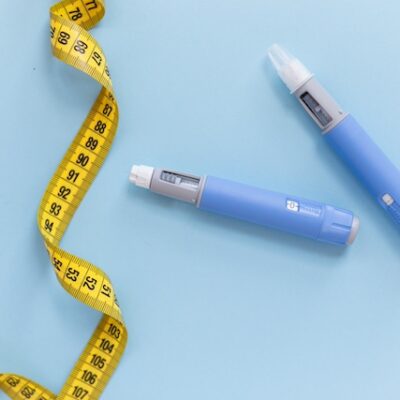
Once-weekly subcutaneous tirzepatide was not associated with an increased risk of depression compared with placebo, according to a post hoc analysis of the SURMOUNT clinical trial programme. The findings were published in Obesity and add to the growing body of evidence examining the psychiatric safety of incretin-based therapies used for weight management.
As previously reported by Healio, in January the Food and Drug Administration requested the removal of warnings related to suicidal ideation and behaviours from the labels of several obesity medications, including liraglutide 3 mg (Saxenda), semaglutide 2.4 mg (Wegovy) and tirzepatide (Zepbound).
In the newly published analysis, researchers reported that adults receiving tirzepatide across three SURMOUNT trials did not experience worsening of depression over the course of the studies.
“The low occurrence of these events with tirzepatide is similar to that observed in pooled analyses of semaglutide 2.4 mg and liraglutide 3 mg, both GLP-1 receptor agonists approved for weight management,” said Thomas A. Wadden, PhD, professor of psychology in psychiatry at the Perelman School of Medicine, University of Pennsylvania, in comments to Healio. “The present report provides the first detailed analysis of the risk of these psychiatric events with tirzepatide.”
Study design and assessment methods
The analysis included data from the SURMOUNT-1, SURMOUNT-2 and SURMOUNT-3 studies. Across all three trials, adults living with obesity or with overweight and at least one weight-related comorbidity were randomly assigned to receive once-weekly subcutaneous tirzepatide or placebo for 72 weeks.
Depression symptoms were evaluated using the Patient Health Questionnaire-9 (PHQ-9). Suicidal ideation and behaviour were assessed using the Columbia-Suicide Severity Rating Scale. In addition, investigators recorded neuropsychiatric adverse events during scheduled study visits.
Depression symptoms over time
A total of 4,056 adults were included in the pooled analysis, of whom 63 percent were women and 74 percent were White. Overall, 2,806 participants received tirzepatide and 1,250 received placebo. At baseline, mean PHQ-9 scores were 2.7 in the tirzepatide group and 2.6 in the placebo group, indicating minimal or no depressive symptoms.
By week 72, participants receiving tirzepatide experienced a 0.6-point greater reduction in PHQ-9 score compared with those receiving placebo.
Among participants who had no or minimal depression symptoms at baseline and received tirzepatide, 79.4 percent remained in that category through the end of safety follow-up. During follow-up, 17 percent reported mild symptoms, 2.9 percent reported moderate symptoms, 0.7 percent reported moderately severe symptoms and 0.1 percent reported severe symptoms.
A smaller proportion of participants in the tirzepatide group moved to a more severe depression category compared with the placebo group, 18.2 percent versus 24.3 percent respectively, with this difference reaching statistical significance (P < .001). Conversely, a higher proportion of those receiving tirzepatide moved to a less severe depression category compared with placebo, 52.4 percent versus 41.8 percent (P < .001).
Suicidal ideation and behaviour
At baseline, a history of suicidal ideation or behaviour was reported by 70 participants receiving tirzepatide and 38 participants receiving placebo. Through the end of safety follow-up, 0.6 percent of participants in both the tirzepatide and placebo groups reported suicidal ideation. Most of these events were classified as low risk.
Moderate-risk suicidal ideation was reported by 0.3 percent of participants receiving tirzepatide and 0.1 percent of those receiving placebo. High-risk suicidal ideation occurred in three participants receiving tirzepatide and one participant receiving placebo.
Suicidal behaviour was reported by two participants in the tirzepatide group and by none in the placebo group.
Treatment-emergent nervous system disorder adverse events occurred in 15.8 percent of participants receiving tirzepatide and 13 percent of those receiving placebo. The investigators reported no difference between groups in the occurrence of treatment-emergent psychiatric disorders overall.
Implications for mental health care in obesity
Wadden noted that he and his colleagues supported the FDA decision to remove warnings related to suicidal ideation and behaviour from the labels of incretin-based obesity medications. However, he stressed that mental health assessment remains essential in the care of people living with obesity.
“Persons with obesity, particularly with a BMI of more than 40 kg/m2, are at substantially increased risk of major depression and anxiety disorders,” Wadden said. “It’s critical that they receive the same mental health care that persons of average weight would when presenting with these conditions.”
He also highlighted the need for further research to better understand the effects of incretin-based therapies in people with established psychiatric conditions.
“Randomized trials of the GLP-1 obesity medications largely excluded persons who, in the past 2 years, had experienced major depression, schizophrenia or bipolar disorder, or who had a lifetime history of suicide attempt,” Wadden said. “GLP-1 medications potentially could be beneficial to individuals who suffer from these conditions. Small, carefully controlled studies would appear warranted, as would a close examination of the FDA’s recent retrospective cohort study of more than 2 million individuals. The FDA’s dataset likely included a far greater range of psychiatric status than found in the randomized controlled trials that evaluated tirzepatide and semaglutide for chronic weight management.”
Disclosures
Wadden reports advising for Novo Nordisk and WW and receiving grants on behalf of the University of Pennsylvania from Eli Lilly, Epitomee Medical and Novo Nordisk. All other relevant financial disclosures are reported in the study.