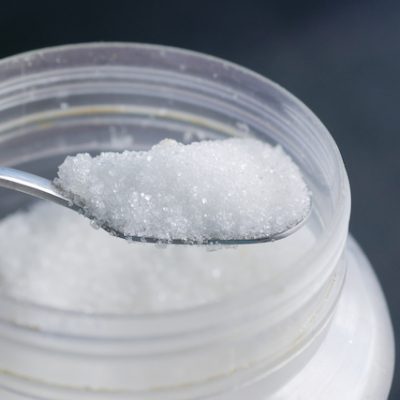
Study reveals sweeteners do not elevate hunger while aiding in blood sugar reduction
In a groundbreaking research endeavour, the substitution of sugar with both artificial and natural sweeteners has been shown to not increase hunger levels in individuals, whilst also facilitating a reduction in blood sugar levels. This discovery comes from a rigorous double-blind randomised controlled trial, which observed that foods containing sweeteners do not lead to heightened appetite sensations or alter appetite-related hormone reactions compared to their sugary counterparts. Notably, this substitution offers additional advantages, such as the lowering of blood sugar levels, a crucial factor for individuals at risk of developing type 2 diabetes.
The incorporation of sweeteners as a sugar substitute in food products has sparked considerable debate, with prior studies providing inconclusive evidence regarding their potential to stimulate appetite. However, this recent study, adhering to the highest standards of scientific proof, delivers compelling evidence that sweeteners and sweetness enhancers do not adversely affect appetite. Moreover, they play a significant role in reducing sugar intake.
Conducted under the auspices of the University of Leeds in collaboration with the Rhône-Alpes Research Center for Human Nutrition, this study forms part of the extensive research undertaken by the SWEET consortium. Comprising 29 European partners from research, consumer, and industry sectors, the consortium aims to investigate the long-term benefits and possible risks associated with the transition to sweeteners and sweetness enhancers, focusing on public health and safety, obesity, and sustainability. The research received funding from Horizon Europe.
Catherine Gibbons, the study’s lead author and an Associate Professor at the University of Leeds’ School of Psychology, stressed the importance of reducing sugar intake in combating the escalating prevalence of obesity-related metabolic diseases like type 2 diabetes. She noted that removing sugar from foods without offering a substitute could potentially compromise taste and heighten cravings for sweet foods, thus making adherence to a low-sugar diet challenging. The substitution of sugars with sweeteners and sweetness enhancers in food products represents a prevalent dietary and food manufacturing strategy to diminish sugar consumption and enhance the nutritional value of commercial foods and beverages.
Graham Finlayson, Principal Investigator and Professor of Psychobiology at the University of Leeds, highlighted the scrutiny that the use of sweeteners and sweetness enhancers has attracted, including claims linking their consumption to adverse health outcomes. These reports have muddled public perception, particularly among those at risk of metabolic diseases, about the safety of these substances.
“Our study provides essential evidence supporting the daily use of sweeteners and sweetness enhancers in managing body weight and blood sugar levels,” Finlayson stated.
This pioneering study, a first of its kind, examined the impact of consuming biscuits infused with either sugar, the natural sugar alternative Stevia, or the artificial sweetener Neotame on a group of 53 adult men and women with overweight or obesity issues. Prior research on sweeteners and sweetness enhancers predominantly utilised beverages as a medium and seldom included participants with overweight or obesity or both sexes. Moreover, these studies usually focused on a single sweetener, primarily aspartame, against a control, with very few examining the effects of repeated daily consumption of a known sweetener or sweetness enhancer as part of a regular diet.
The trial, executed at the University of Leeds and the Rhône-Alpes Research Center for Human Nutrition in France between 2021 and 2022, involved participants aged between 18 to 60, all with overweight or obesity. It comprised three two-week consumption phases, with participants consuming biscuits containing different fillings: sugar, Stevia, or Neotame, with intervals of 14-21 days between each phase.
The initial and final days of these phases were conducted in a laboratory setting. Participants, after an overnight fast, provided blood samples to establish baseline glucose, insulin, and appetite-related hormone levels. They were also asked to evaluate their hunger and food preferences. Following the biscuit consumption, participants rated their fullness over several hours, and measurements were taken for glucose and insulin levels, along with ghrelin, glucagon-like peptide 1, and pancreatic polypeptide – hormones linked to food consumption.
The findings indicated no significant differences in appetite or endocrine responses between the sweetener types and sugar. However, insulin levels, measured two hours post-consumption, along with blood sugar levels, were observed to decrease.
Professor Anne Raben, joint co-ordinator of the SWEET project from the University of Copenhagen, Denmark, remarked, “The findings affirm that sweeteners are a beneficial tool in reducing the consumption of added sugar without triggering a compensatory increase in hunger or energy intake. This supports the effectiveness of sweeteners in managing appetite, energy, and weight.”