Severe Obesity Accelerates Lung Ageing by Altering Tissue Structure, Study Finds
Key Takeaways:
- Researchers at the University of Bonn have shown that severe obesity causes structural and molecular changes in lung tissue that mimic those of natural ageing.
- Obesity leads to the accumulation of fat within lung connective tissue cells, disrupting their normal function and reducing lung elasticity.
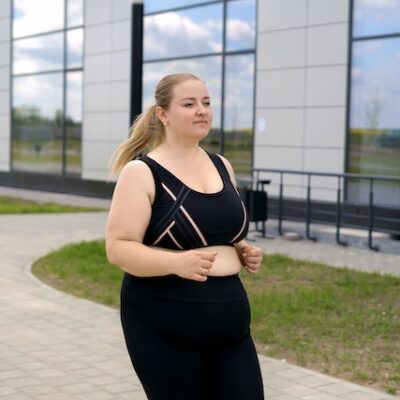
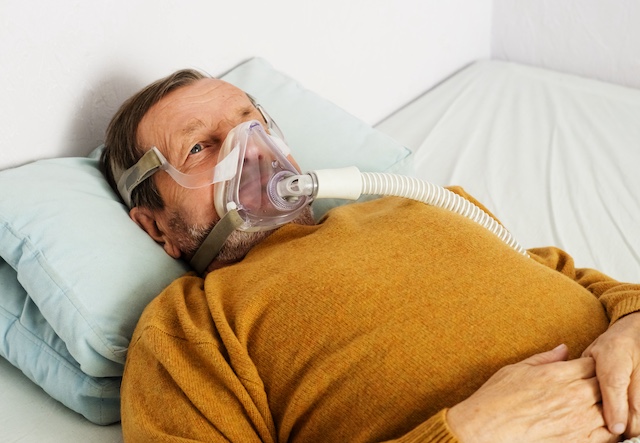
- These findings help explain why people living with obesity often experience breathing difficulties and may face a higher risk of lung-related complications.
Obesity found to accelerate ageing in the lungs
A research team led by Professor Dr Veronika Lukacs-Kornek from the ImmunoSensation2 Cluster of Excellence at the University of Bonn and the Institute for Molecular Medicine and Experimental Immunology (IMMEI) at the University Hospital Bonn (UKB) has discovered that severe obesity causes the lungs to age prematurely. The findings, published in Cell Reports, shed new light on how excessive body weight affects lung function and structure at the molecular level.
The study explored how the lungs respond to nutritional challenges associated with obesity, revealing that excess body fat significantly remodels the extracellular matrix (ECM) – the protein-based “scaffolding” that provides the lungs with their shape, strength, and stability. These alterations in lung architecture closely resemble those typically observed during the natural ageing process, suggesting that obesity accelerates the biological ageing of lung tissue.
Multi-omics analysis reveals profound structural changes
To investigate these effects, the researchers employed state-of-the-art multi-omics techniques – a set of advanced tools that allow for the simultaneous study of proteins, lipids, and genes. This integrative approach enabled the team to map how obesity influences the lungs at multiple biological levels.
By combining molecular analyses with microscopic imaging and functional experiments that tested how lungs perform, the team was able to capture a comprehensive picture of obesity’s impact. They compared the lungs of obese and lean mice, examined human lung fibroblasts (connective tissue cells), and studied the overall composition of lung tissue to identify both molecular and functional differences.
Fat accumulation and loss of elasticity in lung tissue
The results showed that in obesity, lung fibroblasts – the cells responsible for maintaining the connective tissue – begin to accumulate fat, becoming more mobile and displaying early signs of premature ageing. At the same time, the matrisome, which refers to the entire collection of ECM proteins, undergoes significant changes.
These changes disturb the delicate balance of protease inhibitors, enzymes that regulate tissue maintenance and repair. As a consequence, the lungs become less elastic and more prone to stiffness. This reduced elasticity helps explain why people living with obesity often experience shortness of breath and other respiratory difficulties.
“Interestingly, these changes are similar to those normally seen in older people – pointing to obesity as a driver of accelerated lung ageing,” the authors noted.
Overcoming complex research challenges
Studying the lung’s connective tissue presented major technical challenges. The fibroblastic stroma – the supportive framework of the lungs – comprises numerous cell types with highly specialised roles, making it difficult to isolate and analyse. Furthermore, the extracellular matrix itself is notoriously complex: many of its proteins are insoluble and possess intricate structures that resist standard laboratory analysis.
To address this, the team had to develop novel analytical methods that could overcome these limitations and enable the simultaneous study of multiple molecular components within the tissue. This innovative approach has allowed researchers to better understand how obesity-induced changes at the cellular level translate into functional impairments in lung performance.
Implications for understanding obesity-related lung disease
The study provides compelling evidence that obesity accelerates biological ageing processes in the lungs, underscoring the broader systemic impact of excess body weight beyond metabolic and cardiovascular complications.
By demonstrating that obesity alters both the composition and function of lung tissue, the findings open new avenues for exploring how weight management and metabolic interventions might help preserve lung health and mitigate premature ageing in people living with obesity.
CCH insight:
This is an interesting study. It shows that shortness of breath in people with obesity is not simply a case of poor cardiorespiratory fitness or due to mechanical difficulties due to accumulation of adipose tissue in the chest – it actually involves structural changes to lung tissue, similar to biological aging. It would be interesting to compare the lung tissue of people with obesity who have a sedentary inactive lifestyle with that of people with obesity who are active and physically fit, to see if exercise and better cardiorespiratory fitness can prevent these tissue changes and premature aging of the lungs.