[email protected]

+44 (0)20 3773 4895

logologologo
  • About Us
    • The College
    • Advisory Board
    • Our Faculty and Team
    • Intelligence Hub
  • Topic Areas
    • Obesity Care
    • Digital Health
    • Behaviour Change
  • Courses
    • CPD Short Courses
    • PGCert in Obesity Care
    • PGCert in Digital Health
  • Apply
    • Postgraduate Qualification in Obesity Care
    • Postgraduate Qualification in Digital Health
    • FAQs
  • Resources
    • News
    • Our Publications
    • Monthly News Bulletins
    • Funding Options
  • Contact Us
    • Contact Us
  • Student Login

No products in the cart.

logologologo
  • About Us
    • The College
    • Advisory Board
    • Our Faculty and Team
    • Intelligence Hub
  • Topic Areas
    • Obesity Care
    • Digital Health
    • Behaviour Change
  • Courses
    • CPD Short Courses
    • PGCert in Obesity Care
    • PGCert in Digital Health
  • Apply
    • Postgraduate Qualification in Obesity Care
    • Postgraduate Qualification in Digital Health
    • FAQs
  • Resources
    • News
    • Our Publications
    • Monthly News Bulletins
    • Funding Options
  • Contact Us
    • Contact Us
  • Student Login

No products in the cart.

  • About Us
    • The College
    • Advisory Board
    • Our Faculty and Team
    • Intelligence Hub
  • Topic Areas
    • Obesity Care
    • Digital Health
    • Behaviour Change
  • Courses
    • CPD Short Courses
    • PGCert in Obesity Care
    • PGCert in Digital Health
  • Apply
    • Postgraduate Qualification in Obesity Care
    • Postgraduate Qualification in Digital Health
    • FAQs
  • Resources
    • News
    • Our Publications
    • Monthly News Bulletins
    • Funding Options
  • Contact Us
    • Contact Us
  • Student Login
March 2, 2017 by Nigel Hinchliffe Obesity Care 0 comments

T2DM prevented in 80% of at-risk patients

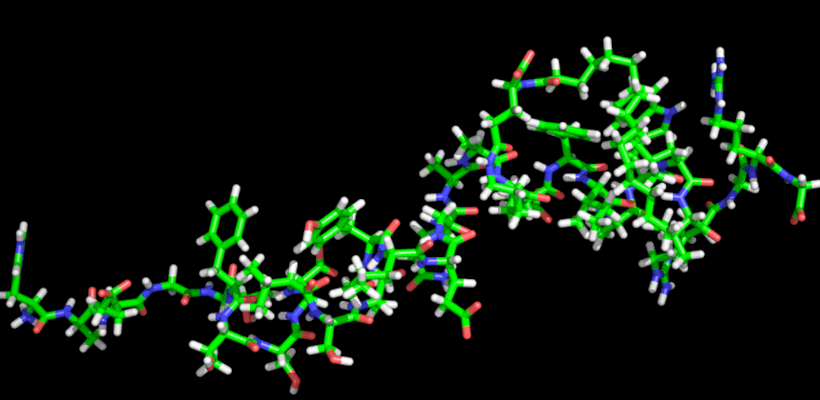
A team from Imperial College London have repurposed the drug liraglutide and have found that it can help to prevent the progression of ‘prediabetes’ to diabetes. Prediabetes itself is characterised by slightly increased blood sugar levels and can often lead to T2DM, it is curable with exercise and a healthier diet, but once it progresses to diabetes it is significantly harder to treat. Liraglutide is already used to treat obesity and diabetes – it works by activating the areas of the brain that control appetite and eating – however researchers found that when combined with diet and exercise it can help prevent progression to diabetes in those that are prediabetic.

The study itself included 2,254 obese adults across 27 countries; they were split into two groups, with one group administered liraglutide via injection, alongside diet and exercise, whilst the other group did not receive any medication. They found that the patients given liraglutide were 80% less likely to develop diabetes than those in the placebo group. The drug was also linked to greater sustained weight loss over the course of three years. The researchers are particularly excited at the fact that treatment with liraglutide could save the healthcare system millions by preventing diabetes developing in many people.

PREV
NEXT

Related Posts

March 2, 2017
Childhood weight is 35-40% inherited
Read More
Pouring olive oil into italian caprese salad
April 19, 2023
Mediterranean diet linked to fewer signs of Alzheimer’s disease
Read More
February 14, 2018
Sleep Health and Psychopathology Mediate Executive Deficits in Paediatric Obesity
Read More
October 30, 2015
Mothers find it difficult to admit that their children are obese
Read More

CCH LINKS

FAQ
HOW TO APPLY
ACADEMIC ADVISORY BOARD
FACULTY AND STAFF
TERMS & CONDITIONS
CCH EDUCATION SERVICES

OUR PARTNERS

NOF
Haringey Obesity Alliance
Skills Active
CPD UK
ASO
REPS
Southwark
DIT
Healthcare Uk
OAC

ABOUT CCH

CONTACT US
[email protected]
+44 (0)20 3773 4895
Technopark, 90 London Road, LONDON, SE1 6LN
 

© The College of Contemporary Health