[email protected]

+44 (0)20 3773 4895

logologologo
  • About Us
    • The College
    • Advisory Board
    • Our Faculty and Team
    • Intelligence Hub
  • Topic Areas
    • Obesity Care
    • Digital Health
    • Behaviour Change
  • Courses
    • CPD Short Courses
    • PGCert in Obesity Care
    • PGCert in Digital Health
  • Apply
    • Postgraduate Qualification in Obesity Care
    • Postgraduate Qualification in Digital Health
    • FAQs
  • Resources
    • News
    • Our Publications
    • Monthly News Bulletins
    • Funding Options
  • Contact Us
    • Contact Us
  • Student Login

No products in the cart.

logologologo
  • About Us
    • The College
    • Advisory Board
    • Our Faculty and Team
    • Intelligence Hub
  • Topic Areas
    • Obesity Care
    • Digital Health
    • Behaviour Change
  • Courses
    • CPD Short Courses
    • PGCert in Obesity Care
    • PGCert in Digital Health
  • Apply
    • Postgraduate Qualification in Obesity Care
    • Postgraduate Qualification in Digital Health
    • FAQs
  • Resources
    • News
    • Our Publications
    • Monthly News Bulletins
    • Funding Options
  • Contact Us
    • Contact Us
  • Student Login

No products in the cart.

  • About Us
    • The College
    • Advisory Board
    • Our Faculty and Team
    • Intelligence Hub
  • Topic Areas
    • Obesity Care
    • Digital Health
    • Behaviour Change
  • Courses
    • CPD Short Courses
    • PGCert in Obesity Care
    • PGCert in Digital Health
  • Apply
    • Postgraduate Qualification in Obesity Care
    • Postgraduate Qualification in Digital Health
    • FAQs
  • Resources
    • News
    • Our Publications
    • Monthly News Bulletins
    • Funding Options
  • Contact Us
    • Contact Us
  • Student Login
June 27, 2017 by Nigel Hinchliffe Obesity Care 0 comments

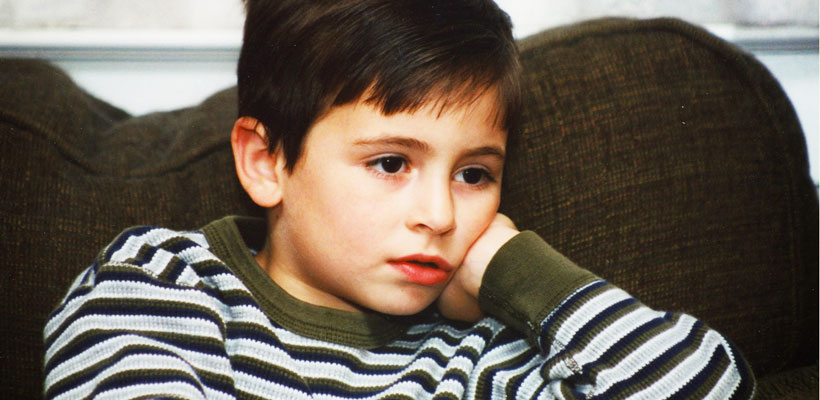
TV in the bedroom linked to childhood obesity

Preschool children can spend up to 12 hours a day in sedentary time, which can include watching television, playing electronic games and reading. Few preschool children are meeting the current recommendations of less than 1 hour of screen time per day, and are spending large amounts of time engaging in screen time. According to new research, children who have a TV in their bedroom at the age of 7 are more likely to become overweight.

Prof Russell Viner of the Royal College of Paediatrics and Child Health, who was not involved in the study, has said that “The study indicates, more research is needed to fully understand this complex area, but this is a high quality study covering a very large and nationally representative sample and provides a reasonably strong basis to think that the links shown here are real….it highlights that having a TV in the bedroom from seven years increases the risk of being overweight four years later, regardless of the child’s weight in earlier childhood. As such, the findings must be taken very seriously.”


PREV
NEXT

Related Posts

February 14, 2018
Effectiveness of a Kindergarten-Based Intervention for Preventing Childhood Obesity.
Read More
Prohibited sign over an image of typical fast food.
August 24, 2023
Luton Council takes action against childhood obesity by banning unhealthy food ads on municipal property
Read More
Probiotic and supplement pills forming a human intestine.
May 21, 2024
Clinical study reveals benefits of probiotics and prebiotics in obesity care and weight management
Read More
Yellow alarm clock on white plate with cutlery. Concept of intermittent fasting, lunchtime, diet and weight loss
February 17, 2026
New Cochrane Review Finds Intermittent Fasting Offers No Clear Weight Loss Advantage
Read More

CCH LINKS

FAQ
HOW TO APPLY
ACADEMIC ADVISORY BOARD
FACULTY AND STAFF
TERMS & CONDITIONS
CCH EDUCATION SERVICES

OUR PARTNERS

NOF
Haringey Obesity Alliance
Skills Active
CPD UK
ASO
REPS
Southwark
DIT
Healthcare Uk
OAC

ABOUT CCH

CONTACT US
[email protected]
+44 (0)20 3773 4895
Technopark, 90 London Road, LONDON, SE1 6LN
 

© The College of Contemporary Health