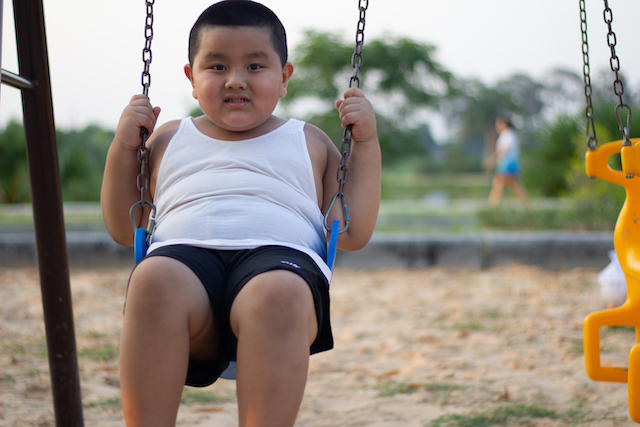
US panel of health experts advocate early interventions for childhood obesity from age 6
A panel of U.S. health experts has put forth a draft recommendation advocating for children with obesity to begin receiving comprehensive counselling aimed at fostering healthy eating and exercise habits, starting at the age of 6. This guidance, issued by the U.S. Preventive Services Task Force (USPSTF), builds upon their 2017 recommendation which suggested that obesity screening should commence from the same age.
Recent research underscores the value of intensive behavioural interventions, defined as a minimum of 26 hours of counselling with one or more health professionals, in aiding children and adolescents to achieve and maintain a healthy weight and enhance their overall quality of life. However, the recommendation does not set a specific timeframe for these interventions.
The USPSTF’s updated advice does not delve into the use of weight-loss medications like Novo Nordisk’s Wegovy, approved for use in children aged 12 and above, nor does it address surgical options. The Task Force reviewed evidence surrounding weight-loss medications but noted that further research is needed to fully grasp the long-term health impacts of such treatments.
According to Dr. Katrina Donahue from the University of North Carolina School of Medicine and a member of the Task Force, the proposed behavioural interventions encompass a combination of physical activity, behaviour change support, and education on healthy eating. Recognising that available resources vary by location, Donahue acknowledged that the implementation of these interventions might differ across cities.
The recommendation is backed by data from 58 randomised controlled trials involving over 10,000 children, which demonstrated the effectiveness of these interventions when a child engages in at least 26 hours of professional contact. The evidence for these intensive interventions received a “grade B” from the USPSTF, indicating high certainty of at least moderate benefit. The children in these trials lost an average of 4 to 6.5 pounds (approximately 2 to 3 kilograms), with the reductions being sustained for at least a year.
Childhood and adolescent obesity, through the age of 19, is defined as having a body mass index (BMI) – a weight-to-height ratio – higher than that of 95% of peers of the same age and gender. Nearly one in five U.S. children and teenagers are categorised as having obesity, based on data from the U.S. Centers for Disease Control and Prevention (CDC).
The American Academy of Pediatrics (AAP) guidelines also endorse lifestyle support, including over 26 hours of face-to-face, family-based, multicomponent treatment spanning 3 to 12 months. Additionally, the AAP recommends paediatricians consider weight-loss drugs for children with obesity aged 12 and over and to refer adolescents aged 13 and older with severe obesity for metabolic and bariatric surgery evaluation.
The USPSTF’s draft recommendation is open for public comment until the 16th of January 2023, inviting a wider discourse on the proposed approach to tackle childhood obesity.