
Weight Raised in Fewer Than Four in Ten Type 2 Diabetes Consultations, With Bariatric Surgery Never Mentioned
Key Takeaways:
- Weight was discussed in just 48 of 123 recorded primary care visits for people living with type 2 diabetes (39%), and clinicians never used the words “overweight” or “obesity” during these conversations.
- Clinicians started most weight discussions, with only 15% classed as patient-directed, and the advice given differed depending on who raised the topic.
- Bariatric surgery was not mentioned in any of the recorded visits, suggesting that some people may not be hearing about the full range of treatment options available to them.
Weight conversations were infrequent in recorded diabetes visits
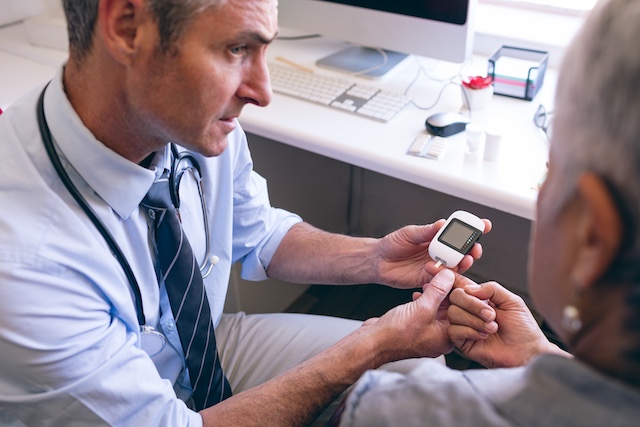
A Yale-led study published in BMC Primary Care has found that weight was discussed in only 48 of 123 recorded primary care visits for type 2 diabetes – just 39% of appointments. Clinicians initiated the majority of these conversations, only 15% were patient-directed, and bariatric surgery was never discussed.
The research drew on video-recorded visits at Fair Haven Community Health Care in New Haven, Connecticut. Notably, clinicians never used the terms “overweight” or “obesity”. Instead, they referred to weight in general terms, and on occasion talked in pounds or kilograms.
For people living with type 2 diabetes, the findings highlight a practical opportunity. Options for treating weight have broadened considerably in recent years, including GLP-1 medications and other approaches, and people do not need to wait for their clinician to raise the subject.
Clinicians led most weight discussions, and surgery was never mentioned
The study analysed visits recorded as part of a trial called QBSAfe, which tested an agenda-setting tool for diabetes care. The tool itself did not address weight. Every participant was living with type 2 diabetes, had an HbA1c (A1c) of at least 8% and a body mass index of at least 25. Most participants were Hispanic or Latino, and most of those who reported their income were on low incomes.
Clinicians started 56% of weight discussions. The researchers categorised 44% of conversations as clinician-directed, 38% as collaborative, 15% as patient-directed and 4% as confrontational. Every patient-directed conversation began with the patient raising the topic themselves.
The type of advice given varied according to who started the conversation. According to News-Medical’s summary of the study, clinicians recommended physical activity in 44% of the conversations they initiated, compared with just 14% of those started by patients. Changes to diet and diabetes medicines associated with weight loss were common recommendations. Social factors, such as access to food, were raised in 17% of discussions, while referrals to a dietitian featured in 13%.
Weight was discussed more frequently with people already taking GLP-1 receptor agonists, although the researchers were unable to establish why. One treatment option was absent altogether: “Bariatric surgery was not discussed,” the authors wrote.
A small, single-clinic snapshot with clear limitations
This was an observational study of 123 recorded visits at a single community health centre. It describes how weight was discussed but cannot show whether any particular conversation style changed people’s health or behaviour. Classifying the conversations involved a degree of judgement, and results may differ in other clinics or among other patient groups.
The authors acknowledged that social barriers may have been addressed outside the recorded visits. Even so, if patients rarely lead the conversation and some treatment options are never raised, people may miss out on hearing about choices that could benefit their diabetes and their overall health.
The treatment landscape is also changing rapidly. MedicalDaily has reported on trial results for combination weight-loss medicines in people living with type 2 diabetes, and further options are currently being studied.
The findings also point to the value of supporting clinicians to feel confident raising weight in a sensitive, person-centred way and discussing the full range of evidence-based options. Continuing professional development, such as The College of Contemporary Health’s Obesity Essentials course, can help healthcare professionals strengthen their approach to these conversations with people living with obesity and related conditions.
People who may benefit most from speaking up
People living with type 2 diabetes whose blood sugar remains high despite treatment may have the most to gain from a fuller conversation about weight. For many people living with diabetes, losing weight can make blood sugar easier to manage, and some newer diabetes medicines also reduce weight.
People with limited appointment time, those facing language barriers and those on lower incomes may encounter additional hurdles. These groups were well represented in the study, which makes its findings particularly relevant to community health centres and safety-net clinics.
Questions to bring to the next diabetes appointment
Patients can raise weight directly at the start of a visit so that it does not get squeezed out. A simple way to open the conversation is to ask whether weight is affecting blood sugar and what options might help.
From there, useful questions include whether a GLP-1 medication or another diabetes medicine that supports weight loss would be suitable, what side effects to expect and how long treatment might last. Patients can ask whether they meet the criteria for bariatric surgery – which can include people living with type 2 diabetes that is difficult to control – and what a referral would involve. They can also ask to be referred to a dietitian or a diabetes education programme.
Cost is often the deciding factor. In the US setting of the study, patients can ask which medicines their insurance covers, whether prior authorisation is required and whether lower-cost alternatives or manufacturer assistance programmes are available.
Writing questions down before the appointment and bringing an up-to-date list of medicines can also help. Patients who prefer to speak Spanish or another language can ask for an interpreter, as programmes receiving US federal funding must provide free language assistance services.
Safety comes first
No one should start, stop or change a diabetes medicine without first speaking to a clinician. Symptoms such as extreme thirst, confusion, fainting or signs of very low blood sugar require prompt medical attention. The researchers called for ways to make weight conversations more frequent in primary care, but patients do not need to wait for their clinician to raise the subject.
CCH insight
This study shows that weight is often left out of diabetes consultations, and that important treatment options such as bariatric surgery may never be raised. Our Obesity Essentials CPD course is designed for healthcare professionals who want to build their knowledge and confidence in supporting people living with obesity, helping to ensure that conversations about weight are routine, respectful and informed by the full range of options. Find out more and enrol today.
Explore Obesity Essentials short course →
Source: BMC Primary Care