

Digital Health Is Redefining Patient Expectations of Care
Key Takeaways:
- Consumers used to personalised digital experiences in banking, retail and entertainment now expect the same convenience and personalisation from healthcare, according to a 2024 Deloitte study.
- Patients are already using digital health services widely: in Spain, 72.48% of survey respondents had used online medical appointments, and older patients and caregivers valued patient portals for their convenience.
- A 2026 OECD report found that patients who have to repeat information that should already be in their health records report worse experiences of trust, quality of care and person-centred care.
The overlooked patient perspective
Professional forums are increasingly focusing on how digital health can contribute to clinical workflows, from automating administrative tasks and analysing imaging studies to segmenting patient groups. However, these discussions often overlook the role of patients themselves, and how digital health is changing their expectations and perceptions of their own healthcare needs.
The growing availability of services that combine effectiveness with patient care and convenience may also be influencing what patients expect from the healthcare system as a whole.
Convenience as a competitive advantage
A 2024 Deloitte study indicated that healthcare systems could gain a competitive advantage by ensuring that their virtual health offerings prioritise convenience and respond to consumer preferences.
According to the report, “today’s consumers, accustomed to highly personalized virtual experiences in banking, retail, and entertainment, now expect the same level of convenience and personalization in their interactions with the healthcare system.”
This shift highlights a key challenge for the healthcare sector: aligning organisational strategies with growing consumer demand for accessible digital health solutions.
For healthcare professionals looking to understand how digital and AI-driven tools are entering everyday practice, The College of Contemporary Health’s AI Essentials for Primary Care short course offers a practical starting point for building confidence in this rapidly evolving area.
Private investment in digital health
Private sector companies are also increasing their investment in digital health.
One example is the recent acquisition of Reimagine Care, a US company that provided virtual care to people with cancer outside the hospital setting, by Cureety, a French healthtech company specialising in the remote monitoring of people with cancer. In 2023, Cureety became the first company in France to receive national reimbursement for the remote monitoring of people with cancer.
Among other features, the company offered a patient interface that supported:
- simple, user-friendly symptom reporting
- secure and ongoing communication with healthcare teams
- reminders
- access to educational content selected and adapted to each person’s treatment and stage of disease
The platform also supported the digitisation and automation of care processes, the monitoring of treatment-specific toxicity, patient classification, the generation of real-world data, and the delivery of specialised educational content to both patients and healthcare professionals at the appropriate point in the care process. Taken together, these functions illustrate how digital health services are evolving.
How patients are using digital health
The question, then, is whether these new approaches to healthcare are changing what patients seek. Several studies have highlighted the value that patients place on online health platforms.
A recent article in the Journal of the American Geriatrics Society examined patient and caregiver expectations regarding the use of patient portals in geriatric care. Users considered patient portals beneficial, particularly because they were convenient and allowed them to avoid in-person care.
In Spain, data from the national survey “Supply and Demand for Users of eHealth Services in Spain”, published in the Journal of Medical Internet Research in 2023, showed that online medical appointments were the most widely used eHealth service. Overall, 72.48% of respondents had used online medical appointments at some point.
The question of trust
While convenience is one consideration, trust is another fundamental issue. Greater access to information that is readily available and easier to understand could strengthen patients’ trust in healthcare professionals and in the healthcare system more broadly.
The 2026 report Building People-Centred Digital Health Systems from the Organisation for Economic Co-operation and Development (OECD) concluded that “When patients have to repeat information that should already be available in their health records, they report significantly worse experience across key patient indicators: trust in the healthcare system, experienced quality of care, and person-centered care.”
However, the report also noted: “Truly patient-centered digital health depends not only on electronic systems but also on patient awareness of access rights, practical tools to retrieve and use data, support for health and digital literacy, and policy frameworks that prioritize patient control over the use of their own health information in line with the OECD Health Data Governance Recommendation.”
Redefining quality care
The debate, therefore, centres on whether healthcare systems need to pursue greater resolution of patients’ needs while also developing a new understanding of what constitutes quality care in a digital age.
This article was translated from El Médico Interactivo on Univadis, part of the Medscape Professional Network.
CCH insight
As patient expectations shift towards convenience, personalisation and seamless access to information, healthcare professionals have a growing role in helping digital tools work well for the people they care for. Our AI Essentials for Primary Care CPD short course helps primary care professionals build a practical understanding of AI and digital innovation in everyday practice.
Explore AI Essentials for Primary Care →
Source: Medscape
Read More
Adapting the Machine to the Medicine: New Review Shows How to Make Clinical AI Work
Key Takeaways:
- A new review in the Journal of Medical Internet Research analysed 35 recent studies and found that off-the-shelf large language models must be adapted for medical settings before they can be relied upon for diagnosis, triage and treatment planning.
- Performance depends on the clinical task: retraining the model on task-specific data suited narrow jobs such as detecting cancer in medical images, while connecting the model to live, trusted databases worked well for reasoning through complex guidelines. Hybrid systems combining both performed best of all.
- Most of the evidence to date comes from historical medical records rather than live clinical use, so prospective, real-world testing remains essential before widespread hospital adoption.
Why raw capability is not enough
Generative artificial intelligence has arrived in health care with considerable fanfare, but a new review suggests that the decisive factor is not the sheer power of the underlying model. It is what happens after the model is built. A review study published in the Journal of Medical Internet Research by JMIR Publications concludes that adapting existing language models to the clinical environment is the key to ensuring they can safely and effectively support diagnosis, patient triage and treatment planning in real-world settings.
The research team, led by Anshum Patel, MD, and Joseph Y Cheung, MD, MS, analysed 35 recent studies to understand how different customisation methods affect AI performance. Their conclusion was that standard large language models (LLMs) are undoubtedly capable, but capability alone does not translate into clinical reliability. To be trusted in a consulting room or on a ward, a model has to be tailored specifically for the medical environment in which it will be used.
What adaptation actually looks like
The review examined the two broad routes clinicians and developers can take. The first is retraining, in which a general-purpose model is further trained on specific clinical data or guidelines so that it internalises the patterns and standards of a particular task. The second is connection, in which the model is linked directly to trusted medical databases and draws on that source material at the point of use rather than relying solely on what it absorbed during training.
Both approaches produced meaningful gains. When models were connected directly to trusted medical databases or retrained on specific clinical guidelines, accuracy greatly improved, with some systems matching the diagnostic performance of human doctors. That is a striking benchmark, and it underlines the central argument of the review: the adaptation step is not a technical afterthought but the point at which a general tool becomes a clinical one.
The right method depends on the task
The most successful approach was found to depend heavily on the specific medical task at hand, and this is arguably the review’s most practical finding for anyone evaluating these tools.
For narrow, focused tasks such as detecting cancer in medical images, retraining the AI on specific data worked best. Where the job is well defined and the data are consistent, teaching the model directly on that material produces the sharpest results.
For tasks that require reasoning through complex guidelines, linking the AI to live databases was highly effective. Clinical guidance changes, and a model that consults an authoritative, current source is far better placed than one working from a fixed snapshot of its training data.
However, the researchers determined that the best performance came from hybrid systems, which combine both methods to manage complicated workflows such as stroke triage and oncology cases. These are precisely the situations in which speed, protocol adherence and nuanced judgement all matter at once, and where people presenting with time-critical or complex conditions stand to gain the most from well-designed decision support.
“There is no single best way to adapt AI for health care. The right approach depends on the clinical task, and the next step is making sure these systems are safe, reliable, and useful in real-world patient care,” says Anshum Patel.
Implications for clinical teams
For healthcare professionals, the message is not that they need to become engineers. It is that the questions worth asking about any AI tool offered to a service are increasingly practical ones: what was this model adapted for, what source material informs its outputs, how current is that material, and has it been tested on a population and a workflow resembling ours?
That kind of informed scrutiny is becoming part of everyday clinical literacy, and it is one reason structured professional development in this area has grown in demand. The College of Contemporary Health’s AI Essentials for Primary Care short course is designed for exactly this purpose, helping clinicians understand how these systems are built, where their limitations lie, and how to appraise them responsibly within their own practice.
The evidence gap that still needs closing
While these findings are promising, the researchers note that the vast majority of studies on these AI systems are based on past medical records rather than live patient testing. Retrospective analysis can demonstrate that a system performs well against a tidy historical dataset; it cannot show how that system behaves when confronted with incomplete notes, atypical presentations, or the ordinary time pressures of a busy department.
Before these advanced tools are widely adopted in hospitals, additional prospective, real-world testing is needed to guarantee patient safety and ensure the technology works reliably across different clinical environments. Until that evidence accumulates, the sensible position is one of informed optimism – recognising the genuine potential of adapted clinical AI while insisting that it earns its place through testing in the settings where people actually receive care.
CCH insight
Artificial intelligence is moving quickly from conference agendas into everyday clinical workflows, and the professionals best placed to use it well are those who understand both its strengths and its blind spots. AI Essentials for Primary Care is a CPD-accredited short course from The College of Contemporary Health, built for clinicians who want a clear, practical grounding in how AI tools work, how to evaluate them critically, and how to apply them safely in patient-facing practice.
Explore AI Essentials for Primary Care →
Source: Journal of Medical Internet Research
Read More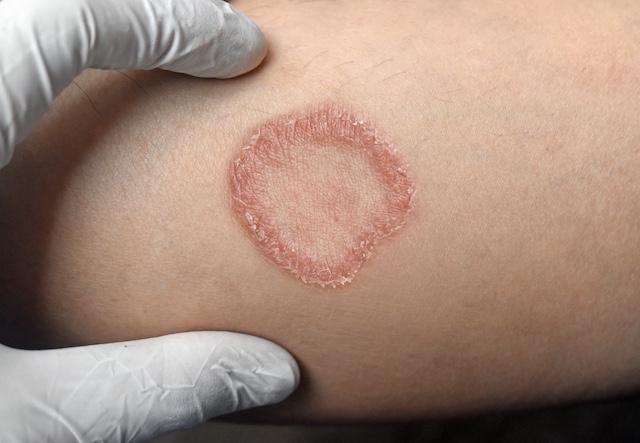
Fungal Disease Is Rising and Underdiagnosed – Can AI Help Close the Gap?
Key Takeaways:
- Fungal diseases affect more than 300 million people each year and are linked to over 3.75 million deaths annually, yet they remain historically underrecognised, difficult to diagnose and poorly tracked compared with viral and bacterial infections.
- A World Health Organization (WHO) blueprint released in June 2026 sets out a framework for countries to raise awareness, build laboratory and surveillance networks, stimulate research and improve access to diagnosis and treatment.
- Australian researchers are finalising an automated surveillance platform that uses AI to extract evidence of fungal disease from electronic medical records, with the biggest obstacle being the standardisation of clinical annotations rather than the technology itself.
A threat that has grown in the shadows
Fungal disease and antifungal resistance are growing global threats that have long sat at the margins of public health planning. They are difficult to detect, difficult to track and, until recently, have attracted comparatively little policy attention. That is beginning to shift, driven by two parallel developments: a new international policy framework and a set of digital health initiatives designed to make fungal infection visible in routine clinical data.
The scale of the problem is substantial. More than 300 million people are affected by fungal diseases every year, and over 3.75 million people die annually. Among patients who are immunocompromised, invasive fungal infections are the “leading cause of mortality and morbidity”, according to a 2025 WHO report.
In recent years, the number of new infections, and especially antifungal-resistant infections, has doubled. Two environmental drivers are implicated. As the climate warms, fungi are adapting to survive at higher temperatures, narrowing the thermal barrier that has historically protected humans from many environmental fungi. Increased flooding events have also contributed to mould growth, which in turn leads to disease spread. A third driver sits outside the clinical environment altogether: the use of fungicides on agricultural crops is a major cause of antifungal resistance encountered in healthcare settings, because agricultural compounds and clinical antifungals share overlapping mechanisms of action.
Despite rising prevalence, fungal infections are still not as common as viral infections, so far fewer diagnostic tools have been developed to test for them. With relatively fewer resources allocated to fungal disease research, surveillance and response, fungal diseases also lag behind bacterial infections in terms of treatment options. Recent policy developments and digital health initiatives are working to change this.
Why fungal diseases are difficult to diagnose and treat
One of the biggest challenges to fungal disease preparedness is underdiagnosis, which makes research, surveillance and response considerably more difficult. Without a diagnosis, there is no case to count, and without counted cases there is no evidence base to justify investment.
“If we don’t have good diagnostic tests, these diseases don’t exist because we don’t know who has them,” said Tom Chiller, MD, former chief of the Mycotic Diseases Branch at the Centers for Disease Control and Prevention.
Chiller adds that diagnosing fungal disease is inherently difficult because fungal cells look similar to human cells, making it challenging to develop a diagnostic test sensitive enough to tell the difference. Fungi are also everywhere around us, in their billions. Exposure is “near universal”, and it is hard to distinguish the colonies that are causing disease from those that are entirely harmless. A positive result, in other words, does not automatically indicate infection.
That same cellular similarity creates a second problem at the point of treatment. Because fungal cells so closely resemble human cells, it remains very challenging to kill one type of cell without also damaging the other, which makes treatment toxicity a major issue for the patients who most need therapy.
There is also the matter of range. Only three major classes of antifungal drugs are available – azoles, echinocandins and polyenes – so resistance carries disproportionate consequences. When a fungal pathogen becomes resistant, there are simply fewer tools left in the toolbox.
New antifungal agents in development
Encouragingly, several new antifungal drugs are at various stages of development and investigation, and may help to address resistance. Oteseconazole and rezafungin have received US Food and Drug Administration approval in recent years, building on the existing antifungal classes and expanding the available arsenal. Two newer treatments, olorofim and fosmanogepix, represent entirely new classes and will hopefully be approved in the coming years. New classes matter more than new agents within existing classes, because they offer options where cross-resistance is less likely.
A blueprint for improving antifungal care
While millions of fungi exist, only a few hundred can cause disease in humans. Some of the most common and well-known fungal diseases include ringworm, vaginal yeast infections, athlete’s foot, skin infections such as sporotrichosis, and mould infections such as aspergillosis, as well as invasive infections including cryptococcal meningitis and candidiasis.
The most dangerous fungal disease is multidrug-resistant Candida auris, which was first identified in a Japanese hospital in 2009 and has been found fatal in 29% to 62% of cases.
Without surveying when these conditions are diagnosed and treated, there can be no accurate picture of which diseases are most prevalent, or of when they become resistant to available antifungal treatments. Stewardship programmes designed to protect against resistance also remain weak and limited in scope, particularly in underresourced countries.
Recognising this gap, the WHO released a new blueprint in June 2026 to help countries begin to create uniform tools to respond to the growing public health threat of fungal disease and antifungal resistance. The report provides a framework with recommendations to guide implementation across four areas: increasing awareness and strengthening public health initiatives; building laboratory networks and surveillance systems; stimulating research and improving access to diagnosis and treatment; and addressing the factors that contribute to disease and resistance.
It also aims to support countries in their disease response and to make more fungal diseases reportable to public health officials. Across the United States, for example, reporting priorities vary between states, and the only fungal diseases prioritised as legally reportable nationally are coccidioidomycosis (Valley fever) and Candida auris – a small fraction of those that can affect human health.
Chiller said he hopes the report will draw more attention to both the prevalence and the morbidity of these infections in order to improve available funding. Increased resources would be particularly useful for investing in new treatments to stave off antifungal resistance.
A digital platform for fungal disease and antifungal resistance surveillance
Alongside the policy work, Australian researchers are in the final stages of launching an automated fungal infection surveillance platform that will digitally survey fungal disease across the continent.
The digital platform, called the Design Thinking Framework, was built from a review of multiple sources of clinical information across a wide array of healthcare settings in Melbourne. It extracts information from electronic medical records (EMRs) using AI trained to detect episodes of fungal disease even when the diagnosis is not explicitly recorded. The tool will also provide a web-based platform accessible to physicians so that they can properly report future episodes of fungal disease and resistance.
Vlada Rozova, PhD, a senior lecturer in AI in Health at Monash University, who originally led the project at the University of Melbourne, said the Design Thinking Framework will be helpful in monitoring what is being prescribed for fungal diseases across a range of hospitals, in order to understand when prescribing leads to resistance and what can be done to reduce it, while also identifying which treatments are most effective for patients.
“It will help clinicians to better evaluate the therapies that they’re providing their patients to know what’s necessary and in what particular types of patients certain antifungal agents are most effective,” said Rozova.
Why the hardest problem is human, not technical
The biggest challenge for Rozova and her colleagues has not been the algorithm. It has been standardising clinical annotations to ensure that reports are consistent across the platform. Getting clinicians to agree on which notes within EMRs indicate fungal disease, and which indicate resistance, has been and will continue to be a complex task, because humans, unlike machines, are not standardised.
“If we can’t get humans to agree on what a fungal disease is, we can’t train a machine to look for it,” said Rozova.
This is a familiar theme across clinical AI. Tools that read free-text records depend on consistent human documentation and shared definitions, which is why clinicians increasingly need a working understanding of how these systems are built, what they can reasonably infer and where they are likely to fail. Practitioners looking to develop that grounding often begin with structured CPD, such as the College of Contemporary Health’s AI Essentials for Primary Care short course, which introduces how AI-driven tools are being applied in clinical practice and how to appraise them critically.
Looking ahead
Increased awareness will hopefully bring increased agreement. With guidance from global bodies such as the WHO, and with new digital surveillance platforms of the kind being finalised in Australia, the global response to fungal infections and antifungal resistance stands to be meaningfully strengthened – provided the diagnostic, documentation and funding gaps are addressed in parallel.
CCH insight
Digital surveillance tools are only as reliable as the clinical documentation that feeds them, and clinicians are increasingly being asked to work alongside AI systems rather than simply receive their outputs. Our CPD-accredited short course AI Essentials for Primary Care is designed for healthcare professionals who want a practical, jargon-free grounding in how these technologies work and how to evaluate them in day-to-day practice.
Explore AI Essentials for Primary Care →
Source: JMIR Publications
Read More
When the Diagnosis Arrives by App: Why Most Patients Still Want a Human Voice
Key Takeaways:
- In a UT Southwestern survey of more than 2,400 people diagnosed with cancer, 75% said they would prefer to receive the news directly from their physician – in person or by telemedicine – rather than through an electronic patient portal.
- More than half of those who first learned of their diagnosis via the portal were alone at the time, often without support from a clinician or family member.
- Researchers are calling for a more personalised approach, including better portal notification settings, tiered or delayed release of sensitive findings, and plain-language summaries of radiology and pathology reports.
A digital convenience with an emotional cost
Electronic patient portals have transformed how quickly people can see their own test results. For routine bloodwork or a clear scan, near-instant access is a welcome convenience. But the same speed raises a difficult question for clinicians: how should a new cancer diagnosis be communicated when a patient can open the result on a phone before anyone has had the chance to talk it through?
That tension has grown sharper since 2021, when a provision of the 21st Century Cures Act came into force in the United States. The regulation requires that patients have timely, unrestricted access to their electronic health information – which, in practice, means a growing number of people are discovering a new or recurrent cancer diagnosis through their portal, sometimes with no clinician present to interpret it or answer the questions that immediately follow.
What the UT Southwestern survey found
A new survey carried out at UT Southwestern Medical Center suggests that, for most people facing a cancer diagnosis, faster is not better. The findings, published in JAMA Network Open, show that 75% of respondents would prefer to learn about a cancer diagnosis directly from their physician, whether in person or through a telemedicine appointment.
The 2025 survey gathered responses from more than 2,400 people who were diagnosed with cancer at the Harold C. Simmons Comprehensive Cancer Center between 2019 and 2023, giving the researchers a substantial real-world picture of how patients want sensitive results delivered.
According to the study’s lead author, Sheena Bhalla, M.D., Assistant Professor of Internal Medicine in the Division of Hematology and Oncology and a medical oncologist at the Simmons Cancer Center, the broad enthusiasm for digital access does not extend neatly to oncology. “While most patients in the general population appreciate rapid electronic access to test results, the situation for patients with cancer is much more nuanced,” she said. “Learning about a cancer diagnosis without the ability to immediately ask questions or discuss next steps with a trusted clinician can add to the significant stress, uncertainty, and fear that patients experience.”
Preferences are not one-size-fits-all
The survey also revealed that there is no single right way to share a result. Preferences varied according to people’s prior experiences, how frequently they used their portal, and their demographic characteristics. Men, for instance, were more likely than women to prefer learning of a diagnosis through the portal.
For senior author David Gerber, M.D., Professor of Internal Medicine in the Division of Hematology and Oncology and of Epidemiology in the Peter O’Donnell Jr. School of Public Health, and co-Director of the Simmons Cancer Center Office of Education and Training, that variation is precisely the point. “These findings highlight the need for a more personalized, tailored approach to communicating sensitive and life-changing results,” he said. “Moving beyond a one-size-fits-all approach can help clinicians provide a more thoughtful, compassionate patient experience.”
The hidden consequence: facing the news alone
Perhaps the most striking insight concerns the circumstances in which people are receiving these results. Among those who learned of their diagnosis through the portal, more than half reported that they were alone when they read it.
Dr Bhalla described this as one of the most troubling side effects of real-time access. “That’s one of the most unintended consequences of real-time access,” she said. “Patients are often alone without support from their physician or family at one of their most vulnerable moments.”
Possible solutions for clinicians and health systems
The researchers are clear that the answer is not to roll back access, but to design around it more thoughtfully. They point to several potential measures, including raising awareness among both clinicians and patients of the portal notification settings already available; developing tiered or delayed-release approaches for particularly sensitive findings; and integrating supportive digital tools such as plain-language summaries for radiology and pathology reports.
Policy is beginning to catch up. Since the Cures Act took effect, three states – including Texas – have enacted laws permitting the delayed portal release of cancer-related and other sensitive results, giving care teams a window to reach out before a patient is left to interpret difficult news on their own.
Looking ahead
For the study’s authors, the work is a starting point rather than a conclusion. “Further study and increased interdisciplinary collaboration among oncology clinicians, health services researchers, and digital health experts can help us better understand how patients receive and react to cancer diagnoses,” Dr Bhalla said. “Our goal is to increase awareness of this issue and help drive innovative approaches to patient-centered communication.”
Source: UT Southwestern Medical Center
Read More