

Almost a Quarter of UK GPs Report Obesity in Children Aged Four and Under
Key Takeaways:
- Nearly one in four UK GPs report seeing children aged four and under where obesity is a clinical concern, with cases identified even in infancy.
- Most GPs find conversations about weight with children and parents difficult, citing fear of distress, stigma and complaints.
- The survey also raises concerns about inappropriate private access to GLP-1 weight loss medicines among adults who do not meet eligibility criteria.
Growing concern among family doctors
Almost a quarter of UK general practitioners report seeing children aged four or under who are living with obesity, according to a new survey of family doctors. The findings point to what respondents described as an “alarming” escalation of childhood obesity presenting at ever younger ages.
The research found that almost half of GPs, 49 per cent, have seen boys and girls up to the age of seven with obesity, including a small number of children younger than one year old. These early presentations raise concerns about long-term health consequences and the pressures faced by primary care clinicians in addressing weight sensitively and effectively.
Survey scope and headline findings
The survey, conducted by MDDUS, asked 540 family doctors about their experiences of managing obesity, the rapid growth in the use of weight loss medications, and the implications of widespread overweight and obesity for the NHS.
Almost one in four respondents, 23 per cent, said they had seen children aged zero to four where obesity was a clinical concern. Across childhood more broadly, 81 per cent of doctors reported seeing obesity in children between the age of 12 months and 11 years.
Dr John Holden, chief medical officer at MDDUS, said:
“These findings are an alarming confirmation of the growing crisis of childhood obesity across the country and the very real difficulties this creates in everyday GP consultations.”
Challenges of discussing weight with families
Despite the scale of the issue, most GPs reported significant difficulty in raising concerns about weight with children and their families. Four in five doctors, 80 per cent, said they find it somewhat or very challenging to talk to the parents of a child under 16 living with obesity about their weight and health. Only 10 per cent said they found such conversations easy.
Nearly two thirds of respondents, 65 per cent, also reported difficulty speaking directly with young people themselves about weight, with just 20 per cent describing those discussions as easy.
Doctors cited multiple reasons for this hesitation. Conversations with parents are often constrained by concerns that parents may become upset, reported by 72 per cent, angry, reported by 47 per cent, or may make a complaint, reported by 24 per cent. A further 74 per cent worried that such discussions could cause shame or stigma. Similar concerns were reported when speaking with children, including fears that conversations about weight could contribute to disordered eating behaviours.
Building confidence in these delicate conversations is the focus of professional training such as the College of Contemporary Health’s Behaviour Change Skills: Person-Centred Communication, a CPD-accredited online short course.
The wider determinants of childhood obesity
Respondents highlighted that obesity is shaped by complex and interrelated factors, including poverty, limited access to nutritious food, and fewer safe or affordable opportunities for children to be physically active. These realities, the survey suggests, shape how GPs approach discussions about weight.
Dr Holden said GPs therefore approach these conversations “with care and empathy for families under pressure”. He added:
“When parents feel judged or blamed, conversations can quickly become emotionally charged and, as our members tell us, can lead to complaints from distressed or angry parents.”
Calls for stronger prevention measures
Katharine Jenner, executive director of the Obesity Health Alliance, said the findings underline a failure to protect children early in life.
She said that the high numbers of GPs seeing infants and very young children with obesity “is another sign we’re letting children down before they even start school. If we’re serious about prevention, it has to begin in the earliest years, otherwise the damage follow them through life.”
Jenner called for a stronger focus on prevention, including reformulation of food and drink products to improve their nutritional quality, tighter restrictions on the marketing of products high in fat, salt and sugar, and better support for families facing structural and financial barriers to healthy eating.
Concerns over private access to weight loss drugs
Alongside childhood obesity, the survey also explored GP experiences of adult patients using weight loss medications inappropriately. Doctors reported that some adults who should not be using GLP-1 weight loss drugs are obtaining them through deception from private pharmacies.
These include people with eating disorders, such as anorexia or bulimia, and people already taking other medications that could interact adversely with so-called “fat jabs” and pose risks to their health.
It is estimated that around 1.5 million people in Britain are using GLP-1 medicines for weight loss, the majority having obtained them privately rather than through the NHS, where eligibility criteria are strict.
One GP told the survey that GLP-1s are being “accessed privately pretty indiscriminately by many people whose body mass index is not in the obese category”. Another described a patient with a history of anorexia nervosa who had also obtained the drugs privately. Overall, 67 per cent of family doctors said they had seen patients using GLP-1s despite not meeting eligibility rules.
These findings raise questions about how rigorously private pharmacies are carrying out appropriate checks, including assessments of medical history and potential drug interactions, before supplying weight loss medications.
Implications for the NHS and future care
The vast majority of GPs surveyed said obesity is likely to be a defining public health challenge during their careers, with 92 per cent agreeing with that statement. An even higher proportion, 95 per cent, believe obesity will significantly affect the NHS’s ability to deliver care.
However, views on weight loss injections were more mixed. While 59 per cent of respondents believe such medications will ultimately save the NHS money, 22 per cent disagreed.
Government response
The Department of Health and Social Care did not comment directly on the survey findings. A spokesperson said:
“Every child deserves the best possible start in life, which is why this government is taking decisive action to tackle childhood obesity.
“We are restricting junk food advertising on television before 9pm and online, a move expected to remove up to 7.2bn calories per year from children’s diets; while giving local authorities new powers to stop fast food shops opening outside schools.
“Through our ten-year health plan, we’re shifting the focus from sickness to prevention to create a healthier nation.”
CCH insight:
This study highlights the considerable challenges that primary care practitioners face in addressing obesity in young children. It is a very sensitive issue, and there may also be cultural attitudes that see overweight children as beautiful or healthy. Unfortunately, healthcare professionals in the UK are not trained to deal with obesity and the unique challenges it presents. It requires a very sensitive approach, communicating with parents in a non-judgemental way, highlighting the role of the obesogenic environment and finding ways to support behaviour change at a family level. On the positive side, if this can be achieved, an entire family can benefit from these interventions, not just the child with excess weight an entire family can benefit from these interventions, not just the child with excess weight. Because so much rests on how these conversations are handled, CCH’s Behaviour Change Skills: Person-Centred Communication CPD short course (2 CPD hours, fully online, CPD-accredited) gives healthcare professionals a practical, evidence-based foundation in person-centred communication – helping them raise sensitive issues like weight with patients and families supportively and without judgement.
Explore Person-Centred Communication →

Manchester Launches Landmark Five-Year Mounjaro Trial to Assess Real-World Outcomes
Key Takeaways:
- A five-year real-world trial in Greater Manchester will evaluate the long-term health, employment, and quality-of-life effects of the anti-obesity medication tirzepatide.
- Up to 3,000 people will participate, with recruitment taking place through GP practices to reflect everyday clinical conditions.
- The study is part of a £279 million partnership between Eli Lilly and the UK government aimed at addressing obesity and improving population health.
Introduction: A major real-world test of tirzepatide
A five-year clinical study has begun in Greater Manchester to examine the real-world effectiveness of the anti-obesity medication tirzepatide, marketed in the United Kingdom as Mounjaro. The trial aims to understand how the treatment affects long-term health outcomes when delivered through primary care. The first participants have now been enrolled after visiting their GP, marking the formal start of the project.
Scope and scale of the trial
Up to 3,000 people are expected to take part in what is described as a first-of-its-kind real-world study. The trial forms part of a broader £279 million initiative jointly developed by US pharmaceutical company Eli Lilly and the UK government. The aim is to evaluate new ways of addressing major public health challenges, including obesity and related long-term conditions.
Professor Martin Rutter, professor of cardiometabolic medicine at the University of Manchester, emphasised the focus on early intervention. He explained that the research will assess “how effective early intervention is in tackling obesity”, and will examine a wide range of clinical and social outcomes.
What is tirzepatide?
Tirzepatide is an injectable medication that works by mimicking a hormone that helps people feel fuller for longer, thereby suppressing appetite. While marketed as Mounjaro in the UK, it is sold under the brand name Zepbound in the United States.
Clinical trials have previously shown that people receiving Mounjaro experienced up to 20 percent weight loss after 72 weeks of treatment. The Greater Manchester study will build on this evidence by measuring how the medication performs in routine practice rather than controlled trial conditions.
Real-world outcomes beyond weight
A distinctive feature of the trial is its focus on long-term and practical indicators of wellbeing. Researchers will assess health metrics but will also study broader outcomes such as employment status, sick-day absences, and quality of life. These measures are particularly relevant given the significant economic and social impact of obesity.
According to Health Secretary Wes Streeting, illnesses linked to obesity currently cost the NHS £11 billion annually. In Greater Manchester alone, approximately 600,000 adults live with obesity, said Mark Fisher, chief executive officer of the NHS Greater Manchester Integrated Care Board.
A 2023 report by Health Innovation Manchester also estimated that obesity costs the region more than £3 billion each year when NHS treatment, social care, and the impact on quality of life are taken into account.
Role of primary care in the study
The trial is major in part because it is being delivered through GP practices, providing insights into how tirzepatide performs when prescribed in everyday settings. Dr Imran Ghafoor, GP Partner at Peterloo Medical Centre in Middleton, highlighted the importance of local trust and accessibility. He stated that patients see their GP practice as a “familiar and accessible space”, adding that the research will help “test solutions tailored to real lives”.
As medications like tirzepatide move further into everyday primary care, building healthcare professionals’ understanding of how these drugs work and where they fit in treatment pathways is the focus of professional training such as the College of Contemporary Health’s GLP-1RAs in Focus, a CPD-accredited online short course.
A diverse participant group
Professor Rutter, who also serves as the trial’s chief investigator, noted that the study intends to evaluate the medication’s health effects “in a diverse group of individuals”. This emphasis on diversity aims to ensure that the findings reflect the varied experiences of people living with obesity across the region.
CCH insight
Trials like this reflect how central GLP-1 medications have become to obesity care in everyday primary care – and how much rests on the professionals delivering them understanding the science behind them. CCH’s GLP-1RAs in Focus – Why Drugs Like Ozempic Work CPD short course (2 CPD hours, fully online, CPD-accredited) gives healthcare professionals, whether or not they prescribe, a clear grounding in how drugs like tirzepatide work, where they fit in NHS treatment pathways, and how to weigh the evidence with confidence.
Explore GLP-1RAs in Focus →
Childhood Obesity in England Reaches Highest Level Since Pandemic, New Data Reveal
Key Takeaways:
- One in ten children aged four to five in England are living with obesity, the highest rate since the COVID-19 pandemic.
- Teachers warn that poverty, limited access to nutritious food, and cuts to school sport funding are fuelling the crisis.
- Nearly all teachers agree that healthy eating improves pupil focus, energy, and behaviour, yet many report children arriving at school hungry.
Childhood obesity at record levels outside pandemic years
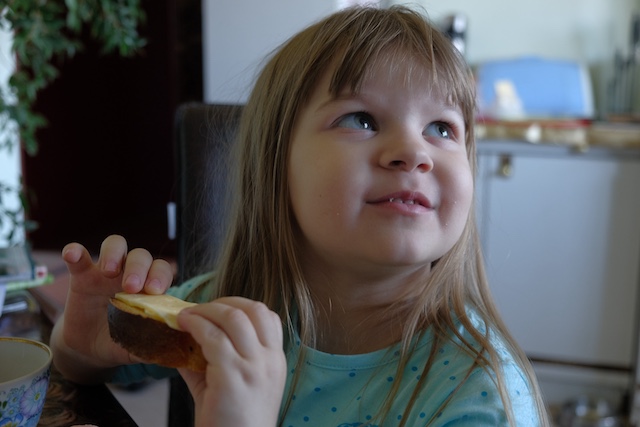
Newly released data from the National Child Measurement Programme (NCMP) show that 10.5% of children aged four to five (Reception year) in England are living with obesity – the highest prevalence recorded outside of the pandemic period.
The NCMP, which annually measures the height and weight of primary school pupils, also found that more than one in five pupils in Year 6 (aged 10–11) are living with obesity. The findings indicate that boys are more likely to be overweight or obese than girls.
In Reception year, 13% of children were classified as overweight, meaning that almost one in four children in this age group are either overweight or living with obesity.
Excluding the sharp increase seen during the first year of the COVID-19 pandemic, these figures represent the highest obesity prevalence in Reception year since records began in 2006–07 and mark a rise from 9.6% in 2023–24.
Schools feeling the strain
Lee Parkinson MBE, a primary school teacher from Manchester, said that systemic factors and funding cuts have worsened the situation.
“After the 2012 Olympics, school sport funding was cut, and the promise to ‘inspire a generation’ faded fast due to austerity measures,” he explained.
“Many primary schools lost specialist PE teachers and local competitions, and PE time is often squeezed as pressures on the timetable grow. You cannot separate childhood obesity from poverty either.
“Schools play their part through PE and lessons about healthy lifestyles, but they cannot solve this alone. We need to reinvest in early years support, rebuild affordable community sport, and make healthy choices realistic for all families, not just the privileged few.”
The link between nutrition, learning, and behaviour
A related report on children’s nutrition found that 94% of teachers believe healthy eating improves children’s behaviour. Teachers observed that better nutrition had tangible effects on classroom dynamics – with pupils demonstrating sharper focus, more energy, and improved behaviour.
The report underscored that nutritious food at school is not only essential for health and wellbeing but also for learning outcomes.
Hunger and food insecurity
Research from the Trussell Trust highlighted that around 9.3 million people in the UK, including three million children, experience food insecurity. Currently, one in four children under the age of five are at risk of needing to use a food bank.
Mr Parkinson reflected on the impact of poverty on pupils’ concentration: “Obviously with the poverty element, if children are coming into school hungry it will make it harder for them to concentrate.”
This problem is often exacerbated during school holidays, when free school meals are unavailable. Last summer, one in 12 parents reported that their children had to miss meals due to financial difficulties.
Mr Parkinson added: “I do not know if it is lack of knowledge or the fact that unhealthy food is easier to access or what families can afford. When parents are working long hours and struggling to make ends meet, healthy living becomes another impossible task.”
Teachers filling the gap
The majority of teachers (88%) said they had witnessed children arriving at school hungry, with 66% reporting that they had brought in food from home or purchased healthy food for pupils themselves.
Nearly all teachers surveyed (98%) agreed that nutrition forms a vital foundation for learning. However, 83% said it can be challenging to inspire children to make healthy eating choices, particularly when access to nutritious food is inconsistent outside of school.
Measuring the scale
In total, 1.1 million children across state-maintained schools were measured as part of the NCMP data collection for 2024–25.
Public health experts warn that the findings underline an urgent need for coordinated national action to address the intertwined challenges of obesity, poverty, and food insecurity among children in England.
Read More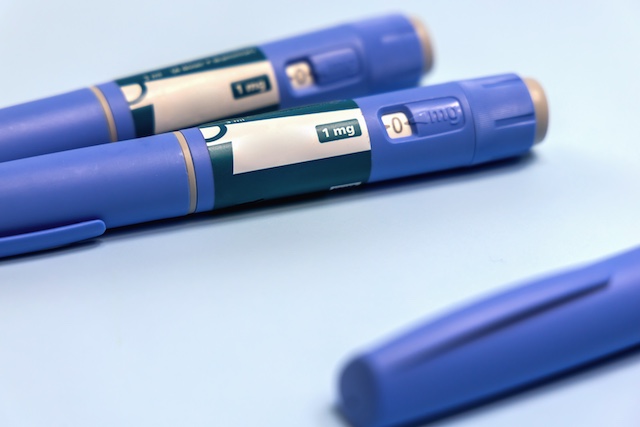
Thousands in Scotland’s Poorest Areas to Receive Free Weight-Loss Jabs in Landmark Obesity Study
Key Takeaways:
- Up to 5,000 adults living with obesity in Scotland’s most deprived areas will receive free weight-loss injections through the new Scotland CardioMetabolic Impact Study (SCoMIS).
- The multi-million-pound research, led by the University of Glasgow, aims to test the real-world delivery and impact of incretin-based therapies in NHS care.
- The study seeks to reduce health inequalities, improve quality of life, and lessen the long-term burden of obesity on individuals and the NHS.
Landmark initiative targets obesity in Scotland’s most deprived communities
Thousands of people from some of Scotland’s most economically deprived areas will soon be offered free weight-loss injections as part of a major UK government-funded study. The initiative, known as the Scotland CardioMetabolic Impact Study (SCoMIS), will recruit between 3,000 and 5,000 participants living with obesity to test how new weight-loss medicines can be delivered effectively and fairly in everyday NHS care.
The research is being led by the University of Glasgow and is backed by an initial £650,000 in funding from the UK government. If successful, it could pave the way for a wider rollout of the medicines across the country, offering a model for addressing both obesity and health inequality.
How the jabs work
The injections mimic or enhance the effects of naturally occurring hormones called incretins, which help control blood sugar levels. These hormones act on areas of the brain that regulate hunger and appetite and can also slow down how quickly the stomach empties. Together, these effects may support people living with obesity to better manage their eating habits and achieve sustained weight loss.
A national effort to reduce health inequality
Dr Zubir Ahmed, UK Health Innovation Minister, said:
“As a practising NHS surgeon and Glasgow MP, I know firsthand the impact of the obesity crisis that plagues Scotland – and the litany of health problems it leads to. More than 1 in 3 adults in Scotland’s most deprived areas are living with obesity. The UK government is committed to tackling inequality wherever it finds it in our country. It’s why this landmark UK government investment is targeting help where it’s needed most in Scotland and meeting people where they are and backing helping the NHS services they trust to treat them.”
Obesity is one of the leading contributors to long-term illness, including heart disease, type 2 diabetes, and several cancers. By addressing obesity through targeted intervention, the UK government hopes to help millions live longer, healthier lives while reducing the strain on the NHS and saving billions in healthcare costs each year.
Study objectives
The SCoMIS trial will evaluate several key areas of impact:
- Delivery: How weight-loss medicines can be integrated into everyday NHS care, especially within community and primary care settings.
- Outcomes: The degree of weight loss achieved and improvements in quality of life, particularly among people from disadvantaged areas.
- Health impact: The effects on obesity-related conditions, NHS service use, and healthcare expenditure.
- Social benefits: Whether improved health through weight loss can help individuals remain in work, reduce sick leave, and participate more fully in society.
Leading experts and national collaboration
Professor Jason Gill, Professor of Cardiometabolic Health at the University of Glasgow and the lead investigator, said:
“While tackling obesity requires multifactorial public health action, incretin therapies add a powerful new tool to the national obesity strategy. The burden of obesity is greatest in the most deprived segments of society and the status quo risks widening health inequalities. SCoMIS aims to be a landmark real-world study evaluating a new model of obesity care, providing incretin treatment via primary and community care to Scottish adults living with obesity, with a focus on those in the most economically deprived communities.”
Equipping the primary and community care teams who will deliver these treatments is where professional training comes in, such as the College of Contemporary Health’s GLP-1RAs in Practice: Prescribing, a CPD-accredited online short course covering the safe, confident prescribing of incretin-based medicines.
The project is being developed in collaboration with the Universities of Dundee and Edinburgh, industry partners Novo Nordisk and IQVIA, and clinical leaders across Scotland. The consortium will also explore how AI-driven digital technologies can improve patient access, engagement, and data collection throughout the study.
Supporting innovation and evidence-based care
Jenni Minto, Scottish Minister for Public Health, highlighted Scotland’s leadership in advancing obesity research:
“This study places patients and communities at the heart of cutting-edge research into weight-loss medicines, ensuring we build the evidence needed to deliver the greatest benefit to those who need it most.”
UK Science Minister Lord Vallance also praised Scotland’s role in global medical innovation:
“Scotland has always been at the forefront of medical innovation and public health, and this initiative is further proof of the world-class expertise that can be found here. By learning how these weight-loss medicines work, and how we can support them to reach our most deprived areas, we can slash health inequalities in Scotland and the rest of the UK so that our obesity strategy delivers a real, lasting change.”
Looking ahead
Set to launch next year, the SCoMIS study represents one of the most ambitious real-world obesity trials in the UK to date. Its outcomes are expected to shape future national strategies on obesity care, providing a template for equitable access to advanced weight-loss treatments and supporting a healthier, more inclusive society.
CCH insights
This study is very much welcomed, although arguably long overdue. Obesity and associated diseases, most notably type 2 diabetes and cardiovascular disease, are most prevalent in communities with high levels of deprivation, and are a huge cost to the NHS. People in these communities living with obesity should be prioritised in terms for GLP-1 therapy, as this should help to drive down health inequalities and provide massive future financial savings for the health service and provide massive future financial savings for the health service. Realising that potential depends on the primary and community care teams delivering these medicines being properly equipped: CCH’s GLP-1RAs in Practice: Prescribing CPD short course (2 CPD hours, fully online, CPD-accredited) gives prescribers everything they need to use incretin-based medications safely and confidently, from patient selection and initiation through to titration and side-effect management.
Explore GLP-1RAs in Practice: Prescribing →