Thousands in Scotland’s Poorest Areas to Receive Free Weight-Loss Jabs in Landmark Obesity Study
Key Takeaways:
- Up to 5,000 adults living with obesity in Scotland’s most deprived areas will receive free weight-loss injections through the new Scotland CardioMetabolic Impact Study (SCoMIS).
- The multi-million-pound research, led by the University of Glasgow, aims to test the real-world delivery and impact of incretin-based therapies in NHS care.
- The study seeks to reduce health inequalities, improve quality of life, and lessen the long-term burden of obesity on individuals and the NHS.
Landmark initiative targets obesity in Scotland’s most deprived communities
Thousands of people from some of Scotland’s most economically deprived areas will soon be offered free weight-loss injections as part of a major UK government-funded study. The initiative, known as the Scotland CardioMetabolic Impact Study (SCoMIS), will recruit between 3,000 and 5,000 participants living with obesity to test how new weight-loss medicines can be delivered effectively and fairly in everyday NHS care.
The research is being led by the University of Glasgow and is backed by an initial £650,000 in funding from the UK government. If successful, it could pave the way for a wider rollout of the medicines across the country, offering a model for addressing both obesity and health inequality.
How the jabs work
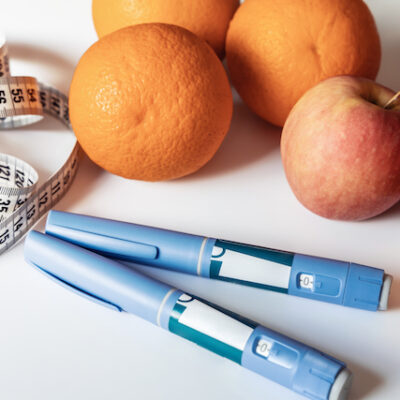
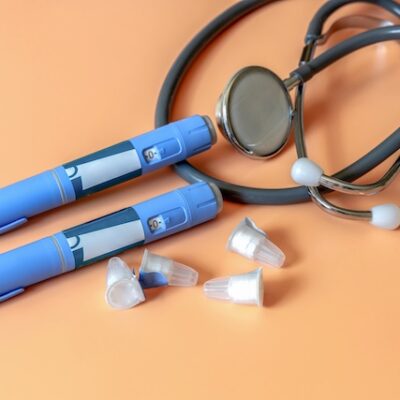
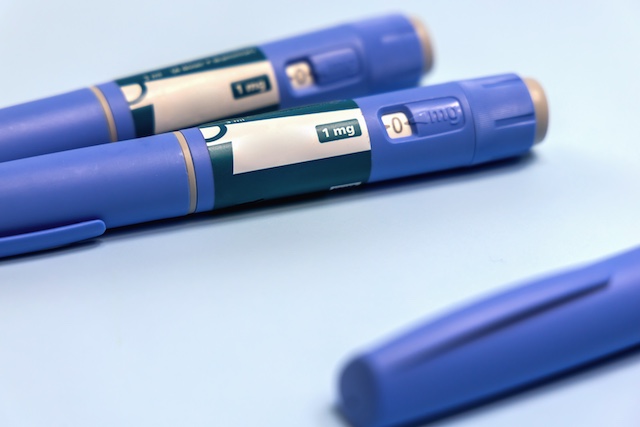
The injections mimic or enhance the effects of naturally occurring hormones called incretins, which help control blood sugar levels. These hormones act on areas of the brain that regulate hunger and appetite and can also slow down how quickly the stomach empties. Together, these effects may support people living with obesity to better manage their eating habits and achieve sustained weight loss.
A national effort to reduce health inequality
Dr Zubir Ahmed, UK Health Innovation Minister, said:
“As a practising NHS surgeon and Glasgow MP, I know firsthand the impact of the obesity crisis that plagues Scotland – and the litany of health problems it leads to. More than 1 in 3 adults in Scotland’s most deprived areas are living with obesity. The UK government is committed to tackling inequality wherever it finds it in our country. It’s why this landmark UK government investment is targeting help where it’s needed most in Scotland and meeting people where they are and backing helping the NHS services they trust to treat them.”
Obesity is one of the leading contributors to long-term illness, including heart disease, type 2 diabetes, and several cancers. By addressing obesity through targeted intervention, the UK government hopes to help millions live longer, healthier lives while reducing the strain on the NHS and saving billions in healthcare costs each year.
Study objectives
The SCoMIS trial will evaluate several key areas of impact:
- Delivery: How weight-loss medicines can be integrated into everyday NHS care, especially within community and primary care settings.
- Outcomes: The degree of weight loss achieved and improvements in quality of life, particularly among people from disadvantaged areas.
- Health impact: The effects on obesity-related conditions, NHS service use, and healthcare expenditure.
- Social benefits: Whether improved health through weight loss can help individuals remain in work, reduce sick leave, and participate more fully in society.
Leading experts and national collaboration
Professor Jason Gill, Professor of Cardiometabolic Health at the University of Glasgow and the lead investigator, said:
“While tackling obesity requires multifactorial public health action, incretin therapies add a powerful new tool to the national obesity strategy. The burden of obesity is greatest in the most deprived segments of society and the status quo risks widening health inequalities. SCoMIS aims to be a landmark real-world study evaluating a new model of obesity care, providing incretin treatment via primary and community care to Scottish adults living with obesity, with a focus on those in the most economically deprived communities.”
Equipping the primary and community care teams who will deliver these treatments is where professional training comes in, such as the College of Contemporary Health’s GLP-1RAs in Practice: Prescribing, a CPD-accredited online short course covering the safe, confident prescribing of incretin-based medicines.
The project is being developed in collaboration with the Universities of Dundee and Edinburgh, industry partners Novo Nordisk and IQVIA, and clinical leaders across Scotland. The consortium will also explore how AI-driven digital technologies can improve patient access, engagement, and data collection throughout the study.
Supporting innovation and evidence-based care
Jenni Minto, Scottish Minister for Public Health, highlighted Scotland’s leadership in advancing obesity research:
“This study places patients and communities at the heart of cutting-edge research into weight-loss medicines, ensuring we build the evidence needed to deliver the greatest benefit to those who need it most.”
UK Science Minister Lord Vallance also praised Scotland’s role in global medical innovation:
“Scotland has always been at the forefront of medical innovation and public health, and this initiative is further proof of the world-class expertise that can be found here. By learning how these weight-loss medicines work, and how we can support them to reach our most deprived areas, we can slash health inequalities in Scotland and the rest of the UK so that our obesity strategy delivers a real, lasting change.”
Looking ahead
Set to launch next year, the SCoMIS study represents one of the most ambitious real-world obesity trials in the UK to date. Its outcomes are expected to shape future national strategies on obesity care, providing a template for equitable access to advanced weight-loss treatments and supporting a healthier, more inclusive society.
CCH insights
This study is very much welcomed, although arguably long overdue. Obesity and associated diseases, most notably type 2 diabetes and cardiovascular disease, are most prevalent in communities with high levels of deprivation, and are a huge cost to the NHS. People in these communities living with obesity should be prioritised in terms for GLP-1 therapy, as this should help to drive down health inequalities and provide massive future financial savings for the health service and provide massive future financial savings for the health service. Realising that potential depends on the primary and community care teams delivering these medicines being properly equipped: CCH’s GLP-1RAs in Practice: Prescribing CPD short course (2 CPD hours, fully online, CPD-accredited) gives prescribers everything they need to use incretin-based medications safely and confidently, from patient selection and initiation through to titration and side-effect management.
Explore GLP-1RAs in Practice: Prescribing →