

كلية الصحة المعاصرة (CCH) بلندن تطلق أول دورة في التغذية وإدارة الوزن باللغة العربية بالشراكة مع الشركة الأمريكية المتحدة للخبراء (UNAMEX)، القاهرة
يسر كلية الصحة المعاصرة (CCH) أن تعلن عن إطلاق دورة عبر الإنترنت في التطوير المهني المستمر CPD “أساسيات التغذية وإدارة الوزن” باللغة العربية، بالتعاون مع شريكها في الشرق الأوسط، الشركة الأمريكية المتحدة للخبراء (UNAMEX).
وهذه هي المرة الأولى التي تقدم فيها كلية الصحة المعاصرة (CCH) إحدى دوراتها الرئيسية المتاحة للعاملين في مجال الرعاية الصحية في المنطقة، وتعتزم جعل جميع دوراتها في السمنة وإدارة الوزن متاحة باللغة العربية.
وقال جون فيني، المؤسس والرئيس التنفيذي لشركةCCH : “في عام 2020، تم الاتصال ب CCH من قبل فرع UNAMEX في القاهرة، وهي شركة راسخة منذ فترة طويلة في المنطقة بارزة في تقديم خدمات الأدوية والرعاية الصحية إلى الشرق الأوسط حيث توجد مشكلة رعاية صحية كبيرة مع السمنة والأمراض المرتبطة بها بما في ذلك مرض السكري من النوع 2، وارتفاع ضغط الدم، وأمراض القلب المزمنة، والعديد من أنواع السرطان، وهشاشة العظام.”
“.السمنة خارجة عن السيطرة في العديد من بلدان الشرق الأوسط، وللأسف، كما هو الحال في العديد من البلدان الغربية، لم يتم تدريب المتخصصين في الرعاية الصحية محليا بشكل كاف للتعامل مع المشكلة. توفر هذه الدورة، المتاحة حديثا باللغة العربية، أساسيات التغذية وإدارة الوزن، أساسا قويا للعاملين في مجال الرعاية الصحية لاكتساب المعرفة اللازمة للمساعدة في تصحيح هذا النقص. وقد أدى وصول وباء كوفيد-19 إلى تركيز هذا النقص في التدريب بشكل حاد حيث أن هناك أدلة واضحة على وجود صلة قوية بين السمنة وأمراضها المشتركة والتعرض للعدوى في كوفيد-19″.
وقال الدكتور خالد شرف، المدير العام لشركة UNAMEX: “لدى UNAMEX تاريخ طويل في تقديم المنتجات والخدمات المتقدمة من الدول الغربية إلى الشرق الأوسط من خلال مكتبنا في القاهرة”. “لقد خلصنا في السنوات الأخيرة إلى أن التطوير المهني المستمر (CPD) للعاملين في مجال الرعاية الصحية لدينا سيكون مجالا للفرص بالنسبة لنا، وقررنا أن مشروعنا الأولي في هذا المجال يجب أن يكون في مجال رعاية السمنة المتطور بسرعة حيث علمنا أنCCH ، ومقرها في لندن، كانت رائدة في هذا المجال. وقد انجذبنا بشكل خاص إلى قدرتهم القوية في التعلم عبر الإنترنت أيضا، مما يوفر للأطباء المشغولين وغيرهم من المتخصصين في الرعاية الصحية الوقت والراحة اللازمين لاكتساب المعرفة والمهارات الجديدة. وقد عملنا منذ ذلك الحين معا بشكل وثيق لتقديم هذه الدورة إلى جمهور جديد باللغة العربية ونحن فخورون جدا بالقيام بذلك”.
تقع كلية الصحة المعاصرة في لندن، ومنذ إنشائها في عام 2013 كانت رائدة في إدخال دورات دراسية متقدمة على الإنترنت في مجال رعاية السمنة وإدارة الوزن والصحة الرقمية وعلاجات تغيير السلوك.
تأسست UNAMEX في شيكاغو، إلينوي في عام 1981. في عام 1982، تم تأسيس فرع جديد في القاهرة، مصر. ثم، في عام 2006، تم إنشاء فرع آخر في هونغ كونغ.
UNAMEX هي شركة استشارية متخصصة في قطاع الأدوية والرعاية الصحية تركز بشكل رئيسي على مناطق أوروبا والشرق الأوسط. موظفو UNAMEX هم من كبار المهنيين البارزين في قطاع الرعاية الصحية مع خبرة واسعة في مجال الاستشارات ومشاريع أبحاث السوق.
لمزيد من المعلومات يرجى الاتصال
نيكولاس فيني في:
البريد الإلكتروني: [email protected]
الهاتف: +44 (0)20 3773 4895
الدكتور خالد شرف في :41 شارع الفلكى ، القاهرة
البريد الإلكتروني: [email protected]
الهاتف +201151288333:
Read More
Covid-19: One of the many Obesity related co-morbidities?
Thousands of academic articles have been published on Covid-19 over recent weeks, reflecting the amount of data being generated and the importance of finding ways to fight the SARS-CoV-2 virus. The more we learn about the disease, the more complex it appears to be, with as many questions as answers arising (1). However, one aspect of the disease is now quite well established – the major risk factors that make individuals more susceptible to severe Covid-19 illness. After advanced age and male sex, the major risk factors are obesity and other, related underlying health conditions such as hypertension, cardiovascular disease (CVD), type 2 diabetes (T2D) and respiratory diseases (2).
Obesity is a major risk factor for CVD, T2D, hypertension and many other serious conditions, including a number of cancers, and its role in the development of these diseases is the reason it is such a major public health concern. However, Covid-19 has cruelly exposed another health issue associated with obesity – increased susceptibility to infections, particularly respiratory infections. Individuals with obesity often have respiratory dysfunction due to the presence of large fat deposits around the chest and upper abdomen. This is characterised by altered respiratory mechanisms, increased airway resistance, impaired gas exchange and low lung volume and muscle strength (3). As a result, obesity increases the risk of contracting respiratory tract infections including influenza and pneumonia (4, 5).
In the 2009 Influenza A H1N1 pandemic, patients with obesity were disproportionately affected by the virus, with more than twice the mortality rate of people with normal weight (6). Although this was an influenza virus, not a coronavirus, this should nevertheless have been a warning sign that people with obesity are likely to be at greater risk during viral respiratory pandemics. This warning was enhanced by a later study which looked at the response to the H1N1 vaccine. People with obesity initially produced high levels of antibodies, but within 12 months their antibody titres had dropped significantly, and they had double the risk of contracting the virus (7). This suggests that obesity compromises the immune system and its ability to fight viral respiratory infections.
In the case of Covid-19, it is most likely that the impact of obesity on the severity of the disease is due primarily to immune system dysfunction. A range of functional abnormalities have been identified in obesity, but in viral infections the dysfunction of Natural Killer (NK) cells is particularly relevant as they are important in both the initial stage of infection and then clearing the virally infected cells (8). The low-grade, chronic inflammation caused by excess visceral adipose tissue surrounding vital organs in the abdominal cavity, which is implicated in cardiometabolic complications of obesity, has also been highlighted as a possible cause of the over-exaggerated immune response seen in many Covid-19 fatalities (9).
It has also been suggested that visceral adipose tissue may act as a ‘reservoir’ for Covid-19. Adipose tissue expresses the protein ACE2 which is the entry point for SARS-CoV-2 into cells, so it is feasible the virus could infect visceral adipose tissue which then becomes a reservoir for more extensive viral spread, increased viral shedding, immune activation, cytokine amplification and systemic tissue damage (10).
Research into this disease will be ongoing for many years, and it is important to elucidate the mechanisms by which obesity contributes to the severity of Covid-19 illness, in order to identify potential targets for treatment. Two relatively simple areas for investigation would be zinc deficiency and vitamin D deficiency. Both these nutrients are essential for effective regulation of the immune system, and obesity increases the risk of deficiency of both (11, 12). Testing patients for zinc and vitamin D status would therefore be warranted, so that deficiencies could be corrected. In addition to playing a vital role in immune function, zinc also acts intracellularly to inhibit the RNA polymerase enzyme which replicates viral RNA (13), so any deficiency in circulating zinc could hinder the body’s attempts to fight the virus.
While it is vital we understand as much as possible about this new virus and learn how we might be able to minimise the impact of similar future outbreaks, it is arguably even more important to renew and re-invigorate our efforts to tackle obesity. We need to reduce obesity rates, not just to help limit the impact of future pandemics, but also to reduce the devastating effects of CVD, T2D and other obesity-related illnesses on the health and well-being of the millions of people with obesity, and ease the burden these diseases place on our healthcare systems. Unfortunately, healthcare professionals are not generally well trained to manage patients with obesity. A 2015 analysis of the NHS workforce estimated that fewer than 0.1% had received any specialised obesity training (14), which may be due to the fact obesity is not considered a disease in the UK. In the US, where obesity is recognised a disease, obesity is higher on the agenda but a very recent study revealed that U.S. medical schools “are not adequately preparing their students to manage patients with obesity” (15). It is vital that the curricula of medical and nursing courses are reviewed in relation to obesity, and that specialised training is provided to existing health professionals, to ensure they have the knowledge and skills to support and treat patients with obesity.
References
1. Bernstein L and Cha AE (2020) Doctors keep discovering new ways the coronavirus attacks the body. Washington Post. Published 10 May 2020. https://www.washingtonpost.com/health/2020/05/10/coronavirus-attacks-body-symptoms/?arc404=true
2. Centres for Disease Control and Prevention (2020) Coronavirus Disease 2019 (COVID-19). https://www.cdc.gov/coronavirus/2019-ncov/need-extra-precautions/groups-at-higher-risk.html
3. Murugan, A. T. & Sharma, G (2008) Obesity and respiratory diseases. Chron. Respir. Dis. 5: 233–242
4. Phung DT, Wang Z, Rutherford S, Huang C, Chu C (2013) Body mass index and risk of pneumonia: a systematic review and meta-analysis. Obes Rev. 14: 839e57.
5. Gounder AP, Boon ACM (2019) Influenza Pathogenesis: The Effect of Host Factors on Severity of Disease. J Immunol. 202: 341‐350.
6. Louie JK, Acosta M, Winter K, et al. (2009) Factors Associated With Death or Hospitalization Due to Pandemic 2009 Influenza A(H1N1) Infection in California. JAMA. 302: 1896–1902.
7. Green WD, Beck MA (2017) Obesity Impairs the Adaptive Immune Response to Influenza Virus. Ann Am Thorac Soc. 14: S406-S409
8. O’Shea D, Hogan AE (2019) Dysregulation of Natural Killer Cells in Obesity. Cancers (Basel). 11: 573. doi:10.3390/cancers11040573
9. Sattar N, McInnes IB, McMurray JJV (2020) Obesity a Risk Factor for Severe COVID-19 Infection: Multiple Potential Mechanisms. Circulation. https://doi.org/10.1161/CIRCULATIONAHA.120.047659
10. Ryan PD and Caplice NM (2020) Is Adipose Tissue a Reservoir for Viral Spread, Immune Activation and Cytokine Amplification in COVID‐19. Obesity. doi:10.1002/oby.22843
11. Vimaleswaran KS, Berry DJ, Lu C, et al. (2013) Causal relationship between obesity and vitamin D status: bi-directional Mendelian randomization analysis of multiple cohorts. PLoS Med. 10: e1001383. doi:10.1371/journal.pmed.1001383
12. Gu K, Xiang W, Zhang Y, Sun K, Jiang X (2019) The association between serum zinc level and overweight/obesity: a meta-analysis. Eur J Nutr. 58: 2971-2982
13. te Velthuis AJ, van den Worm SH, Sims AC, Baric RS, Snijder EJ, van Hemert MJ(2010) Zn(2+) inhibits coronavirus and arterivirus RNA polymerase activity invitro and zinc ionophores block the replication of these viruses in cell culture. PLoS Pathog. 6: e1001176. doi:10.1371/journal.ppat.1001176
14. Candesic (2015) College of Contemporary Health: Training Market for Obesity.
15. Butsch WS, Kushner RF, Alford S et al. (2020) Low priority of obesity education leads to lack of medical students’ preparedness to effectively treat patients with obesity: results from the U.S. medical school obesity education curriculum benchmark study. BMC Med Educ 20: 23. https://doi.org/10.1186/s12909-020-1925-z
Covid-19, Obesity, BAME… and Vitamin D
Covid-19 and ethnicity
Over recent weeks, as the coronavirus pandemic has progressed, we have been inundated with data and statistics about the impact of the virus in a range of different countries, communities and demographic groups, but perhaps the most shocking are the numbers of people from black, Asian and minority ethnic (BAME) backgrounds who have died from Covid-19.
The numbers
In the UK, concern was first aired when it was reported that the first ten doctors to die from the virus were all from BAME groups (1), and that more than 60% of all healthcare workers to die from the coronavirus were BAME individuals (2). Early data on the ethnic breakdown of Covid-19 patients entering hospital revealed that 34% were of BAME heritage, compared to 14% of the population as a whole (3). A recent report from the Institute of Fiscal Studies (IFS) revealed that people of British Black African heritage are 3.5 times more likely to die from Covid-19 compared with the white population; people of Black Caribbean heritage 1.7 times more likely and British Pakistanis 2.7 times more likely (2).
On the other side of the Atlantic, a similar picture has emerged with regard to African-Americans, who have accounted for 27% of Covid-19 deaths (a mortality rate 2.6 times that of white Americans) according to a recent report (4). These disparities in death rates between ethnic groups are likely to be due to a complex interplay of a multitude of factors which influence health behaviours, immune profiles, infection risk and health outcomes (5).
Social, economic and health issues
In the US, attention has focused on the fact that African Americans are often socioeconomically disadvantaged, live in more densely populated areas and more crowded conditions. This potentially increases transmission of the virus. They are also more likely to be employed in key worker roles, and less likely to be able to work from home, so have greater risk of infection (6). In addition, African-Americans have higher incidence of obesity, type 2 diabetes mellitus (T2DM) and hypertension than their white counterparts (7, 8) – these have been identified as the three biggest risk factors for severe Covid-19 illness after age (9).
These socioeconomic and health issues are similar for BAME communities in the UK. They often live in densely populated areas and sometimes live in extended, multi-generational cohabiting families, which could increase infection of vulnerable members of the community. People from BAME backgrounds also represent a disproportionate number of medical and support staff in the NHS, so may be more exposed to the SARS-CoV-2 virus (2). The Black African / Caribbean population has the highest rate of obesity of all ethnic groups in the UK (10), but the most significant health issue affecting BAME groups is T2DM, which is of course a significant risk factor for Covid-19 morbidity and mortality. Black and South Asian populations in the UK have 3-5 times the prevalence of T2DM compared to the white population, and are diagnosed on average 10-12 years younger (11). Clearly there are a number of social, economic and health factors which may be contributing to increased risk of infection and increased severity of Covid-19 in BAME populations, but there is one
further factor that should be considered – the possible role of vitamin D deficiency in vulnerability to Covid-19.
Vitamin D
Vitamin D is essential for regulation of immune function, and has been shown to reduce the production of pro-inflammatory cytokines that are associated with lung damage caused by acute viral respiratory infections such as influenza and Covid-19 (12). In fact, supplementation with vitamin D reduces the risk of respiratory infection, particularly in people with low vitamin D status (13). Vitamin D is synthesised under the skin following exposure to UVB radiation from sunlight, so individuals who get insufficient sunlight are at risk of vitamin D deficiency. This is a particular issue during winter in countries further from the equator, when sunlight has insufficient UVB for vitamin D synthesis. People with darker skin colour who live in these countries, which includes many BAME communities, are at even greater risk, as are those who rarely go outside or expose very little skin to the sun (14).
It is therefore very interesting to note that the current coronavirus pandemic took hold at the end of winter in the northern hemisphere (the time of year when vitamin D status is at its lowest) and the countries most affected by the virus are in the northern hemisphere, above 35 degrees latitude (15). At the same time, countries at the end of summer in the southern hemisphere, such as Australia and New Zealand, have fared very well. Furthermore, a cross-sectional analysis of countries in Europe has shown a statistically significant correlation between population vitamin D levels and Covid-19 cases and deaths (16).
Vitamin D deficiency could therefore be contributing to the disproportionate number of BAME individuals who are succumbing to Covid-19. It is also interesting to note that vitamin D status tends to fall with age, particularly for older people in care homes, and with rising BMI (17). Obesity is strongly associated with vitamin D deficiency, although why this is the case is not clear. The leading theory is that dysfunctional adipose tissue in obesity sequesters vitamin D and impairs its release so it is no longer bio-available (18). Vitamin D plays an essential role in glucose homeostasis, insulin sensitivity and regulation of adipokines such as leptin, as well as inflammatory cytokines (19). Vitamin D insufficiency may therefore be involved in mediating insulin resistance and inflammation associated with obesity.
Vitamin D deficiency could therefore be a part of the Covid-19 pandemic jigsaw, contributing to the vulnerability of people with obesity as well as those of BAME heritage. Routine vitamin D screening could be introduced for hospitalised Covid-19 patients, and BAME health and social care workers, especially those with excess weight, to establish whether there is a link and to provide the opportunity to correct any deficiencies as part of treatment and prevention measures.
Conclusion
Vitamin D is just one of many factors, as discussed here, which might contribute to the vulnerability of BAME individuals to Covid-19, but it could be contributing to a toxic combination of factors, including obesity and other comorbidities, that is putting our BAME communities, particularly those individuals working on the frontline of health and social care, at very high risk of severe Covid-19 illness. Unfortunately, the risk to BAME health workers could have been predicted, and measures to protect them put in place, as the mortality rate for the BAME population for the 2009 influenza A (H1N1) epidemic in England was nearly twice that of the white population (20). It is vital that research is undertaken to determine the underlying causes of the unacceptably high price BAME communities are paying in the current pandemic. In the meantime, health and social care workers of BAME heritage, especially those with excess weight, should be afforded the protection they merit as key workers at higher risk from Covid-19, including ensuring healthy vitamin D status.
References
- Siddique H (2020) UK government urged to investigate coronavirus deaths of BAME doctors. The Guardian. Published 10 April 2020. https://www.theguardian.com/society/2020/apr/10/uk-coronavirus-deaths-bame-doctors-bma
- Boyd C (2020) Death rate among black and Asian Brits is more than 2.5 TIMES higher than that of the white population, reveals stark analysis by Institute of Fiscal Studies. Mail Online. Published 1 May 2020. https://www.dailymail.co.uk/news/article-8276097/Clear-disparity-ethnic-groups-Covid-19-deaths-IFS-study.html
- Intensive Care National Audit Research Centre (2020) ICNARC report on COVID-19 in critical care. Published 17 April 2020. https://www.icnarc.org/Our-Audit/Audits/Cmp/Reports
- APM Research Lab (2020) The colour of coronavirus: Covid-19 deaths by race and ethnicity in the US. Published 1 May 2020. https://www.apmresearchlab.org/covid/deaths-by-race
- Pareek M, Bangash MN, Pareek N, Pan D, Sze S, Minhas JS, Hanif W, Khunti K (2020) Ethnicity and Covid-19: an urgent public health research priority. The Lancet. 395(10234): 1421-1422.
- Gupta S (2020) Why African-Americans may be especially vulnerable to COVID-19. Science News. Published 10 April 2020 https://www.sciencenews.org/article/coronavirus-why-african-americans-vulnerable-covid-19-health-race
- Centers for Disease Control and Prevention (2020) National diabetes statistics report 2020. https://www.cdc.gov/diabetes/pdfs/data/statistics/national-diabetes-statistics-report.pdf
- American Heart Association (2016) High blood pressure and African Americans. https://www.heart.org/en/health-topics/high-blood-pressure/why-high-blood-pressure-is-a-silent-killer/high-blood-pressure-and-african-americans
- Richardson S, Hirsch JS, Narasimhan M, Crawford JM, McGinn T, Davidson KW, and the Northwell COVID-19 Research Consortium (2020) Presenting Characteristics, Comorbidities, and Outcomes Among 5700 Patients Hospitalized With COVID-19 in the New York City Area. JAMA. Published online 22 April 2020. doi:10.1001/jama.2020.6775
- UK Government (2019) Ethnicity facts and figures. https://www.ethnicity-facts-figures.service.gov.uk/health/diet-and-exercise/overweight-adults/latest
- Goff LM (2019) Ethnicity and Type 2 diabetes in the UK. Diabetic Medicine. 36: 927-938 12
- Greiller CL and Martineau AR (2015) Modulation of the Immune Response to Respiratory Viruses by Vitamin D. Nutrients. 7: 4240-4270
- Martineau AR, Jolliffe DA, Hooper RL, et al. (2017) Vitamin D supplementation to prevent acute respiratory tract infections: systematic review and meta-analysis of individual participant data. BMJ. 356: i6583. doi:10.1136/bmj.i6583
- National Institute of Health and Care Excellence (2018) Vitamin D deficiency in adults – treatment and prevention. https://cks.nice.org.uk/vitamin-d-deficiency-in-adults-treatment-and-prevention#!backgroundSub:2
- Rhodes JM, Subramanian S, Laird E, Kenny RA (2020) Editorial: low population mortality from COVID-19 in countries south of latitude 35 degrees North supports vitamin D as a factor determining severity. Aliment Pharmacol Ther. 00: 1–4. DOI: 10.1111/apt.15777
- Ilie PC, Stefanescu S, Smith L et al. (2020) The role of Vitamin D in the prevention of Coronavirus Disease 2019 infection and mortality. PREPRINT (Version 1) available at Research Square https://doi.org/10.21203/rs.3.rs-21211/v1
- Vimaleswaran KS, Berry DJ, Lu C, et al. (2013) Causal relationship between obesity and vitamin D status: bi-directional Mendelian randomization analysis of multiple cohorts. PLoS Med. 10: e1001383. doi:10.1371/journal.pmed.1001383
- Pramono A, Jocken J, Blaak E (2019) Vitamin D deficiency in the etiology of obesity related insulin resistance. Diabetes Metab Res Rev. 35: e3146 https://doi.org/10.1002/dmrr.3146
- Zakharova I, Klimov L, Kuryaninova V, Nikitina I, Malyavskaya S, Dolbnya S, Kasyanova A, Atanesyan R, Stoyan M, Todieva A, Kostrova G and Lebedev A (2019) Vitamin D Insufficiency in Overweight and Obese Children and Adolescents. Front. Endocrinol. 10: 103. doi: 10.3389/fendo.2019.00103
- Zhao H Harris RJ Ellis J Pebody RG (2015) Ethnicity, deprivation and mortality due to 2009 pandemic influenza A(H1N1) in England during the 2009/2010 pandemic and the first post-pandemic season. Epidemiol Infect. 143: 3375-3383.
Covid-19 and Obesity
From the early days of the coronavirus epidemic in China, we have been aware that older adults and people with underlying health conditions, such as diabetes and cardiovascular disease, are at greatest risk of severe illness and mortality caused by the virus, SARS-COV-2.
But when the epidemic spread to Europe, it quickly became apparent that overweight and obesity are also major risk factors for becoming critically ill with Covid-19. This was first noted in Italy (1), then in the UK, where 73% of the first 5,500 critically ill patients had overweight or obesity (2), and then the US. A recent publication in the Journal of the American Medical Association showed that, of 5,700 patients hospitalised with Covid-19 in the New York City area, 42% had obesity (3). Another study showed that, once hospitalised, patients aged below 60 with BMI > 30 are twice as likely to need critical care compared with patients with a BMI < 30 (4).
Given that hypertension and type 2 diabetes are two of the common comorbidities of obesity, this revelation was not surprising, but it also raised the question of whether obesity is an independent risk factor for critical illness or death from Covid-19, or if it is due just to the comorbidities. Data from Arthur Simonnet and colleagues in France showed that, of the Covid-19 patients in ICU, the need for ventilation rose with BMI, and this was independent of age, diabetes and hypertension – indicating that excess body fat itself increases an individual’s vulnerability to Covid-19 (5). Simonnet’s findings are supported by reports from the US that significant numbers of younger people with obesity, but otherwise healthy, are being hospitalised (6).
So how can obesity result in a worsening of symptoms and greater risk of death from Covid-19? One way is simply the physical presence of fat stores in the upper abdomen, which causes compression of the diaphragm and lungs, compromising respiratory function. However, probably the key factor is the effect that obesity has on the immune system.
In individuals with obesity, visceral adipose tissue in the abdominal cavity produces inflammatory cytokines that cause a chronic low-grade inflammatory state throughout the body. It is unclear how this affects the response to the viral infection in the lungs, but one theory is that inflammation caused by obesity occupies the immune system’s resources, reducing its ability to mount an effective response against the virus.
On the other hand, it has also been proposed that this constant activation of the immune system means that it over-reacts to the virus, causing excess inflammation and damage in the lungs (7).
There is also evidence that leptin may play an important role. Leptin is a hormone produced by adipose tissue, which is best known for its effects on reducing appetite by binding to receptors in the brain. In people with obesity, the CNS becomes resistant to leptin, so blood levels of leptin are high but it is ineffective at reducing appetite. However, T-lymphocytes, which are involved in the cell-mediated response to viral infections, also have leptin receptors and leptin deficiency or resistance can lead to dysregulation of cytokine production and increased susceptibility toward infectious diseases and inflammatory responses (8).
Research into the relationship between obesity and influenza viruses has been ongoing since the H1N1 ‘swine ‘flu’ influenza pandemic in 2009, and has shown that not only are individuals with obesity at increased risk of severe illness from the influenza virus, but they also respond less well to vaccines (9), and they are potentially more infectious because they shed virus for longer when infected (10).
When we add all this evidence up, it is clear that people with obesity are very vulnerable, not only to the current coronavirus, but also to influenza viruses and future viral pandemics.
Rising global obesity rates could be contributing to the spread of infection and are certainly putting added strain on already-stretched health services, highlighting the urgent need to tackle obesity and reverse this trend – something which governments and health systems around the world have so far failed to do.
Sources
- Mills J (2020) Obese people are ‘at higher risk from coronavirus’. Metro. Published online 23 March 2020. https://
metro.co.uk/2020/03/23/obese-people-higher-risk-coronavirus-12444395/ - Intensive Care National Audit Research Centre (2020) ICNARC report on COVID-19 in critical care. Published 17 April 2020. https://www.icnarc.org/Our-Audit/Audits/Cmp/Reports
- Richardson S, Hirsch JS, Narasimhan M, Crawford JM, McGinn T, Davidson KW, and the Northwell COVID-19 Research
Consortium (2020) Presenting Characteristics, Comorbidities, and Outcomes Among 5700 Patients Hospitalized With
COVID-19 in the New York City Area. JAMA. Published online 22 April 2020. doi:10.1001/jama.2020.6775. - Lighter J, Phillips M, Hochman S, Sterling S, Johnson D, Francois F, Stachel A (2020) Obesity in patients younger than 60
years is a risk factor for Covid-19 hospital admission. Clinical Infectious Diseases. https://doi.org/10.1093/cid/ciaa415 - Simonnet A, Chetboun M, Poissy J, Raverdy V, Noulette J, Duhamel A, Labreuche J, Mathieu D, Pattou F, Jourdain M,
Lille Intensive Care COVID-19 and Obesity study group (2020) High prevalence of obesity in severe acute respiratory
syndrome coronavirus-2 (SARS-CoV-2) requiring invasive mechanical ventilation. Obesity (Silver Spring). Published 9
April 2020. doi: 10.1002/oby.22831. - Rabin RC (2020) Obesity Linked to Severe Coronavirus Disease, Especially for Younger Patients. New York Times. Pub-
lished 16 April 2020. https://www.nytimes.com/2020/04/16/health/coronavirus-obesity-higher-risk.html - Sattar N, McInnes IB, McMurray JJV (2020) Obesity a Risk Factor for Severe COVID-19 Infection: Multiple Potential
Mechanisms. Circulation. Published 22 Apr 2020. https://doi.org/10.1161/CIRCULATIONAHA.120.047659 - Maurya R, Bhattacharya P, Dey R and Nakhasi HL (2018) Leptin Functions in Infectious Diseases. Front. Immunol.
9: 2741. doi: 10.3389/fimmu.2018.0274. - Green WD, Beck MA (2017) Obesity Impairs the Adaptive Immune Response to Influenza Virus. Ann Am Thorac Soc.
14: S406-S409. - Maier HE, Lopez R, Sanchez N, Ng S, Gresh L, Ojeda S, Burger-Calderon R, Kuan G, Harris E, Balmaseda A, Gordon A
(2018) Obesity Increases the Duration of Influenza A Virus Shedding in Adults. J Infect Dis. 218(9): 1378-1382.

‘’I am more confident in my work with patients’’ – says Divya, CCH Master’s Graduate
1. What inspired you to study obesity care and management?
I work as part of a team in Bristol that supports childhood cancer survivor’s long term after the end of their treatment. We as a team perform a holistic needs assessment each time they attend, and promoting healthy lifestyle routines are central to our discussions. I often support patients wanting to make healthy changes hence my decision to do further study in this area with a particular focus on obesity care as this is something I frequently help patients with.
2. Were there any obstacles to studying with CCH? What were the decisive factors that made you feel that CCH was the right choice?
The only obstacle I encountered through my studies was obtaining funding for each module. I was particularly interested to study with CCH as their programme was flexible and based on distance learning which suited me best.
3. What have you enjoyed the most while studying your MSc in Obesity Care and Management? Why exactly an MSc?
I particularly enjoyed the networking opportunities. With distance learning, you can meet other health care professionals working globally and I found it interesting to share practice. I have always enjoyed further academic work alongside my job, and after a few modules with CCH, I decided that getting the full MSc would be beneficial to my learning and practice with patients. I now have a solid foundation of evidence-based learning in obesity care so I now know that the work I am doing with patients is valid.
4. What has changed most in your practice since starting your studies?
Since my learning at CCH I have broadened my knowledge and expertise in obesity care and management and I am more confident in my work with patients. I have also kept in contact with other professionals I met on the course and we are still able to share skills and practice which is great.
5. What exceeded your expectations while studying at CCH?
During my studies, I was surprised with how I managed to stay motivated and I think the course content and activities were a big part of this. Each week there was a range of activities to get on with and these utilised many platforms such as powerpoint presentations, podcasts, journals, and videos.
6. What is the main reason you would recommend CCH and their Obesity Care and Management courses to your colleagues?
I would recommend courses with CCH for the opportunity to network with other professionals and also for the flexibility available for learning. The content is accessible around the clock so busy health care professionals can complete their learning when it’s convenient for them. The content is so varied and is based on the most up to date evidence-based material. I thoroughly enjoyed my studies and would recommend the MSc for any health care professionals working within public health and health promotion.
Begin your Postgraduate Certificate in Obesity Care and Management!
Apply here: https://www.contemporaryhealth.co.uk/apply/

Congratulations to CCH’s first MSc graduate!
November 5th, 2018 marked a very special day in the calendar for CCH, and the future of the UK’s healthcare workforce. This date saw the graduation of our first full MSc in Obesity Care and Management student, Divya Bassi. Divya, who works for MacMillan Cancer Support, a charity, was awarded the qualification at a degree conferring ceremony at London South Bank University, which is the institution conferring the award.

Divya is shown here after the ceremony with Nigel Hinchliffe, Deputy Director of Education, at CCH and course leader in the masters programme.
The College of Contemporary Health was established in late 2013 to provide online instruction in academic and professional development courses in obesity care and management for busy health care professionals. Since that time more than 1000 students have studied various obesity-courses at CCH. It has the most complete suite of online courses in obesity care and weight management of any institution either in the UK, or abroad.
Read More
CCH Joins National Obesity Care Week 2018: Pledge to Change the Way We Care about Obesity
Today, more than 93 million Americans currently have obesity, and in the last 20 years, obesity rates have doubled among adults. It’s time to change the way we care about obesity. With obesity on the rise, our organization, alongside other organizations, must attack this disease from multiple angles and unite to overhaul the treatment of obesity. At CCH, we recognize this challenge and the important role we can play.
The 4th Annual National Obesity Care Week (NOCW) takes place October 7th through 13th, and seeks to ignite a national movement to ensure anyone affected by obesity receives respectful and comprehensive care. CCH is proud to join the Campaign, which was founded by the Obesity Action Coalition (OAC), the American Society for Metabolic and Bariatric Surgery (ASMBS), the Obesity Medicine Association (OMA), The Obesity Society (TOS) and Strategies to Overcome and Prevent Obesity Alliance (STOP).
- All NOCW supporters strongly believe that:
- Individuals with obesity must no longer be the target of weight bias in all of life’s settings, such as healthcare, employment, entertainment, and education.
- Individuals with obesity need to understand that this disease is not solely their responsibility and work with a healthcare provider to manage their obesity long-term.
- Like individuals with other chronic diseases, individuals with obesity must have access to and coverage of science-based treatments to improve their weight and health.
- Healthcare providers need to be trained to provide effective, compassionate science-based care and use of shared decision-making.
- Providers and policy makers must recognize the need for further investment in the education, prevention and treatment of the disease of obesity.
Although it is important to educate people about these reasons to care, we must also address barriers to care such as weight bias in both society and among the medical community. We need more voices – your voice – to reach our goal of achieving better care. You can join us and pledge to take ACTION to Change the Way We Care about Obesity.
Additional information about National Obesity Care Week and ways to take ACTION, including information and resources, is available on ObesityCareWeek.org/ACTION.
Mark your calendars, and join us in recognizing National Obesity Care Week, October 7th – 13th, 2018.
Read More
Type 2 Diabetes Prevention: 10 tips for empathic communication about excess weight
Overweight and obesity have increased significantly in the UK over recent decades, with more than half of all adults and a third of children now affected. The reason this is of such concern and one of the biggest public health issues of modern times, is that excess weight, particularly in the form of fat carried around the middle (abdominal fat), greatly increases the risk of a number of non-communicable diseases, most notably Type 2 diabetes mellitus (T2DM) and cardiovascular disease (CVD).
It is therefore important that weight management is promoted in all areas of healthcare, particularly for people who have, or are at risk of, T2DM or CVD. The cornerstone of any diabetes prevention programme is weight management through promotion of healthy eating and physical activity.
The first step to helping people with weight concerns is to initiate a conversation about their weight. This is not as simple as you might think, from the perspective of the practitioner. Healthcare professionals can find it uncomfortable to raise the issue of weight, and sometimes feel they lack the skills to do so.
On the other hand, patients can also be reluctant to talk about their weight. While recent evidence suggests that most patients with excess weight are happy to discuss their weight and opportunities for weight loss (Aveyard et al. 2016), this is not true for everyone. Some people can feel embarrassed, guilty or ashamed of their weight.
So what can we do to overcome this problem? How can we raise the issue of weight in a way that facilitates patient-practitioner interactions that are both productive and positive experiences?
The most important thing is to always communicate sensitively, using appropriate language, terminology and attitudes, to make the patient feel comfortable and positive about the conversation. In fact, skilled communication by the clinician can not only enhance patient understanding and trust, but also lead to increased adherence to programmes and ultimately improved health and well-being (Street et al. 2009).
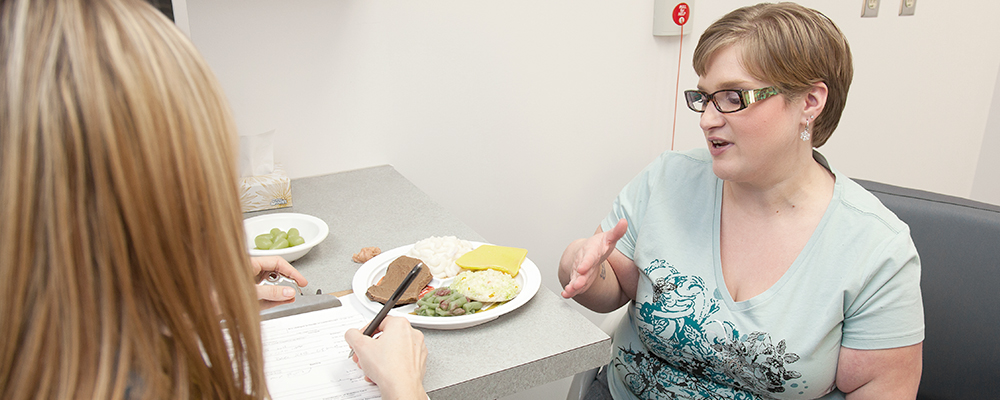
Healthcare professionals can find it uncomfortable to raise the issue of weight, and sometimes feel they lack the skills to do so.
Here are some tips to communicating sensitively and empathically about weight:
1. Ask permission to talk about weight, for example; “Would you mind if I spoke to you briefly about weight management?” This immediately gives control to the patient – they decide if they want to discuss their weight or not.
2. Be aware of the language you use and try to avoid language which may be perceived as negative eg fat, obese. Terms such as excess weight and BMI are generally better received.
3. Be prepared for a wide range of responses. The subject of weight can be a highly sensitive one and produce a variety of emotions and reactions including denial, disinterest, shame and relief.
4. Work on responding constructively to all types of responses. Keep body language and facial expressions, as well as verbal language, positive and constructive.
5. Listen attentively to the patient’s story. General tips for listening include: Ask open ended questions; Do not interrupt the patient; Maintain eye contact; Do not take notes or look at your computer.
6. Communicate empathy, compassion and support. Try to see the world through the patient’s eyes, which is very different from a clinical diagnosis of illness. It can provide a framework for approaching their problems holistically, and uncover diagnostic and therapeutic options.
7. Discourage patients from feeling a sense of guilt. Acknowledge the societal nature of the problem and the influence of the obesogenic environment, which promotes overeating and physical inactivity.
8. Avoid telling the patient what they have to do. As health professions we often have a strong drive to set things right when we see an individual may be doing something that is detrimental to their health. This typically manifests as advice based on how we see the situation, and the more we try to advise or guide an individual the more we can polarise our relationship with them and fail in our attempts to help.
9. Empower your patient. Explore how your patient can make a difference to their weight themselves. Their own ideas about how they can implement changes into their own life are critical. Emphasize their strengths and opportunities for change.
10. Provide clear and accurate information – verbally, visually and/ or in writing. It is vital the patient goes away with a clear understanding of the issues relating to their weight and health.
References
Aveyard P et al. (2016) Screening and brief intervention for obesity in primary care: a parallel, two-arm, randomised trial. The Lancet. 388: 2492-2500.
Street RL Jr, Makoul G, Arora NK, Epstein RM (2009) How does communication heal? Pathways linking clinician-patient communication to health outcomes. Patient Educ Couns. 74: 295-301.

What is the Solution to the Diabetes Crisis?
What is the solution to our diabetes crisis? Just how do we prevent diabetes?
Last week in the UK, from the 16th to the 22nd of April, was Diabetes Prevention Week. The NHS, as part of their very own Diabetes Prevention Programme, set up the event in the hopes of raising awareness of the disease and their Healthier You programme. Diabetes Prevention Week provided an excellent chance to spread awareness of a disease that most people don’t really know anything about. The word diabetes for some brings up images of sugar-free diets, insulin injections, and in some cases, the possibility of losing limbs, but that’s about it. Unfortunately, most of the public are unaware of many of the details of the disease, from the 2 different types, to the causes of each type, or the impact it can have on the lives of those it affects, and that should certainly change. But besides campaigns such as this one by the NHS, what has actually been done, or even proposed, as a measure to help prevent diabetes? And, how do we prevent diabetes? Is it even possible?
To fully appreciate Diabetes Prevention Week you have to first understand the disease of diabetes. Not everyone knows, but there are two very different types of diabetes, type 1 and type 2. Type 1 is an autoimmune disease, which means that the immune system mistakenly attacks parts of the body rather than protecting them, and in the case of type 1 diabetes, the immune system attacks insulin producing beta-cells in the pancreas. This means that those with type 1 diabetes are incapable of producing insulin, making them insulin dependent, requiring them to inject themselves with insulin to compensate. It is not fully understood what the cause of type 1 diabetes is, however it is believed that both genetic and environmental factors are involved.
Type 2 diabetes is entirely different to type 1. The autoimmune system of those with type 2 diabetes functions properly, and instead of being insulin dependent like type 1 sufferers, type 2 sufferers are insulin resistant. Their bodies lose the ability to respond to insulin. The body compensates for the ineffectiveness of its insulin by producing more, but it can’t always produce enough. Over time, the strain placed on the beta cells by this level of insulin production can destroy them, diminishing insulin production. Around 90% of all diabetes cases are type 2, and the vast majority of them are caused by overweight or obesity. Although, it is believed that in some of these cases genetic factors are also involved.
Download our toolkit for reducing your risk of type 2 diabetes here: https://www.contemporaryhealth.co.uk/portfolio/reduce-the-risk-of-developing-diabetes/
Public awareness of the disease is a great tool in its prevention, however, governments across the globe are taking it upon themselves to develop and implement policies that will help reduce the numbers of those developing it even further. In Singapore for example, the Ministry of Health has outlined plans that they say will directly combat diabetes. Included in this plan is the installation of more water fountains in public places to wean people off sweet drinks, competitions to promote cooking healthy food, engaging with celebrities to promote healthier eating, restrictions on fast-food and snack advertisements, and giving out health points and travel rebates to encourage physical activity. It will certainly be exciting to see the results of this extensive plan, and just how preventative the proposed strategies prove to be.

The Singapore government will be implementing a new strategy to prevent diabetes.
In the UK, the National Health Service spends £12 Million a year treating those with the disease. This figure has united members of parliament and health professionals alike, to act immediately on the crisis. Tahseen Chowdhury, a specialist in diabetes and metabolism at Barts Health NHS Trust in London, suggested that “the NHS should put people with type 2 diabetes on drastic diets to reverse the condition, instead of spending billions of pounds trying to treat it.” Members of parliament have suggested recently that good preventative measure would be to restrict the advertising of junk food even further than it already is, and outlaw offers and deals on junk food that seem to be prolific in every major supermarket.
All aforementioned preventive measures by governments, MPs and members of the public, focus on diet and weight management, so why do we focus so much on diabetes prevention and not obesity and overweight prevention? Type 2 diabetes can be prevented and in some cases reversed, while type 1 can’t, so it’s misleading and confusing to have a Diabetes Prevention Week, when only one form of the disease can actually be prevented.
We should instead have an Obesity Prevention Week, as it’s impossible to prevent type 1 diabetes, but type 2 diabetes, which makes up 90% of all diabetes sufferers, can be prevented through effective weight management and lifestyle intervention. Not only will raising awareness for preventing overweight and obesity help prevent the majority of type 2 diabetes cases, but the whole range of comorbidities that come with overweight and obesity such as: heart disease, non-alcoholic fatty liver disease, metabolic syndrome, gout, sleep apnea, cardiovascular disease, hypertension, and many different types of cancer.
We will only ever have a solution to the diabetes crisis when we have a solution to the obesity crisis.
Read More
Junk Food Advertising: How Much is Too Much?
Last week saw the implementation of the “sugar tax.” It is one of the first big government initiatives here in the UK aimed specifically at dealing with the obesity epidemic with the hope of improving public health. Despite this initial effort from the government, many are calling for even more action to be taken with some pointing their fingers squarely at the advertising industry. It’s believed that the sheer amount of advertising for sugary, salty, and high fat junk food is excessive, targets children unfairly, and promotes poor diets and ill-health. With obesity and childhood obesity numbers continuing to soar, do those who wish to see a limit on junk food advertising have a point?
Although a declining medium of entertainment, especially among youths, television is still the biggest forum for advertisers to get their message to as much of the public as possible. Prime time television in the UK can still draw huge numbers of viewers with programmes like The Voice attracting 5.6 million viewers for its 2017 season premiere. Out of that 5.6 million people, roughly 710,000 children were viewers, with Liverpool University appetite and obesity researchers finding that those children faced no fewer than 12 junk food ads during the hour, with ads for Domino’s pizzas, McVitie’s chocolate digestive nibbles, and Anchor spreadable butter making up just a few. Experts who looked at the data collated by the Liverpool University researchers claimed that children were being “bombarded” with junk food ads and that a minimum of a 9pm watershed on these adverts was necessary, saying current guidelines were “failing children”.

Technology and the internet will continue to have an ever-growing influence on children.
As more and more children begin to abandon television for more portable forms of entertainment like mobile phones and tablets, it is only necessary that we should turn our attention to the presence of junk food advertisements on those devices. Social media, media platforms like Youtube, and many other popular websites frequented by the public and children are often strewn with junk food ads. Research in Canada discovered that over 90% of food and beverage product ads viewed by children and youth online were for unhealthy food products. Although those figures were for Canada, it is hard to imagine that it’s much different in the UK where the culture and obesity figures are similar.
Junk food advertising doesn’t just stop once the screens are off. Anyone who has been to a supermarket recently will know that the offers for junk food are ubiquitous with every aisle enticing customers to be upsold on energy dense, nutrient poor junk food. Even their placement at supermarket checkouts are strategic in their lure to get the public to act on their impulse and make a thoughtless, unnecessary purchase of something unhealthy. This however, has not gone unnoticed by members of the health conscious public as a committee of MPs, as recently as 2017, put forward a plan to restrict supermarkets from offering “deep discounts” on a variety of unhealthy foods, especially junk food. There has also been pushback on just where in the supermarkets junk food should be sold with the Department of Health putting forward a code stating “that in retail stores with more than four checkout lanes, a minimum of one should be free of junk food.” Despite these being a step in the direction towards a healthier public, they are all optional for retailers, and whether or not they participate, is up to them.
Despite the call for junk food advertising bans, there are however some junk food advertising restrictions already in place. Since July 1st 2017 advertisers were no longer allowed to show online ads for food and drinks high in fat, salt or sugar in all media where under-16s made up a quarter of the audience. Other restrictions also include the current rules, introduced in 2007, that bans the advertising of high-fat, high-sugar foods during children’s TV programmes or any programme where 75% of the audience will be children. Just yesterday, The Times reported that, “junk food advertisements would be blocked on social media under plans being drawn up in the fight against obesity,” and that, “curbs on advertising junk food, including a 9pm watershed, were being worked on in Downing Street after Theresa May reversed her opposition to restrictions on marketing.”

Junk food fills a shopping trolley at a supermarket.
So, some calls for junk food advertising restrictions are being heeded, and new restrictions would mark a big change for junk food advertisers, but some believe in extending those even further with prized neuroscientist, Wolfram Schultz, believing that selling junk food in plain packaging could help even further in the battle against obesity. He believes that, “the colourful wrapping and attractive advertising of calorie-rich foods encourage people to buy items that put them at risk of overeating and becoming obese in the future.” Despite this seeming like quite an extreme measure, it has been implemented for cigarettes in some countries like the UK and Australia. However, this seems unlikely to change for junk food any time soon.
Government imposed restrictions on junk food advertising are a great tool in helping the public to make healthier food choices, but if there is to be real change it also needs to come from the networks and platforms who display the advertisements. A glimmer of hope was recently seen in the United States when, in 2015, an independent initiative from Disney brought a self-imposed ban on junk food advertising on any of its TV channels, radio stations, and websites intended for children. It was the first major media company in which to do so.
The most effective change will come when both government and business act responsibly and work together to reduce the amount of unhealthy junk food advertising that the public is constantly exposed to.
Read More
The 3 Most Innovative Government Plans to Tackle Obesity
Today, here in the UK, is a monumental day for public health. April 6th marks the debut of the much deliberated, and heavily debated, implementation of what is now commonly known as the “Sugar Tax.” This means that from today, the UK’s tax on sugary drinks will see shoppers being asked to pay 18p or 24p more a litre, depending on just how much sugar has been added to their drinks. The hope is that either the consumer will be put off by the higher price of the product, or the manufacturers will have more incentive to reduce the sugar content of their goods. Both outcomes are a big win for public health. Despite this being a big day for public health in the UK, taxing unhealthy products, like cigarettes, making them more expensive and off-putting for consumers is a strategy that has been around for years and hardly innovative. If the UK’s government is to make any serious impact on the obesity epidemic it should take a look across the globe to see how other governments are implementing new and innovative strategies to tackle the same epidemic it faces. Here are 3 of the most innovative government plans developed in order to tackle obesity.

Albert Cuyp Street Market, Amsterdam.
Amsterdam: Amsterdam is a city filled with limber cyclists and walkable streets next to beautiful canals, so it comes as a big surprise to learn that it has the highest rate of childhood obesity in the Netherlands. In 2014, the proportion of 5-year-olds in Amsterdam who were overweight or obese stood at 13.9%. Politician Eric van der Burg took it upon himself to help Amsterdam achieve the lofty goal of not a single child in Amsterdam with obesity by 2033 with a city-wide anti-obesity campaign. The campaign mandates that children are now weighed and measured at school every year, despite parents’ initial objections. Children in certain schools are banned from bringing sugary drinks like squashes and juices to campus, and instead may only bring water and milk. Students are also presented with vegetables like carrots and radishes, and instructed that they must at least try them. Amsterdam now also refuses funding for events that are sponsored by McDonalds or Coca-Cola, whose junk food message doesn’t comply with the anti-obesity campaign.

Downtown Doha, Qatar.
Qatar: Qatar is a tiny Gulf state known for its rich natural resources and as the future hosts of the 2022 FIFA World Cup. Despite its great wealth, Qatar is battling a serious public health crisis with obesity and its comorbidities with 7 out of 10 Qataris either overweight or obese, and almost 1 in 5 with diabetes. Later this year, Qatar is set to become the first country in the world to start screening its entire adult population for diabetes, one of the most deadly comorbidities of obesity. On top of this screening initiative, the National Diabetes Committee has started to use other less conventional channels to help get their healthy message to more of the public. They are helping to educate Imams on how their weekly sermon can help improve the lifestyle of those in attendance by using examples from religion.

Boats on the shores of Vanuatu.
Vanuatu: Vanuatu is a small archipelago nation in the South Pacific off the east coast of Australia. It is mostly known for its coral reefs, great scuba diving, and white sandy beaches. However, it is beginning to gain a reputation as one of the most obese nations in the world with 28% of the country’s residents suffering from obesity according to the World Health Organisation. The Vanuatu government has decided to pinpoint what it believes is the cause of the problem and take direct action. Western junk food is believed to be the prime culprit in the explosion of obesity on the island and the plan is to ban it at government events and tourist spots in one of its provinces, Torba, to help curb rising obesity. In place of the junk food in Torba it aims to be the first organic province by the year 2020 with residents utilising locally grown or sourced food exclusively to sustain its population including fish, crabs, shellfish, taro, yams, paw paw and pineapple.
To learn more about obesity, its prevention, and its treatment please look at CCH’s Postgraduate Academic Courses in Obesity Care, and CPD Short Courses in topics such as childhood obesity and behaviour change, designed to up-skill health professionals in this vitally important, and often overlooked, area of care.
Read More
Cooking Up a Solution to the Obesity Crisis?
As the global obesity epidemic continues to escalate, different solutions are put forward every day by governments, private organisations, charities, and members of the public. Of the many varying solutions that are suggested, one, in particular, seems to have gained a lot of traction in the last couple of years; cooking classes. It is said that due to the obesogenic environment we live in, and both the stresses and conveniences of modern life, that the art of cooking, is a dying one. Time constraints and modern conveniences have seen a surge in the consumption of highly processed, high calorie, energy-dense food, and a plummet in people taking the time to cook, exercise and take part in other physical activity.
The argument for cooking classes is the idea that it will bring the public back into the kitchen where they will rekindle their love for fresh, healthy ingredients and homemade taste, whilst also getting more physical activity in the process. Cooking classes as a treatment for individuals with overweight and obesity is not a new idea, and has actually been in existence since early 2017 when the National Institute for Health and Care Excellence (NICE), and the NHS Diabetes Prevention Programme: Healthier You, both published guidelines suggesting, amongst other things, that cooking classes should be an option for those who are seeking to make drastic lifestyle changes in order to help treat, and even reverse, their obesity.
Adult cooking classes for individuals with overweight and obesity seem like a good idea, but that doesn’t mean it wasn’t greeted with its fair share of scepticism with Guardian columnist, Hugh Muir, stating “Cookery courses for obese people are pointless, and ministers know it.” Mr. Muir believes that cooking is no solution to the obesity crisis and that instead, it is government intervention and policy that should be the solution. What he fails to realise is that there is no single solution to such a complex problem and that government intervention, cooking classes, and a host of other obesity prevention initiatives are the answer.
Cooking classes have not just been recommended as a treatment strategy for adults with overweight or obesity, but also as a part of the preventative strategy for children as well. Many children growing up in the 21st Century have been surrounded by cheap takeaways and ready-made, or frozen, meals which have contributed to the rise of childhood obesity levels to unprecedented highs, and has left some children incapable of preparing any type of fresh meal. This includes every step of the process, from buying the raw ingredients at the supermarket, to preparation, and to finally cooking it. The idea was first proposed in the UK in 2008 by then Schools and Children Secretary, Ed Balls. He said, “Teaching kids to cook healthy meals is an important way schools can help produce healthy adults.” Eating habits, and education on nutrition, are certainly vital and necessary skills that our young people should be equipped with if they are ever to have a chance of remaining a healthy weight in our present environment.
Both Muir and Balls had very strong opinions on the helpfulness of cooking classes in the face of the obesity epidemic, but, neither had any evidence to help strengthen their positions at the time. Despite the scepticism, cooking classes have provided promising results as released for the first time this week by the NHS. Their diabetes prevention programme, Healthier You, introduced cooking to adults with obesity as part of a treatment plan and it was found that, “overweight people who attended NHS exercise and cookery classes lose an average of half a stone” Despite these results only being preliminary, it is certainly promising news for the fight in the obesity epidemic, and a great tool for helping us to reshape the way in which we can think about tackling it.
What’s important to remember, however, is that cooking classes will only truly be useful to the public if they have a professional help them understand the nutrition behind the meal they are preparing. However, given the level of nutritional education in current medical training, that will be a tall order. According to recent research, there is a “severe deficiency in nutrition education at all levels of medical training.” The foundational links between nutrition and weight management need to be understood by health professionals if we are to be serious about reversing the current worrying trends of overweight and obesity with the public. The College of Contemporary Health’s Nutrition and Weight Management short course was designed specifically to help rectify the lack of nutritional education that our healthcare professionals need. Cooking classes and health professionals with more robust and up-to-date nutritional education, together can take the public fight against the obesity epidemic a step in the right direction.
Read More