

Generative AI chatbot effectively reduces symptoms of depression, anxiety, and eating disorders in clinical trial
A groundbreaking randomised controlled trial conducted by Dartmouth College has found that a generative artificial intelligence (GenAI) chatbot can significantly reduce symptoms of depression, generalised anxiety, and eating disorders. The study is the first of its kind to assess the clinical efficacy of a GenAI-based mental health intervention, offering a promising step forward in the use of artificial intelligence for therapeutic purposes.
The research, led by clinicians at Dartmouth, evaluated Therabot, an AI-powered mental health chatbot developed in 2019. In total, 210 participants were enrolled in the study, of whom 106 presented with clinically significant symptoms of major depressive disorder, generalised anxiety disorder, or were identified as being at high risk for feeding and eating disorders. These participants received access to Therabot and were encouraged to interact with the chatbot daily for 30 days. Following this intervention phase, participants could continue to use the chatbot for an additional four weeks, though without daily reminders. Assessments were conducted at baseline, four weeks, and eight weeks.
Therabot offers structured mental health support through a conversational interface. Users may either initiate sessions on demand or respond to scheduled notifications. The chatbot delivers tailored psychological interventions through question prompts, empathetic replies, and affirming statements designed to meet the user’s expressed needs. According to the developers, this continuity of interaction fosters a deeper therapeutic experience, closely mirroring aspects of traditional human-delivered psychotherapy.
Despite the growing popularity of GenAI applications in wellness and companionship, they have not previously been studied for their capacity to deliver clinical-grade mental health care. “To date, conversational agents using GenAI have fallen under general purpose, wellness, or companion applications, rather than software intended for the diagnosis and treatment of mental health disorders,” the authors noted in the study.
The results were striking. Participants diagnosed with major depressive disorder experienced a 51% reduction in symptoms at both the four- and eight-week assessments. Those living with generalised anxiety disorder saw a 31% reduction in symptoms, while individuals at risk for feeding and eating disorders experienced a 19% reduction. Notably, none of the participants were taking psychiatric medication during the study period, suggesting that the improvements were attributable to the chatbot intervention itself.
Engagement levels were high: participants used Therabot on average 24 days out of the 30-day intervention period and spent approximately 6.18 hours interacting with the chatbot. On average, participants sent 260 messages, indicating sustained and active use.
The study also explored users’ perceptions of the chatbot’s utility and emotional connection. Participants reported that Therabot was intuitive and easy to use, and many said they felt better after engaging with it. Moreover, the quality of the therapeutic relationship—referred to as therapeutic alliance—was found to be comparable to that experienced with human therapists. The authors observed that key elements of psychosocial therapy, including empathy and shared goals, were effectively established through Therabot—something previously considered difficult or impossible to achieve with non-generative AI systems.
As part of the safety protocol, clinicians closely monitored Therabot’s responses. In 15 instances, they contacted participants due to safety concerns such as suicidal ideation. On 13 occasions, researchers intervened to correct inappropriate or inaccurate chatbot responses. Despite these incidents, the authors concluded that the intervention was overall safe and well tolerated.
Importantly, the study emphasised the broader implications of scalable AI-powered mental health tools. While traditional, evidence-based psychosocial treatments are known to be effective, they are often labour-intensive and limited by resource constraints. As the study notes, “Although empirically validated psychosocial treatments exist, they are resource intensive, and limited in scalability and accessibility, leading to fewer than half of the people with a mental health disorder receiving care.”
The potential for GenAI tools to alleviate pressure on overstretched behavioural health systems is significant, especially as waiting lists for mental health services continue to grow. Unlike rule-based AI chatbots, which rely on predefined responses set by programmers, GenAI systems offer dynamic and personalised interactions. This adaptability enables a deeper and more human-like therapeutic experience, which may enhance both efficacy and engagement.
If further validated through larger trials and real-world implementation studies, tools like Therabot could transform the digital mental health landscape, making quality support more accessible to individuals across a wide range of conditions.
Participants in the control arm of the study did not receive access to Therabot until after the conclusion of the trial.
Read More
PAHO launches new virtual programme to advance digital skills among health workers across the Americas
The Pan American Health Organization (PAHO) has announced the launch of its new Digital Literacy Programme for Health Sector Personnel, a fully online initiative aimed at enhancing the digital capabilities of individuals working in health care throughout the Americas. This programme is a direct response to growing demands for digitally enabled health services and aims to bridge the digital divide within the health workforce by fostering equitable, accessible, and technology-driven care systems.
As health care systems across the world continue to evolve with digital innovation, the Region of the Americas still faces significant disparities in access to and effective utilisation of digital health tools. These include electronic health records, mobile applications for patient monitoring, telemedicine platforms, and epidemiological alert systems. The programme seeks to address these challenges by upskilling personnel and preparing them to integrate digital technologies into daily practice to improve service delivery, coordination, and quality of care.
“This programme aims to close those gaps by equipping health personnel with key knowledge to lead change in their workplaces,” said Marcelo D’Agostino, Unit Chief for Information Systems and Digital Health at PAHO. “With renewed competencies for the digital world, the Region will move toward more resilient and equitable health systems,” he added.
The initiative is built around a robust and interdisciplinary curriculum that will provide participants with foundational and advanced competencies in a range of digital domains. These include:
- Digital transformation in health systems
- Artificial intelligence and its application in health care
- Data governance and ethical data management
- Telehealth and remote care services
- Vital statistics and their digital integration
- Health information interoperability
- Big data analytics for public health
- Infodemic management and combating health misinformation
- Digital diplomacy and international health cooperation
The programme has been structured as an immersive and flexible learning journey, offering a blend of technical modules, interactive policy dialogues with regional and global experts, keynote presentations, and collaborative learning forums. Real-world case studies from the Region will help ground theory in practice, and a self-assessment tool will allow participants to tailor the programme to their individual learning needs and professional goals.
Delivered through PAHO’s Virtual Campus for Public Health, the sessions are entirely free of charge and accessible in both English and Spanish, with simultaneous interpretation available. Additional thematic courses will also be offered to deepen knowledge in specific areas of interest.
By investing in the digital literacy of people working across the health sector—from front-line professionals to administrative and managerial staff—PAHO hopes to support the development of health systems that are interconnected, interoperable, and inclusive. This vision aligns with the call made by the Ministers of Health of the Americas during PAHO’s 59th Directing Council in 2021, which urged the Organisation to lead efforts towards the digital transformation of health care, ensuring that no one is excluded from accessing the highest possible level of health and well-being in the digital age.
The Digital Literacy Programme for Health Sector Personnel will officially launch on Wednesday, 16 April 2025. PAHO and the World Health Organization (WHO) are inviting all health workers across the Americas to register and participate in this important initiative, which promises to equip the workforce with the skills needed to thrive in an increasingly digital health landscape.
Read More
Pioneering project aims to revolutionise medical devices through adaptive 4D engineering
Researchers at the University of Birmingham and Imperial College London have launched a groundbreaking three-year initiative to advance the design and performance of medical devices by addressing the dynamic nature of the human body over time.
The project, titled 4D Engineering of Healthcare Technologies (4D Health Tech), seeks to fundamentally rethink how medical devices are developed by integrating the concept of time as a critical design factor. The goal is to improve the adaptability, longevity, and functionality of medical technologies as individuals grow, move, heal, and age.
Dr Sophie Cox, project lead from the University of Birmingham, explained:
“Our bodies change over time as we grow, move and regenerate, but products designed to replace or repair our bodies typically neglect the dimension of time, compromising their function and lifespan. Our vision is to transform the way we engineer medical devices.”
Traditional medical devices are often static in design, unable to respond effectively to gradual physiological changes. For example, implants for children must be replaced as they grow, while adult bone implants may not degrade in harmony with tissue regeneration. These limitations can lead to reduced effectiveness, increased risk of complications, and the need for repeated surgical interventions.
The 4D Health Tech project will explore innovative approaches to these challenges by promoting the development and use of materials that degrade in a controlled and predictable manner. Such materials could enable devices to better support healing processes, reduce the need for replacement surgeries, and align more closely with individual recovery patterns.
In addition to novel materials, the project will investigate advanced design methodologies, state-of-the-art manufacturing techniques, and patient-specific testing protocols. The aim is to create adaptable medical technologies that reflect the diversity of the population and provide improved outcomes across the lifespan.
Crucially, the inclusion of time as a “fourth dimension” in medical engineering represents a significant shift in how devices are conceptualised and built. By accounting for time-dependent biological changes, researchers hope to unlock new functionalities in medical technologies and significantly extend their usable life. This could not only benefit individuals receiving care but also contribute to more efficient use of resources within the NHS.
The project is backed by £1.2 million in funding from the Engineering and Physical Sciences Research Council (EPSRC), part of UK Research and Innovation (UKRI). It is one of several projects supported under a broader £10 million investment in response to the Tomorrow’s Engineering Research Challenges (TERC) report. This report identifies key areas in which engineering research can support the UK’s long-term economic, environmental, and societal priorities.
Jane Nicholson, Executive Director for Research at EPSRC, commented:
“Engineering is the cornerstone to a more sustainable, successful and thriving future for the UK. From developing renewable energy solutions to creating smart cities, engineering innovations are driving progress in every sector. These new networks will address the strategic challenges outlined by the TERC report. Together, these researchers present a hugely ambitious, thoughtful response to the economic, environmental and social challenges we all face.”
The launch of the 4D Health Tech initiative aligns with recent national developments in medical technology regulation and evaluation. In February 2025, the National Institute for Health and Care Excellence (NICE) announced a public consultation on proposed changes to its HealthTech programme, which aims to streamline the evaluation of innovative medical technologies for adoption within the NHS.
This follows updated guidance issued in January 2025 by the Medicines and Healthcare Products Regulatory Agency (MHRA), intended to assist medical device manufacturers in preparing for new post-market surveillance (PMS) regulations. These regulations, which come into effect on 16 June 2025, are designed to ensure ongoing safety and performance monitoring of medical technologies in clinical use.
Together, these policy shifts and research initiatives signal a growing national commitment to fostering innovation in medical technology, ensuring that future devices are not only cutting-edge, but also responsive to the complex and evolving needs of people receiving care.
Read More
Patients say drugmakers would earn more trust by offering digital health tools and services
People living with chronic health conditions are increasingly calling for pharmaceutical companies to broaden their focus beyond drug development and take a more active role in delivering healthcare services—particularly through digital platforms. That’s the key takeaway from a new survey report published by ixlayer and Ipsos.
The survey, conducted in January 2025, gathered responses from over 400 adults living with at least one long-term health condition, such as asthma, Type 2 diabetes, heart disease, or eczema. A significant majority—nearly three-quarters—said they would value support from pharmaceutical companies in overcoming the barriers they face when trying to access care. Over 80% of respondents went a step further, agreeing that pharmaceutical companies should actively provide resources that simplify access to healthcare and treatment.
One of the most prominent themes to emerge from the data is the enthusiasm for digital tools. A striking 86% of participants reported using at least one digital health solution. These included patient portals, telehealth services, pharmacy delivery platforms, wearable health monitors, and at-home diagnostic tools. The appeal of these technologies was rooted in their convenience, cost-effectiveness, and ability to enhance communication with healthcare providers.
However, patients also expressed frustration with the current digital healthcare landscape. Many reported having to juggle multiple platforms, each with its own login systems and interfaces, which often led to technical difficulties. These issues, respondents indicated, present an opportunity for pharmaceutical companies to step in and provide more seamless, integrated, and reliable digital services.
The survey revealed that doing so would have a notable impact on public perception. An overwhelming 92% of participants said their view of the pharmaceutical industry would improve if companies offered comprehensive online health tools. Currently, fewer than one in five believe that pharmaceutical companies genuinely prioritise patients’ needs.
When asked about the role they see for the industry in improving access through technology, one respondent commented:
“They have a role in helping people and patients get the medications and assistance they need; they should be constantly working to minimise the steps in between being prescribed and getting their medicines.”
Participants were also asked to identify which features they would like pharmaceutical companies to provide. Top priorities included the ability to schedule virtual or in-person appointments with healthcare providers, order prescriptions online, access lab testing, and securely share diagnostic results and health data with care teams. Additionally, people expressed strong support for insurance coverage of digital services—identifying this as the most important factor in improving their perception of the industry.
More than 70% of respondents indicated that they would be likely to use each of these digital offerings if made available.
Pouria Sanae, co-founder and CEO of ixlayer, said the findings reflect a shift in expectations around pharmaceutical companies’ responsibilities in the modern healthcare ecosystem:
“Patients don’t just want treatment from pharma—they want seamless, digital-first healthcare experiences that fit into their lives.”
Some pharmaceutical companies have already begun to respond to this shift by launching digital platforms aimed at centralising healthcare services and improving the user experience.
Eli Lilly, for instance, launched LillyDirect in early 2024. The platform enables users to book both virtual and in-person medical appointments and offers access to Lilly’s medications at reduced costs. Its services target a range of conditions, including diabetes, migraine, obesity, sleep apnoea, and more recently, Alzheimer’s disease.
Similarly, Pfizer introduced PfizerForAll in mid-2023. This platform connects users with healthcare providers and includes tools to locate vaccines, order diagnostic tests and treatments from Pfizer and other manufacturers. The service currently supports care for conditions including migraine, COVID-19, influenza, respiratory syncytial virus (RSV), pneumococcal pneumonia, and atrial fibrillation.
Pfizer has also integrated additional features, such as a link to the American Cancer Society’s CancerRisk360 tool, and a generative AI-powered chatbot designed to respond to health and wellness queries.
While the expansion of such platforms has been generally well received by the public, they have also drawn scrutiny from U.S. lawmakers, particularly in relation to prescribing practices associated with the telehealth features. Nonetheless, the appetite for these services among patients is clear.
The message from the survey is unequivocal: people want more than medication. They want pharmaceutical companies to deliver holistic, user-friendly, and accessible digital solutions that support them in managing their health day-to-day. And in doing so, pharma companies stand to gain not just goodwill—but potentially greater trust and long-term engagement from the very individuals they serve.
Read More
Pioneering medical database offers unprecedented insight into obesity and related conditions
A new medical database is revolutionising how healthcare professionals understand and manage obesity by automatically compiling detailed clinical data from people living with obesity and those affected by associated conditions. Spearheaded by Kobe University in Japan, the initiative is being hailed as a critical advancement for public health, research, and the development of new therapies.
“Obesity is at the root of many diseases,” says Ogawa Wataru, an endocrinologist at Kobe University.
Obesity has long been recognised as a contributing factor in a wide range of health conditions, including type 2 diabetes, hypertension, gout, coronary heart disease, and stroke. By enabling earlier intervention and more precise treatment, better data about these links has the potential to significantly improve outcomes for individuals and reduce strain on public healthcare systems.
Yet despite the widespread prevalence of obesity, obtaining reliable and comprehensive data has remained a persistent challenge. Most existing data sources are either incomplete or designed primarily for administrative purposes, such as insurance reimbursement, which limits their usefulness in clinical research or treatment planning.
Ogawa was driven to address this gap after observing the complex health challenges experienced by people living with obesity in daily clinical practice.
“Witnessing the complex health challenges faced by obese patients in daily clinical practice inspired me to seek a solution that more accurately reflects their true condition,” he explains.
To create a more accurate picture, Ogawa and his team developed a novel data collection system that links a variety of medical data points, including patient examinations, disease incidence, prescription records, and laboratory test results. The system is built on Japan’s digital medical record infrastructure and anonymises and updates patient data automatically whenever an individual visits one of the seven participating healthcare institutions.
The result is the Japan Obesity Real-world Big-data Integrated Database (J-ORBIT) — a dynamic, anonymised repository of real-world clinical information that captures the multifaceted nature of obesity and its related health conditions.
“This database system now enables the efficient collection and analysis of comprehensive clinical information related to obesity management – something that was not possible before,” notes Ogawa, who leads the project under the auspices of the Japan Society for the Study of Obesity (JASSO).
In their first published analysis, featured in the Journal of Diabetes Investigation, Ogawa and his team examined data from 1,169 individuals out of the approximately 3,000 currently enrolled in the J-ORBIT database. The findings offer valuable insights: most participants had three or more obesity-related conditions, particularly those linked to diabetes. The data also challenged some prevailing assumptions about the strength of associations between obesity and certain diseases.
Moreover, the research revealed that important treatment strategies — such as behavioural therapy — are underutilised in clinical practice. And because J-ORBIT captures a wide spectrum of clinical data, the team identified a surprisingly high prevalence of conditions not typically associated with obesity, such as menstrual irregularities and female infertility.
J-ORBIT was designed to interface with another major national database: J-DREAMS, a project run by the Japan Diabetes Society that collects data specifically from people with diabetes. Ogawa, who was also involved in managing J-DREAMS, saw an opportunity to create a sister system focused on obesity. Where both databases operate in the same institution, relevant data is extracted and automatically shared between the two.
“I was involved in the management of J-DREAMS and wanted to develop a similar database specifically for obesity management,” Ogawa explains.
This integration enables researchers working on either diabetes or obesity to access more nuanced, context-rich datasets. However, it also means that people living with both obesity and diabetes may be disproportionately represented in the J-ORBIT dataset.
One of the most impactful aspects of the new system is its ability to identify which individuals may benefit most from weight loss, and to flag appropriate treatment options tailored to their condition. This has drawn the attention of the pharmaceutical industry, particularly as new anti-obesity medications come to market.
“Several companies developing anti-obesity drugs have provided funding for the system, and some of them have already started research using the data,” says Ogawa. “So as obesity treatment undergoes a major transformation, a database like J-ORBIT will be of great importance.”
By offering a more accurate and holistic view of the lives and health of people affected by obesity, J-ORBIT represents a significant step forward. It supports not only more effective individual care but also broader public health efforts, and may well prove essential to the next generation of obesity treatment and prevention.
Read More
Amazon’s palm-scanning technology enters healthcare: NYU Langone Health adopts biometric check-ins
New York University’s Langone Health has announced the adoption of Amazon’s palm recognition technology for patient check-ins, marking a significant step in the integration of biometric technology into healthcare settings.
The announcement, made at a major health information technology conference, positions NYU Langone as the first healthcare provider to implement Amazon One, a biometric authentication system that has already been deployed in commercial settings such as stadiums, universities, and Whole Foods supermarkets.
Why This Matters
The introduction of Amazon’s palm-scanning technology is aimed at improving the efficiency and security of patient identification. Traditionally, verifying a person’s identity upon arrival for a medical appointment requires presenting an identification document or providing personal details to administrative staff. The new biometric system streamlines this process, allowing individuals to authenticate their identity quickly and seamlessly with a simple palm scan.
Participation in the programme will be optional for patients, ensuring that those who prefer traditional check-in methods can continue to use them.
How It Works
Individuals visiting NYU Langone Health facilities will have the option to scan their palm at designated check-in stations. The technology works by capturing and encrypting a person’s unique palm signature, linking it to their electronic health record within NYU Langone’s system. This eliminates the need for manual ID verification, potentially reducing wait times and administrative bottlenecks at reception desks.
According to a press release from Amazon, the biometric data collected by Amazon One will not include healthcare records from providers. The system solely functions as an identity verification tool and does not store or process any medical information.
Privacy and Security Measures
Amazon has emphasised that security and privacy are key priorities in the deployment of this technology. All palm scan data will be encrypted, and individuals will retain control over their biometric information. Those who choose to participate can unenrol from Amazon One at any time and request that their data be permanently deleted, according to the company’s official statement.
The Bigger Picture
While Amazon’s palm-scanning system is expected to offer a more convenient check-in experience, it does not address broader interoperability issues within healthcare IT. Many individuals continue to face the frustration of completing multiple paper forms each time they visit a healthcare provider, as disparate electronic health record systems are often unable to communicate seamlessly with one another.
Despite these ongoing challenges, the integration of biometric authentication in healthcare settings represents a step towards modernising patient interactions and enhancing security. As biometric technology becomes more widely accepted, its role in streamlining administrative processes in healthcare is likely to expand.
Looking Ahead
The adoption of Amazon One at NYU Langone Health signals the growing influence of tech companies in healthcare innovation. If successful, this initiative could pave the way for further biometric applications in hospitals and clinics across the United States and beyond, potentially transforming how individuals interact with medical institutions.
For now, the convenience of skipping the hassle of fishing for an ID card when running late to an appointment may be an appealing prospect for many. However, the long-term impact of such technology on healthcare security, accessibility, and interoperability remains to be seen.
Read More
AI tool used to predict falls and illnesses expands across the NHS
An advanced artificial intelligence (AI) tool capable of predicting an individual’s risk of falling with 97% accuracy is being implemented across the NHS. The system, developed by healthcare technology company Cera, is expected to prevent up to 2,000 falls and hospital admissions daily, significantly reducing strain on the health service while improving patient safety and well-being.
The AI-driven system is already in use across more than two-thirds of NHS Integrated Care Systems (ICSs) and is integrated into over two million home care visits per month. By continuously monitoring key health indicators such as blood pressure, heart rate, and body temperature, the software identifies early warning signs of deterioration, enabling timely intervention by healthcare professionals.
This predictive capability is transforming the way care is delivered, supporting individuals to remain in their own homes rather than requiring hospitalisation. Each day, the tool generates up to 5,000 high-risk alerts, allowing clinicians and care teams to respond proactively. The AI system has already contributed to a reduction in hospital admissions by as much as 70%, ensuring more efficient use of NHS resources.
Dr Vin Diwakar, National Director of Transformation at NHS England, emphasised the importance of the technology in improving patient care and operational efficiency across the NHS. He said:
“This new tool now being used across the country shows how the NHS is harnessing the latest technology, including AI, to not only improve the care patients receive but also to boost efficiency across the NHS by cutting unnecessary admissions and freeing up beds ahead of next winter, helping hospitals to mitigate typical seasonal pressures.
“We know falls are the leading cause of hospital admissions in older people, causing untold suffering, affecting millions each year and costing the NHS around £2 billion, so this new software has the potential to be a real game-changer in the way we can predict, prevent and treat people in the community.
“This AI tool is a perfect example of how the NHS can use the latest tech to keep more patients safe at home and out of hospital, two cornerstones of the upcoming 10-year Health Plan that will see shifts from analogue to digital, and from hospital to community care.”
The Scale of Falls and Their Impact on NHS Resources
Falls remain the single largest cause of emergency hospital admissions among older people. Current estimates suggest that approximately 30% of individuals aged 65 and over—equating to around 2.5 million people—and nearly 50% of those aged 80 and above experience at least one fall each year. These incidents account for over four million hospital bed days annually, with a financial burden on the NHS exceeding £2 billion.
By introducing AI-driven fall prediction, the NHS aims to tackle this major public health issue proactively. The tool’s deployment aligns with the government’s strategy to enhance community-based care, leveraging digital solutions to prevent avoidable hospitalisations.
AI Technology to Detect Early Signs of Winter Viruses
Beyond fall prevention, the AI software is also designed to detect the early symptoms of seasonal illnesses, including COVID-19, influenza, respiratory syncytial virus (RSV), and norovirus. By recognising signs of infection before they escalate, NHS and social care teams can intervene earlier, potentially preventing the need for hospital treatment.
Cera’s system is also equipped to automate administrative tasks such as scheduling home visits and generating care plans, freeing up valuable time for healthcare professionals to focus on direct patient care.
Stephen Kinnock, Minister for Social Care, highlighted the importance of AI in modernising healthcare delivery. He stated:
“This is smart, preventative healthcare in action, and exactly the kind of transformation we’re championing in our 10-year health plan – shifting from treating sickness to preventing it, from hospital to community care, and from analogue to digital solutions.”
Cera’s Commitment to Transforming Home Healthcare
Cera, the organisation behind the AI-driven care tool, has been at the forefront of integrating AI technology into home healthcare services. Dr Ben Maruthappu, Founder and Chief Executive of Cera, reinforced the company’s commitment to improving health outcomes through digital innovation:
“At Cera, we’ve seen first-hand how AI can transform health outcomes for high-risk and vulnerable individuals: preventing illness and injury, radically reducing avoidable hospitalisations, and empowering people to live longer, healthier lives, in their own homes.
“We’re delighted to partner with the NHS to roll out our technology – keeping older and vulnerable people across the country out of hospital and safe at home.”
In January 2025, Cera completed a funding transaction worth over $150 million (£123 million) to expand its AI-powered home healthcare solutions further. This investment is expected to accelerate the adoption of predictive care technology across the UK, reinforcing efforts to make healthcare more proactive, personalised, and efficient.
As the NHS continues to navigate increasing demand and seasonal pressures, the widespread implementation of AI-driven health monitoring could prove to be a crucial step in reducing hospital admissions, optimising resources, and improving patient outcomes.
Read More
Kaiser Permanente Implements AI to Redirect Routine Patient Messages
Key Takeaways:
- Kaiser Permanente deployed a natural language processing (NLP) AI system to label and route patient messages, diverting 31.9% of over 4.7 million messages away from physicians’ inboxes.
- Routine queries – such as medication refills and pharmacy hours – were handled instead by a regional team of medical assistants, pharmacists, teleservice staff and other clinicians.
- The approach highlights AI’s potential to ease the growing burden of patient messaging on physicians, with generative models like GPT-4 flagged as a possible future enhancement.
AI to tackle the patient message deluge
Researchers at Kaiser Permanente have demonstrated how artificial intelligence (AI) can be deployed to manage the overwhelming number of patient messages, potentially liberating physicians from routine queries that consume their valuable time. This innovative strategy, detailed in a recent publication in JAMA Network Open, employs real-time natural language processing (NLP) algorithms to categorise patient communications, thereby routing them efficiently to the most suitable responders.
Redirecting routine queries away from physicians
The study, led by Kristine Lee, M.D., associate executive director of virtual medicine and technology at The Permanente Medical Group, reveals that using AI to label and redirect messages allowed for 31.9% of over 4.7 million patient messages to be addressed before they could reach an individual physician’s inbox. Instead, these were handled by a regional team consisting of medical assistants, teleservice representatives, pharmacists, and other doctors.
Lee explains, “Physicians today balance in-person care with virtual consultations, including video visits and secure messaging. While they appreciate these diverse interaction modes, they also require support to manage the increasing workload effectively. Our findings suggest that AI, coupled with strong workflow systems, could significantly aid this process.”
How the NLP system was developed
The Desktop Medicine Program at Kaiser Permanente developed the NLP system by training it on approximately 20,000 patient messages previously annotated by triage nurses and physicians. Implemented into the electronic health record system in May 2022, the NLP initially focused on adult and family medicine and was updated bi-monthly. By October 2022, the program expanded to include paediatric communications.
Millions of messages, categorised in real time
During the period from April to August 2023, the study examined the handling of 4.7 million messages, with 77.6% being categorised with at least one label. Messages related to medication were the most frequent, accounting for 32.8%, with many messages receiving dual labels, such as those combining skin conditions and medication issues (41.1%).
Over the five months, more than 1.5 million messages were successfully resolved by the regional team. These included straightforward inquiries concerning pharmacy hours or medication refills, which were diverted from physicians’ inboxes, thereby easing their workload, as noted by Vincent Liu, M.D., lead author of the study.
Room for improvement and future potential
The researchers also highlighted the potential of message categorisation in identifying and responding to care trends, such as increases in specific infectious diseases. They acknowledged that the system could still be improved, particularly in handling messages with multiple labels or those that remain unlabelled. Future enhancements might include incorporating more advanced AI models, such as GPT-4.
“The high volume of messages our physicians receive hasn’t been completely addressed yet, but it’s rewarding to see how technology can help us manage these communications more effectively in real time,” said Jennifer Manickam, M.D., chair of adult and family medicine technology leads at The Permanente Medical Group.
As generative and other AI systems increasingly take on routine clinical and administrative tasks, understanding how to work alongside them is becoming an essential part of practice – the focus of professional training such as the College of Contemporary Health’s digital health CPD courses.
A wider shift in patient communication
Other healthcare providers have also experimented with AI to optimise the management of patient messages. For example, Ochsner Health has initiated a pilot programme using generative AI to compose draft responses to routine patient requests, which clinicians then review and personalise before dispatch.
As Kaiser Permanente and other organisations continue to explore AI’s potential, the landscape of physician-patient communication is set for significant transformation, promising to enhance the efficiency and quality of healthcare delivery.
CCH insight
Deployments like this capture one of the clearest near-term promises of healthcare AI: easing the administrative and messaging burden that weighs so heavily on clinicians. As AI systems – from message triage to generative draft replies – become part of everyday workflows, being able to understand, evaluate and work confidently alongside them is increasingly imperative for healthcare professionals. CCH’s CPD-accredited digital health short courses are designed to help practitioners build that AI literacy and practical judgement, quickly and flexibly around a clinical schedule.
Explore CCH’s Digital Health courses →
Read More
Two in Three Physicians Now Use AI in Healthcare as Adoption Jumps 78% in One Year
Key Takeaways:
- Physician use of AI in healthcare rose 78% between 2023 and 2024, with around two-thirds now using AI tools in practice, according to an American Medical Association survey.
- Reducing administrative burden – particularly clinical documentation – is seen as AI’s greatest opportunity, and physician enthusiasm is increasingly outweighing concern.
- Physicians say greater oversight, data privacy assurances, better workflow integration and sufficient training are needed before they will fully trust and adopt AI.
AI enters the clinical mainstream
The use of artificial intelligence (AI) in healthcare among physicians has grown significantly in the past year, with adoption rates increasing by 78% from 2023 to 2024. A newly released survey from the American Medical Association (AMA) highlights this trend, showing that nearly two-thirds (66%) of physicians now use AI tools in their practice. Despite some lingering concerns, enthusiasm for AI in healthcare is on the rise, as many physicians recognise its potential benefits.
Rapid growth in AI adoption among physicians
According to the AMA survey, 66% of physicians reported using AI for various tasks in 2024, compared to just 38% in 2023. The most common applications include:
- Documentation support – assisting with billing codes, medical charting, and visit notes.
- Clinical documentation generation – creation of discharge instructions, care plans, and progress notes.
- Translation services – aiding in multilingual communication with patients.
- Summarisation of medical research – condensing complex medical literature and standards of care.
- Assistive diagnosis – providing clinical decision support.
- Patient engagement – facilitating chatbot interactions and personalised health recommendations.
These AI-driven tools are increasingly being integrated into clinical workflows to enhance efficiency and improve patient care outcomes.
Shifting physician sentiments towards AI
The AMA survey, which gathered insights from nearly 1,200 physicians across various specialties and employment settings, examined changes in attitudes toward AI from summer 2023 to autumn 2024. The findings indicate a positive shift:
- 35% of physicians reported that their enthusiasm for AI now outweighs their concerns, up from 30% in 2023.
- Only 25% of physicians expressed that their concerns about AI outweigh their enthusiasm, a drop from 29% the previous year.
- 40% of physicians stated that they remain equally excited and concerned about AI.
Dr Jesse M. Ehrenfeld, MD, MPH, Immediate Past President of the AMA, commented on these findings, stating:
“The AMA survey illustrates that physicians are increasingly intrigued by the assistive role of health AI and the potential of AI-enabled tools to reduce administrative burdens, enhance diagnostic accuracy, and personalise treatments.”
Key insights from the AMA survey
The survey outlines four major takeaways that provide deeper insight into how physicians view AI:
- AI Usage in Practice Has Grown Substantially
- In 2024, only 33% of physicians reported not using AI in any capacity, a significant drop from the 62% of physicians who reported non-usage in 2023.
- Positive Sentiment and Enthusiasm for AI is Increasing
- Physicians are recognising AI’s advantages in patient care, with 68% reporting that AI provides at least some benefit—an increase of five percentage points from 2023.
- Reducing Administrative Burden is a Key Area of AI Opportunity
- 57% of physicians identified administrative task automation as AI’s greatest potential benefit, particularly in clinical documentation.
- Physicians Require Certain Conditions to Increase AI Adoption
- Physicians identified several factors necessary for improving AI trust and adoption, including a feedback loop, data privacy assurances, seamless workflow integration, and sufficient training.
- 47% of respondents ranked increased oversight as the top regulatory action required to enhance trust in AI adoption.
Dr Ehrenfeld further emphasised the importance of addressing these challenges:
“There remain unresolved physician concerns with the design of health AI and the potential of flawed AI-enabled tools to put privacy at risk, integrate poorly with EHR systems, offer incorrect conclusions or recommendations, and introduce new liability concerns. Increased oversight ranked as the top regulatory action needed to increase physician confidence and adoption of AI.”
How physicians are using AI in 2024
Among the surveyed physicians who reported using AI, the most common applications saw notable increases from 2023 to 2024:
| AI Application | 2024 Usage (%) | 2023 Usage (%) |
| Documentation of billing codes, medical charts, or visit notes | 21% | 13% |
| Creation of discharge instructions, care plans, and progress notes | 20% | 14% |
| Translation services | 14% | 11% |
| Summarisation of medical research and standards of care | 13% | 6% |
| Assistive diagnosis | 12% | 11% |
| Generation of chart summaries | 12% | 8% |
| Patient-facing chatbot for customer service functions | 10% | 8% |
| Patient-facing health recommendations and self-care engagement | 10% | 8% |
These statistics reflect the growing reliance on AI to streamline documentation, enhance communication, and provide clinical decision support.
Regulatory and policy considerations
As AI adoption in healthcare expands, the AMA is advocating for policies to ensure the responsible development, deployment, and use of AI. Their advocacy principles focus on:
- Healthcare AI oversight – ensuring proper regulatory frameworks.
- Transparency in AI use – defining when and what disclosures should be made regarding AI use.
- Generative AI policies and governance – establishing ethical and operational standards.
- Physician liability protections – clarifying legal responsibilities in AI-assisted decision-making.
- AI data privacy and cybersecurity – safeguarding sensitive patient information.
- Payer use of AI – ensuring fair and unbiased automated decision-making in insurance coverage.
Building trust as AI adoption grows
The AMA’s latest survey underscores the rapid expansion of AI adoption in healthcare, with physicians increasingly leveraging AI to improve efficiency and patient outcomes. While enthusiasm is growing, the need for robust oversight, clear regulations, and continued education remains critical to fostering trust and maximising the benefits of AI in medicine.
Meeting that need for education is the focus of professional training such as the College of Contemporary Health’s Prompting for Healthcare Professionals, a CPD-accredited online short course that helps clinicians use generative AI tools safely, effectively and within their professional and data-protection obligations.
As AI tools continue to evolve, their role in supporting physicians and enhancing patient care is expected to become even more prominent. The challenge moving forward will be ensuring these technologies are seamlessly integrated into clinical workflows while maintaining high standards for accuracy, security, and physician oversight.
CCH insight
This surge in adoption – led by documentation and other administrative tasks – makes one of the survey’s findings especially telling: clinicians want sufficient training before they will fully trust and rely on AI. CCH’s Prompting for Healthcare Professionals CPD short course (fully online, CPD-accredited) is built for exactly that, giving healthcare professionals practical techniques to get reliable output from generative AI tools such as ChatGPT, alongside clear guidance on spotting errors, protecting patient data under UK GDPR, and understanding where clinical responsibility lies.
Explore Prompting for Healthcare Professionals →
Read More
Apple expands health research efforts with large-scale study on physical and mental well-being
Aiming to Bridge the Gap Between Technology and Healthcare
Apple is significantly expanding its health research ambitions by launching a large-scale, longitudinal study to monitor changes in physical and mental well-being. This initiative will leverage data collected from Apple’s ecosystem of devices—including iPhones, Apple Watches, and AirPods—as well as third-party devices. The study is designed to explore a broad spectrum of health and disease areas, with a particular focus on understanding the relationships between different aspects of health, such as mobility, cardiovascular function, mental well-being, and social determinants.
The new Apple Health Study builds upon Apple’s previous research efforts, which began over five years ago with three medical studies investigating the Apple Watch’s capabilities in tracking cardiovascular health and mobility, hearing changes, and reproductive health. This latest initiative takes a more comprehensive approach, seeking to assess the intricate connections between physical health, mental health, and lifestyle factors, including whether a person lives alone or with family.
A Holistic Approach to Health Monitoring
Apple’s goal is to identify signals within an individual’s health data that may indicate the early onset of medical conditions. By analysing these signals, researchers hope to enhance early detection efforts, ultimately improving outcomes for a variety of conditions. Apple executives and researchers have highlighted that health conditions often manifest through changes in multiple areas of the body, making it essential to consider a holistic view of health data.
One area of particular interest is the link between hearing health and cognitive function. Researchers are keen to explore whether monitoring changes in hearing could help reduce the risk of cognitive decline. Other potential avenues for investigation include the impact of mental well-being on heart rate, the role of sleep in influencing exercise performance, and the long-term effects of daily habits on overall health.
By incorporating wearable technology into the study, Apple aims to provide researchers with unprecedented insights into how lifestyle choices and daily behaviours shape long-term health outcomes.
A Large-Scale, Diverse Study Population
Apple has emphasised its commitment to enrolling a diverse and extensive participant base for the study, although specific enrolment targets have not yet been disclosed. The study will be conducted in collaboration with Brigham and Women’s Hospital, a renowned research institution and a primary teaching affiliate of Harvard Medical School. This partnership builds on Apple’s previous collaboration with the hospital, which, along with the American Heart Association, helped launch the Apple Heart and Movement Study in 2019.
As with Apple’s previous studies, the Apple Health Study will be accessible through the Research app, allowing participants to contribute data remotely, without the need for in-person visits. This virtual study model enables continuous data collection over extended periods, offering a more detailed picture of how various health factors evolve over time.
Leveraging Research for Product Innovation
Since the launch of the Research app, Apple has gained “valuable insights” that have informed the development of new health features across its devices, according to Sumbul Desai, M.D., Apple’s vice president of health. These advancements include the Vitals app on the Apple Watch and the Walking Steadiness feature on iPhone, both of which help users monitor key health indicators.
“These features have surfaced new insights in areas of health that have long been undervalued, like menstrual and hearing health,” Desai explained. “Research and validation are part of the foundation of all of our work in health, supporting the innovative features we bring to our users across devices. We’re thrilled to bring forward the Apple Health Study, which will only accelerate our understanding of health and technology across the human body, both physically and mentally.”
The Apple Health Study will investigate a wide range of health domains, including activity levels, ageing, cardiovascular and circulatory health, cognition, hearing, menstrual health, mental well-being, metabolic health, mobility, neurological function, respiratory health, and sleep patterns.
A Vision for the Future of Health Technology
Apple’s latest research effort underscores the growing role of consumer technology in advancing medical understanding. The study aims not only to explore health trends but also to inform the development of future Apple products, potentially leading to new tools that help individuals manage their health more effectively.
“We’ve only just begun to scratch the surface of how technology can improve our understanding of human health,” said Calum MacRae, M.D., Ph.D., a cardiologist, professor of medicine at Harvard Medical School, and principal investigator of the Apple Health Study at Brigham and Women’s Hospital. “We are excited to be part of the Apple Health Study, as it will continue to explore connections across different areas of health using technology that so many people carry with them every day.”
By integrating real-world health data with cutting-edge research, Apple continues to position itself at the forefront of digital health innovation, paving the way for more personalised and accessible healthcare solutions in the future.
Read More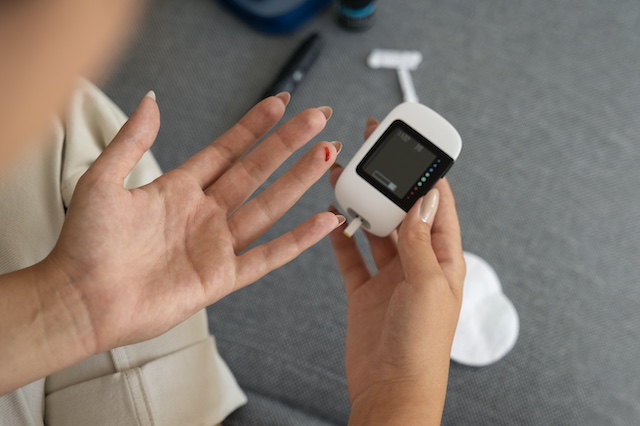
AI powered insulin delivery system set for clinical trial at UVA
Managing Type 1 diabetes (T1D) is a constant balancing act, requiring individuals to meticulously monitor their blood sugar levels and administer insulin as needed. The complexity of this task often places a significant mental and physical burden on those living with the condition. To address these challenges, researchers at the University of Virginia (UVA) are embarking on a groundbreaking clinical trial to test an artificial intelligence (AI)-powered device designed to enhance insulin delivery and simplify diabetes management.
A Cutting-Edge Clinical Trial
The trial, spearheaded by leading faculty members from UVA’s School of Data Science and the UVA Center for Diabetes Technology, seeks to evaluate a novel AI-driven feature known as the “Bolus Priming System with Reinforcement Learning” (BPS_RL). This feature, integrated into an advanced Automated Insulin Delivery (AID) system, aims to improve glucose regulation, particularly during meals and overnight, while reducing the need for user intervention.
The research team includes:
- Heman Shakeri, Assistant Professor of Data Science
- Boris Kovatchev, Founding Director of the UVA Center for Diabetes Technology, Professor at the School of Medicine, and Professor of Data Science (by courtesy)
- Anas El Fathi, Research Assistant Professor at the Center for Diabetes Technology and Assistant Professor of Data Science (by courtesy)
Postdoctoral researcher Ali Tavasoli played a crucial role in fine-tuning the BPS_RL system, creating the computer simulation that contributed to the device receiving approval from the U.S. Food and Drug Administration (FDA) for clinical evaluation.
How the Technology Works
The fully automated BPS_RL system functions as an enhancement to AIDANET, an existing diabetes management network comprising:
- A smartphone application that processes glucose data and insulin dosing algorithms
- A Dexcom continuous glucose monitor (CGM) that tracks real-time blood sugar levels
- A Tandem insulin pump that delivers insulin accordingly
By integrating reinforcement learning into this setup, the new technology dynamically adjusts insulin administration in response to real-world data. This allows for adaptive, personalised treatment without requiring continuous user input. The primary aim is to improve blood sugar stability, particularly around mealtimes and overnight, when fluctuations are most difficult to manage.
The Structure of the Clinical Trial
Set to commence in March, the trial will assess the system’s effectiveness over a three-week study period involving 16 adult participants who have previous experience using an AID system. The trial is structured as follows:
- Week 1: Participants will use the standard AIDANET system at home to establish a baseline for comparison.
- Week 2: Participants will stay in a supervised testing location, alternating between the current and AI-enhanced systems in 18-hour monitored sessions.
- Week 3: Participants will return home and use the BPS_RL-enhanced system while being remotely monitored.
To ensure robust results, half of the participants will start with the standard system before switching to the AI-enhanced version, while the other half will follow the reverse order. This crossover design will help researchers compare the two systems’ efficacy in real-world conditions.
Addressing Key Challenges in Diabetes Management
Managing T1D involves numerous variables, including food intake, physical activity, stress, and hormonal fluctuations. Traditional insulin delivery systems require user input, adding complexity and potential for miscalculations. Additionally, AID systems can be expensive and inaccessible to many.
By incorporating AI-driven adaptability, UVA’s new approach seeks to make insulin delivery more effective, less labour-intensive, and potentially more affordable. If successful, this technology could significantly reduce the burden of constant blood sugar management, offering greater peace of mind to those living with diabetes.
A Transformative Step in Diabetes Care
Professor Heman Shakeri emphasised the broader impact of this research, stating:
“This trial isn’t just about advancing technology – it’s a bold step toward transforming diabetes care and uplifting lives. We are committed to creating a fully automated, intelligent insulin delivery system that redefines diabetes management, making treatment simpler, more reliable, and entirely effortless for patients.”
Beyond optimising blood sugar control, the research team envisions a future where AI-powered insulin delivery systems reduce both the mental and financial burdens associated with diabetes care. By making these systems more adaptive, precise, and cost-effective, UVA is paving the way for a more accessible and equitable future in diabetes management.With the trial set to begin soon, the findings could mark a significant leap forward in AI-assisted healthcare, demonstrating how technology can be harnessed to improve lives and reshape the future of chronic disease management.
Read More
US bill proposes allowing AI to prescribe medications
A newly proposed bill in the United States Congress could pave the way for artificial intelligence (AI) to legally prescribe medications. If passed, the legislation would mark a significant shift in the integration of AI and machine learning technologies into medical practice, potentially expanding access to prescriptions for individuals who face challenges in securing timely healthcare appointments.
The bill, introduced by Representative David Schweikert (R-Ariz.), aims to amend the Federal Food, Drug, and Cosmetic Act, clarifying that AI systems could qualify as practitioners eligible to prescribe medications. However, these AI-driven prescribing systems would need to be both authorised by the respective state and approved by the U.S. Food and Drug Administration (FDA).
The proposed legislation was introduced in the U.S. House of Representatives in January and subsequently referred to the House Committee on Energy and Commerce for further discussion.
A Premature Move? Experts Express Caution
Despite the bill’s potential to address gaps in care, many medical experts believe that AI is not yet sophisticated enough to take on the role of a prescriber. Dr Adam Rodman, MD, MPH, a hospitalist and director of AI programmes at Beth Israel Deaconess Medical Center, as well as an assistant professor at Harvard Medical School, expressed scepticism about the current feasibility of AI-driven prescribing.
“The technology is not nearly where it needs to be for this kind of prescribing,” Rodman told MedPage Today. However, he acknowledged the rapid pace of advancements in AI. “Things are accelerating so quickly,” he said, adding, “I don’t doubt that we will be having this conversation” in the near future.
Rodman believes the bill reflects a broader enthusiasm for AI technology and its potential to bridge existing healthcare gaps. With many individuals facing difficulties in securing medical appointments, AI could, in theory, provide a solution.
However, significant concerns remain. Dr Stephan Fihn, MD, MPH, an internal medicine physician and professor at the University of Washington, warned that such a system would require an extensive regulatory framework to ensure safety and efficacy.
“There would have to be huge sets of regulations that govern this,” Fihn told MedPage Today. He pointed out that the bill does not currently specify which types of medications AI would be permitted to prescribe, in what settings, or whether human physician oversight would be required.
The Expanding Role of AI in Medicine
AI is already being applied in multiple areas of medicine, with its applications growing at a rapid pace. However, Fihn, who also serves as executive deputy editor of JAMA Network Open, believes that allowing AI to prescribe medications is a premature step.
“The application of AI and machine learning technologies, as described in the bill, seems premature,” he stated. “It appears to enable the actual prescribing of drugs, some of which are very low risk, and some of which are very high risk.”
He compared the issue to the introduction of autonomous vehicles, which have faced high regulatory scrutiny. AI-driven prescribing, he predicted, would likely be subject to similarly stringent standards. “My suspicion is that there will be a very high bar for approving these, at least initially,” he said.
Despite his reservations, Fihn ultimately believes AI prescribing could be a reality in the future. “I think it will come to be,” he said. “And to be honest, properly developed, properly tested, properly managed, and highly regulated, it could be a good thing. But this has to be proven and shown.”
The Legislative Landscape and AI’s Role in Healthcare
Representative Schweikert has yet to provide further comment on the bill, but he has previously expressed strong support for AI’s role in improving healthcare efficiency. In an interview last year with Nextgov/FCW, he argued that AI could be instrumental in reducing government costs.
“Technology has to be part of the way we bend the borrowing and debt curve,” Schweikert stated, highlighting how the broader adoption of AI could “make government better, faster, cheaper” in meeting Americans’ needs.
He also pointed to AI’s growing role in improving diagnostics and optimising both administrative and clinical operations in healthcare. “It’s here, we now just have to build the infrastructure around it,” he said, describing the emergence of a “new medical landscape.” However, he also acknowledged that “technology is starting to move much faster than our regulatory rules.”
This is not Schweikert’s first attempt at pushing for AI-driven prescribing. In January 2023, he introduced a similar bill with the same objective, but it ultimately did not advance out of committee.
A Future of AI-Driven Healthcare?
AI’s role in healthcare continues to evolve, and discussions around its potential are ongoing. In February 2024, a panel hosted by the Kaiser Family Foundation explored AI’s role in simplifying prior authorisation processes. Experts on the panel stressed the importance of “complete transparency” in AI’s use within the healthcare system.
The American College of Physicians has also weighed in on the matter. In a policy position paper published in June 2024, the organisation stated that AI should “complement, not supplant” the decision-making of physicians and other clinicians. This stance underscores the broader concern that AI should serve as an assistive tool rather than replacing human expertise.
As Schweikert’s bill moves through the legislative process, it remains unclear how much support it will garner or whether it will ultimately become law. The concept of AI prescribing medication may have seemed like science fiction only a few years ago, but the landscape is shifting.
“This isn’t sci-fi,” Rodman noted. “It’s just we aren’t there yet.”
Read More