
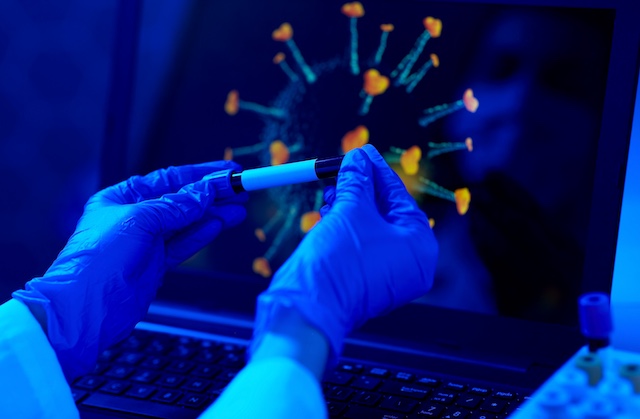
New AI Tool Pinpoints Genes and Drug Combinations That Restore Health in Diseased Cells
Key Takeaways:
- Harvard researchers have developed PDGrapher, an AI tool that identifies genes and drug combinations most likely to restore diseased cells to a healthy state.
- The model uses graph neural networks to map cellular relationships and predict effective single or combined drug targets, significantly reducing the need for exhaustive drug screening.
- PDGrapher demonstrated high accuracy and speed across multiple cancer datasets, offering promise for personalised medicine and drug discovery in complex diseases such as cancer, Parkinson’s, and Alzheimer’s.
Introduction: A new era in drug discovery
Researchers at Harvard Medical School (HMS) have unveiled a powerful artificial intelligence (AI) model capable of identifying therapies that can reverse disease at the cellular level. This innovation, published in Nature Biomedical Engineering on 9 September, could reshape how new drugs are discovered, designed, and personalised for patients.
Unlike traditional approaches that examine one protein target or drug candidate at a time, this new model — named PDGrapher and freely available to researchers — analyses multiple cellular drivers of disease. It identifies the genes most likely to return diseased cells to normal function and pinpoints the most promising single or combined drug targets to correct the underlying cellular dysfunction.
“Traditional drug discovery resembles tasting hundreds of prepared dishes to find one that happens to taste perfect,” explained senior study author Marinka Zitnik, Associate Professor of Biomedical Informatics at HMS’s Blavatnik Institute. “PDGrapher works like a master chef who understands what they want the dish to be and exactly how to combine ingredients to achieve the desired flavour.”
Limitations of traditional drug discovery
Historically, drug discovery has focused on activating or inhibiting a single protein target. This approach has produced successful therapies such as kinase inhibitors, which block proteins that drive cancer cell growth. However, Zitnik emphasised that such strategies often fall short for diseases driven by multiple interacting pathways and genes.
She noted that many recent therapeutic breakthroughs — including immune checkpoint inhibitors and CAR T-cell therapies — work by targeting broader disease processes rather than single molecules. PDGrapher aims to expand this concept by identifying drug targets that can reverse signs of disease, even when the precise molecular mechanisms are not yet fully understood.
How PDGrapher works: Mapping complex cellular networks
PDGrapher is based on a graph neural network — a form of AI that analyses not only individual data points but also the relationships and interactions between them. In biological research, this means mapping how genes, proteins, and signalling pathways influence one another inside a cell.
Instead of screening thousands of compounds blindly, PDGrapher simulates what would happen if certain genes or pathways were switched off, dialled down, or targeted with a drug. It then predicts whether these interventions would shift a diseased cell towards a healthier state.
“Instead of testing every possible recipe, PDGrapher asks: ‘Which mix of ingredients will turn this bland or overly salty dish into a perfectly balanced meal?’” said Zitnik.
Testing and validation: Proving its predictive power
To train the model, researchers fed PDGrapher a dataset of diseased cells both before and after treatment, allowing it to learn which gene changes led to recovery.
They then evaluated the tool using 19 independent datasets across 11 cancer types, combining both genetic and drug-based experiments. PDGrapher was asked to propose treatment options for samples and cancer types it had never seen before.
The model accurately predicted known drug targets that had been deliberately excluded during training and identified new candidates supported by emerging evidence. Notably, it highlighted KDR (VEGFR2) as a target for non-small cell lung cancer, consistent with clinical findings, and identified TOP2A, an enzyme already targeted by chemotherapy, as a promising target for preventing metastasis in certain tumours.
PDGrapher consistently outperformed comparable AI models — ranking correct therapeutic targets up to 35 percent higher and producing results up to 25 times faster.
Implications for future drug discovery
By focusing on targets that directly reverse disease traits, PDGrapher streamlines the drug discovery process. This allows researchers to prioritise fewer, more promising interventions and to design experiments that are faster and more cost-effective.
This capability is particularly valuable for complex diseases such as cancer, where tumours often evade therapies that strike only one target. Because PDGrapher identifies multiple disease drivers, it offers a way to design combination treatments that could prevent drug resistance.
In the future, with further validation, PDGrapher could be applied to individual patients’ cellular profiles to create personalised treatment strategies.
Broader applications and ongoing research
Beyond cancer, the research team is using PDGrapher to investigate neurological conditions such as Parkinson’s disease and Alzheimer’s disease, aiming to identify genetic drivers that could restore neuronal health.
They are also collaborating with Massachusetts General Hospital’s Center for X-linked Dystonia-Parkinsonism (XDP) to map potential drug targets for this rare, inherited neurodegenerative disorder.
“Our ultimate goal is to create a clear road map of possible ways to reverse disease at the cellular level,” Zitnik stated.
Read More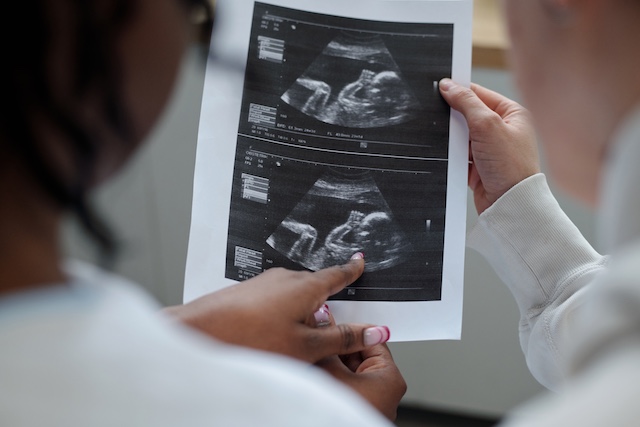
AI-Powered Pregnancy Ultrasound Set for NHS Clinical Trial
Key Takeaways:
- A new NHS-backed trial will test whether AI-assisted ultrasound scans improve detection of congenital anomalies during the 20-week pregnancy scan.
- The study will involve more than 9,500 pregnant women across four NHS hospitals and will examine cost-effectiveness, efficiency, and patient experience.
- Results, expected in 2027, could pave the way for nationwide adoption of AI tools in pregnancy screening and influence global prenatal care standards.
A major new trial in obstetric imaging
An artificial intelligence (AI) obstetric imaging tool is to be trialled across four NHS hospitals, with the aim of improving the detection of congenital problems during the routine 20-week pregnancy scan.
The trial centres on Fraiyascan, a solution developed by the UK-based FemTech start-up Fraiya in partnership with King’s College London. The technology is designed to support clinicians during anomaly scans by automating real-time image acquisition, quality checks, anatomical measurements, and aspects of clinical reporting.
Congenital abnormalities affect approximately 2% of pregnancies in the UK. Early and accurate diagnosis is critical for improving neonatal outcomes and supporting informed parental decision-making.
Trial design and scale
The clinical trial, funded by the National Institute for Health and Care Research (NIHR), will begin a phased rollout in winter 2025 and will run for 12 months. More than 9,500 pregnant women will be recruited across four sites:
- Guy’s and St Thomas’ NHS Foundation Trust
- Lewisham and Greenwich NHS Trust
- Liverpool Women’s University Hospital
- Royal Devon University Healthcare NHS Foundation Trust
The trial will compare standard ultrasound scans with AI-supported screening, focusing on cost-effectiveness, workflow efficiency, workforce impact, and patient experience.
Clinical perspectives
Professor Reza Razavi, Chief Executive at Fraiya and Chief Investigator of the trial, emphasised the potential significance:
“We see this trial as a turning point. It’s not just about proving our AI tools work, it’s about proving they add value to the health system.
As a clinician who looks after babies with congenital problems, I see the difference between those who are diagnosed in pregnancy and get planned care with parents who are fully informed and prepared for what’s to come, and those who unfortunately were not picked up during the pregnancy scans, who arrive at our hospital very unwell and without a diagnosis, with very anxious parents, and have a more difficult journey.
Fraiya’s mission is to address this problem of a lack of diagnosis during pregnancy, so all parents are aware of congenital problems with their babies, and babies are given the best care right from birth.”
Building on past innovation
Fraiya emerged from the iFIND project at King’s College London and Imperial College London – a £10 million research initiative funded by the Engineering and Physical Sciences Research Council (EPSRC) and the Wellcome Trust.
Fraiyascan itself is a CE-marked Class IIa medical device, meaning it complies with regulatory requirements for safety and performance. It has been designed to integrate directly into existing ultrasound systems and workflows, allowing clinicians to adopt it without the need for entirely new infrastructure.
Focus on real-world implementation
Dr Jackie Matthew, Chief Medical Officer and clinical academic sonographer at Fraiya, highlighted the importance of testing the system in practice:
“We’re focused on leveraging the unique capabilities of ultrasound and developing solutions to make it smarter, faster, and more reliable, with clinicians at the centre of that transformation.
This trial will assess the effectiveness of Fraiyascan in real world conditions.
Importantly, the frontline staff and patient feedback will help us to understand the acceptability of the technology, where time-pressured scans, staffing gaps, and service variability, that can affect outcomes, may also impact the performance and adoption of AI-based innovations.”
Looking ahead
If the trial demonstrates positive outcomes, Fraiyascan could be integrated into NHS workflows nationwide. Such an adoption would represent a significant shift in fetal anomaly detection, with results expected in early 2027. The findings may also inform international standards in prenatal care, potentially influencing how pregnancy scans are conducted around the world.
Fraiya’s trajectory has been supported by strong investment. Since October 2024, the company has raised £3.5 million in funding through grants, awards, venture capital, and angel investors, alongside its clinical and academic partnerships.
Read More
NHS Trial Shows AI-Scribes Improve Patient Care, Ease Clinician Workload, and Deliver Major Savings
Key Takeaways:
- AI-scribe technology increased direct patient interaction time by 23.5% and reduced appointment length by 8.2% during trials.
- Economic modelling suggests nationwide use could unlock £834 million annually through reduced documentation time and increased capacity.
- Patients, families, and clinicians reported positive experiences, with 92% of patients consenting to AI use and clinicians describing it as “transformative.”
GOSH leads major NHS study on AI-scribes
Great Ormond Street Hospital for Children (GOSH) will introduce AI-scribe technology across outpatient settings this autumn after a large-scale NHS trial revealed significant benefits for patients and healthcare professionals.
The NHS England-sponsored study, led by GOSH, evaluated TORTUS – an ambient voice AI tool that transcribes consultations and produces summarised clinical notes for clinicians to review. The technology was tested between June 2024 and February 2025 across nine NHS sites in London, including hospitals, GP practices, mental health services, and ambulance teams.
In total, more than 17,000 patient encounters were assessed, making this one of the largest AI-scribe trials to date.
Benefits for patients and clinicians
The study demonstrated that AI-scribing technology can both reduce administrative burden and enhance clinical care. Results showed a 23.5% increase in direct patient interaction time during consultations and an 8.2% reduction in average appointment length.
Dr Shankar Sridharan, chief clinical information officer at GOSH NHS Foundation Trust, emphasised the significance of the findings:
“This trial is significant as it shows the NHS can lead the way in safely adopting AI. Innovation can’t happen in isolation and by working collaboratively to test this technology across London – from hospitals to ambulances – we’ve proven it can work at scale and make a real difference for both patients and clinicians.”
Emergency care impact
Emergency departments saw particularly notable gains. At St George’s University Hospital, the trial demonstrated a 13.4% increase in patients seen per shift, while the time required to complete initial patient notes was halved.
Dr Ahmed Mahdi, consultant in emergency medicine at St George’s, said:
“In such a fast-paced, high-pressured environment, every second counts – and this technology allows us to be more efficient, cut down on admin, and ultimately focus on patient care. Better use of technology is central to the future of the NHS, and it’s exciting to be at the forefront of an innovative pilot that’s truly reshaping how we deliver care.”
Positive experiences for staff and patients
Clinicians widely described the AI-scribing tool as “transformative.” Benefits were reported across multiple groups, including neurodivergent staff and those working in highly pressured settings. The trial measured a 35% reduction in clinicians feeling overwhelmed by notetaking, an area of particular concern in demanding environments.
Patients and families also welcomed the technology. With 92% consenting to AI-scribe use, many reported improved engagement during consultations, reflecting the greater focus clinicians could place on listening and interaction rather than typing.
National implications and economic modelling
Dr Vin Diwakar, clinical transformation director at NHS England, highlighted the broader potential:
“Allowing clinicians to spend nearly 25% more of their time interacting with patients and less time typing into a computer improves patient care and reduces the burden of administrative tasks. We’re striving to bring the benefits of innovations like this to the frontline so we can transform healthcare for patients as part of the 10 year health plan.”
Economic analysis conducted by the York Health Economics Consortium showed that if each clinician could see one additional patient per shift, this would generate £270.93 of added capacity per day. Extrapolated nationally across 11,055 A&E clinicians in England, this equates to 9,259 additional consultations per day, saving £176 million in documentation time and unlocking an additional £658 million in capacity annually.
Establishing a national framework
The findings of the trial have directly informed NHS England’s national guidance on AI-enabled scribing. They have also shaped the creation of the NHS T.E.S.T. Framework, a new national model for evaluating AI technologies in healthcare to ensure that innovation is implemented safely, effectively, and consistently across the system.
With GOSH set to roll out AI-scribes across its outpatient departments later this year, the trial marks a turning point in how technology can ease pressure on healthcare staff while enhancing patient experience.
Read More
AI stethoscope could transform early detection of heart disease
Key takeaways:
- An AI-powered stethoscope has been shown to detect heart failure, heart valve disease and abnormal rhythms within seconds.
- A large study involving over 12,000 patients found the device improved detection rates significantly compared with standard care.
- Researchers describe the tool as a potential “game-changer” that could enable earlier diagnosis and treatment across the NHS.
A 21st-century update to the stethoscope
The stethoscope, first invented in 1816, has been an essential tool for physicians to listen to the internal sounds of the body. More than two centuries later, researchers in the United Kingdom have reimagined it with artificial intelligence.
A team from Imperial College London and Imperial College Healthcare NHS Trust has developed a device that can identify three serious heart conditions almost instantly: heart failure, heart valve disease and abnormal heart rhythms. Unlike the traditional stethoscope, this new version replaces the chest piece with a device about the size of a playing card. It uses a microphone to capture sounds from the heart and blood flow, detecting subtle variations that are often beyond the range of the human ear.
The device also performs an electrocardiogram (ECG), recording the heart’s electrical activity. This data is securely uploaded to the cloud, where AI models trained on tens of thousands of patient records analyse it to produce rapid diagnostic insights.
Findings from a large-scale NHS study
In a study covering 205 GP practices across west and north-west London, more than 12,000 patients were examined using the AI-enabled stethoscope. Their results were compared with patients from 109 GP practices where the technology was not deployed.
The outcomes were striking:
- Patients assessed with the AI device were 2.33 times more likely to be diagnosed with heart failure within 12 months.
- Abnormal heartbeat patterns, which often have no obvious symptoms but carry a higher risk of stroke, were 3.5 times more detectable using the tool.
- Heart valve disease was 1.9 times more likely to be identified compared with usual practice.
Researchers believe these improvements in early detection could allow many more people to begin treatment before their condition progresses to an advanced stage.
Clinical perspectives
Dr Sonya Babu-Narayan, clinical director at the British Heart Foundation (BHF) and consultant cardiologist, emphasised the significance of the innovation:
“This is an elegant example of how the humble stethoscope, invented more than 200 years ago, can be upgraded for the 21st century.”
She added that these technologies are crucial in tackling heart disease:
“So often this condition is only diagnosed at an advanced stage when patients attend hospital as an emergency. Given an earlier diagnosis, people can access the treatment they need to help them live well for longer.”
Next steps for NHS adoption
The findings were presented at the European Society of Cardiology annual congress in Madrid, the world’s largest cardiology conference, attended by thousands of doctors and researchers.
Following the successful trial, there are now plans to introduce the AI stethoscope to GP surgeries in south London, Sussex and Wales. Researchers hope that in time the device will be available throughout the NHS, transforming how heart disease is detected and managed in primary care.
Read More
Text message–based support shows promise in preventing childhood obesity
Key Takeaways:
- A large US study has demonstrated that text message interventions for parents can significantly reduce the risk of childhood obesity by age two.
- The Greenlight Plus Trial found that adding personalised digital support to routine paediatric counselling cut obesity rates nearly in half across diverse populations.
- Researchers say the approach highlights the potential of mobile technology to deliver scalable, equitable early prevention strategies.
The growing challenge of childhood obesity
Recent estimates from the United States Centers for Disease Control and Prevention (CDC) indicate that almost one in five children in the country is living with obesity. Evidence shows that obesity frequently begins in infancy, which underscores the importance of interventions during the earliest stages of life. Without such efforts, many children face an elevated risk of developing long-term health problems, including cardiovascular disease and type 2 diabetes.
Innovative study design
In response to this urgent challenge, researchers launched the Greenlight Plus Trial, a large multisite study co-led by Dr Eliana Perrin, Bloomberg Distinguished Professor of Primary Care in the Department of Paediatrics at the Johns Hopkins School of Medicine and the School of Nursing.
The study sought to integrate health literacy–informed counselling provided in paediatric clinics with a digital intervention designed to support parents from their child’s birth until the age of two. Families in the intervention arm received not only traditional paediatric guidance but also an automated, interactive programme of text messaging coupled with access to a web-based dashboard.
How the intervention worked
The digital intervention offered several complementary functions:
- Text messages delivered guidance encouraging healthier choices, such as promoting water and milk instead of juice or sugary drinks, supporting physical activity, and discouraging excessive screen time.
- Messages were interactive, enabling parents to set goals, monitor progress, and receive immediate feedback and practical tips tailored to their child’s development and the family’s reported behaviours.
- The web-based dashboard provided parents with tools to track their child’s weight and length, view progress towards goals, and access educational content from the intervention programme.
Key findings
The results showed a measurable impact on early childhood growth trajectories. Children whose parents received the digital intervention demonstrated significantly healthier weight-for-length patterns across the first two years of life, and most notably, obesity rates at age two were reduced.
Dr Perrin explained the significance of the findings:
“These results were a really big deal. We found that the intervention reduced childhood obesity from a rate of about 13% to a rate of about 7%, which is a relative reduction of about 45%! Ours was the first multisite intervention that resulted in the primary prevention of obesity in a diverse group of children ever, suggesting a huge potential for impact if implemented on a larger scale.”
The outcomes were consistent across a diverse population, including groups that are known to be at higher risk of childhood obesity, strengthening the evidence for the intervention’s potential to reduce health inequities.
Implications for paediatric care
The Greenlight Plus Trial highlights the promise of mobile health technology in providing accessible, personalised, and scalable support for families. By delivering targeted guidance in an interactive and engaging format, the intervention offers a practical way to extend paediatric care beyond the clinic and into the home environment.
The approach also points to a broader shift in thinking about how healthcare systems can address early health inequities and prevent long-term conditions through simple, widely deployable tools.
Next steps
Dr Perrin has received additional funding from the Patient-Centered Outcomes Research Institute (PCORI) to continue following the cohort of children involved in the study as they progress to early school age. This extended research will provide crucial insights into whether the benefits of the intervention persist beyond the first two years of life.
Read More
AI-driven documentation improves physician well-being and patient care
Key Takeaways:
- AI-driven ambient documentation tools were linked to marked reductions in burnout and improved well-being among healthcare professionals in two large health systems.
- Physicians reported benefits such as more time with patients, improved work–life balance, and a renewed sense of joy in clinical practice.
- While findings are promising, researchers emphasised the need for broader studies as current results may reflect the views of early adopters and more enthusiastic users.
AI scribes transform clinical documentation
Artificial intelligence (AI)-driven scribes that record patient visits and generate draft clinical notes for review have been shown to significantly reduce burnout among healthcare professionals. According to a new study led by Mass General Brigham (MGB), these tools also improved overall well-being.
The study, published in JAMA Network Open, surveyed more than 1,400 physicians and advanced practice providers across two major healthcare systems – the Harvard-affiliated Mass General Brigham in Boston and Emory Healthcare in Atlanta.
At MGB, the use of ambient documentation technologies was associated with a 21.2 percent absolute reduction in burnout prevalence after 84 days. At Emory Healthcare, clinicians reported a 30.7 percent absolute increase in documentation-related well-being after 60 days.
Burnout and its link to electronic health records
More than half of physicians in the United States experience burnout. A key driver is the time spent maintaining electronic health records (EHRs), particularly after working hours. Anticipating the need to complete notes following patient appointments has also been shown to contribute significantly to stress and fatigue.
“Ambient documentation technology has been truly transformative in freeing up physicians from their keyboards to have more face-to-face interaction with their patients,” explained study co-senior author Dr Rebecca Mishuris, Chief Medical Information Officer at Mass General Brigham, faculty member at Harvard Medical School, and a practising primary care physician. “Our physicians tell us that they have their nights and weekends back and have rediscovered their joy of practising medicine. There is literally no other intervention in our field that impacts burnout to this extent.”
Benefits and limitations of AI-driven documentation
Physicians and advanced practice providers who piloted the tools highlighted several advantages. These included greater opportunities for “contact with patients and families”, enhanced “joy in practice”, and the potential to “fundamentally [change] the experience of being a physician”.
However, some users reported drawbacks. A minority felt that the tools added time to their note-writing or that they were less effective for certain medical specialties or visit types. Importantly, since the pilot studies began, AI vendors have continued to refine their technologies based on user feedback, and the underlying large language models have become increasingly sophisticated.
“Burnout adversely impacts both providers and their patients who face greater risks to their safety and access to care,” said co-senior study author Dr Lisa Rotenstein, Director of the Center for Physician Experience and Practice Excellence at Brigham and Women’s Hospital and Assistant Clinical Professor of Medicine at the UCSF School of Medicine. “This is an issue that hospitals nationwide are looking to tackle, and ambient documentation provides a scalable technology worth further study.”
Study design and findings
The research team analysed survey data from pilot users of ambient documentation across the two systems.
- At MGB, 873 clinicians were surveyed before enrolment, and then again at 42 and 84 days. Response rates were approximately 30 percent at 42 days and 22 percent at 84 days.
- At Emory Healthcare, all 557 pilot users were surveyed before the pilot began and again after 60 days, with an 11 percent response rate.
Researchers measured various indicators of burnout at MGB and well-being at Emory. While results were consistently positive, the authors cautioned that the findings may be skewed towards more enthusiastic early adopters due to the limited response rates.
Scaling up ambient documentation
Mass General Brigham first launched its ambient documentation programme in July 2023 with just 18 physicians as part of a proof-of-concept pilot. By July 2024, the programme had expanded to more than 800 providers, testing two separate AI technologies. As of April 2025, the tools have been rolled out to all physicians within the system, with more than 3,000 regularly using them.
Plans are also underway to extend the technology to other healthcare professionals, including nurses, physical and occupational therapists, and speech-language pathologists.
“Ambient documentation technology offers a step forward in healthcare and new tools that may positively impact our clinical teams,” noted lead study author Dr Jacqueline You, Digital Clinical Lead and Primary Care Associate Physician at Mass General Brigham. “While stories of providers being able to call more patients or go home and play with their kids without having to worry about notes are powerful, we feel the burnout data speak similar volumes of the promise of these technologies, and importance of continuing to study them.”
Future directions
The study authors emphasised the importance of ongoing evaluation. Researchers plan to continue measuring rates of burnout and time spent on clinical documentation both during and outside of working hours. They aim to determine whether improvements persist as the technologies evolve or if the early gains plateau or decline over time.
Overall, the findings suggest that AI-powered ambient documentation tools hold considerable promise for reducing administrative burdens, supporting well-being, and enhancing the patient–clinician relationship, though their long-term impact remains to be fully understood.
Read More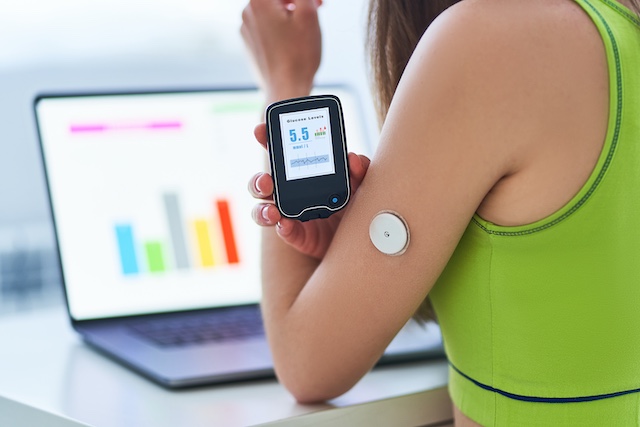
AI-powered precision health and lifestyle coaching improves outcomes in people with type 2 diabetes, Cleveland Clinic-led study finds
Key Takeaways:
- 71% of participants using the AI-enabled intervention achieved an A1C of below 6.5% with reduced reliance on glucose-lowering medications, compared with only 2.4% in standard care.
- The intervention group experienced greater weight loss, improved quality of life, and higher treatment satisfaction scores.
- Use of glucose-lowering medications, including GLP-1 receptor agonists and insulin, was markedly reduced among those using the AI-supported approach.
Personalising diabetes care with artificial intelligence
New research led by Cleveland Clinic has shown that a bundled precision health programme combining artificial intelligence (AI), wearable sensors, and lifestyle coaching can significantly improve outcomes for people living with type 2 diabetes.
The findings, published in The New England Journal of Medicine Catalyst, revealed that 71% of participants in the intervention group achieved the target of lowering their haemoglobin A1C to below 6.5% using fewer medications. By contrast, only 2.4% of those receiving standard care achieved the same outcome.
Dr Kevin M. Pantalone, Director of Diabetes Initiatives at Cleveland Clinic and professor of medicine at the Cleveland Clinic Lerner College of Medicine, served as the study’s primary investigator.
How the system works
The intervention, developed by Twin Health and called Twin Precision Treatment, integrates AI-driven insights with continuous monitoring and personalised guidance. The system gathers real-time data on blood glucose, weight, blood pressure, physical activity, and sleep through wearable sensors and Bluetooth-enabled devices such as continuous glucose monitors.
This data is analysed by AI, which predicts an individual’s blood glucose responses to specific meals and generates personalised dietary recommendations. The system also provides tailored exercise guidance and includes human telecoaching to support behaviour change. All information is delivered through a smartphone app, enabling individuals to make sustainable lifestyle adjustments in real time.
Dr Pantalone explained:
“In routine clinical practice, type 2 diabetes is often treated with a one-size-fits-all approach where individuals are prescribed medications and told to ‘watch their diet and stay active.’ By leveraging personalised lifestyle modifications to understand each patient’s unique metabolic profile, the tool enabled individuals to make impactful lifestyle choices. The results show that with the right tools, we can not only manage type 2 diabetes more effectively but also reduce dependence on glucose-lowering medications.”
Details of the clinical trial
The trial enrolled 150 participants, recruited through collaboration with 13 Cleveland Clinic primary care physicians. Of these, 100 individuals were assigned to the bundled intervention group, while 50 received standard care.
On average, participants were:
- 58.5 years old
- Living with type 2 diabetes for approximately nine years
- Presented with a mean body mass index (BMI) of 35.1
- Had an average A1C of 7.2% at baseline
All participants were prescribed metformin, with dosages adjusted as needed. The primary endpoint was achieving an A1C below 6.5% after 12 months while taking no diabetes medication other than metformin.
Significant improvements across outcomes
The results were striking:
- 71% of participants in the intervention group achieved the primary endpoint, compared with 2.4% in the standard care group.
- Participants in the intervention group lost 8.6% of body weight on average, compared with 4.6% in the standard care group.
- Quality-of-life scores and treatment satisfaction were notably higher in the intervention group.
Medication use also declined sharply among participants using the AI-enabled approach:
- GLP-1 receptor agonist use decreased from 41% to 6%
- SGLT-2 inhibitor use decreased from 27% to 1%
- Dipeptidyl peptidase-4 (DPP-4) inhibitor use decreased from 33% to 3%
- Insulin use decreased from 24% to 13%
Broader implications
According to the US Centers for Disease Control and Prevention, nearly one in ten Americans has diabetes, with around 90% of cases being type 2 diabetes. Long-term elevated blood glucose levels are linked to serious complications such as cardiovascular disease, kidney disease, stroke, and premature death.
Dr Pantalone emphasised the wider significance of the findings:
“Overall, our study demonstrated the AI-enabled, bundled system of sensors and coaching facilitated significant improvements in glycaemic control, weight loss, and quality of life versus usual care, while allowing marked de-escalation of glucose-lowering pharmacotherapy. Interventions like this system can help patients make informed, lasting lifestyle changes to control their blood sugar.”
He also highlighted the critical role of primary care in the study’s success:
“The trusted relationships between primary care physicians and their patients were instrumental in identifying, engaging and enrolling participants. This collaboration underscores the importance of clinical research beginning in the exam room, where meaningful conversations and change can take root.”
Read More
Eli Lilly enters $1.3 billion partnership with Superluminal to use AI in obesity drug discovery
Key Takeaways:
- Eli Lilly has signed a $1.3 billion agreement with Superluminal Medicines to develop new obesity and cardiometabolic drugs using artificial intelligence.
- The collaboration focuses on G-protein-coupled receptors (GPCRs), a key but underexplored target class for small-molecule therapies.
- Superluminal will receive upfront and milestone payments, equity investment, and royalties, while retaining ownership of its lead candidate for rare genetic obesity.
Expanding Lilly’s reach in obesity care
Eli Lilly, one of the world’s leading pharmaceutical companies, has signed a $1.3 billion agreement with Superluminal Medicines, a privately held biotechnology company based in Boston. The deal aims to accelerate the discovery and development of small-molecule drugs for obesity and cardiometabolic diseases using Superluminal’s artificial intelligence (AI)-driven platform.
The global obesity treatment market is forecast to reach an estimated value of $150 billion within the next decade. Lilly already commands a dominant position in this field through its blockbuster injectable therapies, but the company is seeking to expand its influence further by investing in next-generation treatments, acquisitions, and strategic partnerships.
Details of the agreement
Under the terms of the collaboration, Lilly will receive exclusive rights to develop and commercialise drug candidates identified through Superluminal’s AI platform. This platform targets G-protein-coupled receptors (GPCRs) – a large and diverse family of proteins that regulate essential physiological processes including metabolism, immune responses, and cell growth.
Superluminal confirmed that, as part of the agreement, it will be eligible to receive upfront and milestone-based payments, equity investment, and tiered royalties on future net sales.
The scientific focus: GPCRs and obesity
Drug developers are increasingly turning their attention to GPCRs as potential targets for small-molecule therapies for obesity. Unlike injectable treatments such as glucagon-like peptide-1 (GLP-1) receptor agonists, orally active small molecules could offer greater accessibility and convenience.
“GPCRs have established themselves as very important targets in the obesity and cardiometabolic landscape, but we’re at the very early stages of exploration of the target class,” said Superluminal Chief Executive Officer Cony D’Cruz in an interview with Reuters.
This area is drawing strong interest across the sector. Danish rival Novo Nordisk announced a $2.2 billion deal in May with US biotechnology company Septerna to pursue GPCR-directed small-molecule therapies.
Lilly’s strategy beyond GLP-1 medicines
Lilly has benefited significantly from the widespread demand for GLP-1 receptor agonist medicines, including its high-profile drug Zepbound, which competes with Novo Nordisk’s Wegovy. The company is also developing orforglipron, an oral GLP-1 therapy, though investor confidence in this candidate has so far been muted.
Last year, Lilly partnered with Hong Kong-listed biotechnology company Laekna to create an experimental obesity therapy designed to support weight reduction while preserving lean muscle mass.
Superluminal’s pipeline and investors
While the new partnership with Lilly covers drug candidates emerging from its AI-guided discovery platform, Superluminal continues to develop its own wholly owned lead candidate. This investigational therapy targets the melanocortin 4 receptor, a protein implicated in rare, genetic forms of obesity. The company expects to advance this programme into human trials by the fourth quarter of next year. Importantly, this candidate is not included in the deal with Lilly.
Superluminal has secured investment from several high-profile backers, including RA Capital Management, Insight Partners, and NVentures, the venture capital arm of technology giant NVIDIA.
Read More
AI chatbot PEACH to save Singapore General Hospital over 600 junior doctor hours annually
Key Takeaways:
- Clinicians at Singapore General Hospital (SGH) have created an AI-powered chatbot, PEACH, to streamline preoperative assessments and support surgical preparation.
- In validation studies, the tool achieved 98% accuracy in making recommendations and reduced documentation time by nearly six minutes per patient.
- Deployment of PEACH is projected to save more than 600 junior doctor hours and about 60 senior doctor hours each year.
Development of the PEACH chatbot
Clinicians at Singapore General Hospital (SGH) have designed an AI-powered chatbot to assist with preoperative assessments and surgery preparation. The tool, named PEACH (Perioperative AI Chatbot), was created specifically for the hospital’s Preoperative Assessment Clinic.
The development process was a collaboration between SGH and Open Government Products, a team within the Singaporean government that brings together engineers, designers, and product managers to build technology solutions. Together, they integrated SGH’s extensive perioperative guidelines into a large language model-based AI assistant, making these guidelines more accessible and easier to apply in daily clinical practice.
How PEACH works
Doctors using PEACH input relevant patient data drawn from electronic health records. The chatbot can then:
- Answer perioperative anaesthesia-related questions.
- Draft referral letters and patient instructions.
- Summarise key anaesthesia issues.
- Generate comprehensive perioperative care plans.
Beyond these core functions, PEACH can also triage patients scheduled for surgery, advising whether they should be assessed over the phone, in person at the clinic, or on the day of surgery itself.
Findings from validation studies
The research team at SGH conducted two studies between November and February to evaluate PEACH’s performance. The results have been published in npj Digital Medicine and were presented at Euroanesthesia, the annual anaesthesiology and intensive care congress in Portugal.
- First study – accuracy and reliability
In 240 chatbot interactions, PEACH achieved 98% accuracy in making preoperative recommendations. The rate of AI hallucination (false or fabricated information) was less than 2 per cent, while guideline deviation was under 1 per cent. - Second study – clinical application
Over 270 actual patient assessments were examined. Clinicians primarily used PEACH for more complex cases and gave the tool high ratings for safety, clarity, and explainability. Independent human reviewers confirmed the accuracy of its outputs.
In medium-complexity cases, PEACH reduced documentation time by nearly six minutes per patient. Researchers estimated this would save over 600 hours of junior doctors’ time and around 60 hours of senior doctors’ time every year.
Following these results, Singapore’s Health Sciences Authority approved the deployment of PEACH in clinical practice.
Why this innovation matters
SGH’s preoperative clinic manages approximately 25,000 patients each year. For each case, doctors must review more than 400 pages of perioperative guidelines, which are frequently updated. SGH noted that “consistent adherence” to these evolving guidelines is challenging and can lead to suboptimal preparation or even postponements of surgeries.
By streamlining this process, PEACH not only reduces administrative burden but also improves consistency in patient preparation. Another key advantage is its ability to triage patients effectively, helping the hospital reduce waiting times and allocate resources more efficiently.
Dr Hairil Rizal, Associate Professor at SGH’s Department of Anaesthesiology and senior author of the PEACH papers, explained:
“[The] system’s ability to triage patients effectively means we can better allocate our resources where they’re needed most. This is about working smarter to deliver better care.”
Part of a wider trend in AI at SGH
PEACH builds on SGH’s earlier work with artificial intelligence. Two years ago, the hospital implemented a predictive AI tool to assess patients’ fitness for surgery, based on its Combined Assessment of Risk Encountered in Surgery (CARES) calculator, enhanced through machine learning.
More recently, SGH researchers collaborated with the A*STAR Institute of Molecular and Cell Biology to create an AI system capable of predicting liver cancer recurrence. These initiatives reflect SGH’s broader strategy of incorporating AI technologies into clinical workflows to improve efficiency and patient outcomes.
Voices from the team
Dr Ke Yuhe, Associate Consultant in Anaesthesiology at SGH and lead on the PEACH project, stated:
“PEACH represents a significant step forward in how we manage preoperative assessments. By integrating our comprehensive perioperative guidelines with AI technology, we’ve created a tool that not only enhances patient safety but also helps doctors make more efficient and consistent decisions.”
Dr Rizal added:
“What excites me most about PEACH is how it’s transforming our clinical workflow at [the preoperative clinic]. When you’re seeing thousands of pre-surgery patients annually, every minute saved on administrative tasks is a minute gained for patient care.”
Read More
AI and UK Biobank data used to predict early onset of multiple age-related diseases
Key Takeaways:
- Researchers at the University of Westminster have developed an AI model capable of predicting the early onset of 38 age-related diseases by analysing extensive UK Biobank health data.
- The study identified three major clusters of diseases where early onset of one condition often signals increased risk of others.
- This predictive method estimates risk from birth, enabling earlier interventions to slow disease progression and reduce strain on healthcare systems.
New AI approach to predict disease onset
A research team from the University of Westminster’s Research Centre for Optimal Health (ReCOH) has created an artificial intelligence (AI) method capable of predicting the early onset of 38 age-related diseases. The approach relies on analysis of large-scale health data from the UK Biobank and could help clinicians intervene before symptoms appear, improving long-term outcomes and easing pressure on healthcare services.
The findings, published in GeroScience on 27 June 2025, show that conditions such as rheumatoid arthritis and dementia could be detected at a pre-symptomatic stage. This allows for timely preventive measures, potentially delaying the onset of disease.
Large-scale data enables powerful predictions
The research analysed health information from more than 60,000 UK Biobank participants. Data included:
- Blood test results
- Body measurements
- Magnetic resonance imaging (MRI) scans
- Detailed medical histories
These were used to train a neural network-based risk prediction model. Unlike conventional approaches, which predict health risks from the date of a specific health check, this model estimates risk from birth. This means it can identify people who may be ageing more rapidly than average, allowing for earlier, targeted interventions.
Lead author Dr Mica Ji explained the importance of this approach:
“The biomedical community has long suspected that the age at which someone develops a health condition is as important of a clue to their health trajectory as the binary statement of whether they had or will have a diagnosis.
Our study provides evidence for this hypothesis by showing that early onset risk of a given health condition is generally a strong predictor of early onset of multiple other conditions.
On a practical level, our paper is a showcase of the kind of large-scale multi-disease study that would not be possible without UK Biobank and its MRI imaging effort.
The scale of UK Biobank data has been crucial to get the volume of data required to train the data-hungry neural network models in the study.”
Identifying disease clusters
The model was applied to 47 different health conditions to examine which tend to occur together and to determine the most important predictors of disease onset. The analysis revealed three distinct clusters:
- Cardiometabolic diseases
- Digestive-neuropsychiatric diseases
- Vascular-neuropsychiatric diseases
The study found that developing one condition within these clusters at an earlier-than-average age often indicated a heightened risk of developing others in the same group.
Imaging’s role in early detection
Professor Louise Thomas, Professor of Metabolic Imaging at the University of Westminster and a close contributor to the UK Biobank imaging project, emphasised the significance of precise body measurements in disease prediction:
“Mica’s research marks a significant advancement in our understanding of how and when age-related diseases develop.
By highlighting the critical role of precise imaging in detecting early physiological changes, this work underscores the value of detailed body measurements in predicting disease onset.
The ability to identify individuals at risk earlier and with greater accuracy paves the way for proactive, personalised interventions—ultimately helping to reduce risk and improve long-term health outcomes.”
UK Biobank imaging milestone
In related news, UK Biobank announced that more than 100,000 participants have now undergone whole-body scans as part of its extensive imaging project. The initiative aims to enhance early detection, refine diagnosis, and inform more personalised treatment plans across a wide range of health conditions.
Read More
Digital heart health tool linked to significant blood pressure reductions in women before and after menopause
Key Takeaways:
- One of the largest studies of a digital heart health programme has found that Hello Heart significantly reduces blood pressure in women, particularly those in perimenopause and postmenopause.
- Blood pressure reductions were sustained over 12 months, even among women with severely elevated baseline levels.
- The findings highlight the potential of targeted digital tools to address a long-overlooked cardiovascular risk window in women’s health.
Introduction
A new peer-reviewed study published in the American Journal of Preventive Cardiology has found that the Hello Heart digital heart health programme is associated with meaningful reductions in blood pressure among people with hypertension, particularly among women undergoing perimenopause and postmenopause. These are life stages where cardiovascular risk rises sharply, yet care and prevention strategies are often lacking.
The study, titled “Blood Pressure Reduction by Gender and Menopause Status Among Hypertensive Participants of a Mobile Health Cardiovascular Risk Self-Management Program”, analysed data from over 48,000 participants enrolled in the Hello Heart programme between July 2015 and September 2023. Women comprised 55 percent of the study cohort, making this one of the largest evaluations to date of a digital intervention focused on cardiovascular health in women.
Results: Blood pressure reductions across sex and menopause status
The study found that participants using the Hello Heart app experienced statistically significant and sustained reductions in blood pressure. Although the programme was effective for all users, women achieved particularly notable results.
- Greater reductions in women: Women experienced greater improvements in blood pressure than men, even after adjusting for confounding factors such as age and medication use.
- Improvement during menopause: Women in postmenopause, despite having higher baseline blood pressure levels, achieved blood pressure reductions comparable to their premenopausal peers.
- Impact on those at highest risk: Among individuals with stage 2 hypertension (≥140 mmHg), reductions were sustained over 12 months, and women in this group achieved greater reductions than matched male participants.
Dr Jayne Morgan, the study’s lead author, cardiologist, and Vice President of Medical Affairs at Hello Heart, commented:
“This study is a crucial step forward in understanding how to support women at a time when they face heightened cardiovascular risk. We’ve known for years that menopause is a turning point for heart health, but until now, there’s been little data on scalable, effective ways to intervene during this phase. These findings show that digital tools can help close the gap.”
About the Hello Heart programme
Hello Heart is a mobile-based digital health platform designed to help individuals self-manage their cardiovascular risk. The programme combines several features:
- A Bluetooth-connected blood pressure monitor
- Reminders and tools to support medication adherence
- AI-driven personalised coaching
- Educational content tailored specifically to people in menopause
By integrating behavioural science and personalised insights, the programme aims to empower individuals to make sustained changes in cardiovascular health behaviours. The targeted educational content for menopausal women is a distinguishing feature and was cited in the study as a likely contributor to the improvements seen.
Experts call for proactive use of digital health in women’s heart care
Dr Erin Michos, Professor of Medicine and Director of Women’s Cardiovascular Health at Johns Hopkins University School of Medicine, and a co-author of the study, highlighted the significance of digital access:
“Menopause is a time of change, but it should not be the beginning of cardiovascular decline. Accessible digital health programmes like Hello Heart’s can empower women with actionable tools to reduce risk of a serious event.”
Dr Martha Gulati, Director of Cardiovascular Prevention and Associate Director of the Barbra Streisand Women’s Heart Center at Cedars-Sinai, echoed this sentiment:
“We need to think of menopause as a window of opportunity when it comes to heart health and get proactive about helping women understand their risk and take action. This is a strong example of how we can do that.”
A scalable solution for a neglected risk window
The study’s findings add weight to the growing call for tailored, sex-specific strategies in cardiovascular prevention. Menopause is now widely recognised as a critical juncture for cardiovascular health, yet many routine care models still overlook this stage.
By demonstrating that a scalable, app-based intervention can deliver measurable and lasting benefits for women during and after menopause, the study represents a promising step forward in closing the gender gap in heart health outcomes.
Read More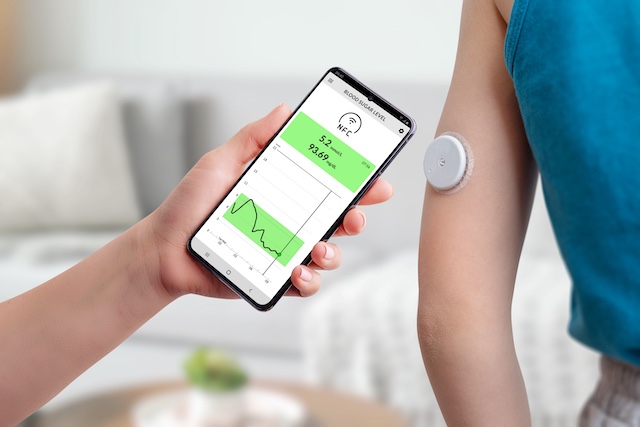
AI detects unseen diabetes risk in people with normal blood sugar levels
Key Takeaways:
- A large-scale, multimodal study found that many individuals with ‘normal’ glucose test results still experience harmful glucose spikes, revealing hidden diabetes risk.
- Using continuous glucose monitoring (CGM) and machine learning, researchers developed a personalised glycaemic risk model that outperformed standard tools such as HbA1c.
- The model revealed wide risk variability among people with prediabetes and highlighted the influence of microbiome diversity, diet, and lifestyle on glucose regulation.
Rethinking Glucose Testing in Diabetes and Prediabetes
A new study published in Nature Medicine has shown that current diagnostic methods for type 2 diabetes (T2D) and prediabetes may be missing key signals. Researchers analysed detailed health data from over 2,400 individuals, identifying significant differences in glucose spike patterns between those with normoglycaemia, prediabetes, and T2D — even when standard test results appeared normal.
The study’s central innovation is a multimodal risk model that integrates diverse data sources to build personalised glycaemic risk profiles. These profiles may help identify individuals with prediabetes who are at greater risk of progressing to T2D, offering a more precise and inclusive alternative to existing tools such as fasting glucose and glycated haemoglobin (HbA1c).
A Complex Picture of Blood Sugar Regulation
Despite being widely used, HbA1c and fasting glucose do not fully capture the complexity of glucose regulation. Blood glucose fluctuations can be influenced by numerous factors — including diet, genetics, sleep, stress, gut microbiome composition, physical activity, and age. Of particular concern are postprandial glucose spikes, defined as increases of at least 30 mg/dL within 90 minutes of eating, which have been documented in people who otherwise appear healthy.
“Many people have these hidden spikes in blood sugar that are not captured by the standard diagnostics,” said Eran Segal, senior author of the study and a computational biologist at the Weizmann Institute of Science in Israel.
The PROGRESS Study: A Multimodal Approach to Glycaemic Risk
To investigate glycaemic variability more comprehensively, the researchers conducted the PROGRESS study — a fully remote, U.S.-based digital clinical trial. A total of 1,137 participants were enrolled, 48.1% of whom identified as being from groups historically underrepresented in biomedical research. Participants spanned the full glycaemic spectrum from normoglycaemia to type 2 diabetes.
In addition to wearing continuous glucose monitors (CGMs) for 10 days, participants provided blood, stool, and saliva samples from home, submitted electronic health records, and logged food intake and lifestyle habits via mobile apps. The team excluded individuals with conditions likely to skew results, such as recent antibiotic use, pregnancy, or type 1 diabetes.
CGM data were processed into one-minute intervals, and six key glycaemic metrics were calculated:
- Average glucose
- Time spent in hyperglycaemia
- Spike frequency
- Spike duration
- Nocturnal hypoglycaemia
- Spike resolution time
Complementary data included heart rate, sleep patterns, diet, physical activity, genomic profiles (including polygenic risk scores), and gut microbiome diversity.
Building and Testing a Machine Learning Model
Using this rich dataset, the researchers developed a machine learning model that combined data on demographics, anthropometrics, diet, microbiome, and CGM output. The goal was to predict glycaemic status and identify hidden risks.
To validate the model, they applied it to a second dataset — the Israeli Health and Prevention Project (HPP) — a longitudinal observational study of over 1,300 individuals. The model achieved high accuracy in distinguishing normoglycaemia from T2D and, importantly, revealed substantial variability in risk levels among people with prediabetes, even when HbA1c values were identical.
What the Data Revealed
Of the 1,137 individuals enrolled in the PROGRESS study, 347 were included in the final analysis:
- 174 with normoglycaemia
- 79 with prediabetes
- 94 with T2D
Key findings included:
- Glucose spike metrics differed significantly across groups, especially between T2D and the others.
- Prediabetic individuals more closely resembled normoglycaemic individuals than those with T2D in terms of spike frequency and intensity.
- Gut microbiome diversity was inversely associated with glucose spikes — suggesting that a more diverse microbiome supports healthier glucose control.
- Higher body mass index (BMI), resting heart rate, and HbA1c were linked to worse glycaemic outcomes.
- Physical activity was associated with more stable glucose levels, while higher carbohydrate intake led to faster spike resolution but also more frequent and intense spikes.
Implications for Diabetes Prevention
This study offers several key insights:
- Standard diagnostic tools may miss important warning signs, particularly among people with prediabetes.
- Personalised, multimodal risk profiling can detect hidden glucose dysregulation and guide early interventions.
- The model’s success in a diverse, decentralised cohort also highlights the potential of remote, real-world clinical research to advance precision medicine.
“We see people with the same HbA1c level but very different glucose dynamics,” said Segal. “By using continuous glucose monitoring and other personalised data, we can find those at greater risk earlier.”
Limitations and Future Directions
While the study design and analysis were robust, several limitations must be acknowledged:
- CGM performance can vary by device.
- Self-reported data, such as food logs, may introduce errors.
- Some participants were using antihyperglycaemic medications, which could influence results.
Further research is needed to validate findings in broader populations and assess the long-term predictive value of these glycaemic risk profiles.
Towards More Precise and Inclusive Diabetes Care
The study underscores the importance of moving beyond a one-size-fits-all approach in diabetes diagnostics. By integrating CGM data with lifestyle, genetic, and microbiome information, healthcare professionals may one day tailor prevention strategies to individuals — catching hidden risk earlier and supporting more effective interventions.
“This is not just about identifying risk,” said Segal. “It is about offering people more accurate and personalised care.”
Read More