

Twelve-month trial finds digital asthma programme significantly enhances symptom control in adults
Key Takeaways:
- A year-long decentralised trial found that a digital asthma self-management (DASM) programme significantly improved asthma control, particularly in individuals with uncontrolled asthma at baseline.
- Participants using the Apple Watch–integrated app saw greater improvements in Asthma Control Test (ACT) scores than those receiving usual care.
- The study highlights the importance of culturally responsive digital health solutions, as effectiveness varied across different ethnic groups.
A major decentralised clinical trial led by Elevance Health and the University of California, Irvine, in collaboration with Apple, Inc., has demonstrated that a digital asthma self-management (DASM) programme can meaningfully improve asthma symptom control in adults. The benefits were sustained over a 12-month period, making this one of the most substantial demonstrations to date of the potential for digital health technologies to enhance chronic disease management.
Trial Design and Participation
The randomised, controlled and virtual study enrolled 901 adult participants across 41 U.S. states. Participants included those with both commercial and Medicaid insurance, ensuring broad demographic representation. The intervention group used an iPhone application integrated with the Apple Watch, enabling them to:
- Track asthma-related health data
- Log symptoms
- Receive personalised alerts and reminders
This combination of continuous data monitoring and tailored prompts formed the core of the DASM approach, showcasing its scalability and potential for nationwide implementation.
Symptom Control Outcomes
The trial measured asthma control using the validated Asthma Control Test (ACT). Among individuals with uncontrolled asthma at baseline, those in the DASM group improved their ACT scores by an average of 4.6 points over 12 months, compared with only 1.8 points in the control group receiving standard care. Improvements of this magnitude typically indicate meaningful changes in symptoms—such as fewer episodes of breathlessness or reduced disruption to daily activities.
Even among those with controlled asthma at the outset, the DASM group showed favourable outcomes when compared with usual care, albeit with a smaller effect size.
Equity and Engagement Insights
Importantly, the study observed positive results across different insurance types and ethnicities, reinforcing the potential for DASM programmes to be deployed broadly. However, the improvements were less pronounced among African American participants, suggesting a need for culturally adaptive strategies in digital health design.
“These results support continued development of digital asthma self-management programmes,” said Dr Jordan Silberman, co-lead author and Director of Clinical Analytics at Elevance Health. “Findings also underscore the need for culturally adaptive strategies to ensure equitable engagement and impact across all communities affected by asthma.”
Secondary Benefits and Usage Patterns
Participants using the DASM intervention also experienced several secondary benefits, including:
- Improved medication adherence
- Greater confidence in managing their condition
- Reduced impact of asthma symptoms on work productivity
The researchers found that higher levels of app engagement—such as more frequent symptom logging—were strongly associated with better clinical outcomes.
“We are proud to support research that not only improves chronic disease management but prioritises underserved populations often left behind in digital innovation,” said Dr Richard A. Lee, co-author and Associate Clinical Professor of Pulmonary and Critical Care Medicine at UC Irvine.
Conclusion
This study presents compelling evidence for the role of digital technologies in long-term asthma management, especially when personalised, user-friendly tools are combined with wearable technology. It also highlights the critical importance of equity and inclusion in digital health to ensure that benefits are widely shared among all individuals living with asthma.
Read More
AI Turns Old Diabetes Drug Halicin Into Powerful Antibiotic Against Superbugs
Key Takeaways:
- Halicin, originally developed for diabetes, significantly inhibited 17 out of 18 tested multidrug-resistant (MDR) bacterial strains, demonstrating potential as a broad-spectrum antibiotic.
- The study confirms Halicin’s unique mechanism of action and highlights its effectiveness against ESKAPE pathogens, with the exception of Pseudomonas aeruginosa.
- This work underscores the power of artificial intelligence in repurposing old pharmaceuticals to address urgent public health threats such as antimicrobial resistance.
AI breathes new life into an old drug
Artificial intelligence (AI) continues to redefine the frontiers of medicine. A new study published in Antibiotics demonstrates how AI can accelerate drug discovery by uncovering novel uses for discontinued or previously overlooked pharmaceuticals. The research focuses on Halicin – a drug initially designed to treat diabetes – and its newly revealed antibacterial properties. Specifically, the study investigates Halicin’s efficacy against 18 clinical strains of multidrug-resistant (MDR) bacteria, revealing promising results that may influence future antimicrobial strategies.
The global threat of superbugs
Multidrug-resistant bacteria – often referred to as ‘superbugs’ – are one of the most pressing global health threats. Among these, the ESKAPE pathogens (Enterococcus faecium, Staphylococcus aureus, Klebsiella pneumoniae, Acinetobacter baumannii, Pseudomonas aeruginosa, and Enterobacter species) are of particular concern. These organisms are named for their ability to “escape” the effects of antibiotics and are repeatedly flagged by the World Health Organization (WHO) as urgent priorities.
Conventional antibiotic pipelines are struggling to keep pace, constrained by labour-intensive discovery methods and rising rates of antimicrobial resistance. In this context, the use of AI and machine learning (ML) offers a transformative approach – enabling the rapid screening and simulation of existing compounds to uncover overlooked antibacterial effects.
From diabetes to antibacterial: the case of Halicin
Halicin was originally developed as a c-Jun N-terminal kinase (JNK) inhibitor for managing diabetes-related pathways. However, in a breakthrough application of AI at the Massachusetts Institute of Technology (MIT), deep learning algorithms identified Halicin’s unique ability to disrupt the bacterial proton-motive force – a critical energy-generating mechanism. Unlike conventional antibiotics, Halicin does not target bacterial cell walls or protein synthesis, making it an attractive candidate for combatting antibiotic-resistant bacteria.
Despite its potential, limited studies had evaluated Halicin’s minimum inhibitory concentrations (MICs) across clinically relevant MDR strains, leaving significant gaps in the evidence base.
Study aims and methodology
This new study – the first of its kind in Morocco – sought to quantify Halicin’s MIC values against a wide panel of MDR bacterial isolates collected from Moroccan hospitals. A total of 18 clinical isolates were tested, including strains from the ESKAPE group. To ensure quality control, two standard reference strains – Staphylococcus aureus ATCC® 29213™ and Escherichia coli ATCC® 25922™ – were also included.
Initial testing involved agar disk diffusion assays to confirm multidrug resistance against 22 commonly used antibiotics. Subsequent MIC assays were conducted using broth microdilution methods in accordance with protocols established by the European Committee on Antimicrobial Susceptibility Testing (EUCAST) and the Clinical and Laboratory Standards Institute (CLSI).
Dose-response curves were generated to determine the relationship between drug concentration and bacterial growth inhibition. Scanning electron microscopy (SEM) was used to visualise morphological changes in E. coli after Halicin treatment. The Kruskal–Wallis non-parametric test was employed to analyse differences in MIC distributions between species.
Key findings
Halicin exhibited potent antibacterial effects against a majority of the tested strains:
- The MIC for E. coli ATCC® 25922™ was 16 μg/mL, and for S. aureus ATCC® 29213™, 32 μg/mL.
- Among the clinical MDR isolates, most MIC values ranged from 32 to 64 μg/mL.
- Pseudomonas aeruginosa was notably resistant to Halicin at all concentrations tested. Researchers attributed this to its highly selective and impermeable outer membrane, which likely hinders drug penetration.
The results suggest that Halicin maintains broad-spectrum antibacterial activity, even against highly drug-resistant organisms. Its distinct mode of action – targeting bacterial energy production – may also make it less susceptible to common resistance mechanisms.
Implications for antimicrobial research
This study represents an important step forward in antimicrobial development, particularly in the context of drug repurposing. As the authors note, “The present study validates the antibacterial efficacy of Halicin, a largely discontinued anti-diabetic relic, in significantly inhibiting the growth of 17 of the 18 (94%) clinical MDR bacterial isolates tested.”
Given its ability to evade resistance mechanisms by targeting an unconventional bacterial function, Halicin holds promise for future clinical application – pending further investigation into its pharmacokinetics, toxicity, and safety in human populations.
Moreover, the study highlights the transformative impact of AI and machine learning in drug discovery. By enabling the identification of novel therapeutic properties in existing compounds, these technologies could accelerate the development of urgently needed antimicrobials.
Future directions and cautions
While the findings are encouraging, the authors emphasise that further research is essential. Key next steps include:
- Evaluating Halicin’s pharmacological safety and tolerability in vivo
- Investigating synergistic effects with existing antibiotics, particularly against resistant organisms like P. aeruginosa
- Establishing bacterial resistance monitoring programmes to detect any emerging resistance trends
Importantly, the limited current use of Halicin means that no resistance has yet been observed – a favourable position that must be safeguarded through careful stewardship.
A repurposed weapon against resistance
Halicin – once relegated to the pharmaceutical archives – has re-emerged as a compelling antimicrobial candidate through the application of AI-driven drug discovery. This study reinforces its efficacy against a wide range of multidrug-resistant bacteria, positioning it as a potential weapon in the global fight against antimicrobial resistance. As AI continues to evolve, its role in revolutionising medicine – particularly in addressing antibiotic scarcity – is only beginning to be realised.
CCH insight
Halicin’s reinvention is a striking example of how artificial intelligence is reshaping medicine – here, by mining old compounds for new uses. From drug discovery to diagnostics and the consultation room, AI is fast becoming part of the fabric of healthcare, and understanding its capabilities and limits is increasingly imperative for healthcare professionals. CCH’s CPD-accredited digital health short courses are designed to help practitioners build the AI literacy and practical judgement to keep pace, quickly and flexibly around a clinical schedule.
Explore CCH’s Digital Health courses →
Read More
AI-powered digital twin developed to anticipate individual health trajectories
Key Takeaways:
- Researchers at the Weizmann Institute of Science have developed a personalised “digital twin” using artificial intelligence to predict disease risk, guide prevention strategies, and simulate treatment responses.
- This innovation builds on data from the Human Phenotype Project—a 25-year longitudinal study collecting in-depth biological, genetic, and lifestyle data from tens of thousands of participants worldwide.
- The AI model can estimate a person’s biological age across 17 body systems and has already shown success in detecting pre-diabetes and menopause onset earlier than conventional tests.
Rethinking personal health decisions
Many individuals naturally simulate potential outcomes before making major life decisions. However, doing so for one’s health—such as selecting an appropriate treatment or diet—is often much more complex. Personal biological differences make it difficult to predict how a given choice will affect a specific individual.
In response to this challenge, researchers from Professor Eran Segal’s laboratory at the Weizmann Institute of Science have developed an artificial intelligence-powered “digital twin.” This digital twin is capable of identifying an individual’s risk for certain diseases, simulating how they might respond to different interventions, and guiding preventative care decisions. Their findings, recently published in Nature Medicine, are rooted in data collected through the Human Phenotype Project—a large-scale initiative that has gathered detailed medical information from over 13,000 individuals.
Beyond the genome: Capturing the full human picture
Although the Human Genome Project, launched in 1990, identified tens of thousands of genes linked to human traits and diseases, it quickly became clear that genetics alone could not fully explain health outcomes. Environmental factors, the microbiome, ageing processes, and lifestyle play crucial roles.
To capture this broader picture, Professor Segal initiated the Human Phenotype Project in 2018. This 25-year longitudinal study involves comprehensive testing of participants every two years across 17 different body systems. The assessments include:
- Anthropometric measurements
- Nutritional intake tracking
- Ultrasound imaging
- Bone mineral density scanning
- Voice recordings
- Home-based sleep studies
- Two-week continuous glucose monitoring
- Gene sequencing
- Protein profiling
- Microbiome analyses of gut, vaginal, and oral samples
“When we launched the project in Israel in 2018, our initial goal was 10,000 participants,” Segal stated. “Since then, more than 30,000 people have signed up, and we hope to reach 100,000 in the future.”
The project is now expanding internationally, with new branches in Japan and the United Arab Emirates, the latter in collaboration with Professor Eric Xing from the Mohamed bin Zayed University of Artificial Intelligence. The age range of participants is also expanding to include both younger and older individuals, increasing the diversity of the data collected.
“We recognised the importance of sharing this resource with the scientific community and have now made it accessible digitally to research groups worldwide, while maintaining the privacy of the participants,” Segal added. “We believe that the data we have compiled will profoundly affect the field of medicine.”
Measuring biological age: A more nuanced health indicator
Traditional medicine tends to benchmark health indicators against average values for one’s age and sex. However, these reference ranges can miss important individual variations in health and disease risk.
To address this, a team led by Drs Lee Reicher and Smadar Shilo within Segal’s lab developed an AI model to calculate a person’s biological age by analysing 17 physiological systems across the body. The technology is based on a platform developed by Pheno.AI, a health-focused artificial intelligence company.
“The model assigns scores to each body system and compares these values to the expected values for the participant’s chronological age, sex and body mass index,” explained Segal. “Based on the deviation from these predicted values, the model determines the participant’s biological age. The older the apparent age of a body system, the greater the risk of associated diseases.”
One of the early successes of this model has been in the detection of pre-diabetes. By analysing blood glucose patterns across the lifespan, the team identified pre-diabetes in 40% of participants who had been classified as healthy by conventional testing.
Gender-specific patterns have also emerged. “While men’s biological age generally increases relatively linearly, we observe an acceleration in women’s biological ageing during their fifth decade of life,” Segal noted.
“Menopause is a pivotal event in many medical respects, and it appears to reset the biological age clock. For example, we found that a decrease in bone density is more strongly correlated with the time that passed since the onset of menopause than with chronological age. Furthermore, our measurements make it possible to detect the start of menopause early, so that hormonal treatment can be planned accordingly.”
Microbiome signatures for early disease detection
The Human Phenotype Project has also revealed new paths for early diagnosis of conditions such as breast cancer, endometriosis, and inflammatory bowel disease. These illnesses are often preceded by detectable changes in the composition of the individual’s microbiome. Such microbiome alterations form unique “signatures” that can be identified well before symptoms emerge.
The rise of the digital twin: Personalised medicine in action
The most transformative potential of the project lies in its application of AI to create a digital twin for each participant—a sophisticated, personalised model that simulates future health trajectories.
This ongoing work, led by doctoral researcher Guy Lutsker, involves training an AI system on the full suite of medical data from each participant. The model learns by repeatedly being asked to predict missing pieces of information based on the rest of the record. Over time, this training allows the AI to anticipate likely future events, such as disease onset or treatment response.
Already, the system has successfully forecast which individuals with pre-diabetes are most likely to progress to type 2 diabetes within two years. It has also been used to simulate the effects of different dietary interventions and medications, helping to determine which strategies are most likely to benefit each person.
Eventually, the digital twin model is expected to incorporate all aspects of the dataset, enabling the prediction of a wide range of health events. This may significantly reduce the trial-and-error process that currently characterises treatment decisions in many areas of medicine.
Bringing AI-driven health insights directly to participants
Professor Segal emphasised the critical role of the participants in enabling this progress:
“This achievement is primarily made possible by the community of participants in the Human Phenotype Project. It is a dedicated group of individuals committed to advancing medicine and to the continuous monitoring of their health.”
To empower participants with direct access to their health data and insights, the team is now developing a mobile application. This app will provide each person with a dynamic view of their individualised “health trajectory”—a predictive map of their future health status.
“We are living in an era of incredibly rapid change. The realms of health and medicine will undergo dramatic transformations in the coming years, becoming increasingly AI-driven.
“Our project is poised to be a leading global source of information and innovation, and this is all thanks to our participants. I want to take this opportunity to express my sincere gratitude to each and every one of you—your exceptional collaboration is the true driving force behind this revolution in medicine,” Segal concluded.
Read More
Healthcare AI drives nearly $4 billion in venture funding, powering digital health’s strong momentum in 2025
Key Takeaways:
- AI-enabled healthcare startups secured nearly $4 billion in venture capital in the first half of 2025, accounting for 62% of digital health investment.
- Adoption of generative AI, particularly ambient documentation tools, is accelerating across healthcare, with some hospitals reporting utilisation rates as high as 90%.
- Despite economic and policy uncertainties, the digital health sector is seeing robust M&A activity and larger average deal sizes, underscoring investor confidence.
Strong start for digital health in 2025
The digital health sector began 2025 with considerable strength, marked by major funding rounds for AI-focused startups, a revival in the IPO market, and increased uptake of AI tools by healthcare providers.
According to Rock Health’s mid-year funding report, venture capital investment in digital health reached $6.4 billion in the first six months of 2025, surpassing the $6 billion recorded in the first half of 2024 and the $6.2 billion from the same period in 2023.
In the second quarter alone, digital health companies raised $3.4 billion, significantly above the quarterly average of $2.6 billion since early 2023. By comparison, the sector raised $10.2 billion over all of 2024 and $10.9 billion in 2023.
Rock Health analysts noted that the sector’s resilience is notable given an uncertain policy and economic environment. “Big developments in the past six months—the thawing of the IPO freeze with Hinge Health and Omada Health going public and investor excitement for AI solutions—signals market maturity and momentum,” wrote Megan Zweig, Mihir Somaiya and Tiffany Marie Ramos.
Fewer deals but larger investments
Although the first half of 2025 saw fewer funding deals—245 compared to 273 in H1 2024—the average deal size rose to $26.1 million, up from $20.4 million last year. This growth was driven by larger investments in later-stage rounds (Series B through D) and the accelerating influence of AI across digital health.
AI-enabled startups received the bulk of venture funding, capturing 62% of capital deployed so far this year, amounting to $3.95 billion. On average, these companies raised $34.4 million per round—an 83% premium over the $18.8 million typical of their non-AI counterparts.
For Series A and B rounds specifically, AI-focused startups secured average investments of $24.4 million and $54.8 million, respectively, compared to $15.6 million and $39.6 million for non-AI digital health businesses.
Rock Health defines AI-enabled startups as those using artificial intelligence, machine learning, or deep learning as central elements of their products or services.
AI reshaping key areas of healthcare
The top three funded areas in the first half of 2025 were non-clinical workflow ($1.9 billion), clinical workflow ($1.9 billion) and data infrastructure ($893 million). These three areas combined accounted for 55% of total digital health investment, marking the first time such a concentration has been recorded since Rock Health began tracking funding in 2011. All are being fundamentally transformed by AI and automation.
AI-enabled startups also dominated the largest funding rounds. Of the 11 mega deals (over $100 million) in H1 2025—already on pace to surpass the 17 mega deals seen throughout 2024—nine went to AI-driven companies.
Notable transactions included:
- Abridge, an AI scribe company, which raised $300 million in a Series E round in June after securing $250 million in Series D funding just four months earlier.
- Innovaccer ($275 million Series F)
- Hippocratic AI ($141 million Series B)
- Qventus ($105 million Series D)
- Truveta ($320 million Series C)
- Commure ($200 million growth round)
- Persivia ($107 million growth round)
- Tennr ($101 million Series C)
OpenEvidence, which closed a $75 million Series A in February, is reported by Newcomer to be approaching a mega deal.
Rapid uptake of generative AI tools
Investor confidence in healthcare AI is matched by rapid adoption among providers. The Peterson Health Technology Institute (PHTI) observed that medical ambient documentation tools are spreading at an unprecedented rate—faster than any previous technology in healthcare.
“The promise of these solutions to reduce burnout and improve workflows has driven an industry with notoriously long sales cycles and implementation timelines to adopt ambient scribes,” PHTI wrote in a recent report. “Ambient scribe represents the first large-scale application of generative AI in health systems.”
Adoption rates are now estimated at between 30% and 40% across physician groups, with some leading hospitals reporting usage levels of up to 90%.
M&A activity and new private equity strategies
Digital health is also experiencing significant merger and acquisition activity. There were 107 M&A transactions in the first half of 2025, putting this year on track to nearly double the 121 deals recorded in all of 2024.
“Digital health companies continue to be the most frequent acquirers of other digital health companies, accounting for 63% of all deals so far this half,” wrote Zweig and colleagues. They noted that many are pursuing what Rock Health terms a “tapestry weaving” strategy—acquiring diverse capabilities to build more comprehensive offerings. Examples include longevity-focused startup Superpower acquiring Base and Feminade.
Private equity firms are experimenting with a new playbook that pairs AI-native startups with established healthcare businesses. New Mountain Capital, for instance, combined Access Healthcare (a revenue cycle and business process outsourcing company) with the AI technologies of SmarterDx and Thoughtful.ai to form Smarter Technologies. Earlier this year, the same firm acquired Machinify and integrated its AI solutions into a combined entity with traditional payment integrity companies Apixio, Varis, and The Rawlings Group.
“The bet is that combining the established distribution networks and trusted services of legacy companies with cutting-edge technology will drive meaningful efficiency, margin, and scale gains. New Mountain Capital (NMC) has been putting this new playbook to work,” Rock Health researchers explained.
Navigating policy and economic uncertainty
Despite strong funding and operational trends, digital health startups face notable policy and economic headwinds. Broader economic uncertainty, trade tariffs, and the implications of President Donald Trump’s wide-ranging healthcare legislation all loom large.
The bill’s provisions—including Medicaid work requirements and changes to the Affordable Care Act marketplace—are projected to leave millions uninsured. This could shrink addressable markets and exacerbate losses from uncompensated care. Although the legislation offers a modest temporary rise in Medicare reimbursement rates, it does not incorporate long-term physician payment reforms found in earlier drafts.
Rock Health advised digital health startups to align their solutions with federal priorities, such as chronic disease management and food-as-medicine initiatives. Federal agencies and legislative committees have indicated a desire for a more technology-driven healthcare system. The Department of Health and Human Services recently sought input on the use of AI in clinical decision support and new care delivery models.
“Participating can both steer federal digital health initiatives and strengthen future lobbying positioning. All-in-all, early engagement during this first-year window could shape the contours of policies that will determine how healthcare is paid for, regulated, and accessed—all of which set innovation trajectories in motion,” Zweig wrote.
Read More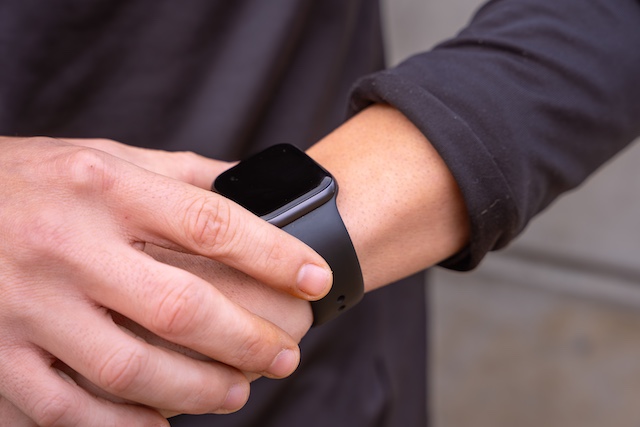
Smartwatch data shown to spot early Parkinson’s signs more accurately than traditional tests
Key Takeaways:
- A UK-led study found that data from ordinary smartwatches can detect early biological changes linked to Parkinson’s disease more sensitively than established clinical risk scores.
- The research demonstrated that a digital risk score derived from wearable data outperformed traditional assessments and closely aligned with gold-standard brain scans and spinal fluid tests.
- This approach could provide a simpler, non-invasive screening method, making early Parkinson’s detection more accessible and cost-effective.
Wearable technology uncovers early Parkinson’s signs
Data collected from smartwatches have been shown to detect early brain changes associated with Parkinson’s disease with greater sensitivity than widely used clinical risk assessments, according to new research.
The study, led by Dr Cynthia Sandor at the UK Dementia Research Institute at Imperial College London, highlights the potential of wearable devices to identify subtle, early signs of Parkinson’s long before a formal diagnosis. The findings, published in eBioMedicine, suggest that everyday technology could offer a more accessible and less invasive way to screen for Parkinson’s risk.
Comparing smartwatch data with traditional clinical and biological tests
Previous work from Dr Sandor’s team had already demonstrated that wearable devices could predict Parkinson’s years ahead of diagnosis by analysing subtle changes in movement. However, this latest study is the first to directly compare smartwatch-derived data with gold-standard biological markers – including specialist brain imaging and cerebrospinal fluid tests – as well as with established clinical scoring systems.
The researchers used data from the Parkinson’s Progression Markers Initiative (PPMI), a major international study led by the Michael J. Fox Foundation. Participants in this project wore Verily smartwatches for an average of 16 months, during which the devices continuously and passively tracked their sleep patterns, heart rate and physical activity.
These biological markers included dopamine transporter imaging (DaTscan), a type of brain scan that highlights loss of dopamine function, and cerebrospinal fluid tests looking for misfolded α-synuclein – both considered key hallmarks of early Parkinson’s.
Developing a more sensitive digital risk score
Drawing on the extensive smartwatch data, the research team developed a digital risk score designed to differentiate people living with Parkinson’s from healthy individuals. They compared this digital score with the Movement Disorder Society (MDS) research criteria, a widely used clinical risk score for Parkinson’s, and also assessed it in a separate group of individuals who were considered at increased risk due to either genetic variants or early symptoms.
The digital score not only correlated strongly with both the clinical and biological markers but also demonstrated higher sensitivity than the MDS criteria in detecting early Parkinson’s-related changes. Notably, when the digital risk score was combined with a smell test (to detect hyposmia, a common early sign of Parkinson’s), it identified over 80% of people who had abnormal brain scans or spinal fluid markers.
Towards simpler, earlier detection
The study’s authors believe that this digital approach could pave the way for a straightforward, non-invasive screening tool to help identify individuals most likely to benefit from more detailed neurological assessments. This could potentially make early diagnosis of Parkinson’s both more widely available and more affordable.
Dr Cynthia Sandor, Edmond & Lily Safra Assistant Professor in Parkinson’s Disease at Imperial’s Department of Brain Sciences, said:
“Our findings suggest that everyday smartwatch data could help flag early signs of Parkinson’s long before a clinical diagnosis is made. The accuracy of this data is on par with current standard tests, which can be expensive and invasive. This kind of digital monitoring could be a game-changer – offering a simple, non-invasive way to screen those most at risk and helping to guide who should receive more definitive testing.”
Read More
NHS to become ‘digital by default’ under landmark 10-year plan to transform care delivery
Key Takeaways:
- The UK government’s new 10-year health plan aims to make the NHS ‘digital by default’, moving most outpatient care out of hospitals by 2035.
- Local neighbourhood health centres will house integrated services, from diagnostics to social support, fundamentally changing where and how people receive care.
- The ambitious strategy requires significant investment in technology, estates, and local leadership to succeed, with experts warning sustained support is essential.
Prime Minister Keir Starmer has unveiled the government’s new 10-year health plan, setting a bold ambition for the NHS to become ‘digital by default’. The strategy, launched on 3 July 2025, outlines how the majority of outpatient care will be delivered outside of traditional hospital settings by 2035, reshaping the health system to focus on community-based, technology-enabled care.
Ending ‘hospital by default’: a preventative, digital-first NHS
A press release issued by the Department of Health and Social Care (DHSC) on the same day stated that the longstanding status quo of ‘hospital by default’ would come to an end. Instead, the plan establishes a new preventative principle: care should be ‘digital by default’.
The DHSC noted:
“The government’s plan will bring it into the digital age, making sure staff benefit from the advantages and efficiencies available from new technology.”
This includes a pledge to roll out new digital tools for general practitioners over the next two years. These tools will support quicker referrals and introduce AI scribes, which are expected to “end the need for clinical note taking, letter drafting, and manual data entry to free up clinicians’ time.”
Additionally, digital telephony systems will be introduced so that calls to GP practices can be answered promptly, enabling same-day digital or telephone consultations when required.
Care on the doorstep: introducing the Neighbourhood Health Service
As part of this transformation, Starmer announced the creation of a Neighbourhood Health Service, designed to ensure that people receive care closer to their homes. Outlining his vision, he said:
“Our 10 year health plan will fundamentally rewire and future-proof our NHS so that it puts care on people’s doorsteps, harnesses game-changing tech and prevents illness in the first place.
That means giving everyone access to GPs, nurses, and wider support all under one roof in their neighbourhood – rebalancing our health system so that it fits around patients’ lives, not the other way round.”
Neighbourhood teams will be based in new health centres, intended to operate 12 hours a day, six days a week once fully established. These centres aim to bring traditionally hospital-based services – such as diagnostics, post-operative care and rehabilitation – into the community. They will also incorporate broader services, including debt advice, employment support, and stop smoking or weight management programmes.
A shift that could ‘turn the NHS on its head’
Health secretary Wes Streeting described the scale of the proposed changes as one of the most significant in NHS history:
“Our 10 year health plan will turn the NHS on its head, delivering one of the most fundamental changes in the way we receive our healthcare in history.
By shifting from hospital to community, we will finally bring down devastating hospital waiting lists and stop patients going from pillar to post to get treated.”
Healthcare leaders have largely welcomed the vision. Daniel Elkeles, chief executive of NHS Providers, called the plan potentially a “gamechanger” for the NHS, adding that it is:
“a win for patients who will be better informed and empowered to direct their care as never before.”
Matthew Taylor, chief executive of the NHS Confederation, also praised the announcement, describing it as:
“a vital step towards a more preventative, community-based NHS.”
However, he cautioned that realising this ambition would hinge on continued investment and local empowerment:
“Delivering on this ambition will require sustained investment in digital and estates, support for the NHS’s workforce, and a commitment to decentralise national control by empowering local leaders to do what is best for their populations.”
Underpinned by major investment in NHS technology
The plan builds on an earlier pledge of an additional £10 billion investment in NHS IT. Other recent measures include the introduction of ‘innovator passports’ to accelerate the rollout of new technologies, updates to the NHS App, and the implementation of an AI system designed to detect unsafe care.
Taken together, these initiatives represent a decisive shift towards a digitally enabled, locally delivered model of care – one intended to reshape the NHS for the next generation.
Read More
New study shows digital tests can uncover Alzheimer’s signs well ahead of clinical diagnosis
Key Takeaways:
- A recent review published in the Journal of Alzheimer’s Disease demonstrates that digital cognitive tests can detect signs of Alzheimer’s and other dementias long before traditional methods.
- Researchers identified that tiny delays in response times — even when answers are fully correct — serve as early biomarkers of cognitive decline.
- The approach builds on the Boston Process Approach, emphasising the value of analysing how individuals arrive at answers, not merely whether they are correct.
Digital Testing Shown to Identify Dementia Risk Well Before Symptoms Appear
A new study featured in the Journal of Alzheimer’s Disease has provided compelling evidence that digital cognitive assessments can uncover the earliest, often imperceptible, indications of cognitive decline — potentially years before conventional diagnostic methods or overt symptoms would allow detection. This advancement could transform how clinicians identify people at risk of Alzheimer’s disease and other dementias.
The paper, titled “Precision neurocognition: An emerging diagnostic paradigm leveraging digital cognitive assessment technology,” was co-authored by David J. Libon, PhD, Professor at the New Jersey Institute for Successful Aging at Rowan University, and Rod Swenson, PhD, Clinical Professor of Psychiatry and Behavioural Science at the University of North Dakota School of Medicine and Health Sciences. Both authors are also scientific advisors to Linus Health, a company specialising in digital brain health innovations.
Going Beyond Correctness: The Critical Role of Response Latency
The researchers focused on a key insight: that the true diagnostic power of digital assessments lies not just in whether a person answers correctly, but how quickly they do so. Their findings arose from analysing a brief, 7-minute speech-based digital cognitive test developed by Linus Health, which captures rich, quantifiable data related to neurodegenerative risk.
In their peer-reviewed synthesis, Drs. Libon and Swenson introduce new digital biomarkers based on what they term “latency” — the subtle pauses and reaction times between hearing or seeing a prompt and giving a response. They discovered that even when an individual achieves 100% accuracy on these tests, small delays in reaction times may signal early disruptions in the brain’s cognitive processing.
Dr. Libon underscored this point:
“As our review demonstrates, just because an individual answers a question on a digital assessment 100% correctly does not mean a 0% risk of cognitive impairment. We have shown here that the time it takes to correctly respond or recruit the necessary brain regions or strategies for efficient correct responding likely provides rich information regarding the probability of the eventual emergence of serious cognitive decline.”
This approach enables clinicians and researchers to detect vulnerabilities in brain health that would be invisible using traditional paper-based or purely accuracy-focused tests.
Anchored in the Boston Process Approach
The emerging model described in the study builds upon principles from the Boston Process Approach (BPA), a respected framework within neuropsychology. Developed by Dr. Edith Kaplan — under whom both Drs. Libon and Swenson trained and collaborated over many years — the BPA emphasises evaluating the process by which a person completes cognitive tasks, rather than focusing solely on the final score or outcome.
By drawing on the BPA, Linus Health’s digital assessments can uncover nuanced cognitive patterns. This allows clinicians to identify meaningful changes in the brain’s function long before such shifts would be apparent in standard assessments. As a result, this digital methodology could play a crucial role in guiding early interventions and planning for those at heightened risk of Alzheimer’s or related dementias.
Read More
Microsoft claims new AI tool can diagnose complex cases better than doctors
Key Takeaways:
- Microsoft’s new AI “Diagnostic Orchestrator” outperformed doctors by a factor of four when diagnosing intricate medical cases, achieving 85.5% accuracy versus around 20% for clinicians under restricted conditions.
- The system employs an innovative method where multiple AI agents debate and collaborate, offering a transparent “chain of debate” reasoning process.
- Though promising in simulated trials, experts caution the technology remains at an early stage, untested in real-world clinical practice and not yet peer reviewed.
Microsoft unveils AI tool it says could revolutionise medical diagnosis
Microsoft has revealed an artificial intelligence–driven medical tool that it claims is four times more successful than human doctors at diagnosing complex health conditions. The development, which the company hopes will accelerate treatment pathways, was announced alongside research it believes could signal a major step towards so-called “medical superintelligence”.
The new system, named the Microsoft AI Diagnostic Orchestrator (MAI-DxO), represents the first major output from Microsoft’s dedicated AI health unit. This division was established last year under the leadership of Mustafa Suleyman, who co-founded DeepMind, the AI research lab now owned by Google. Microsoft attracted staff from DeepMind to join this effort.
Towards medical superintelligence
In an interview with the Financial Times, Mustafa Suleyman, now chief executive of Microsoft AI, described the results as an early milestone on the road to vastly more capable AI systems that could help ease staffing shortages and cut waiting times across pressured healthcare systems.
Suleyman said:
“Microsoft is nearing AI models that are not just a little bit better, but dramatically better, than human performance: faster, cheaper and four times more accurate. That is going to be truly transformative.”
How the “orchestrator” works
The technology’s backbone is an AI “orchestrator” that assembles virtual panels comprising five distinct AI agents, each acting like a specialised doctor. These agents take on roles such as formulating diagnostic hypotheses or selecting appropriate tests. They then interact and effectively “debate” among themselves before reaching a collective diagnostic decision.
This innovative framework employs a method called “chain of debate”, which compels the AI models to articulate step by step how they arrive at conclusions, offering unprecedented transparency into machine reasoning.
Testing against medical cases
To assess the system’s abilities, Microsoft researchers used 304 documented case studies drawn from the New England Journal of Medicine (NEJM). These cases represent some of the most challenging diagnostic puzzles solved by doctors in practice.
The orchestrator integrated leading large language models (LLMs) from OpenAI, Meta, Anthropic, Google, xAI and DeepSeek. Although the orchestrator improved the performance of all these models, it achieved the highest success rate when paired with OpenAI’s “o3” reasoning model – correctly diagnosing 85.5% of the NEJM cases.
For comparison, experienced physicians – who in this test were not allowed to consult textbooks or colleagues, factors that would likely have raised their success rates – solved around 20% of these same cases.
Potential integration and cost efficiencies
Microsoft indicated that elements of this diagnostic technology could soon be incorporated into its Copilot AI chatbot and Bing search engine, which currently process approximately 50 million health-related queries daily.
Dominic King, formerly the head of DeepMind’s health team and who joined Microsoft late last year, noted:
“The programme had performed better than anything we’ve ever seen before. There is an opportunity here today to act almost as a new front door to healthcare.”
King also highlighted that the AI agents were prompted to consider costs, which led to fewer diagnostic tests being ordered. In some scenarios, this resulted in hundreds of thousands of dollars in theoretical savings during the trial simulations.
Caution from experts and early-stage caveats
However, King was careful to stress that the technology remains in its infancy. The work has not yet undergone peer review and is not ready for deployment in live clinical environments.
Eric Topol, a cardiologist and director of the Scripps Research Translational Institute, commented:
“This is a landmark study. While this work was not done in the setting of real world medical practice, it is the first to provide evidence for the efficiency potential of generative AI in medicine – accuracy and cost savings.”
Microsoft’s broader AI strategy and industry dynamics
This effort also arrives as Microsoft continues to deepen its investment in AI. The company has put nearly $14 billion into OpenAI and holds exclusive rights to use and sell its technology. Nonetheless, the partnership faces tensions as OpenAI seeks to shift towards a for-profit model, with negotiations ongoing about future terms.
Suleyman remarked that although OpenAI’s model delivered the strongest performance, Microsoft remains flexible regarding which of the major models underpin the orchestrator:
“We have long believed that they’ll become commodities … it’s the aggregate orchestrator which I think is the differentiator.”
A sign of things to come?
The launch of MAI-DxO follows in the wake of other AI–healthcare breakthroughs, notably from Suleyman’s former organisation, DeepMind. Last year, the lab’s chief Sir Demis Hassabis was jointly awarded a Nobel Prize in chemistry for work using AI to unravel the structures of proteins fundamental to life.
For now, Microsoft’s technology stands as a striking example of AI’s growing capacity to tackle some of healthcare’s most demanding challenges. Yet its real-world impact will depend on rigorous validation and careful integration into the delicate fabric of clinical care.
Read More
New algorithm improves fitness tracker accuracy for people with obesity
Key Takeaways:
- Researchers at Northwestern University have developed a validated, open-source algorithm that significantly improves the accuracy of fitness trackers for people with obesity.
- The new model achieves over 95% accuracy in estimating energy expenditure, addressing long-standing issues in existing algorithms that fail to reflect the lived experience of individuals with higher body weight.
- The technology is informed by both clinical testing and real-world scenarios, aiming to redefine how effort and activity are recognised across diverse body types.
A Breakthrough in Inclusive Fitness Technology
Fitness trackers have become an essential tool for many in monitoring daily physical activity and energy expenditure. However, for people living with obesity – whose energy usage, walking gait, and movement dynamics often differ from those without obesity – standard tracking algorithms have repeatedly fallen short.
Now, scientists at Northwestern University have introduced a new algorithm designed specifically to bridge this gap. The model enables wearable fitness devices, particularly wrist-worn smartwatches, to more accurately estimate the number of kilocalories burned during various forms of physical activity among people with obesity.
“People with obesity could gain major health insights from activity trackers, but most current devices miss the mark,” said Dr Nabil Alshurafa, Associate Professor of Behavioural Medicine at Northwestern University Feinberg School of Medicine. His laboratory – the HABits Lab – developed and validated the algorithm, which is open-source, rigorously testable, and ready for others to build upon. A companion activity-monitoring app, compatible with iOS and Android, is due for release later this year.
Why Current Trackers Fall Short
Most existing activity-monitoring algorithms are optimised for individuals without obesity, resulting in inaccurate data when used by people with higher body mass. Hip-worn trackers in particular are prone to errors due to variations in walking patterns and tilt angles, often underestimating energy expenditure.
While wrist-worn models offer better comfort and potential for consistent wear across body types, Alshurafa notes a key flaw: “Without a validated algorithm for wrist devices, we’re still in the dark about exactly how much activity and energy people with obesity really get each day – slowing our ability to tailor interventions and improve health outcomes.”
To evaluate performance, the Northwestern team compared their new model against 11 leading algorithms used in research-grade devices. Their method was not only more inclusive but also demonstrated superior accuracy. They even employed wearable cameras to validate each instance where wrist sensors failed to accurately capture calorie burn.
The team’s findings will be published on 19 June in Nature Scientific Reports.
A Personal Motivation: Fitness Should Not Exclude
Dr Alshurafa’s motivation for the project came from a personal experience while attending a fitness class alongside his mother-in-law, who lives with obesity.
“She worked harder than anyone else, yet when we glanced at the leaderboard, her numbers barely registered,” he recalled. “That moment hit me: fitness shouldn’t feel like a trap for the people who need it most.”
This disconnect between perceived effort and measured output led Alshurafa to rethink how fitness technology serves people across a range of body types.
Matching Gold-Standard Methods
The newly developed algorithm is trained using data from commercial fitness trackers and achieves accuracy comparable to gold-standard methods for measuring energy burn. It estimates how much energy a person with obesity expends per minute, even during complex or low-movement tasks, and consistently surpasses 95% accuracy in real-world settings.
“This advancement makes it easier for more people with obesity to track their daily activities and energy use,” said Alshurafa, underscoring its potential to support healthier outcomes through more reliable data.
Rigorous Testing in Lab and Life
To ensure accuracy, the research included two distinct study groups:
- Controlled Lab Testing:
A group of 27 participants wore both a wrist-worn fitness tracker and a metabolic cart – a face mask device that measures oxygen intake and carbon dioxide output – to calculate kilocalorie burn and resting metabolic rate. Each participant performed a range of physical activities while data were collected and compared. - Free-Living Evaluation:
Another group of 25 participants wore both a fitness tracker and a body camera while going about their daily lives. The camera provided visual confirmation of physical activity, helping the team identify instances where the algorithm over- or under-estimated energy expenditure.
The researchers also explored less conventional forms of exercise. “Many couldn’t drop to the floor, but each one crushed wall-pushups, their arms shaking with effort,” said Alshurafa. “We celebrate ‘standard’ workouts as the ultimate test, but those standards leave out so many people. These experiences showed me we must rethink how gyms, trackers and exercise programmes measure success – so no one’s hard work goes unseen.”
Study Details and Contributors
The study, titled “Developing and comparing a new BMI inclusive energy burn algorithm on wrist-worn wearables,” represents a collaborative effort within and beyond Northwestern University.
In addition to lead author Boyang Wei, the research team included Christopher Romano and Bonnie Nolan. External collaborators were Mahdi Pedram and Whitney A. Morelli, both formerly affiliated with Northwestern.
Read More
Stanford clinicians trial new AI tool that lets you ‘chat’ with electronic medical records
Key Takeaways:
- Stanford Health Care has developed ChatEHR, a secure AI-powered assistant that enables clinicians to interact directly with electronic health records via natural language queries.
- ChatEHR can summarise complex patient histories, retrieve key data points, and assist with administrative tasks, freeing clinicians to focus more on patient care.
- The tool remains in pilot testing with 33 users, and its developers are actively building new features including automated clinical evaluations and in-record source citations.
Transforming Clinical Workflows with AI
Clinicians at Stanford Health Care are now piloting a new artificial intelligence (AI) tool, ChatEHR, which enables them to interact with patients’ electronic medical records (EMRs) in a conversational, intuitive manner – similar to how one might “chat” with a large language model such as GPT-4.
Currently in its pilot phase, ChatEHR draws upon information from a patient’s health record to respond to queries, generate summaries, and support routine clinical tasks. It is designed to be secure, context-aware, and seamlessly integrated into clinicians’ existing digital workflows.
“AI can augment the practice of physicians and other health care providers, but it’s not helpful unless it’s embedded in their workflow and the information the algorithm is using is in a medical context,” explained Nigam Shah, MBBS, PhD, Chief Data Science Officer at Stanford Health Care, who spearheaded the development of the system.
“ChatEHR is secure; it’s pulling directly from relevant medical data; and it’s built into the electronic medical record system, making it easy and accurate for clinical use.”
Origins and Development
The idea for ChatEHR took shape in 2023, when Dr Shah, Anurang Revri, Vice President and Chief Enterprise Architect for Stanford Health Care’s Technology and Digital Services, and a team of Stanford Medicine researchers recognised the clinical potential of large language models. Their aim was to develop a tool that could streamline interactions with complex patient data.
“ChatEHR opens up a new way for clinicians to interact with electronic health records in a more streamlined and efficient manner,” said Michael Pfeffer, MD, Chief Information and Digital Officer for Stanford Health Care and the School of Medicine.
“Whether that’s asking for a summary of the entire chart or retrieving specific data points relevant to the patient’s care, this is a unique instance of integrating LLM capabilities directly into clinicians’ practice and workflow. We’re thrilled to bring this to the workforce at Stanford Health Care.”
Enhancing Information Retrieval and Workflow Efficiency
Currently, the pilot programme involves 33 clinicians – including doctors, nurses, physician assistants, and nurse practitioners – who are testing the software’s performance, identifying areas for improvement, and contributing to feature development.
The interface welcomes users with:
“Hi, 👋 I’m ChatEHR! Here to help you securely chat with the patient’s medical record.”
Clinicians can then type natural-language queries such as:
- Does this person have any allergies?
- What were the results of their most recent cholesterol test?
- Have they undergone a colonoscopy? If so, were the findings normal?
“Making the electronic medical record more user friendly means physicians can spend less time scouring every nook and cranny of it for the information they need,” noted Dr Sneha Jain, Clinical Assistant Professor of Medicine and an early adopter of the tool.
“ChatEHR can help them get that information up front so they can spend time on what matters – talking to patients and figuring out what’s going on.”
Supporting Emergency and Transfer Care
The tool also has potential to ease the burden of clinical information gathering in emergency and transfer cases.
“It’s not just the chest pain they’re having in that moment that matters – it’s their whole story, what led up to this moment,” said Dr Jonathan Chen, MD, PhD, a hospital physician and Assistant Professor of Medicine and of Biomedical Data Sciences.
“All their prior history is relevant. What medications were they on, what side effects did they have, what surgeries took place and how did that affect them? It’s a ton of work to go back and find all of that information during a time-sensitive case, so speeding up that process would be a big help.”
In transfer cases, patients often arrive with vast documentation – sometimes hundreds of pages long. ChatEHR offers a rapid summarisation feature to distil these into concise, relevant overviews. Importantly, users can also ask follow-up questions for greater context.
Moving Beyond Queries: Automating Evaluative Tasks
The development team is expanding ChatEHR’s functionality to include “automations” – algorithmically-driven evaluations based on a patient’s clinical record.
For example, one automation helps determine whether a patient is eligible for transfer to the Sequoia Hospital patient care unit, a Stanford Medicine-affiliated facility with additional room capacity.
“That automated evaluation saves us the administrative burden of sifting through patient information and helps us quickly determine if a patient can be transferred, opening access to care here at Stanford Hospital,” Dr Shah explained.
Other automations under development aim to assist with hospice eligibility assessments and post-surgical follow-up recommendations.
Evaluating and Expanding ChatEHR
Stanford researchers are using MedHELM, an open-source framework for real-world medical AI evaluation, to systematically assess the accuracy and effectiveness of ChatEHR. Among upcoming features are citation tools, which will allow clinicians to see exactly where within a patient’s record specific pieces of information originate.
“We’re rolling this out in accordance with our responsible AI guidelines,” said Dr Shah.
“Not only ensuring accuracy and performance, but making sure we have the educational resources and technical support available to make ChatEHR usable and useful to our workforce.”
The eventual goal is to make ChatEHR available to all clinicians at Stanford who interact with patient charts, improving the speed, clarity, and usability of electronic medical records across the board.
The development of ChatEHR has been supported by Stanford’s Department of Medicine and the Center for Biomedical Informatics Research, reflecting a broader institutional commitment to integrating trustworthy AI into frontline care.
Read More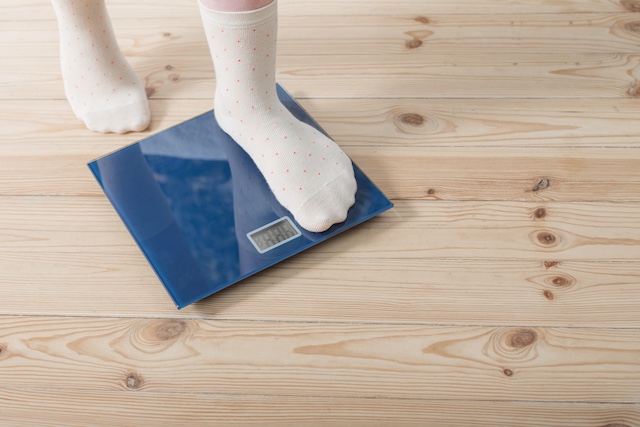
NHS pilots smart scale and app programme to support children living with severe obesity
Key Takeaways:
- A new NHS England pilot introduces smart scales and a connected app in 15 specialist clinics to support weight management among children living with severe obesity.
- The technology provides weight trend data without displaying exact figures, aiming to reduce anxiety and encourage sustainable behavioural change.
- Clinical teams receive data remotely and use the app to offer personalised, ongoing support to families in their own homes.
A New Technological Approach to Paediatric Obesity Care
NHS England has launched a pilot scheme involving the use of a smart scale and mobile app to support children living with severe obesity. The initiative is currently underway at 15 Complications from Excess Weight (CEW) clinics and is serving approximately 350 children and their families. A further four clinics are expected to adopt the programme during the summer months.
The tool forms part of a broader strategy to enhance obesity care through technology-enabled behavioural support, allowing clinical teams to monitor progress and communicate with families without requiring frequent in-person visits.
How the Smart Scale Works
At the heart of the pilot is a specially designed set of smart scales for use at home. These scales do not display numerical weight readings. Instead, they connect to a mobile application which indicates the general direction of weight change – whether weight is being maintained, gained, or lost. This aims to reduce anxiety or fixation around specific weight measurements.
The app transmits the data directly to clinical teams, who can then provide regular, tailored feedback to families. This feedback is delivered through the app and forms part of a broader behavioural support strategy led by CEW clinics.
According to NHS England, this model allows clinics to extend their capacity to deliver holistic, multidisciplinary care that addresses not only physical health but also psychological and behavioural dimensions of obesity.
A Focus on Long-Term Behaviour Change
Professor Simon Kenny, NHS England’s National Clinical Director for Children and Young People, emphasised the significance of combining digital innovation with a person-centred, behavioural approach.
“It is fantastic that through cutting-edge technology and a holistic and behaviour change approach to obesity care, our specialist NHS clinics have already transformed the lives of thousands of children and young people – supporting them to lose weight, live healthier lives and improve their mental health.”
He continued by highlighting the added value of the new tool:
“This game-changing tool is helping our specialists support and keep track of children’s weight loss progress without them needing to leave home, while offering regular advice to them and their parents to help build healthy habits.”
A Scalable Model for Community-Based Support
The smart scale and app solution reflects a growing recognition within the NHS that effective obesity care must extend beyond clinical settings. By enabling care teams to maintain close contact with families remotely, the approach supports sustained engagement and long-term lifestyle change.
The NHS anticipates that this model, if successful, could become a blueprint for future technology-supported obesity interventions across the country – particularly in reaching families who may face barriers to regular clinic attendance.
As rates of childhood obesity remain high in the United Kingdom, especially among those from underserved and socioeconomically disadvantaged backgrounds, scalable, accessible solutions such as this one are becoming increasingly vital.
Read More
NHS digital transformation backed by £10bn investment – sector leaders call for joined-up action and long-term strategy
Key Takeaways:
- The UK government has committed up to £10 billion to digitise the NHS by 2028–29, alongside a £29 billion real-terms increase in day-to-day spending, marking what Chancellor Rachel Reeves called a “record” cash investment.
- Plans include transforming the NHS App into the “digital front door”, creating a single patient record, and improving secure access to services and communications.
- Sector leaders broadly welcomed the funding but urged the government to prioritise interoperability, workforce capacity, strategic continuity, and genuine integration with social care.
Government Outlines Historic Funding Package for NHS Reform
In her first major fiscal intervention, Chancellor Rachel Reeves has announced what she described as a “record” investment in the National Health Service, including up to £10 billion earmarked for technology and digital transformation over the next four years. The funding forms part of a broader £29 billion real-terms increase in annual NHS day-to-day spending from 2023–24 to 2028–29. This brings projected total NHS expenditure to £226 billion by 2028–29, representing an average 3% annual real-terms growth.
Addressing the House of Commons on 11 June 2025, Reeves reaffirmed the government’s commitment to preserving the NHS as “our most treasured public service” – one that remains publicly funded and free at the point of use. She stated that the new funding would “bring our analogue health system into the digital age”.
The Spending Review 2025 document outlines several specific priorities for the investment:
- A 50% increase in NHS digital investment from 2025–26 levels.
- The transformation of the NHS App into a comprehensive ‘digital front door’, allowing patients to manage prescriptions, access test bookings and results, and securely receive communications.
- Delivery of a single, unified patient record, enabling two-way communication between patients and clinicians and streamlining the patient journey across care settings.
The Chancellor also confirmed a £2.3 billion real-terms increase in the Department of Health and Social Care’s annual capital budget through to 2029–30, which will support digital infrastructure, new hospitals, and upgrades in primary care.
Reeves noted that this package builds on previous commitments, including £2 billion pledged in the October 2024 Autumn Budget and a further £3.25 billion transformation fund announced in the March 2025 Spring Budget.
Analysis: Can Funding Drive True Transformation?
Sarah Woolnough, Chief Executive of The King’s Fund, welcomed the government’s prioritisation of health despite fiscal constraints:
“A 2.8% average increase in total health department spending – 3% for day-to-day NHS spending – will have been hard-fought for in the spending round negotiations, despite still being lower than the historical average the NHS has received over recent years.
“A key challenge now will be for NHS to decide how it can deliver most value from the money that has been allocated.”
A Health Foundation analysis released in May 2025 estimated that at least £21 billion would be needed over the next five years to fully digitise health and care services—suggesting the current allocation may fall short without careful prioritisation and long-term planning.
Sector Leaders React: Promise, Pressure and Pragmatism
A wide array of healthcare and digital sector leaders shared their perspectives on the funding announcement:
Jennifer Dixon, Chief Executive, Health Foundation
“A real terms funding increase of 3% a year is a good settlement for the NHS. But how far the money stretches – and how much it benefits patients – will depend on how much is needed to fund pay settlements for NHS staff and how well the money is spent.
“The additional funding for technology is welcome as a first down payment on a long-term settlement to digitise the NHS. The focus needs to be on implementation to ensure the NHS realises the benefits and patients get the 21st-century care they have been promised.”
Steve Wightman, Managing Director, Access HSC
“£29bn additional funding per year is unprecedented. However, it’s at the expense of other core public services, notably social care.
“We need investment that empowers providers to scale integrated services that wrap around the individual, regardless of setting. Policymakers must stop looking at the NHS in isolation and start acting in alignment with the Department’s title: health and social care.”
Tom Whicher, CEO and Co-founder, DrDoctor
“This is a welcome step toward real, lasting change. But effective change requires improved interoperability – we already have many digital tools, but they must work together with systems like the NHS App to ensure consistent access to care, streamline services, and enhance patient outcomes.”
Nick Lansman, CEO and Founder, Health Tech Alliance
“This is a watershed moment for health tech adoption. The doubling of the technology budget and £10 billion fund set a foundation for faster innovation uptake. Combined with life sciences investment and the forthcoming 10 year health plan, the government has given us reason to be optimistic.”
Dr Katherine Halliday, President, Royal College of Radiologists
“Investment in technology and diagnostic infrastructure is vital. But success will depend on addressing the chronic workforce shortages in cancer and diagnostic services. We need not only equipment but also the trained professionals to use it effectively.”
Dr Rachael Grimaldi, CEO, CardMedic
“One-off injections are not enough. True transformation requires sustained support beyond pilot phases. Procurement reform, delivery capacity, and strategic planning must also be tackled—without that, we’re building on shaky ground.”
Ram Rajaraman, Industry Lead, Quantexa
“A single patient record could be a game changer. It would save 140,000 staff hours annually by reducing duplication and record-chasing. Integrating broader health determinants can also enable more effective AI deployment to tackle service gaps and improve outcomes.”
John Ramsay, MD, Social-Ability
“Once again, social care is left in the shadows. Fair pay is a start, but it’s no substitute for structural reform. Without adequate support for care homes and staff, NHS investment alone cannot ease system-wide pressure.”
Alison Gardiner, CEO, Sleepstation
“We must prioritise scalable, evidence-based interventions, particularly for long-term conditions like insomnia. Mental health needs are rising fast, and technology investment should reflect this reality.”
Kevin Shah, Head of Sales EMEA, Annalise.ai
“With radiologist shortages projected to reach 40% by 2028 and outsourcing costs climbing, AI imaging tools offer an essential solution. It’s encouraging to see the government embracing AI not just for innovation’s sake, but to deliver practical clinical value.”
Julian Coe, MD, X-on Health
“Transformation needs to happen from the ground up. The NHS cannot rely on national funding alone—change must be operationally embedded at local levels through smarter tech integration and hands-on support.”
Rich Pugmire, CEO, Answer Digital
“The money is vital, but progress hinges on how wisely it is used. The upcoming 10 year health plan must prioritise partnerships and interoperability—legacy tech must not be a barrier to AI adoption and service reform.”
Nick Wilson, CEO, System C
“Innovation must be built into core NHS workflows. Standalone tools save time, but integrated AI systems can double that benefit. Clinicians didn’t enter the profession to do admin—AI should give them back time to care.”
Looking Ahead
As the NHS awaits further detail in the forthcoming 10 year health plan and NHS Long Term Workforce Plan, sector leaders are calling for not just investment but alignment – across technologies, departments, and between health and social care. The government’s pledge is bold, but without structural reform, implementation support, and workforce planning, it risks becoming another missed opportunity.
The coming years will reveal whether this digital transformation truly marks a turning point for the NHS—or simply another cycle of ambition constrained by complexity.
Read More