

Study reveals sweet tooth linked to increased risk of depression, diabetes, and stroke
Individuals with a preference for sweet foods and sugary drinks face a significantly higher risk of developing conditions such as depression, diabetes, and stroke, according to groundbreaking research from the University of Surrey. The study, which highlights the complex interplay between dietary habits and long-term health, was recently published in the Journal of Translational Medicine.
The research team analysed anonymised dietary data from 180,000 volunteers from the UK Biobank, a large-scale biomedical database, and utilised artificial intelligence (AI) to categorise participants into three distinct dietary profiles based on their food preferences:
- Health-conscious: This group prioritises fruits, vegetables, and plant-based foods, showing a clear preference for healthier options over animal-based or sweet foods.
- Omnivore: These individuals enjoy a balanced variety of foods, including meats, fish, vegetables, and occasional sweets and desserts.
- Sweet tooth: This group has a strong preference for sugary foods and drinks, while showing less interest in healthier options such as fruits and vegetables.
To explore how these preferences might impact health, the researchers examined blood samples from participants, measuring 2,923 proteins and 168 metabolites. These biological markers offer insight into how the body processes nutrients and its overall functioning. Proteins, for instance, are crucial for bodily processes such as immune defence, muscle function, and brain activity. Metabolites are small molecules produced during digestion and other metabolic processes, providing a snapshot of the body’s internal health.
By comparing the levels of these proteins and metabolites across the three groups, the researchers uncovered distinct biological differences, offering a deeper understanding of how diet impacts health.
Professor Nophar Geifman, lead author of the study and Professor of Health and Biomedical Informatics at the University of Surrey, explained, “The foods that people like or dislike appear to have a direct link to their health. If someone regularly chooses cakes, sweets, and sugary drinks, our study suggests that this preference may have detrimental effects on their overall well-being.”
The study revealed that individuals in the sweet tooth group were 31% more likely to experience depression. Additionally, they had notably higher rates of diabetes and vascular heart conditions compared to those in the other two groups.
“Importantly, by using data-driven AI methods, we were able to identify these groups based on food preferences, and these groups turned out to be quite meaningful in relation to health outcomes and biological markers,” added Professor Geifman.
Sugar is often an integral part of many people’s diets, and the study reinforces concerns about the widespread consumption of processed sugar. “As a society, we should be more mindful of our food choices. While it is not about dictating what people should eat, our goal is to provide information that helps individuals make informed decisions about their diets,” said Geifman.
In addition to examining proteins and metabolites, the researchers also reviewed standard blood biochemistry tests for participants in each dietary group. The results were concerning for the sweet tooth group, who displayed elevated levels of C-reactive protein, a marker of inflammation, as well as higher glucose levels and poor lipid profiles, which are risk indicators for diabetes and cardiovascular disease.
In contrast, the health-conscious group, which consumed more dietary fibre, exhibited lower risks of heart failure, chronic kidney disease, and stroke. Meanwhile, the omnivore group demonstrated moderate health risks, falling between the other two groups.
Professor Geifman further noted, “In those with a sweet tooth, we found several red flags in their blood tests, including markers for inflammation and poor lipid profiles. These are significant warning signs for serious conditions like diabetes and heart disease.”
The findings add to the growing body of evidence highlighting the negative impact of excessive sugar consumption on health. According to the British Nutrition Foundation, individuals in the UK consume between 9% to 12.5% of their daily calorie intake from “free sugars”—these are sugars added to foods and drinks. Popular sources of free sugars for adults include biscuits, cakes, pastries, and fruit pies, while sugary soft drinks and alcoholic beverages are also major contributors.
This study underscores the urgent need for greater awareness around dietary habits and their long-term implications on mental and physical health. While occasional treats may not seem harmful, consistently choosing sugar-laden foods and drinks could increase the likelihood of developing serious health conditions over time.
As Professor Geifman emphasised, “These findings serve as a reminder that the choices we make about what we eat can have lasting consequences on our health. While no one is saying people should entirely eliminate their favourite foods, moderation and a focus on healthier options could greatly reduce the risk of these debilitating conditions.”
This new research provides a compelling argument for reconsidering dietary habits, particularly for those with a sweet tooth, and for taking proactive steps to improve overall well-being through mindful eating.
Read More
Daily Brazil nut consumption may reduce inflammation and support gut health, new study suggests
Brazil nuts are one of the most concentrated sources of selenium, a trace mineral that plays a crucial role in the body’s antioxidant defences, immune response, and thyroid hormone metabolism. Selenium deficiency has been linked to several health issues, including chronic inflammation and impaired gut health.
Low levels of selenium in the bloodstream have been associated with inflammation-related conditions, including gut health challenges. Research has also identified connections between obesity, inflammation, and gut issues such as increased intestinal permeability, commonly known as “leaky gut.” This condition may occur when inflammation and body fat levels rise, causing the tight junctions in the cells lining the intestines to loosen. When these junctions become less effective, antigens, toxins, and bacteria may enter the bloodstream, triggering further inflammation, thus creating a harmful cycle where obesity exacerbates intestinal permeability, and vice versa.
In a recent study, researchers examined the impact of daily consumption of Brazil nuts on inflammation and intestinal permeability, specifically focusing on women living with overweight or obesity, during an 8-week calorie-restricted diet. The study’s findings, published in The Journal of Nutrition, suggest that eating 8 grams of Brazil nuts per day could improve these health markers, likely due to their rich selenium content.
The Brazil nuts used in the study were sourced from Amazonas, Brazil, and donated by ECONUT. However, attempts to contact ECONUT for comment were unsuccessful at the time of publication, and their involvement in the study was not noted as a conflict of interest.
The Study’s Design and Findings
The study was conducted by researchers from the Department of Nutrition and Health at the Universidade Federal de Viçosa in Brazil between June 2019 and September 2021. It involved 56 women aged 20 to 55, with an average age of 34 years. The women were categorised as either living with overweight or obesity, with 17.4% having specific cardiometabolic risk factors and 82.6% living with obesity, regardless of risk factors.
Participants were excluded from the study if they were pregnant, lactating, menopausal, athletes, vegan, had certain medical conditions, were using specific medications, had experienced significant weight changes, regularly consumed nuts, or had other potential study interferences.
The participants were divided into two groups: a control group and a Brazil nut group. Both groups followed a customised menu designed to provide approximately 500 fewer calories than their estimated daily energy requirements. The macronutrient composition of the diet was 50% carbohydrates, 30% fats, and 20% proteins, in line with established obesity management guidelines. Each participant was encouraged to lose at least 4 kilograms over the 8-week period.
To ensure a balanced intake of fats and calories, both groups were provided with controlled-ingredient salad dressings:
- Control group: Followed a nut-free diet and consumed 10 grams of soybean oil-based salad dressing with lemon daily.
- Brazil nut group: Consumed 8 grams of Brazil nuts (providing 347.2 micrograms of selenium) as a morning snack and 5 grams of canola oil-based salad dressing with lemon each day.
Participants received bi-weekly counselling from a nutritionist who monitored their diet adherence, including alcohol consumption. Any participant who failed to adhere to the study protocol was excluded from the final analysis.
Researchers measured inflammatory markers in the blood and selenium levels. Intestinal permeability was assessed using the lactulose/mannitol test (LM ratio), and statistical analyses were conducted to evaluate changes between the groups, with a 97% power to detect differences in intestinal permeability.
Brazil Nuts Associated with Reduced Inflammation and Improved Gut Health
Of the 56 women initially recruited, 46 completed the study. At the start, the control group had a higher intake of polyunsaturated fats compared to the Brazil nut group. During the 8-week intervention, the control group reduced their intake of saturated fats, while the Brazil nut group increased their intake of polyunsaturated fats and dietary fibre.
Both groups achieved similar calorie restrictions and experienced modest weight loss (approximately 3 kilograms) and small reductions in waist circumference. However, the Brazil nut group showed a significant increase in selenium levels, confirming adherence to their Brazil nut consumption.
Compared to the control group, the Brazil nut group exhibited lower levels of inflammatory markers, including C-reactive protein (CRP), tumour necrosis factor (TNF), interleukin-1β (IL-1β), and interleukin-8 (IL-8), indicating a reduction in systemic inflammation. In the Brazil nut group, CRP levels decreased from 7.1 mg/L to 5.6 mg/L over the 8 weeks, while the control group saw an increase in CRP levels from 8.0 to 9.4 mg/L. Although the exact mechanism behind these changes is not fully understood, it is likely linked to improvements in gut inflammation and intestinal permeability.
Women in the Brazil nut group who lost more weight also showed more pronounced reductions in CRP levels. Additionally, this group demonstrated lower lactulose excretion and LM ratio values, which are markers of improved intestinal permeability. However, these changes were not statistically significant when compared to the control group.
Further analysis revealed that higher blood selenium levels were associated with lower levels of IL-1β and IL-8, and changes in IL-8 were related to the LM ratio. These findings suggest that selenium levels may predict improvements in both systemic inflammation and gut permeability.
Study Limitations and Expert Insights
This study had certain limitations, including its small sample size, short duration, and the fact that it only included young to middle-aged women from Brazil. As a result, the findings may not be generalisable to other populations. The participants were also not blinded to their dietary interventions, the study was not randomised, and calorie restriction adherence was primarily self-reported, which may have introduced reporting errors.
Commenting on the study, registered dietitian Alyssa Simpson, RDN, CGN, CLT, who was not involved in the research, highlighted the need for further studies to isolate the effects of selenium from other dietary variables. She stated: “The findings indicate that selenium from Brazil nuts significantly influences inflammation and intestinal permeability, but the simultaneous increases in polyunsaturated fats and fibre intake complicate attributing the effects solely to selenium.”
Simpson suggested that a more controlled study design could help clarify the individual effects of selenium, polyunsaturated fats, and fibre on inflammation and gut health.
Dr. Thomas M. Holland, a physician-scientist from the RUSH Institute for Healthy Aging, added: “In this study, increased selenium levels correlated with reductions in inflammatory cytokines and improvements in intestinal permeability, which may enhance the absorption of nutrients.”
How Many Brazil Nuts Should You Eat Per Day?
Kiran Campbell, RDN, a medical nutrition advisor, explained that the human body cannot produce selenium, making dietary intake essential. While a single Brazil nut provides approximately 96 micrograms of selenium—nearly double the recommended daily intake for most adults—experts recommend consuming just 1–2 Brazil nuts per day to avoid exceeding the safe upper limit of 400 micrograms of selenium per day.
The European Food Safety Authority (EFSA) has set a lower upper limit of 255 micrograms of selenium daily for adult men and women. Consuming too much selenium can lead to toxicity, with symptoms such as brittle nails, hair loss, skin rashes, and neurological issues.
In conclusion, incorporating 1–2 Brazil nuts daily may offer practical and beneficial effects in reducing inflammation and supporting gut health, but they should be consumed as part of a well-rounded, healthy diet.
Read More
Endurance exercise transforms fat tissue and improves metabolic health in adults with obesity
A new study published in Nature Metabolism reveals that long-term endurance exercise leads to significant improvements in abdominal subcutaneous adipose tissue (aSAT) in individuals living with obesity. The study, conducted in the United States, aimed to isolate the benefits of exercise from weight loss, showing how regular physical activity improves cardiometabolic health.
The research found that those who exercised regularly had higher capillary density, fewer pro-inflammatory macrophages, and increased levels of proteins involved in angiogenesis, mitochondrial function, and fat storage. These changes suggest improved fat metabolism and enhanced overall metabolic health.
Notably, the study identified upregulation of oxidative phosphorylation and thermogenesis pathways, which increase energy metabolism in aSAT, providing a clearer picture of how regular exercise enhances metabolic function in people with obesity.
Background
In individuals with obesity, dysfunctional aSAT can contribute to insulin resistance and other metabolic problems. Issues such as reduced capillaries and increased inflammation in aSAT are linked to poor fat storage and the circulation of excess fatty acids, which can worsen metabolic health. By improving aSAT, particularly through enhanced fat storage and reduced inflammation, exercise could offer protective benefits.
This study aimed to fill the gap in understanding how long-term exercise affects aSAT, independent of weight loss, to explore how physical activity can improve cardiometabolic outcomes.
Study Overview
The researchers recruited 52 adults living with overweight or obesity. Participants were divided into exercisers and sedentary individuals based on their activity levels. The exercisers had consistently engaged in moderate to vigorous aerobic activity for over two years.
Key measures included body composition, fitness levels, and metabolic health markers. Fresh aSAT samples were collected to analyse structural and molecular differences between the groups.
Key Findings
Exercisers demonstrated significantly higher aerobic fitness and reported tenfold greater physical activity. They also had lower insulin resistance and higher HDL cholesterol levels compared to the sedentary group.
In terms of aSAT characteristics, exercisers had higher capillary density and increased levels of mitochondrial and ribosomal proteins, indicating better fat metabolism and energy production. Inflammatory markers were reduced, and proteins linked to metabolic dysfunction were lower in exercisers, suggesting improved tissue health.
Proteomic analysis identified 158 differentially expressed proteins, showing enhanced metabolic pathways in exercisers. These included the activation of the AMPK signalling pathway, essential for mitochondrial biogenesis and fat metabolism.
Conclusion
The study demonstrates that long-term endurance exercise leads to beneficial changes in fat tissue, boosting energy metabolism and improving cardiometabolic health in individuals with obesity. While short-term exercise offers some benefits, sustained physical activity is crucial for significant improvements in fat tissue function and overall health.
Read More
Yoyo dieting disrupts gut health and drives weight regain and inflammation
A review from Deakin University, Australia, published in Nutrients, reveals the profound effects of yoyo dieting (cycles of weight loss and regain) on gut health. The review highlights how weight cycling leads to gut inflammation, changes in microbiota, and adaptations in the sympathetic nervous system (SNS), which together drive weight regain.
Background
Obesity now affects over half of the global adult population and is linked to millions of deaths from diseases such as cardiovascular disease and type 2 diabetes. One of the major challenges in managing obesity is sustaining weight loss. Studies show that most people regain lost weight within five years, a phenomenon known as yoyo dieting or weight cycling.
This weight cycling not only increases the risk of obesity-related conditions but also disrupts gut health. The review points to emerging evidence that weight regain alters gut microbiota, with adaptive metabolic responses further complicating long-term weight management.
Gut Hormones and Energy Balance
Energy balance—the balance between intake and expenditure—is regulated by signals from the gut, pancreas, and adipose tissue. Many of these signals come in the form of peptide hormones that either promote satiety or stimulate hunger. After weight loss, individuals often experience lower levels of satiety hormones (PYY, GLP-1, and CCK) and higher levels of hunger hormones like ghrelin. This hormonal imbalance makes maintaining weight loss difficult, driving overeating and weight regain.
The review also discusses how weight loss can reduce enteroendocrine cells (EECs), which produce these key hormones, further impairing the body’s ability to regulate hunger and satiety.
The Role of the Gut Microbiota
The gut microbiota, which plays a critical role in energy regulation, also undergoes changes during and after weight loss. Beneficial bacteria that produce short-chain fatty acids (SCFAs), such as Christensenella and Lactobacillus reuteri, often decline during yoyo dieting, impairing satiety and promoting weight regain. Conversely, weight regain is associated with an increase in pro-inflammatory bacteria, such as Desulfovibrio and Ruminococcus, which contribute to metabolic disorders and gut inflammation.
Yoyo Dieting and Inflammation
Yoyo dieting exacerbates obesity-related chronic inflammation. Studies show that weight regain triggers inflammatory responses in the gut, marked by elevated levels of inflammatory markers such as TNF-α and IL-6. This inflammation can compromise gut barrier function, worsening metabolic health.
Improving Gut Health After Weight Loss
While yoyo dieting is associated with negative changes in the gut, weight loss has been shown to improve gut health by reducing inflammation and promoting the growth of beneficial bacteria like Akkermansia and Bifidobacterium. However, research indicates that the gut microbiota may take considerable time to return to a healthier state, leaving individuals vulnerable to weight regain during this period.
Research Gaps and Conclusions
Though animal studies have highlighted important links between yoyo dieting and gut health, more human studies are needed to fully understand how weight cycling affects the gut microbiota and weight regain. The review concludes that while weight loss can improve gut health, the molecular mechanisms behind these changes are still unclear, and more research is needed to develop effective strategies for preventing weight regain.
In conclusion, yoyo dieting disrupts gut health, leading to hormonal imbalances, inflammation, and microbiota changes that drive weight regain. Addressing these factors could be key to improving long-term weight maintenance and reducing obesity-related health risks.
Read More
Cellularsludge in hunger-regulating neurons linked to worsening diabetes and obesity
A recent study published in Nature has identified a mechanism through which inflammation in the hypothalamus promotes fibrotic changes in the perineuronal nets (PNNs), a specialised extracellular matrix (ECM) in the arcuate nucleus (ARC). These changes contribute to metabolic dysfunction, worsening conditions like obesity and diabetes.
Background
When blood glucose levels rise, insulin is released from pancreatic beta cells and signals the ARC to regulate hunger and metabolism. However, loss of insulin sensitivity leads to overeating and fat accumulation, contributing to obesity. The ECM, a network of proteins and sugars surrounding cells, plays a crucial role in this process. In people with obesity, the ECM undergoes fibrotic changes, particularly around Agouti-Related Protein (AgRP)-releasing neurons in the hypothalamus, disrupting insulin signalling and contributing to metabolic diseases.
Study Overview
In the study, researchers fed mice a regular or a high-fat, high-sugar (HFHS) diet to induce diabetes. They investigated whether neuroinflammation contributed to fibrotic buildup in the ECM by performing immunohistochemistry and stereotaxic injections. The team selectively disrupted insulin receptors in AgRP neurons to determine if ECM fibrosis impaired insulin function. They also used insulin tagged with fluorescein isothiocyanate (FITC) to track its signalling in hypothalamic neurons.
To assess the effects of inflammation, the team used adeno-associated viruses (AAVs) expressing receptors for pro-inflammatory TNF-α and anti-inflammatory TGF-β, alongside chondroitinase ABC (chABC), which breaks down fibrotic nets. Patch-clamp electrophysiology tested insulin interaction with PNNs in vitro, and fluorosamine, a drug inhibiting chondroitin sulphate synthesis, was administered to evaluate its therapeutic potential.
Key Findings
The study revealed that obese mice exhibited increased fibrotic PNNs around ARC neurons, disrupting insulin signalling and increasing AgRP neuron firing. Enzymatic breakdown of these PNNs restored insulin sensitivity, improved glucose metabolism, and reduced weight. The fibrosis altered gene expression for insulin receptors, exacerbating insulin resistance. While fibrotic nets impaired insulin activity, they did not affect leptin, the body weight-regulating hormone.
Additionally, obesity heightened levels of the inflammatory marker TNF-α while reducing the anti-inflammatory TGF-β, leading to increased fibrotic buildup. Reducing hypothalamic inflammation improved ECM function, and fluorosamine restored insulin sensitivity and improved metabolic outcomes in obese mice.
Conclusion
This study shows that hypothalamic ECM remodelling plays a significant role in metabolic diseases. Drugs targeting fibrotic PNNs and inflammation in the hypothalamus could improve insulin sensitivity and offer new treatments for obesity and diabetes by enhancing metabolic function.
Read More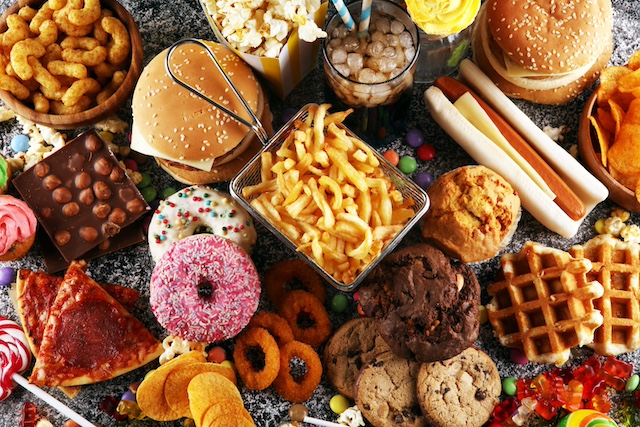
Ultra-processed foods linked to increasing type 2 diabetes risk
Extensive research has demonstrated that the consumption of ultra-processed foods (UPFs) has a detrimental impact on the development of type 2 diabetes mellitus (T2D). However, the exact influence of other levels of food processing on T2D risk remains uncertain. A recent study published in The Lancet Regional Health sheds new light on this issue, exploring the association between varying degrees of food processing and the risk of developing T2D.
Food Processing and Its Relationship with Type 2 Diabetes
The Nova classification system is widely used to categorise foods based on the extent of their processing. According to this system, foods are divided into four categories: unprocessed or minimally processed foods (MPFs), processed culinary ingredients (PCIs), processed foods (PFs), and ultra-processed foods (UPFs). Research has long associated higher consumption of UPFs with weight gain, obesity, T2D, and cardiovascular diseases. A study conducted as part of the European Prospective Investigation into Cancer and Nutrition (EPIC) initiative revealed that a higher intake of UPFs is also linked to an increased risk of cancer and cardiometabolic multimorbidity.
Despite these findings, the link between T2D and all categories of processed foods, including MPFs, PCIs, and PFs, has yet to be fully elucidated. Further research is necessary to determine whether UPFs or other processed foods are most closely associated with adverse health outcomes. Gaining a deeper understanding of the impact of different types of processed foods may provide researchers with crucial insights into the benefits of replacing UPFs with healthier alternatives, such as MPFs, PCIs, or PFs.
The Study Overview
The recent cohort study used data from the EPIC project to explore the relationship between various food processing categories and T2D risk. Researchers assessed participants’ dietary intake at the start of the study by administering comprehensive dietary questionnaires. Based on this information, food consumption patterns were categorised according to the Nova classification system.
In order to identify cases of T2D, researchers relied on multiple data sources, including participants’ self-reports, primary and secondary care registers, hospital admission records, medication registers, and mortality data. The analysis used Cox regression and statistical substitution models to estimate the associations between T2D risk and the intake of MPFs, PCIs, PFs, and UPFs. Sub-group analyses were also conducted to identify any potential variations in the association between different UPFs and T2D risk.
The average age of the study participants was 52.5 years, and 63.5% of them were female. The average body mass index (BMI) was 25.7 kg/m², indicating that most participants were classified as being slightly overweight. Over the course of a 10.9-year follow-up period, 4.6% of participants were diagnosed with T2D. On average, MPFs and PCIs contributed to 72.1% of participants’ daily dietary intake, while UPFs accounted for 13.0%, and PFs made up 14.9%.
Key Findings of the Study
In examining the relationship between food processing and the development of T2D, the researchers conducted restricted cubic spline analyses to assess the intake of MPFs and PCIs. These analyses revealed a linear relationship between higher consumption of MPFs + PCIs and a lower risk of T2D up until very high intakes. Additionally, the study found that increased consumption of MPFs + PCIs, as well as PFs, was linked to a reduced risk of T2D. In contrast, a higher intake of UPFs was associated with an elevated risk of developing T2D.
To better understand the impact of replacing certain food groups on T2D risk, the researchers performed statistical substitution analyses. These analyses revealed that substituting 10% of UPFs with either MPFs + PCIs or PFs significantly reduced the risk of T2D. Moreover, replacing MPFs + PCIs with PFs also resulted in a reduction in T2D risk. These results held even after accounting for confounding factors such as saturated fat intake, sugar consumption, and adherence to a Mediterranean diet.
When investigating different sub-groups of UPFs, the study uncovered significant heterogeneity in their relationship with T2D. For instance, an increase in the consumption of savoury snacks, ready-to-eat or heat dishes, animal-based products, and artificially or sugar-sweetened beverages (ASBs/SSBs) was associated with a higher risk of T2D. On the other hand, lower T2D risk was linked to the consumption of plant-based alternatives, sweets and desserts, biscuits, breakfast cereals, and breads. Interestingly, no significant association was found between T2D and the consumption of sauces, spreads, condiments, alcoholic beverages, or other miscellaneous UPFs.
The Role of Adiposity in the UPF-T2D Relationship
To further understand the mechanisms underlying the association between UPF consumption and T2D, the researchers conducted mediation analyses focused on the waist-height ratio (WHtR), a measure of adiposity. These analyses revealed that WHtR mediated 46.4% of the association between UPF consumption and T2D risk. This suggests that body fat distribution may play a significant role in the relationship between UPF intake and the development of T2D.
Despite the robustness of the findings, some inconsistencies were noted in sensitivity analyses. For example, in France and Italy, the study did not find a statistically significant association between UPF consumption and T2D risk. Additionally, when the intake of MPFs + PCIs was modelled as kcal/day, %kcal/day, or g/day, no significant association with T2D risk was observed.
Conclusions
This study reinforces the growing body of evidence linking higher consumption of ultra-processed foods with an increased risk of type 2 diabetes mellitus. At the same time, it highlights the protective effect of consuming less processed foods, such as minimally processed or processed culinary ingredients, against the development of T2D.
Importantly, the findings point to the significant heterogeneity within the category of UPFs, suggesting that not all UPFs pose the same level of risk. This variability underscores the need for more nuanced public health guidelines, which should focus on reducing the intake of specific harmful UPFs rather than treating UPFs as a single, homogenous group. By encouraging people to make healthier food choices and reduce their consumption of certain types of UPFs, it may be possible to mitigate the rising global incidence of type 2 diabetes.
Read More
Childhood obesity associated with elevated risk of schizophrenia in adulthood, study finds
A team of medical researchers and disease management specialists in China has identified a significant link between obesity during childhood and the development of schizophrenia in adulthood. The study, published in the journal Science Advances, involved a comprehensive analysis of health records from two major genetic research projects. The findings underscore the potential long-term mental health consequences of childhood obesity, which was previously linked primarily to physical health issues.
Exploring the Link Between Childhood Obesity and Mental Health
Previous studies have established that obesity in childhood can contribute to various health complications both during childhood and in later life, including conditions like diabetes, cardiovascular disease, and metabolic syndrome. However, the research team sought to explore whether childhood obesity might also increase the risk of developing mental health disorders.
To investigate this, the researchers analysed data from the Psychiatric Genomics Consortium, an extensive project aimed at uncovering the genetic foundations of psychiatric illnesses. Additionally, they examined data from the FinnGen partnership, another major initiative focusing on genetic diseases. By utilising these large-scale genetic databases, the researchers aimed to uncover any associations between childhood obesity and the occurrence of mental health disorders in adulthood.
Examining Mental Health Outcomes in Later Life
The team specifically looked at the health outcomes of individuals who were classified as obese during their childhood and tracked the development of mental health issues as they aged. The mental health conditions they focused on included obsessive-compulsive disorder (OCD), major depression, anxiety disorders, Alzheimer’s disease, and schizophrenia. Interestingly, the researchers found no significant associations between childhood obesity and any of these mental health conditions except for schizophrenia.
The study’s authors describe the evidence linking childhood obesity to an increased risk of schizophrenia in adulthood as “compelling and direct.” Crucially, they found that this link was independent of obesity later in life and other lifestyle factors. This suggests that the risk of developing schizophrenia is specifically associated with excess weight during the childhood years rather than ongoing obesity in adulthood.
The Unexplained Mechanism Behind the Link
Despite establishing a correlation between childhood obesity and schizophrenia, the researchers were unable to determine the exact mechanism behind this relationship. They speculated that the accumulation of excess fat during childhood might influence brain development in ways that predispose individuals to schizophrenia later in life. However, further research is needed to understand how obesity-related changes in the brain during critical developmental periods could lead to this increased risk.
A Surprising Finding: Adult-Onset Obesity and Schizophrenia Risk
In a separate analysis, the team discovered an unexpected outcome: individuals who were not obese as children but became obese during adulthood were actually less likely to develop schizophrenia or OCD. This finding adds complexity to the understanding of how obesity and mental health are connected, suggesting that the timing of obesity onset could play a crucial role in its potential impact on psychiatric health. It also indicates that adult-onset obesity may not carry the same mental health risks as childhood obesity, at least in relation to schizophrenia and OCD.
Implications for Public Health and Policy
The researchers emphasise the importance of childhood obesity prevention as a means of potentially reducing the risk of developing schizophrenia in later life. They argue that these findings highlight the need for health care policies and programmes aimed at preventing children from becoming overweight. Early intervention strategies, education on nutrition, and promoting physical activity in children could be key in addressing this public health issue.
As they conclude, the study presents a strong case for the importance of childhood health and its potential lifelong implications. It suggests that the consequences of obesity are not limited to physical health but may extend to mental health in ways that are only beginning to be understood. Further research into the mechanisms connecting childhood obesity and schizophrenia is required to develop more targeted prevention and treatment strategies.
Read More
NHS limiting access to essential obesity services across England, British Medical Journal reveals
The National Health Service (NHS) is restricting access to crucial obesity services across England, leaving individuals in nearly half of the country without the ability to seek appointments with specialist teams for necessary support and treatments, including weight-loss injections.
This concerning situation was uncovered through an investigation by the British Medical Journal (BMJ), which mirrors the findings of a recent report by the Future Health research agency. The agency’s report highlighted that many of England’s Integrated Care Boards (ICBs) have failed to establish detailed strategies to address obesity and provide treatment, despite the condition costing the United Kingdom an estimated £98 billion annually in healthcare expenses, lost productivity, and other associated costs.
Richard Sloggett, the report’s author and a former special adviser in the Department of Health and Social Care, described these new revelations as evidence of the NHS “rationing” obesity treatment. He emphasised, “These findings back up our Future Health research showing that many ICBs do not currently see obesity as a priority. In certain parts of the country, there is no access to tier 3 and tier 4 services at all. This rationing is leading to a postcode lottery of care. Given the scale of the obesity challenge facing the country and the wider health and economic costs and impacts associated with it, there is an urgent need for the government and the NHS to commit new action. This should start with a clear timeline for reviewing NHS obesity services and ensuring there is a minimum service specification agreed and in place in each ICB.”
A spokesperson for NHS England responded to the BMJ’s investigation by stating that the NHS was “working with the Department of Health to support improvements in the obesity pathway.” However, experts argue that more decisive action is needed.
The BMJ’s investigation also revealed that budget cuts have disproportionately impacted local services focused on obesity care. Individuals living with obesity are often viewed as less deserving of care compared to those with other health conditions, exacerbating the situation. This reality has led to what one expert describes as a “postcode lottery of care,” where access to obesity services varies significantly depending on geographical location.
Data collected through freedom of information requests sent to all 42 of England’s ICBs showed that patients in one in six local healthcare areas were unable to access bariatric surgery, a treatment considered one of the most clinically effective interventions for obesity.
Dr Nicola Heslehurst, a professor of maternal and child nutrition at Newcastle University and chair of the UK Association for the Study of Obesity, voiced her concerns about the current state of weight management services. She told the BMJ, “Current weight management services do not in any way meet the need,” and warned that “radical” action was necessary to combat the rising prevalence of obesity, the associated care costs, and health inequalities. She also stressed the impact on future generations, cautioning that without intervention, children may be “set up for a life course of poor health.”
Obesity imposes a significant financial burden on the NHS in England, costing an estimated £6.5 billion each year. It is also recognised as the second leading cause of cancer after smoking, highlighting the urgency for a comprehensive and effective response.
ICBs receive funding from NHS England to deliver healthcare services for their local communities. However, recent budget cuts have placed immense financial pressure on these boards. In many cases, when resources are limited, services perceived as lower priority are denied funding, with obesity care frequently being the first to face budget reductions.
The BMJ’s investigation found that just over half (24) of England’s 42 ICBs commissioned the full spectrum of adult weight loss services and were open to new referrals. These services range from localised diet and lifestyle classes to more advanced interventions, such as semaglutide weight-loss injections (marketed as Wegovy) and gastric bypass surgery.
However, over a third of ICBs reported imposing restrictions on tier three obesity services, which involve multidisciplinary teams capable of prescribing weight-loss medications. Among these ICBs, six had closed their services to new patients, seven provided services only to certain parts of their catchment area, and four lacked any tier three services altogether.
Tier four services, which include more intensive weight-management interventions like gastric bypass surgery, are also severely restricted. The investigation found that seven ICBs do not offer any bariatric surgery, further highlighting the disparities in access to care across different regions of England.
John Wilding, a professor of medicine at the University of Liverpool, criticised the lack of prioritisation for obesity services, stating, “Obesity services are not deemed a priority.” He also pointed out a prevailing bias within the healthcare system, noting, “I think there is an unconscious bias which says: ‘This is mostly their fault, so they should just get on with it, go on a diet and lose weight.’ But we know from genetics and other factors that it’s much more complicated than that.”
These findings underscore an urgent need for a comprehensive review of NHS obesity services and the establishment of a uniform standard of care across all ICBs. The current restrictions on access to essential obesity treatment services not only create health inequalities but also contribute to escalating healthcare costs and long-term negative health outcomes. Without significant changes in policy and practice, the NHS faces an ongoing struggle to address the obesity crisis effectively.
Read More
Night owls at increased risk for higher BMI, larger waistlines, and type 2 diabetes
Individuals who stay up late and wake up later, often referred to as “night owls,” are more likely to have higher body mass index (BMI), larger waist circumferences, and more hidden body fat. Furthermore, they face an almost 50% greater likelihood of developing type 2 diabetes (T2D) compared to those who follow earlier sleep schedules. These findings are part of new research set to be presented at the Annual Meeting of the European Association for the Study of Diabetes (EASD) in Madrid, Spain (9–13 September, 2024).
Lead researcher Dr Jeroen van der Velde, from Leiden University Medical Centre in the Netherlands, explained: “Previous studies have shown that a late chronotype – a preference for going to bed late and waking up late – is linked to an unhealthy lifestyle. Night owls are more prone to smoking or maintaining unhealthy diets, which has been suggested as a possible reason for their higher risk of obesity and metabolic conditions, such as type 2 diabetes.”
Dr van der Velde continued, “However, we believe that lifestyle factors alone cannot fully account for the relationship between being a late chronotype and the development of metabolic disorders. While it is well-documented that late chronotypes tend to have higher BMI, it remains unclear how exactly sleep timing affects the distribution of body fat.”
To investigate this further, Dr van der Velde and his team explored the associations between sleep timing, type 2 diabetes, and body fat distribution in more than 5,000 individuals as part of the Netherlands Epidemiology of Obesity study, an ongoing research project focused on the impact of body fat on health outcomes.
The analysis involved participants with an average age of 56 years, 54% of whom were women, and a mean BMI of 30 kg/m², placing many in the category of obesity. Participants completed a questionnaire about their typical bedtimes and wake-up times, from which researchers calculated their midpoint of sleep (MPS).
The participants were categorised into three groups:
- Early chronotype (the 20% with the earliest MPS),
- Late chronotype (the 20% with the latest MPS),
- Intermediate chronotype (the remaining 60% of participants).
Researchers measured BMI and waist circumference in all participants. Additionally, visceral fat and liver fat content were evaluated in 1,526 individuals using advanced imaging techniques such as MRI scans and MR spectroscopy.
Over a follow-up period of 6.6 years, 225 participants were diagnosed with type 2 diabetes. The data were adjusted for multiple factors, including age, sex, education, total body fat, and various lifestyle habits, such as physical activity levels, diet quality, alcohol consumption, smoking status, and sleep quality and duration. The findings revealed that those identified as late chronotypes had a 46% higher risk of developing type 2 diabetes compared to individuals with an intermediate chronotype.
This significant increase in risk suggests that lifestyle factors alone cannot explain the heightened risk of type 2 diabetes in late chronotypes.
“We believe that other mechanisms are contributing to this increased risk,” said Dr van der Velde. “A likely explanation is that late chronotypes experience misalignment between their natural circadian rhythms and the work and social schedules imposed by society. This misalignment can disrupt their circadian system, which is known to result in metabolic disturbances, potentially leading to type 2 diabetes.”
The researchers also investigated whether early chronotypes – those who prefer to go to bed and wake up earlier – were at a lower risk of developing type 2 diabetes. “From the literature, we expected early chronotypes to exhibit a risk level similar to those with intermediate chronotypes,” Dr van der Velde said. “Our results did show a slightly increased risk for early chronotypes, but this finding was not statistically significant.”
Beyond the risk of diabetes, the results also highlighted key differences in body composition. Late chronotypes, on average, had a BMI that was 0.7 kg/m² higher than those with an intermediate chronotype. They also had a 1.9 cm larger waist circumference, 7 cm² more visceral fat, and 14% greater liver fat content.
Dr van der Velde concluded, “Individuals with a late chronotype seem to be at greater risk for type 2 diabetes compared to those with an intermediate chronotype. This elevated risk might be due to higher levels of body fat, including visceral fat and liver fat.”
Looking ahead, Dr van der Velde emphasised that the next steps in research will involve studying whether individuals with late chronotypes can improve their metabolic health by adjusting the timing of their lifestyle behaviours. He mentioned that they are currently involved in the TIMED consortium, which investigates how the timing of sleep, eating, and physical activity can influence type 2 diabetes outcomes.
“We’ve already demonstrated that the timing of physical activity plays an important role in reducing insulin resistance,” he noted.
Another promising area of research is exploring the impact of meal timing. “It’s likely that people with late chronotypes are more inclined to eat later into the evening,” explained Dr van der Velde. “While we didn’t examine this in our study, there is growing evidence that time-restricted eating – such as not consuming food after a certain hour, like 6pm – could lead to metabolic benefits.”
For individuals who identify as night owls and are concerned about their increased risk for type 2 diabetes, Dr van der Velde suggested that they may want to experiment with adjusting meal times or avoiding late-night eating. “The evidence isn’t definitive yet, but over time, we aim to provide more specific advice on how changes in lifestyle habits can reduce the risk of metabolic diseases.”
Read More
Scientists identify key enzyme connecting obesity and atrial fibrillation offering new hope for treatment
Scientists from the University of Illinois Chicago (UIC) have uncovered a cellular mechanism that links obesity to atrial fibrillation (AF), a condition affecting over 33 million people worldwide. This breakthrough not only enhances our understanding of the relationship between excess body fat and AF but also presents a promising new target for the development of therapeutic treatments.
Atrial fibrillation is a common yet serious heart disorder characterised by an irregular heartbeat, which can lead to complications such as heart failure and stroke. Obesity is widely recognised as a significant contributor to this condition. However, the precise cellular mechanisms by which excess body fat triggers atrial fibrillation have remained elusive.
In a newly published study in The Journal of Clinical Investigation, researchers at UIC have identified a crucial cellular pathway that plays an essential role in the onset of obesity-related atrial fibrillation. The study reveals that inhibiting a specific enzyme known as NOX2 can prevent and potentially reverse the adverse changes in the heart caused by obesity.
According to Dr Dawood Darbar, senior author of the study, chief of cardiology, and professor of medicine and pharmacology at UIC, this discovery paves the way for developing new treatments aimed at both preventing and managing AF in people with obesity.
“A drug that blocks this enzyme may have two uses,” explained Dr Darbar. “We could use this drug to prevent the development of atrial fibrillation in individuals who have obesity but who haven’t yet developed atrial fibrillation. For those who already have obesity and atrial fibrillation, we can use it to treat them and prevent the progression of the disease.”
Investigating the Role of Oxidative Stress
The research team, led by UIC postdoctoral scholar Arvind Sridhar, focused on oxidative stress, a cellular process that has long been suspected of connecting obesity and atrial fibrillation. Oxidative stress occurs when harmful molecules called reactive oxygen species (ROS) accumulate in cells, causing damage. This can result from various conditions, including obesity and diabetes.
Antioxidants, such as vitamins and minerals found in fruits and vegetables, are known to neutralise ROS and protect against oxidative stress. However, antioxidant therapies for treating atrial fibrillation have so far produced inconsistent results. Some clinical studies have shown positive effects, while others have been inconclusive or ineffective.
“Some of these studies were positive, some were negative, some were neutral, and we didn’t understand why,” said Dr Darbar. “Now it seems the reason why antioxidants didn’t work in atrial fibrillation is because they didn’t target the specific pathway that caused the oxidative stress.”
Through their investigation, the UIC team uncovered this specific pathway by analysing heart tissue samples obtained from individuals during surgery. They discovered that the enzyme NOX2, which is responsible for generating reactive oxygen species, was significantly more active in patients with higher body mass indexes (BMIs) compared to those with lower BMIs.
“As the BMI of the individual increased, we saw an increased severity of atrial fibrillation,” explained Sridhar. “We also saw a similar increase in the expression of NOX2 as the BMI increased, which tells us that the two are intrinsically related.”
Experimental Evidence in Mice and Human Cells
Building on this insight, the researchers conducted a series of experiments using mice and cells derived from people with atrial fibrillation. In one set of experiments, they studied mice that had been genetically engineered to lack the NOX2 gene. While normal mice fed a high-fat diet developed atrial fibrillation, the mice without the NOX2 gene did not.
Additionally, the researchers found that administering a drug to normal mice to block NOX2 activity prevented the development of atrial fibrillation, even when the mice were fed a high-fat diet.
In another key experiment, the team used heart stem cells taken from individuals with atrial fibrillation. This innovative technique, developed by Dr Darbar in collaboration with Salman Khetani from UIC’s College of Engineering, enabled the researchers to mimic the cellular environment of people with atrial fibrillation. When these cells were treated with a NOX2 inhibitor, the levels of reactive oxygen species dropped, and the abnormal electrical activity that characterises atrial fibrillation was eliminated.
Moving Towards New Therapeutic Approaches
Although the drug used in the laboratory experiments has not yet received approval from the U.S. Food and Drug Administration (FDA), the researchers are optimistic about the potential to identify and test other compounds that inhibit NOX2. These alternative compounds could eventually lead to clinical trials and the development of new therapies for atrial fibrillation in individuals with obesity.
“Because obesity is becoming so common, I think this finding will have a tremendous impact,” stated Dr Darbar. “If we can find a way to safely and effectively block NOX2 in humans, we could not only prevent atrial fibrillation from developing in people with obesity, but also stop it from getting worse in those who already have the condition.”
The study’s implications extend beyond obesity and atrial fibrillation, as oxidative stress plays a role in many other diseases as well. Identifying NOX2 as a key player in this process could therefore open the door to a range of new therapeutic strategies for various conditions linked to oxidative stress.
A Collaborative Effort
This significant discovery was the result of collaborative work among various experts at UIC. In addition to Dr Darbar and Arvind Sridhar, other co-authors of the paper include Jaime DeSantiago, Hanna Chen, Mahmud Arif Pavel, Olivia Ly, Asia Owais, Miles Barney, Jordan Jousma, Sarath Babu Nukala, Dr Khaled Abdelhady, Dr Malek Massad, Lona Ernst Rizkallah, Sang Ging Ong, and Dr Jalees Rehman.
The researchers are hopeful that their findings will accelerate the development of new, targeted treatments that can significantly improve the lives of individuals living with both obesity and atrial fibrillation.
Read More
Increased protein and fibre intake linked to effective long-term weight loss, study reveals
A recent study has revealed that participants in a one-year dietary education programme who experienced the most significant weight loss consumed notably higher amounts of protein and fibre. Among this group, 41% of all 22 participants successfully lost an average of 12.9% of their body weight, while those who were less successful saw a reduction of only slightly over 2%.
The research highlights the critical importance of personalised, adaptable weight loss programmes, which enable individuals to adhere to their diet plans more effectively. According to the researchers, these flexible programmes empower participants to tailor their approaches, maximising long-term success.
The study’s participants were involved in the Individualised Diet Improvement Programme (iDip), a highly customised dietary intervention that equips individuals with the knowledge and tools to develop effective weight loss strategies. The iDip programme incorporates visualisation tools and intensive dietary education to help participants better understand key nutrients, allowing them to create safe, tailored, and sustainable weight loss plans.
“Flexibility and personalisation are key in creating programmes that optimise dieters’ success at losing weight and maintaining that loss,” explained Professor Manabu T. Nakamura, a professor of nutrition at the University of Illinois Urbana-Champaign in the United States and leader of the research.
He continued, “Sustainable dietary change, which varies from person to person, must be achieved to maintain a healthy weight. The iDip approach allows participants to experiment with various dietary iterations, and the knowledge and skills they develop while losing weight serve as the foundation for sustainable maintenance.”
The programme focuses on increasing the intake of protein and fibre, all while keeping daily caloric consumption within the limit of 1,500 calories.
Protein and Fibre: Key Nutrients for Success
For all 22 study participants, the iDip research team developed an innovative, two-dimensional quantitative data visualisation tool. This tool plots the density of protein and fibre in foods per calorie, and it provides a target range for each meal. Participants attended 19 dietary education sessions during the year-long programme, with additional prescribed homework to reinforce their learning and commitment.
Participants were encouraged to create personalised plans based on their usual dietary preferences, with a specific focus on boosting their intake of protein and fibre. The study’s goal was for participants to consume approximately 80 grams of protein and 20 grams of fibre daily.
Throughout the programme, researchers monitored participants’ eating habits and tracked their weight via Wi-Fi-enabled scales. They discovered strong inverse correlations between protein and fibre intake and weight loss at both the three-month and twelve-month marks.
“The strong correlation suggests that participants who were able to develop sustainable dietary changes within the first three months continued to lose weight in the subsequent months. In contrast, those who struggled to implement lasting dietary changes early on rarely succeeded in making significant progress later,” noted Professor Nakamura.
The study’s findings align with broader industry recognition of the role protein plays in effective weight loss. Major nutrition companies, such as Nestlé, have introduced high-protein, portion-controlled foods that can complement individuals’ diets, particularly for those using weight-loss medications.
Weight Loss Results: A Closer Look
Published in Obesity Science & Practice, the study examined the experiences of nine men and thirteen women, aged between 30 and 64. All participants reported having made at least two previous attempts to lose weight before enrolling in the programme.
The study population also presented with various health conditions: 54.6% had high cholesterol, 50% experienced skeletal issues, 36.4% had hypertension, 36.4% had sleep apnoea, and 31.8% had a history of depression. Additionally, some participants were diagnosed with diabetes, non-alcoholic fatty liver disease, and cancer.
On average, participants lost 6.49% of their body weight over the 12-month period. Of the nine individuals who achieved a reduction of more than 5% of their initial body weight, two participants reached a body mass index (BMI) of 25 kg/m², which is within the normal weight range. For these successful participants, researchers found that 78% of their weight loss was attributable to fat reduction.
The study revealed a notable difference in weight loss outcomes for participants with depression. Individuals living with depression experienced a significantly lower weight reduction, averaging a 2.4% decrease in body weight, compared to 8.39% for those without depression. However, there were no significant differences in weight loss outcomes based on other health conditions, age, or gender.
Preservation of Lean Body Mass
One of the key findings of the study was the participants’ ability to reduce fat mass without sacrificing lean body mass. On average, participants’ fat mass decreased from 42.6 kg at the start of the programme to 35.7 kg by the end of the 12-month period. Notably, both successful and unsuccessful participants were able to preserve their lean body mass, a critical factor in maintaining metabolic health during weight loss.
Nakamura emphasised the importance of preserving lean body mass during weight loss, particularly for individuals who are using weight-loss medications.
“Recently, the popularity of injectable weight loss medications has been increasing,” he remarked. “However, using these medications when food intake is minimal will cause serious side effects, including muscle and bone loss, unless protein intake is increased during weight loss.”
The researchers underscored the importance of maintaining a high-quality diet, particularly for individuals taking anti-obesity medications. Earlier in the year, medical experts developed a set of evidence-based nutritional guidelines to assist healthcare professionals in supporting patients who are using such medications.
Conclusion
The study demonstrates that higher intakes of protein and fibre are strongly linked to more successful weight loss outcomes in individuals following a personalised dietary programme. The findings highlight the importance of flexible, tailored approaches to weight loss that prioritise nutrient-rich foods while maintaining adequate caloric intake. For individuals using weight-loss medications, attention to dietary quality, especially protein intake, is essential to preserving muscle mass and preventing adverse health effects.
Read More
Addressing sleep issues is critical for the health of adults with overweight and obesity
Recent research conducted by Oregon Health & Science University (OHSU) has highlighted the adverse health implications for individuals who are overweight and disregard their body’s natural cues to sleep at night. The study, which reveals important gender-specific differences, underscores the critical role that good sleep practices play in maintaining overall health, particularly for those who have overweight or obesity.
Study Overview
The findings of this research were published in the latest issue of The Journal of Clinical Endocrinology & Metabolism. According to Brooke Shafer, Ph.D., the study’s lead author and a postdoctoral researcher in the Sleep, Chronobiology, and Health Laboratory at the OHSU School of Nursing, the results strongly advocate for the adoption of healthy sleep habits. “This study builds support for the importance of good sleep habits,” Shafer noted. “Sleep practices, like going to bed when you’re tired or setting aside your screen at night, can help to promote good overall health.”
The research involved 30 participants, with an equal distribution of men and women, all of whom had a body mass index (BMI) exceeding 25, placing them in the categories of people with overweight or obesity. The study’s purpose was to explore the connection between sleep patterns and potential health risks, with a specific focus on the differences between men and women.
Health Implications of Disrupted Sleep Patterns
“Obesity and cardiometabolic disease are growing public health concerns,” Shafer explained. “Our research shows that disruptions in the body’s internal biological clock could contribute to negative health consequences for people who may already be vulnerable due to weight.”
The participants, who were generally healthy despite their elevated BMI, were asked to provide saliva samples every 30 minutes late into the night at a sleep laboratory located on OHSU’s Marquam Hill campus. This procedure was aimed at determining the precise moment their bodies naturally began producing melatonin, the hormone responsible for initiating the sleep process. The onset of melatonin production varies from person to person, depending on their internal biological clock.
Following their time in the sleep lab, participants returned home and kept a detailed log of their sleep habits for the subsequent seven days. The researchers then analysed the time difference between the onset of melatonin and the average sleep timing for each participant. This data allowed them to categorise the participants into two distinct groups: those with a narrow window, where there was a short duration between melatonin onset and sleep, and those with a wide window, characterised by a longer duration between melatonin onset and sleep.
A narrow window, which indicates that an individual is staying awake too late relative to their internal body clock, is generally associated with poorer health outcomes. This new study confirmed a range of potentially harmful health measures in the group that went to sleep closer to the onset of melatonin.
Gender-Specific Findings
The study also revealed significant differences between men and women. Men who fell into the group with a narrow window exhibited higher levels of abdominal fat, elevated levels of fatty triglycerides in the blood, and increased overall metabolic syndrome risk scores compared to men who slept more in line with their biological clocks. On the other hand, women in the same group showed a higher overall body fat percentage, elevated glucose levels, and increased resting heart rates.
“It was really somewhat surprising to see these differences present themselves in a sex-dependent manner,” remarked Andrew McHill, Ph.D., the study’s senior author and an assistant professor at the OHSU School of Nursing, the School of Medicine, and the Oregon Institute of Occupational Health Sciences at OHSU. “It’s not one size fits all, as we sometimes think in academic medicine.”
Future Research and Implications
The researchers are now planning to explore sex-specific differences in groups that experience more extreme changes in sleep patterns, such as those who work overnight shifts. This next phase of research aims to develop targeted interventions that can help maintain the health of this essential segment of the workforce.
“We want to figure out possible interventions that keep this vital core group of the workforce healthy,” Shafer stated, highlighting the importance of addressing the unique challenges faced by individuals whose work schedules disrupt their natural sleep patterns.
Conclusion
The study from OHSU serves as a stark reminder of the crucial role that sleep plays in our overall health, particularly for those who are already at risk due to having overweight or obesity. The gender-specific findings add a new layer of complexity to our understanding of sleep and health, suggesting that tailored approaches may be necessary to address the unique needs of men and women. As the research continues, it is hoped that new interventions will be developed to support healthy sleep habits across all populations, especially those most vulnerable to the effects of disrupted sleep.
Read More