

Findings suggest exposure to greenspace Is linked to lower risk of obesity-related cancer
A comprehensive study led by the University of Queensland has established a connection between regular exposure to greenspace and a decreased risk of obesity-related cancers. This pivotal research, spearheaded by PhD candidate Chinonso Odebeatu from the university’s School of Public Health, involved an extensive analysis of data pertaining to nearly 280,000 individuals, aged between 37 and 73, residing in England, Scotland, and Wales, who were recruited from 2006 to 2010.
“The large-scale biomedical database, Biobank UK, was utilised for the study, and we determined the greenspace around participants’ homes using the Ordnance Survey MasterMap Greenspace dataset,” explained Mr. Odebeatu. He further elaborated on the intent behind the study: “Our focus was on how greenspace might affect specific health outcomes, which led us to link the data to the UK’s National Cancer Registry.”
The findings were significant. Of the 279,000 participants, nearly 10,000 developed obesity-related cancers over an eight-year follow-up period. Mr. Odebeatu noted, “When we examined the type and quantity of greenspace around the participants, we discovered that exposure to a private residential garden was associated with a reduced risk of developing cancers, notably breast and uterine cancer.”
The study suggests that having greenspace nearby encourages physical activity, increases opportunities for Vitamin D synthesis, and might even mitigate the effects of air pollution. Mr. Odebeatu pointed out that the health benefits of access to a household garden were more pronounced among specific groups, including women, non-smokers, and individuals who abstain from alcohol.
“It was also more beneficial for individuals who were physically active, those without cardiovascular issues, and those not suffering from vitamin D deficiencies,” he added.
Associate Professor Nicholas Osborne, also from the University of Queensland’s School of Public Health, emphasised the broader implications of these findings. “These results support policies and initiatives that aim to increase people’s access to greenspace. We know living in areas with abundant greenspace can positively impact both physical and mental health and well-being,” Dr. Osborne stated.
He suggested that the study not only deepens understanding of the health benefits of greenspace but also underscores the importance of community gardens for those without access to private gardens. “Encouraging outdoor activities and ensuring adequate vitamin D levels could further amplify these benefits,” Dr. Osborne concluded.
This groundbreaking research was published in the journal Science of The Total Environment, highlighting the potential of greenspaces in combating obesity-related cancers and enhancing public health.
Read More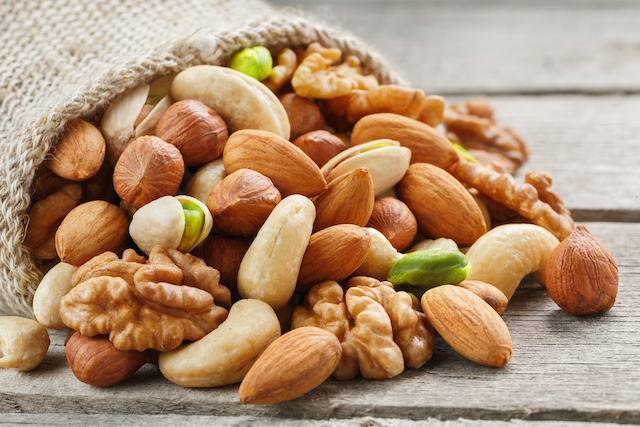
Nuts can aid in weight loss efforts, research shows
Nuts, often enjoyed as a topping on morning cereal or as a mid-afternoon nibble, may play a pivotal role in effective weight management strategies, according to new research findings.
A study conducted by the University of South Australia has found that nuts can be a beneficial component of calorie-restricted diets aimed at weight loss. The research, which synthesised data from seven randomised controlled trials, assessed the impact of nut inclusion on weight loss and glycemic control within energy-restricted (ER) diets. The findings indicated that including nuts did not negatively affect weight loss outcomes; on the contrary, it may enhance them.
The analysis revealed that in four out of the seven studies, participants who incorporated between 42 to 84 grams of nuts daily into their ER diets experienced significantly greater weight loss—ranging from an additional 1.4 to 7.4 kilograms—compared to those on similar diets without nuts. This weight loss benefit is thought to stem from nuts’ ability to effectively suppress appetite.
In instances where no discernible difference in weight loss was observed between nut-enriched and nut-free diets, the quantity of nuts included in the diets was generally lower.
This research arrives amidst concerning statistics from the Australian Bureau of Statistics, which indicate that 67% of Australian adults are either overweight or obese. Thus, the study’s insights are particularly timely and relevant.
Professor Alison Coates from UniSA highlighted the nutritional value of nuts, advocating for their inclusion in weight-loss diets. “Many people shun nuts in their diet due to the misconception that their high energy and fat content contribute to weight gain,” Professor Coates explained. However, she clarified that nuts are abundant in healthy unsaturated fats, plant proteins, and dietary fibre, all of which aid in promoting fullness and reducing overeating. She also noted nuts’ association with improved cardiovascular health, better gut health, and enhanced cognitive function.
Despite these benefits, it appears that nut consumption among Australians is less than ideal, with 60% of the population reporting they do not consume any nuts at all.
Professor Coates reassured that, contrary to common fears, nuts do not promote weight gain. “If concerns about weight gain have been deterring people from consuming nuts, they need not worry. Nuts do not lead to weight gain and seem to actually support weight loss efforts,” she asserted.
Dr Sharayah Carter, a co-author of the study, also celebrated the findings. She emphasised the unique flavour and texture profile of nuts, which make them an integral part of many diets, and highlighted their convenience as a healthy snack option. “For those who enjoy nuts, it is heartening to know that they can contribute to achieving weight-loss objectives while also enhancing overall health,” Dr Carter said. She added that health professionals should feel confident in recommending nuts as part of a healthy diet, with no adverse effects on weight management.
This study underscores the role of nuts as a beneficial addition to weight loss diets, helping to debunk myths about their dietary impact while promoting their numerous health advantages.
Read More
Evening workouts best for lowering blood sugar in adults with overweight and obesity
Recent investigations have shown that exercising in the evening can significantly decrease daily blood sugar levels in inactive adults who have overweight or obesity. This finding was reported in a study published in the journal Obesity, the flagship publication of The Obesity Society (TOS).
The study reveals that while the benefits of moderate to vigorous physical activity on glucose homeostasis are well acknowledged for adults at increased risk of insulin resistance, the specific timing that maximises these benefits had not been determined until now.
Professor Jonatan R. Ruiz of the University of Granada, who specialises in physical activity and health within the Faculty of Sport Sciences-Sport and Health University Research Institute (iMUDS), underscored the significance of timing in exercise routines. “Our results highlight the importance of the field of precision exercise prescription. In clinical practice, certified sports and medical personnel should consider the optimal timing of the day to enhance the effectiveness of the exercise and physical activity programmes they prescribe,” stated Ruiz. He led the research alongside predoctoral researcher Antonio Clavero-Jimeno.
The research utilised baseline data from a multi-centre randomised controlled trial carried out in Granada and Pamplona, Spain. The study aimed to examine the impact of time-restricted eating on visceral adipose tissue, body composition, and cardiometabolic risk factors among adults with obesity and overweight.
Involving 186 participants with an average age of 46 years and a body mass index of 32.9 kg/m2, the study monitored physical activity and glucose levels simultaneously over a 14-day period. This was achieved using a triaxial accelerometer and a continuous glucose-monitoring device.
Researchers categorised the volume of physical activity into periods: morning, afternoon, and evening. Activities were assigned to a period if over 50% of exercise was done within those times, with evening defined as 6 p.m. to midnight.
The findings indicated that engaging in more than 50% of daily moderate to vigorous physical activity in the evening led to lower glucose levels throughout the day and night, and these benefits were particularly pronounced in individuals with impaired glucose regulation. This pattern was consistent across both genders.
Renee J. Rogers, PhD, a senior scientist at the University of Kansas Medical Center, highlighted the implications for tailored exercise advice. “As the field moves towards individualised exercise prescriptions for different chronic conditions, this study now provides additional insights beyond just telling patients to ‘move more,’ but instead to move as often as possible and to prioritise afternoon-to-evening movement when feasible for glucose regulation,” said Rogers, who was not involved in the study.
The study also featured contributions from Manuel Dote-Montero, Jairo H. Migueles, Alba Camacho-Cardenosa from the University of Granada; Maddi Oses, Jon Echarte Medina, Juan M.A. Alcantara, Idoia Labayen from the Public University of Navarre and the Navarra Institute for Health Research (ldiSNA), and Manuel Muñoz-Torres from ibs.GRANADA and the University Hospital San Cecilio Clinic.
Read More
In-depth study unveils complex impact of obesity and metabolic syndrome on breast cancer risk
Recent research led by a University of Oklahoma academic has identified nuanced relationships between obesity, metabolic syndrome, and breast cancer risks, potentially guiding better preventative strategies for at-risk patients. The comprehensive findings stem from the Women’s Health Initiative (WHI), an extensive study initiated in the early 1990s focused on postmenopausal women’s health issues, including cancer, cardiovascular diseases, and osteoporosis.
Robert Wild, M.D., Ph.D., a professor of obstetrics and gynaecology at the OU College of Medicine, and a longstanding contributor to the WHI, co-authored this pivotal study published in the journal Cancer of the American Cancer Society. This investigation is part of a series of outputs from the WHI, which remains the largest preventative health study on women. It builds on previous research which demonstrated that a low-fat diet could reduce breast cancer mortality by 21% over two decades, prompting further exploration into whether this benefit was due to reduced obesity levels or amelioration of metabolic syndrome symptoms.
Dr. Wild elaborated on the study’s findings, stating, “This study shows that obesity had an effect on breast cancer independent of metabolic syndrome, and that metabolic syndrome had an effect on breast cancer independent of obesity. And they affected various subtypes in different ways, which influenced whether women were diagnosed with breast cancer and whether they died from it.”
The study’s insights are multifaceted: it confirms the importance of managing both body weight and metabolic health to mitigate breast cancer risks. Dr. Wild emphasised the foundational health practices, remarking, “This study is essentially saying to get back to the basics. Prevention is important, and we need to be paying attention to both metabolic syndrome and weight.” Metabolic syndrome comprises a cluster of conditions—elevated blood pressure, high blood sugar, excess abdominal fat, and abnormal cholesterol or triglyceride levels—all of which also heighten the risk of cardiovascular disease and diabetes.
In more detailed findings, the study reported:
- Metabolic syndrome is significantly associated with a 53% increase in deaths post-breast cancer diagnosis and a 44% rise in breast cancer mortality rates.
- The syndrome adversely affects prognosis specifically in cases of oestrogen receptor (ER)-positive and progesterone receptor (PR)-negative breast cancers.
- ER-positive cancers, which constitute 70-80% of all breast cancer cases, are typically hormone-dependent for growth and generally respond to hormone therapy.
- Conversely, PR-negative cancers lack hormone receptors, do not benefit from hormone therapies, and often exhibit faster growth compared to hormone-positive cancers.
The research also highlighted obesity’s impact, noting a higher incidence of breast cancer and mortality rates particularly among women with severe obesity. However, obesity showed a correlation with better outcomes in ER-positive and PR-positive cancers, which are treatable with hormone therapy and generally have a slower growth rate.
Dr. Wild reflected on the lasting value of the WHI data, saying, “The Women’s Health Initiative is the gift that keeps on giving. It is a great opportunity to make use of quality information. In the beginning, I don’t think we knew what a valuable resource it would still be years later.”
This study not only underscores the complex interactions between obesity, metabolic syndrome, and breast cancer but also reinforces the critical need for integrated health strategies to address these risks comprehensively.
Read More
Significant link between obesity and cognitive decline revealed by Chinese research
A recent study conducted in China has established a significant connection between obesity and the deterioration of brain health, suggesting that individuals with obesity may suffer from a reduction in brain volume akin to the effects seen after 12 years of ageing.
Researchers from Tsinghua University and Capital Medical University Affiliated Beijing Friendship Hospital undertook a comprehensive study spanning 16 years, during which they monitored the body mass index (BMI) and brain health of over 1,000 Chinese adults across various age groups. The findings of this research were derived from neuroimaging data, which highlighted a distinct association between obesity and several markers of cognitive decline. These markers include diminished brain volume, an increase in white matter lesions, and compromised microstructural integrity of the brain.
In the context of China’s health standards, an individual with a BMI exceeding 24 is categorised as having overweight, and obesity is defined at a BMI threshold of 28. The study, published in the journal Health Data Science, notes a critical finding: individuals under the age of 45 with a BMI over 26.2 exhibit brain volume reductions equivalent to the natural age-related decline observed over 12 years.
This research was spotlighted by the state media outlet Life Times, which stressed the study’s recommendation for younger individuals to maintain a BMI below 26.2 to safeguard their cognitive health. The report emphasised the absence of health benefits in being overweight, stating, “There is no healthy overweight person.”
The implications of obesity on brain health are not unique to China. A related study published in 2023 by a Lancet sub-journal, involving 10,000 participants from across Asia, corroborated these findings. This study illustrated that an increase of 0.27 kilograms in visceral fat correlates with 0.7 years of cognitive ageing for the average person.
Concerns are growing regarding the future health landscape of the Asia-Pacific region, as the authors of the study forecast a surge in dementia cases coinciding with increasing obesity levels and an ageing population. The region, which currently sees approximately 4 million new dementia cases annually—accounting for 40% of the global incidence—is also witnessing a rise in obesity rates that surpass the global average by about 7%.
A separate 2023 study, encompassing nearly 15.8 million adults from more than 240 Chinese cities, reported that 34.8% of the subjects had overweight and 14.1% were classified as having obesity. The study further noted a higher propensity for obesity and overweight conditions among men compared to women, with affected individuals more likely to suffer from health issues such as fatty liver disease, prediabetes, and hypertension.
Sun Dejin, a neurologist from Shenzhen Third People’s Hospital, shared insights with Life Times regarding the severe impact of obesity on cognitive functions. According to Sun, obesity leads to notable cognitive impairments, including deteriorations in thinking, learning, and memory capabilities. He warned that if these cognitive declines are not addressed, they could progress to dementia, posing severe risks to overall health and well-being.
This body of research collectively underscores the critical need for managing obesity to mitigate its profound effects on brain health and cognitive function.
Read More
Research reveals fathers’ diet affects child health before birth
A pioneering study conducted by Helmholtz Munich and the German Center for Diabetes Research has shed new light on the significant influence of paternal diet and body mass on the health of future generations even before conception occurs. This groundbreaking research offers vital insights that could lead to the development of targeted preventive health strategies for men planning to father children. The crux of the findings suggests a direct correlation between a father’s nutritional habits and the reduced risk of offspring developing metabolic conditions such as obesity and diabetes in later life.
Dr. Raffaele Teperino, who leads the Environmental Epigenetics research group at Helmholtz Munich, spearheaded this inquiry along with his team. Their research primarily focused on mitochondrial tRNA fragments (mt-tsRNAs) present in sperm, which are crucial in the epigenetic transmission of health characteristics, effectively regulating gene expression that impacts the health trajectory of children.
The empirical evidence was derived from the LIFE Child cohort data, encompassing over 3,000 families. Analysis from this cohort illustrated a clear link between paternal body mass and children’s propensity towards obesity and metabolic diseases, a connection that remains irrespective of maternal weight, genetic factors, or environmental influences.
To corroborate these findings, Dr. Teperino’s team undertook experimental studies on mice. These experiments involved feeding mice a high-fat diet and observing the resultant effects on their reproductive systems, particularly focusing on the epididymis where sperm matures. The findings were striking: offspring of mice fed a high-fat diet exhibited a marked increase in susceptibility to metabolic diseases.
Further laboratory studies involved creating embryos via in-vitro fertilisation using sperm from these diet-affected mice. Remarkably, mt-tsRNAs from the sperm of high-fat diet mice were detected in the early stages of these embryos, significantly altering gene expression which, in turn, influenced the development and health of the resulting offspring.
Professor Martin Hrabě de Angelis, co-author and Research Director at Helmholtz Munich, emphasised the importance of these findings: “Our research confirms that acquired phenotypes, like diabetes and obesity, can be epigenetically transmitted across generations. This underscores epigenetics as a molecular bridge that connects environmental factors with genetic frameworks across generational lines, a process evident not only through maternal lineage but, importantly, through paternal contributions as well.”
This research underscores the critical role of paternal health in the pre-conception phase and presents a compelling case for enhanced preventive health strategies targeting prospective fathers. These strategies, particularly focused on dietary guidance, could significantly mitigate the risk of obesity and diabetes in children, enhancing generational health outcomes.
The study also touches on the broader implications concerning mitochondrial functions. Commonly recognized as cellular powerhouses, mitochondria possess their own DNA (mt-DNA), which orchestrates protein production within mitochondria through mt-RNA and is traditionally inherited maternally. This research brings to light the lesser-known fact that fathers also contribute mt-tsRNAs during fertilisation, which play a role in the epigenetic regulation of gene expression in early embryos. This epigenetic influence by paternal mt-tsRNAs not only underscores their role in shaping the mitochondrial function but also highlights their indirect yet pivotal influence on the metabolic health of their children.
Read More
The link between chilli pepper consumption and increased obesity risk
In a detailed study published in Frontiers in Nutrition, researchers investigated the association between the frequency of chilli pepper consumption and the risk of developing obesity. The research used comprehensive data from the 2003-2006 National Health and Nutrition Examination Survey (NHANES), which gathers extensive demographic, health, and nutritional information from various age groups and ethnicities across the U.S.
The study involved 6,138 participants, whose chilli intake frequencies were documented through a food frequency questionnaire. Participants were divided into three groups: those who reported no chilli intake, occasional chilli intake, and frequent chilli intake. The researchers used participants’ height and weight data to calculate BMI, considering a BMI of 30 kg/m^2 or more as having obesity. They also examined a broad range of socio-demographic and lifestyle characteristics as covariates in the analysis.
Results from the questionnaire indicated that 16.8% of the study population reported no chilli intake, 74% had occasional chilli intake, and 9.2% had frequent chilli intake. In terms of lifestyle risk factors related to obesity, percentages of participants reporting current smoking habits, alcohol consumption, hypertension, and diabetes were noted respectively.
The analysis did not initially find significant differences in BMI across the three chilli consumption groups. However, a significant positive correlation emerged between the frequency of chilli intake and the prevalence of obesity. The study adjusted for covariates such as age, sex, ethnicity, educational background, marital status, family income, alcohol intake, physical activity level, diabetes presence, and overall dietary intake, revealing that frequent chilli consumers had significantly higher BMI values by about 0.71 units compared to non-consumers. The most frequent chilli consumers had a 55% greater risk of developing obesity compared to those who did not consume chilli peppers.
Moreover, gender appeared to significantly influence the relationship between chilli intake frequency and BMI, with a more pronounced risk of obesity among female participants and those aged 60 years and older. This finding suggests that frequent intake of chilli could substantially increase BMI and obesity risk in U.S. adults, especially among females. This observation aligns with several large-scale observational studies conducted in Asian countries, where the consumption of chilli peppers is relatively high. It is also hypothesised that chilli peppers are often consumed with high-fat, high-calorie foods, which contribute to unhealthy dietary patterns and weight gain.
Due to the study’s cross-sectional design, it was not possible to establish a causal relationship between chilli intake frequency and obesity risk. Additionally, the survey data did not specify the types of chilli peppers consumed, their spiciness levels, or the exact quantities, which are factors that could potentially influence the association with obesity.
Overall, the findings suggest that reducing the intake of chilli peppers might help mitigate the risk of weight gain and obesity. However, further research, particularly longitudinal studies, is required to explore the complexities of how chilli pepper consumption influences body weight and metabolic health.
Read More
High olive oil consumption linked to reduced risk of dementia-related mortality
Recent research highlights a significant association between high olive oil consumption and a decreased risk of mortality due to dementia, regardless of overall diet quality. This insight comes from a prospective study involving over 92,000 participants, suggesting that an intake of at least 7 grams of olive oil daily — approximately half a tablespoon — is linked with a 28% reduction in the risk of dementia-related death.
The research also examined the health benefits of substituting olive oil for more commonly used fats like margarine and mayonnaise. “Replacing one teaspoon of margarine and mayonnaise with the equivalent amount of olive oil was associated with an 8%-14% lower risk for dementia-related mortality,” Anne-Julie Tessier, RD, PhD, from the Department of Nutrition at Harvard T.H. Chan School of Public Health, shared with Medscape Medical News. She emphasised the advantages of opting for natural products like olive oil over more processed fats, highlighting their potential in reducing the risk of fatal dementia. However, Tessier added, “intervention studies are needed to confirm causal effect and optimal quantity of olive oil intake.”
Published on the 6th of May, 2024, in JAMA Network Open, the study leveraged data from the Nurses’ Health Study and the Health Professionals Follow-Up Study, which tracked over 92,000 participants from 1990 to 2018. These individuals, who were free from cardiovascular disease and cancer at the start, were monitored for dietary habits every four years through a food frequency questionnaire and for dementia-related mortality via death records.
The findings showed no interaction by diet quality scores, meaning the reduced risk associated with olive oil consumption occurred independently of overall diet quality. Tessier pointed out that while typically, “people who use olive oil for cooking or as a dressing have an overall better quality of their diet, but interestingly, we found the association between more olive oil and reduced risk of dementia-related death to be regardless of this factor.”
The study acknowledges several limitations, including its observational nature, which makes it challenging to establish cause and effect. “It is also plausible that higher olive oil intake could be indicative of a healthier diet and higher socioeconomic status, although the results remained consistent after accounting for these factors,” the authors noted.
Commenting on the implications of the findings, Rebecca M. Edelmayer, PhD, senior director of scientific engagement for the Alzheimer’s Association, noted the correlation shown by the study but cautioned against drawing causal conclusions. “It would be wonderful if a particular food could delay or prevent Alzheimer’s disease, but we do not have scientific evidence that these claims are true,” Edelmayer commented. She highlighted the necessity for randomised controlled clinical trials to establish whether any foods, including olive oil, have a scientifically proven beneficial effect on cognitive decline and dementia.
This study underscores a promising link between olive oil intake and a reduced risk of dementia-related death, suggesting potential protective benefits. However, further research, particularly interventional studies, is crucial to confirm these observations and understand the underlying mechanisms more fully.
Read More
Social media a “powerful” tool for obesity awareness amongst teenagers
Amid the rising global challenge of obesity, particularly among adolescents, there emerges an “urgent necessity” to leverage social media for disseminating scientific knowledge about obesity. This call to action was highlighted by Dr. Antonella Franceschelli, MD, PhD, at the European Congress on Obesity (ECO) 2024 in Venice, Italy. Dr. Franceschelli, affiliated with the UniCamillus International Medical University in Rome, stressed the significant influence that social media holds over young individuals.
Dr. Franceschelli’s team conducted an analysis focusing on the impact of obesity-related content on TikTok. Between 2021 and 2024, 108 videos from the account ‘Dr Anthos’ garnered a staggering 4631 views, averaging 42,495 views per video. A notable highlight was a video on the glucagon-like peptide 1 receptor agonist semaglutide, which achieved nearly a million views. This indicates a strong interest and engagement among the youth regarding obesity treatments and scientific discussions online.
The growing prevalence of obesity requires innovative strategies, particularly as over 90% of teenagers actively engage on social media platforms. Brands frequently target this demographic with food and beverage promotions, which can have mixed impacts on young consumers’ health, contributing to obesity, hypertension, and type 2 diabetes. However, Dr. Franceschelli suggests that this same medium offers immense potential to promote healthy eating and obesity awareness among youth.
Different platforms like TikTok, Instagram, and Facebook serve as powerful tools for medical professionals to reach out to the public and educate them on new therapeutic advancements. Each platform’s unique features provide distinct opportunities for effective communication. The ‘Dr Anthos’ TikTok account serves as a prime example, offering short videos about obesity management, including dietary advice, exercise tips, and medical treatments, alongside live Q&A sessions with healthcare experts. These videos especially resonate with audiences, with topics on obesity medication averaging 135,945 views per video and healthy eating tips reaching up to 10,262 views.
Live Q&A sessions have particularly facilitated direct interaction between specialists and the public, with some discussions attracting up to 2000 participants. These interactions have proven impactful, prompting significant increases in appointments for obesity treatment following these sessions. Dr. Franceschelli underscored the importance of creating tailored, constantly updated content on social media to maintain effective communication and engagement.
Additionally, Dr. Franceschelli advocated for the involvement of a social media consultant to refine the approach of health professionals online, ensuring that the content is communicated ethically and effectively. She also highlighted the personal commitment required, dedicating at least an hour daily to interact with patients and colleagues through these platforms.
Parallel research presented by Dr. Franceschelli at the congress explored the psychological aspects of obesity, particularly through the lens of social media profile images, such as those on WhatsApp. An analysis of 59 patients revealed a tendency among individuals with severe obesity to choose profile pictures that obscure their physical appearance, opting instead for images of pets, family, or landscapes. This behaviour suggests potential body dysmorphic disorder, a psychological condition where individuals perceive themselves as overweight, despite reality, often leading to shame and anxiety.
This insight into the psychological dimensions of obesity underscores the necessity of a holistic treatment approach, incorporating cognitive behavioural therapy and other psychological interventions along with medical and nutritional strategies.
Janet Lydecker, PhD, from Yale University, reflected on the broader implications of disseminating research via social media. She emphasised the importance of interrupting the flow of non-evidence-based content with scientifically validated information. However, she also cautioned about the potential for misinformation and the challenges audiences face in discerning reliable content online. Social media can propagate weight biases and misinformation, making it imperative for content creators to monitor how their contributions are interpreted and used.
This detailed examination at ECO 2024 illustrates the critical role of social media in confronting the obesity epidemic by fostering informed discussions and providing accessible educational content to the youth, potentially steering public health in a positive direction.
Read More
Integrating obesity experts into primary care clinics enhances patient weight loss outcomes
A novel study conducted by the University of Michigan reveals significant benefits in integrating obesity specialists into primary care settings, resulting in substantial weight loss for high-risk patients. This approach, piloted by Michigan Medicine’s academic medical centre through the Weight Navigation Program (WNP), has been proven to facilitate access to evidence-based weight management treatments and support patients in achieving notable weight reduction within a year.
Primary care practitioners often find it challenging to devise personalised weight management plans during brief consultations. Earlier investigations by the University have indicated that a majority of primary care patients with obesity fail to lose at least 5% of their body weight—an outcome that substantially decreases obesity-related health risks.
To address this, the Weight Navigation Program was established in the autumn of 2020, pairing obesity specialists with patients and their primary care providers to collaboratively develop tailored obesity treatment plans. The effectiveness of this initiative was evaluated in a study recently published in JAMA Network Open, carried out by a multidisciplinary team responsible for initiating the WNP.
Results from the first year of the programme indicated an average weight loss of about 12 pounds (approximately 4.4% of body weight) among participants, compared to minimal weight loss in a similar group from another clinic without access to the WNP. Participants typically started with a body mass index (BMI) around 40 kg/m^2, with eligibility for the WNP requiring a BMI over 30 kg/m^2 and at least one weight-related health condition such as high blood pressure, sleep apnea, type 2 diabetes, or high cholesterol.
More than 40% of WNP participants succeeded in losing at least 5% of their body weight, contrasting sharply with less than 20% in the non-WNP group. Additionally, 22% of WNP participants lost at least 10% of their body weight, compared to less than 4% in the comparison group. These outcomes suggest the potential for wider application and testing of the WNP approach in larger clinical trials.
Currently, the WNP is accessible to all eligible adult patients receiving primary care through U-M Health clinics, serving as an entry point to a variety of treatment options. This programme is a part of an extensive array of weight management services offered across various U-M Health departments.
Dr. Dina Hafez Griauzde, the study’s lead author and an assistant professor of internal medicine at U-M Medical School, emphasised the programme’s foundation on safe and effective obesity care integration into primary care settings. This model promotes a collaborative team approach to evaluate patients, explore treatment options including cost considerations, and facilitate access to specialised care and follow-up.
Senior author Dr. Andrew Kraftson, an endocrinologist specialising in obesity medicine, highlighted the need for such programmes due to a shortage of obesity specialists. The WNP builds upon the successes of other chronic disease programmes by fostering a closer partnership between specialists and primary care providers. Notably, two-thirds of the current obesity medicine specialists also serve as primary care physicians.
Patients referred to the WNP consult with obesity specialists knowledgeable about the comprehensive treatment offerings at U-M Health, including community diabetes prevention programmes and understanding of insurance coverage. Following these consultations, specialists provide personalised treatment recommendations tailored to each patient’s medical needs, financial situation, and preferences.
The WNP team closely monitors progress and coordinates ongoing care, offering treatments ranging from specialised dietary plans and anti-obesity medications to weight loss surgery. The initial study tracked 132 people enrolled in the WNP and a matched group of 132 receiving usual care, studying their health outcomes over a year.
This extensive research, backed by funding from the National Institute of Diabetes and Digestive and Kidney Diseases and other grants, supports the feasibility and efficacy of integrating specialised obesity care within primary care frameworks, aiming to enhance overall patient outcomes in weight management.
Read More
Clinical study reveals benefits of probiotics and prebiotics in obesity care and weight management
A groundbreaking study published in Scientific Reports explores the potential benefits of integrating a low-calorie diet rich in fibres, probiotic supplementation, and regular physical exercise on the health and body composition of women with obesity in Egypt.
Obesity is a global health issue affecting diverse populations regardless of socio-economic status, age, ethnicity, or gender. The gut microbiota plays a crucial role in overall well-being by influencing metabolism, vitamin synthesis, immune response, and protection against pathogens.
Dietary modifications have been shown to alter the composition and diversity of gut microbiota, offering new avenues for treating conditions like obesity that are linked to gut health. An imbalance in the gut microbiota, particularly the ratio of Firmicutes to Bacteroidetes (F/B ratio), is commonly associated with obesity, suggesting that restoring balance could serve as an effective intervention.
This longitudinal study investigated the effects of a controlled diet, enhanced with fibre and probiotics, alongside regular physical activity, on women with obesity from Egypt. The cohort comprised 58 participants, with an average age of 47 years and a mean body mass index (BMI) of 38 kg/m². They adhered to a structured weight loss diet that emphasised low carbohydrates and high protein and fibre intake, complemented by 100 grams of probiotic-rich yogurt daily. This regimen was designed to supply 49% of the recommended dietary allowance for calories, with a specific macronutrient breakdown of 58% fat, 42% carbohydrates, and high levels of protein (88%) and fibre (95%).
The selected foods included beans, whole grains, legumes, nuts, various fruits and vegetables, low-fat dairy, eggs, cottage cheese, and lean meats. Researchers monitored several physical attributes such as weight, waist and hip circumference, and skinfold thickness at multiple sites according to the International Biological Programme’s guidelines.
Participants underwent extensive health screenings, excluding those with autoimmune, metabolic, or gastrointestinal disorders, or those on conflicting medications like antibiotics. Key metrics such as body composition, including fat mass and fat-free mass, basal metabolic rate, and various anthropometric measurements were recorded.
Researchers also conducted detailed analyses of blood and faecal samples, the latter to assess changes in gut microbiota post-intervention through gene sequencing and real-time polymerase chain reaction (PCR) techniques. They specifically measured levels of Bifidobacteria, Lactobacillus, and the critical F/B ratio.
Post-intervention results were highly encouraging, with significant improvements in body measurements, composition (including reductions in waist circumference, hip circumference, and skinfold thickness), and critical health markers like leptin, and liver enzymes (AST and ALT). The probiotic intervention led to a marked increase in the populations of beneficial bacteria such as Lactobacillus and Bifidobacteria, and a significant reduction in Firmicutes, thereby improving the F/B ratio.
The study also noted strong negative correlations between the F/B ratio and various body composition and metabolic indicators, suggesting that a better balanced gut microbiota is closely linked to improved health outcomes in individuals with obesity.
The integrated approach of a fibre-rich, low-calorie diet, regular physical activity, and probiotic supplementation not only enhanced body composition and facilitated weight loss but also improved important blood markers associated with obesity. The findings underscore the potential of probiotics to aid in weight management by reducing inflammation, enhancing the gut barrier, and modulating various biological functions.
Regular exercise and the strategic use of probiotic supplements appear to be effective in managing obesity-related health issues, indicating a promising strategy for tackling obesity through gut microbiota modulation.
Read More
Severe obesity in early childhood could halve life expectancy, study shows
A groundbreaking study revealed at the European Congress on Obesity in Venice, Italy, on 12-15 May, 2024, has provided a quantitative analysis on how childhood obesity affects life expectancy and long-term health. This research, conducted by stradoo GmbH, a life sciences consultancy based in Munich, Germany, involved collaboration with experts from universities and hospitals across the UK, Netherlands, France, Sweden, Spain, the U.S., and Germany. Dr. Urs Wiedemann of stradoo presented these findings, highlighting the critical influence of obesity’s onset age, its severity, and its duration on lifespan.
The study shows that early-onset obesity has particularly severe consequences. For instance, a four-year-old with severe obesity (BMI Z-score of 3.5), who does not manage to reduce their weight, is projected to have a life expectancy of just 39 years, nearly half the average lifespan.
Dr. Wiedemann noted the sporadic nature of existing data on the significant lifespan reduction associated with childhood obesity and its potential health complications, such as cardiovascular diseases and type 2 diabetes. The study aimed to refine our understanding of these impacts to better shape preventative strategies and treatment approaches, ultimately extending lifespan and enhancing quality of life.
To achieve this, the research team developed a model focused on early-onset obesity. This model considered several critical variables, including the age when obesity begins, the duration of obesity, irreversible health risks that persist despite weight loss, and the severity of obesity, measured by BMI Z-scores.
BMI Z-scores, which adjust body mass index values for age and gender, were central to the analysis. For example, a 4-year-old boy with a typical height of 103 cm and a weight of 19.5 kg would have a BMI Z-score of 2, marking the onset of obesity. More severe cases, like a child of the same age and height weighing 22.7 kg, would have a BMI Z-score of 3.5, indicative of severe obesity.
The findings were supported by data from 50 clinical studies involving over 10 million participants, with approximately 2.7 million aged between 2 and 29. This large-scale data analysis underscored the heightened risk of developing comorbidities such as type 2 diabetes and cardiovascular diseases with higher and earlier BMI Z-scores.
For instance, a child with a BMI Z-score of 3.5 at age 4, without weight loss, faces a 27% likelihood of developing type 2 diabetes by age 25 and a 45% chance by age 35. In comparison, a child with a BMI Z-score of 2 at the same age would have significantly lower risks (6.5% by age 25 and 22% by age 35).
The research also demonstrated the life-extending potential of early weight loss. A child with severe early-onset obesity (BMI Z-score of 4 at age 4) who does not lose weight would have an expected lifespan of 37 years and a 55% risk of developing type 2 diabetes by age 35. Conversely, reducing their BMI Z-score to 2 by age 6 could increase their lifespan to 64 years and lower their diabetes risk to 29%.
The findings also highlighted the greater benefits of earlier weight loss over delaying weight reduction. However, the model did not consider certain variables such as the underlying causes of obesity, genetic factors, or the complex interplay of different comorbidities, which may affect the outcomes.
In conclusion, Dr. Wiedemann stressed the severe impact of childhood obesity on longevity and health, advocating for early intervention and consistent management to prevent the onset of severe health conditions. The study reinforces the critical nature of childhood obesity as a life-threatening condition that requires immediate and sustained medical attention.
Read More