

Obesity during youth could double the risk of multiple sclerosis in later life, research suggests
Children grappling with obesity might face a significantly higher likelihood of being diagnosed with multiple sclerosis (MS) in adulthood, according to recent research findings.
Multiple sclerosis is a condition that impacts the brain and spinal cord, leading to a wide array of potential symptoms, including challenges with vision, coordination in the arms or legs, sensation, or balance. As a lifelong affliction, MS can sometimes lead to severe disability.
These insights are set to be shared at the European Congress on Obesity, taking place in Venice this May, and stem from research conducted by the Karolinska Institute in Stockholm.
Prior studies have hinted at a connection between an elevated body mass index (BMI) during adolescence and a heightened risk of MS. However, the majority of these analyses relied on retrospective approaches and self-reported data, which could introduce biases.
The recent investigation aimed to prospectively assess the risk of MS development among a significant cohort of children with obesity in comparison to their counterparts in the broader population. To this end, the researchers turned to the Swedish Childhood Obesity Treatment Register, also known as Boris. This database stands as one of the globe’s most extensive records dedicated to the treatment of childhood obesity.
The team reviewed data pertaining to children between the ages of two and 19 who were enrolled in the registry from 1995 to 2020. This information was then juxtaposed with data from the general population of children.
In total, the study took into account data from over 21,600 children who commenced obesity treatment at an average age of 11, alongside more than 100,000 children without obesity.
Throughout an average tracking period of six years, MS was diagnosed in 28 children from the group with obesity (representing 0.13% of this cohort) and 58 children from the group without obesity (0.06%).
The average age at which MS was diagnosed remained similar across both groups, with diagnoses typically occurring around the age of 23.
While acknowledging certain limitations in their study, the researchers underscored: “Despite the limited follow-up time, our findings accentuate that childhood obesity amplifies the risk of developing early-onset MS by more than double.”
The study’s lead researchers, Associate Professor Emilia Hagman and Professor Claude Marcus, commented: “Obesity during childhood induces a low-grade, yet chronic inflammation, which likely elevates the risk of developing various conditions, including MS.”
They further elucidated that such chronic low-grade inflammation is believed to elevate the risk of other conditions, such as asthma, arthritis, type 1 diabetes, and certain cancers. Notably, they highlighted that weight loss can diminish inflammation, thereby potentially reducing the risk of developing these diseases.
Read More
Very low calorie diets safe for teens with obesity when monitored by a dietitian, study finds
In recent findings set to be unveiled at the European Congress on Obesity (ECO) in 2024, researchers assert that stringent low-calorie diets, when under the vigilant oversight of seasoned dietitians, hold promise for adolescents grappling with moderate to severe obesity.
The study, originating from Australia, explored the viability and tolerance of very low energy diets (VLEDs) among teenagers, revealing an overall positive reception despite some experiencing adverse effects. VLEDs, characterised by a daily intake of 800 calories or less through specialised meal replacements like bars and shakes, aim to fulfil essential nutrient needs while offering an alternative path to weight loss. This approach is particularly geared towards young individuals who have found little success with traditional diet and exercise regimens, presenting a potential prelude to a more balanced diet without resorting to bariatric surgery.
Historically, the application of VLEDs in youth has been approached with caution due to scant data concerning potential side effects—ranging from headaches and fatigue to muscle cramps and digestive issues—and their impact on overall growth, cardiac health, and psychological well-being. This hesitancy underscores the significance of the study conducted by Dr. Megan Gow and her team at the Children’s Hospital Westmead Clinical School, affiliated with The University of Sydney, Westmead, Australia.
The research delves into the initial phase of the “Fast Track to Health” study, specifically the first four weeks during which participants engaged in a nutritionally balanced VLED to initiate weight loss. The cohort, comprising 141 adolescents aged 13 to 17 years with obesity and at least one obesity-related complication (e.g., hypertension, insulin resistance, or dyslipidemia), was divided to receive either four Optifast meal replacement products daily alongside low carbohydrate vegetables and a teaspoon of vegetable oil or a similar regimen with three meal replacements and one solid meal of lean meat and vegetables.
Support was provided through weekly consultations with a dietitian, with assessments at baseline, weekly intervals, and a comprehensive survey to gauge the diet’s acceptability, detailing aspects the participants found favourable or unfavourable.
Despite prevalent side effects, the adherence rate was notably high, with an average weight loss of 5.5kg observed across participants. The majority reported experiencing multiple side effects, including hunger, fatigue, headaches, and gastrointestinal disturbances, with the incidence peaking in the first week. Interestingly, a correlation was observed between the early onset of side effects and more substantial weight loss, hinting at higher compliance with the dietary restrictions.
Feedback on the VLED’s practicality and enjoyment yielded mixed reviews, with the structured nature and the tangible outcomes of weight loss cited as positives, whereas the restrictive diet and the palatability of meal replacements drew criticism.
The findings advocate for the short-term safety and potential acceptability of VLEDs under professional guidance for adolescents with significant obesity challenges. Dr. Gow emphasises the necessity for further research to pinpoint those who would benefit most from this approach. She advocates for the incorporation of VLEDs into clinical guidelines for managing severe obesity and related health issues in young people, positioning it as a preliminary step before considering medication or surgery.
Adolescents and their guardians are encouraged to consult healthcare professionals to explore suitable treatment avenues for obesity.
This study not only sheds light on the pragmatic aspects of implementing VLEDs among adolescents but also underscores the importance of professional oversight and the need for a broader discourse on obesity management in younger populations.
Read More
BMI found outdated for childhood obesity measurement in Bristol study
A groundbreaking study hailing from Bristol has shed new light on the efficacy of current methods used to assess childhood obesity, proposing a shift towards a more precise alternative. This research scrutinises the longstanding reliance on Body Mass Index (BMI) for evaluating obesity in children, suggesting that the waist-to-height ratio (WHtR) could serve as a superior metric.
The comprehensive analysis spanned over 15 years and delved into the health metrics of 7,237 children, each nine years of age, revealing significant insights. These findings challenge the existing guidelines that favour BMI as the standard obesity measure, underlining the urgent need for more accurate obesity detection in paediatric health.
Published in the prestigious journal Paediatric Research, this study is a component of the expansive Children of the 90s project, drawing attention to the escalating obesity rates amongst 10 and 11-year-olds in England, a surge notably exacerbated by the Covid pandemic and yet to recede to pre-pandemic figures.
Professor Julian Hamilton-Shield, a consultant paediatrician at the Bristol Royal Hospital for Children and a leading figure in the study, voiced concerns over the increasing prevalence of severe obesity and its complications observed in his weight management clinic. “The uptick in severe obesity levels and its attendant severe complications underscores the necessity for reliable measures that offer a clearer insight into an individual’s health status,” stated Prof Hamilton-Shield.
The research team scrutinised BMI data sourced from the government’s National Child Measurement Programme, which annually assesses approximately a million Year 6 students across England. While BMI has been a cornerstone in determining healthy weight parameters, offering a simple and quick assessment method based on height and weight, its limitations are becoming increasingly apparent. Specifically, BMI fails to account for body frame variations or muscle mass, rendering it an incomplete measure of body fat.
This limitation is particularly poignant when considering that BMI might categorise individuals with significant muscle mass, such as rugby players, as having obesity, highlighting its outdated nature. In contrast, the study, conducted in collaboration with researchers from the University of Bristol, the University of Exeter, and the University of Eastern Finland, advocates for the WHtR as a viable replacement for BMI. This method promises a more accurate assessment of excess fat mass in children and adolescents.
Professor Andrew Agbaje, the lead author of the study, emphasised the practicality and effectiveness of the waist circumference-to-height ratio. “Utilising just a measuring tape, we can accurately identify eight out of ten children who genuinely have obesity. Furthermore, this method allows us to correctly recognise 93 out of 100 individuals who, despite being muscular, would be mistakenly classified as overweight or having obesity by BMI standards,” Prof Agbaje explained.
He further highlighted that unlike BMI, which fluctuates with age and sex, the waist-to-height ratio remains consistent, irrespective of these variables. This finding underscores the potential of WHtR to revolutionise how childhood obesity is measured, offering a more nuanced understanding of body composition and facilitating the identification of true obesity, thus enabling more targeted and effective interventions.
Read More
Study highlights higher incidence of musculoskeletal issues in young girls with obesity
Recent research indicates a concerning trend among young girls aged 4 to 11 who are overweight or have obesity, showing they are more frequently visiting GPs for musculoskeletal problems compared to their counterparts of a healthy weight.
The study reveals that girls in their first year of school (reception year) with a Body Mass Index (BMI) classified as overweight have a 24% increased likelihood of attending a GP appointment for a musculoskeletal issue at least once. This probability soars to 67% for girls identified as living with obesity. Furthermore, by the time they reach year 6, girls with obesity are 20% more likely to consult a GP for similar problems. Conversely, boys in the same age bracket with a BMI categorised as underweight were found to be 61% less likely to seek such medical advice compared to their peers of a normal weight.
The most frequently reported problems were related to knee and back pain, as outlined in the results published in the “Archives of Disease in Childhood” journal, focusing on a specific London area.
Nicola Firman, the study’s lead author and a health data scientist at Queen Mary University of London, emphasised the scarcity of longitudinal studies examining the link between obesity and musculoskeletal health outcomes during childhood. Despite a systematic review revealing a general lack of substantial evidence, this study aims to bridge that gap by investigating these health outcomes in an ethnically diverse population within the UK, known for its high rates of childhood obesity and social deprivation.
Among the youngest participants, knee pain was reported by 46% of boys and 41.5% of girls, with these figures slightly decreasing among year 6 students to 40.4% for boys and 36% for girls. In terms of back pain, 22% of reception year boys and a higher 32% of girls experienced this issue, which increased to 30% for boys and an alarming 45% for girls by year 6.
Interestingly, the study noted that reception year girls with obesity were significantly more inclined to consult their GP over musculoskeletal issues than their healthy weight female peers, a trend not observed among boys.
Firman also referenced studies from Spain and the USA, noting an observed rise in back pain incidents among girls, not boys, highlighting the global need for more longitudinal research to fully understand the relationship between childhood obesity and musculoskeletal health.
The research sample included primary school children from four ethnically diverse local authorities in north-east London.
Katharine Jenner, Director of the Obesity Health Alliance, responded to these findings with concern, stressing that primary school-aged children should be enjoying their youth actively rather than facing the physical limitations and pains leading to GP consultations. She criticised the government’s lack of action on its obesity strategy, pointing out that the goal to halve childhood obesity by 2030 is becoming increasingly unattainable without significant policy changes and implementations.

Research indicates higher likelihood of midlife obesity in individuals whose parents had obesity
In the midst of growing concerns regarding global health, a pivotal study poised for presentation at the esteemed European Congress on Obesity (ECO) in Venice, from 12th to 15th May 2024, sheds light on the intergenerational transmission of obesity, revealing profound insights into how parental obesity significantly influences the likelihood of obesity in their offspring during middle age.
This groundbreaking research, led by Mari Mikkelsen from the Department of Community Medicine at UiT Arctic University of Norway in Tromsø, embarks on a novel investigation into the persistence of obesity from one generation to the next, particularly extending beyond adolescence and well into adulthood—a period often overlooked in previous studies. Mikkelsen’s team delved into the intricate relationship between the Body Mass Index (BMI) of parents and their adult children, employing data meticulously gathered from the Tromsø Study, a comprehensive, ongoing population-based health study.
The analysis encompassed 2,068 parent-offspring trios, focusing on individuals aged 40-59 years who participated in the seventh wave (2015-2016) of the Tromsø Study, with their parents’ data drawn from the fourth wave (1994-1995). The findings illuminate a compelling correlation between the BMI of parents in their middle years and that of their children at a similar stage in life, underscoring a pronounced genetic and environmental legacy of obesity.
Specifically, the study reveals that when both parents had a BMI indicating obesity (BMI ≥ 30 kg/m²) during their forties and fifties, their offspring were six times more likely to experience obesity at the same age compared to those whose parents were within a normal weight range (BMI 18.5-24.9 kg/m²). Moreover, the presence of obesity in just one parent still significantly elevated the likelihood of the offspring living with obesity, with the odds being over three times higher.
An intriguing aspect of the research was the quantification of the BMI transmission effect: an offspring’s BMI increased by 0.8 units for each 4-unit rise in the mother’s BMI and by 0.74 units for every 3.1-unit increase in the father’s BMI. These findings persisted even after adjustments for several variables, including the sex, age, education, and physical activity levels of both parents and offspring.
Mikkelsen’s team provides a nuanced understanding of the multifaceted factors contributing to this familial trend in obesity. Genetic predispositions play a crucial role by influencing susceptibility to weight gain and shaping reactions to an increasingly obesogenic environment. Additionally, shared family behaviours concerning diet and exercise, established during childhood and adolescence, may further perpetuate similar BMI statuses within families.
This profound research not only reinforces the enduring impact of familial obesity patterns but also emphasises the critical need for effective obesity prevention and treatment strategies. By highlighting the long-lasting consequences of parental obesity on their children into middle age, the study paves the way for future research aimed at identifying and mitigating the factors responsible for the intergenerational transmission of obesity. In doing so, it offers hope for breaking the cycle of obesity and fostering a healthier future for subsequent generations.
Read More
Definitive link between obesity and deteriorating mental health, particularly for women, uncovered
A recent comprehensive investigation, published in the esteemed journal PLOS ONE, unveils a concerning correlation between increased body mass index (BMI) and adverse mental health outcomes, such as heightened depression and diminished well-being, with this association being particularly pronounced amongst women.
Conducted by the School of Public Health at University College Cork, Ireland, the study highlights that lifestyle choices bear minimal influence on the mental health challenges associated with obesity. The research meticulously scrutinised the health records of 1,821 individuals, aged between 46 and 73, who were meticulously selected from a vast patient pool at a leading primary care facility.
The investigation meticulously evaluated the linkage between mental health indicators and obesity, employing BMI and waist-to-height ratios as primary metrics, while duly adjusting for lifestyle habits and pre-existing health conditions. Utilising the 20-item Center for Epidemiologic Studies Depression Scale alongside the World Health Organization’s Five Well-Being Index, the study embarked on a holistic approach to gauge mental health.
Participants were required to undertake an overnight fasting session prior to submitting blood samples, which were analysed for fasting glucose and glycated haemoglobin levels. In addition, measurements of height, weight, and waist circumference were conducted, facilitating precise BMI calculations.
The comprehensive health and lifestyle questionnaire completed by participants enabled researchers to meticulously analyse demographic data, lifestyle choices, and concurrent health conditions, thereby ensuring a nuanced understanding of the study’s demographic.
The findings startlingly indicated a direct association between obesity markers, such as elevated BMI and waist-to-height ratios, and increased depressive symptoms alongside lower well-being levels, with a notable disparity observed between genders, indicating a significantly more pronounced effect in women.
This revelation aligns with prior studies, reinforcing the intricate interplay between obesity, societal, and physiological factors. The stigma, discrimination, and social prejudice faced by individuals with obesity, coupled with physical ailments like joint and back pain, are identified as potential catalysts for depressive symptoms.
Experts, including Dr. Eva Panigrahi from The Ohio State University Wexner Medical Center, who was not involved in the study, underscore the biological nexus between obesity and depression. Dr. Panigrahi elaborates on the cyclical nature of this relationship, exacerbated by a myriad of physiological and psychopathological factors, further complicating the clinical picture.
The research advocates for targeted interventions aimed at mitigating depression through effective weight management strategies at the community level, underpinning the intricate relationship long observed between obesity and depression.
Dr. Mir Ali of the MemorialCare Surgical Weight Loss Center at Orange Coast Medical Center in California, echoes the sentiment that the interconnection between obesity and mental health is multifaceted, highlighting the persistent societal stigma and discrimination against those with obesity despite advancements in understanding its complexities.
The study also sheds light on the therapeutic potential of certain antidepressants that do not provoke weight gain, such as bupropion, and the efficacy of evidence-based psychotherapies like cognitive behavioural therapy (CBT) in treating depression and managing weight concurrently.
Key strengths of this investigation include the utilisation of validated depression and well-being scales, dual indexes for measuring adiposity, and equitable gender representation among participants. However, its limitation lies in the homogeneity of the study sample, predominantly European-Caucasian from a single primary care centre, potentially limiting the generalisability of the findings.
Furthermore, Dr. Panigrahi critiques the cross-sectional design of the study, which restricts the ability to establish causal relationships, a common challenge in observational research that gathers data at a single point in time. This limitation underscores the necessity for longitudinal studies to further elucidate the intricate dynamics between obesity and mental health, particularly across diverse populations.
Read More
Study indicates significant benefits from obesity care, though few receive it
Obesity represents a significant global health challenge, marked by its complex aetiology and the substantial health risks it poses. Effective management of obesity can dramatically improve health outcomes, yet access to comprehensive obesity care remains limited for many. A recent study conducted by a team from Michigan Medicine at the University of Michigan has shed light on the effectiveness of various obesity treatment strategies and highlighted the disparity in access to these interventions.
The study, engaging tens of thousands of individuals diagnosed with obesity, meticulously evaluated the outcomes of diverse weight management interventions, including nutrition counselling, medically supervised meal replacements, anti-obesity medications, and bariatric surgery. The findings revealed that the likelihood of achieving a weight loss of 5% or more within a year varied significantly across the different treatment modalities, ranging from nearly one in four to almost certain success, depending on the specific intervention utilised.
Notably, the research emphasised that a modest weight loss of just 5% can have profound health benefits, underscoring the importance of accessible and effective weight management strategies. However, a critical observation from the study was the underutilisation of available treatments, with a mere fraction of the study population receiving any form of medically endorsed weight management care from their primary healthcare providers.
The investigation revealed a troubling gap in the provision of obesity-related healthcare, with the majority of individuals suffering from obesity not receiving adequate treatment through their regular healthcare channels. This gap is not due to a lack of effective treatments but rather to a systemic failure to integrate these options into standard care practices. The study’s authors advocate for a more proactive approach by primary care clinics, health systems, and insurers to facilitate access to and engagement with effective obesity treatments.
In response to these findings, the University of Michigan has embarked on an innovative programme aimed at transforming obesity care. The Weight Navigation Program, spearheaded by Dina Hafez Griauzde, M.D., M.Sc., and Andrew Kraftson, M.D., seeks to offer personalised treatment paths for patients, leveraging the expertise of board-certified obesity medicine physicians and ongoing support mechanisms, including digital communication tools, to ensure long-term engagement and success.
This initiative not only provides immediate care options for individuals struggling with obesity but also serves as a model for integrating evidence-based weight management strategies into primary care, potentially reshaping the landscape of obesity treatment.
The study conducted by Michigan Medicine highlights the critical need for improved access to and utilisation of weight management treatments in the fight against obesity. By demonstrating the efficacy of various treatment options and pioneering new approaches to care delivery, the research team has laid a foundation for a more inclusive and effective obesity care framework. As healthcare systems and insurers begin to recognise and address the barriers to obesity treatment, there is hope for a future where comprehensive, personalised obesity care is accessible to all who need it.
Read More
Hundreds await obesity treatment in Leeds amid service overload
In the bustling city of Leeds, a significant number of individuals find themselves in a prolonged queue for access to specialised obesity management treatments. The Tier 3 Weight Management service, specifically orchestrated to assist adults grappling with severe and intricate forms of obesity, has seen an overwhelming surge in demand, leading to its suspension of new referrals as of July 2023.
Originally established with the ambition to support 250 individuals each year, the service has seen its caseload swell to over 1,000 by the close of December, far surpassing its intended capacity. This escalation has resulted in approximately 660 people currently awaiting their turn for intervention, a situation that the National Health Service (NHS) has acknowledged, pointing these patients towards alternative support mechanisms in the interim.
Operated by the Leeds Community Healthcare NHS Trust (LCH), the programme extends its aid to those with a Body Mass Index (BMI) of 40 or above, or a BMI of 35 coupled with additional health complications, according to the Local Democracy Reporting Service. Yet, a briefing prepared for the LCH’s board meeting highlighted a continuous and significant overrun of the waiting list beyond the service’s contractual agreements.
Amidst considerations for the service’s reconfiguration, novel treatment options, including injectable medications aimed at weight reduction, have been proposed. Nevertheless, apprehensions regarding the fiscal repercussions of such expansive implementation have been raised by the West Yorkshire Integrated Care Board (ICB), the body responsible for commissioning this service. The current strategy involves a cautious, staged reintroduction of services.
To alleviate some of the pressure, the ICB allocated an additional £192,000 to bolster the Tier 3 programme, although this injection of funds is set to conclude by April. Decisions regarding further financial commitments to the service, which engages with patients over a period of 12 to 18 months, are anticipated by the end of March.
The uniqueness of Leeds’ offering in the landscape of UK healthcare has been underscored by a spokesperson, who noted, “Many areas across the UK do not have access to a specialist service like the offer we have available in Leeds.” The statement further reflected on the financial dilemmas facing the healthcare system, emphasising the need to judiciously balance further investments against other obligatory responsibilities.
Plans are underway to enhance the service through the introduction of digital treatment options, augmented mental health support, expanded educational resources, and a reevaluation of the criteria for referral, aiming to provide a more comprehensive and accessible approach to obesity management amidst challenging fiscal constraints.
Read More
Maternal obesity directly impacts male offspring’s lifelong health
Recent findings reveal that sons born to mothers with obesity are more likely to face a host of health challenges from birth into adulthood, including a predisposition to obesity, liver conditions, and diabetes.
This increased risk is attributed to the unique way male hormones, or androgens, interact with the developmental processes of the liver in male offspring.
A groundbreaking study spearheaded by the University of South Australia (UniSA) delves into the complex effects maternal obesity has on the foetal liver’s response to androgen signalling.
The research highlights a concerning trend: male foetuses carried by women with obesity exhibit altered liver responses to androgens, pushing them towards accelerated growth, often at the cost of their long-term health.
According to UniSA’s Dr Ashley Meakin, androgens play a pivotal role in bestowing male traits and are integral to male development. However, an excess of these hormones can lead to oversized male foetuses. This not only complicates the birthing process but can also lead to lifelong liver function issues.
In contrast, female foetuses seem to have a protective mechanism against the excess testosterone stemming from maternal obesity, effectively dampening the androgen pathway in the liver. This curbs their growth and reduces the likelihood of facing metabolic disorders in later life.
Dr Meakin notes significant gender disparities in the prevalence of metabolic disorders in adulthood, attributing a higher susceptibility to non-alcoholic fatty liver diseases and diabetes in men to maternal obesity during pregnancy, especially if the birth weight exceeds 4 kilograms.
The research team, including study lead Professor Janna Morrison, head of the Early Origins of Adult Health Research Group at UniSA, underscores the critical importance of balanced nutrition during pregnancy. They argue that achieving a “Goldilocks pregnancy” – not too little, not too much, just right – is essential for fostering the best health outcomes for offspring.
Professor Morrison warns of the long-term challenges posed by societal attitudes towards nutrition, emphasising the urgent need to combat obesity and its ripple effects from gestation through to adulthood. She advocates for early education on healthy eating habits, which can have a lasting impact, particularly during pregnancy when optimal nutrition is crucial.
In the meantime, Dr Meakin suggests that dietary supplements might offer a temporary solution to correct nutritional imbalances during pregnancy, ensuring the foetus has the best possible conditions for healthy development.
The study, published in the journal Life Sciences, forms part of a broader investigation by Professor Morrison and her colleagues into the effects of maternal nutrition – both excessive and insufficient – on the developing placenta, heart, lungs, and liver.
Read More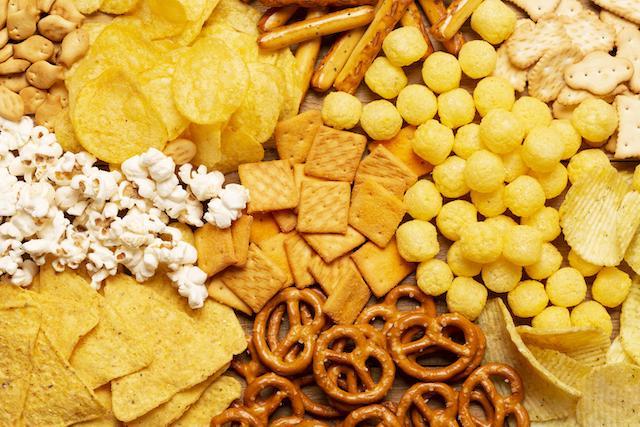
Comprehensive analysis shows ultra-processed foods elevate metabolic disease risks
A pivotal study published in Frontiers in Nutrition meticulously explores the connection between the intake of ultra-processed foods (UPFs) and the heightened risk of metabolic disorders.
The consumption of UPFs is often discouraged due to its potential role in fostering metabolic conditions such as type 2 diabetes mellitus (T2DM) and obesity. These conditions detrimentally impact various bodily systems by disrupting the normal breakdown and synthesis of substances during metabolism.
Although the root causes of metabolic disorders are complex and multifaceted, encompassing both genetic and environmental factors, diet emerges as a significant, modifiable environmental aspect.
Employing the NOVA food classification system, UPFs are identified as products of industrial processing, comprising extracted ingredients, additives, and minimal whole foods. Common examples include baked goods, processed snacks, sausages, and sugar-laden drinks.
Despite the established linkage between UPF consumption and metabolic diseases, critiques exist regarding the potential bias within the research findings.
This investigation conducted an umbrella review (UR), meticulously examining published systematic reviews coupled with meta-analyses to affirm the strength and validity of the association between UPF intake and the risk of metabolic diseases.
Databases such as Web of Science, PubMed, Embase, and the Cochrane Library were exhaustively searched up to July 15, 2023, without language limitations. The search also included citation tracking to identify additional relevant studies.
Exclusion criteria targeted studies focusing on laboratory and animal research, genetic polymorphisms, and those lacking specific data or quantitative analysis. Studies incorporating fewer than three original research articles were also omitted from the meta-analysis.
A thorough analysis of 13 meta-analyses was conducted, revealing a consistent association between UPF consumption and the onset of obesity and T2DM.
Notably, seven cross-sectional and numerous prospective cohort studies identified a 1.55 times increased risk of obesity with high UPF consumption, underscoring UPFs as a significant obesity risk factor. These results advocate for a reduction in UPF intake, highlighting a potential health benefit that healthcare professionals and policy makers should consider when developing dietary recommendations.
Furthermore, two meta-analyses indicated a significant link between UPF consumption and T2DM, with processed meats and sugar-sweetened beverages being particularly implicated. The consumption levels of these UPFs were closely tied to T2DM risk.
However, evidence supporting the connection between T2DM and UPF intake was weaker in some analyses and deemed insignificant among Asian populations.
Risks for non-alcoholic fatty liver disease (NAFLD), hypertension, and metabolic syndrome (MetS) were also associated with UPF consumption, though these findings were less consistent across different groups, indicating a need for further research.
This study underscores the association between UPF intake and an increased risk of metabolic diseases, especially obesity and T2DM, while suggesting the necessity for additional research on other metabolic conditions.
A key strength of this research lies in its thorough evaluation of the quality and credibility of each meta-analysis, marking it as the first UR to provide a comprehensive summary of the link between UPFs and metabolic diseases.
Limitations include the potential absence of specific data in underlying studies and the exclusion of certain studies in previous meta-analyses. Future research should expand to include other outcomes such as hyperuricemia and dyslipidemia. The study also did not account for residual confounding and measurement errors due to the absence of randomised controlled trials.
The consistency in defining UPFs was challenging, as few studies applied the NOVA classification system, and some meta-analyses included a mix of studies with and without this system, possibly leading to misclassification.
Moreover, the generalisability of these findings may be questioned, as the majority of the research was conducted in the United States, several European countries, and Brazil, suggesting a potential geographical bias in the results.
Read More
Study reveals kimchi’s role in combating obesity among South Koreans
In an insightful study featured in BMJ Open, the intricate link between the consumption of kimchi and obesity levels within the South Korean populace has been meticulously analysed. This research delves into the multifaceted relationship between diet and obesity, spotlighting the traditional Korean delicacy, kimchi, known for its low-calorie content yet high nutritional value, including an abundance of vitamins, dietary fibre, polyphenols, and probiotics.
Obesity, a burgeoning health crisis linked to a plethora of adverse health conditions such as diabetes, chronic kidney disease, cardiovascular diseases, and hyperlipidemia, has seen a steady rise in prevalence across South Korea. This trend accompanies a growing concern over abdominal obesity, further underscoring the urgency for effective public health strategies aimed at curtailing this epidemic. The escalating obesity rates have inevitably led to increased healthcare costs, highlighting the critical need for preventive measures.
Amidst growing concerns over kimchi’s contribution to dietary sodium intake, which a 2019-2020 survey pegged at 500 mg daily (accounting for 15% of total sodium consumption), the study embarked on exploring kimchi’s potential benefits. Despite the known risks associated with high sodium intake, including hypertension and obesity, previous investigations have suggested a positive correlation between fermented vegetables, such as kimchi, and reduced body weight, alongside improvements in cholesterol and blood glucose levels.
The current study leverages data from the expansive Health Examinees (HEXA) study, a part of a larger genetic and epidemiological research initiative aimed at uncovering the genetic and environmental determinants of chronic diseases in adults over 40. Initial assessments for HEXA were conducted between 2004 and 2013, with exclusions applied to individuals with a history of significant illnesses or lacking in reliable dietary or anthropometric data.
Utilising a semi-quantitative food frequency questionnaire, the researchers assessed participants’ dietary intakes over the past year, focusing on various types of kimchi, including kkakdugi, dongchimi, baechu kimchi, and others. The study defined obesity based on a body mass index (BMI) ≥ 25 kg/m^2 and abdominal obesity as a waist circumference (WC) ≥ 90 cm for men and ≥ 85 cm for women, incorporating a comprehensive questionnaire to gather additional demographic and lifestyle information.
The analysis involved categorising participants according to their kimchi intake levels and employing multivariable logistic regression to estimate the associations between kimchi consumption and obesity.
Involving 115,726 individuals, with an average age of 51.8 years and a majority being female, the study found an obesity prevalence of 28.2% overall. Notably, individuals indulging in five or more servings of kimchi daily exhibited higher weights and waist circumferences, alongside an increased likelihood of obesity and alcohol consumption.
Distinct patterns emerged between genders; men consuming significant amounts of kimchi tended to be younger, smokers, taller, and more physically active, while women with high kimchi intake were generally older, non-smokers, less active, post-menopausal, shorter, and married.
The study highlighted a nuanced relationship between kimchi consumption and obesity, indicating that moderate intake (one to three servings daily) was inversely associated with obesity risk in men. Specifically, a high intake of baechu kimchi significantly reduced the prevalence of both obesity and abdominal obesity among men, while women benefited from a moderate consumption level.
Furthermore, participants who consumed kkakdugi above the median quantity experienced lower rates of abdominal obesity, showcasing the differential impacts of various kimchi types on obesity metrics.
Despite some associations indicating higher obesity rates among those with excessive kimchi consumption, these findings were not statistically significant. The study also noted that higher kimchi intake correlated with increased consumption of proteins, carbohydrates, fats, sodium, cooked rice, and overall energy.
However, the study’s cross-sectional nature and its focus on a specific population limit the ability to draw causal connections and its applicability to broader demographics, respectively.
While this study doesn’t establish causation, it adds to the body of research supporting the inclusion of probiotic foods in the diet to promote gut microbiome diversity and subsequent weight management outcomes.
Read More
Rising bowel cancer rates in UK youth linked to obesity and alcohol consumption
A recent study has highlighted a concerning trend in the United Kingdom: increasing instances of bowel cancer among younger individuals, driven by unhealthy lifestyle choices. This alarming development is primarily attributed to factors such as obesity, excessive alcohol consumption, and a general lack of physical activity.
Traditionally diagnosed in individuals over the age of 50, bowel cancer is now increasingly affecting younger demographics. This shift coincides with a deterioration in lifestyle habits among the youth, including heightened alcohol consumption and reduced physical exercise. The research, published in the ‘Annals of Oncology‘, raises questions about the adequacy of current screening ages and calls for a re-evaluation.
The study also presents worrying findings regarding bowel cancer mortality rates in women. Unlike many other cancers, which are showing a declining death rate, bowel cancer continues to pose a significant threat to women of all ages. The comparative analysis of anticipated death rates in 2024, using 2018 as a baseline, reveals that the UK is experiencing a notably higher increase in these rates compared to other European countries like Italy, Germany, Poland, and Spain.
Specifically, the UK is facing a projected 26% increase in bowel cancer death rates among men and an even more startling 39% rise among women. These figures starkly contrast with those from other European nations, where the increases, though present, are considerably lower.
Researchers have identified a worrying trend in bowel cancer mortality, especially among the 25 to 49 age group, where rates have been climbing since around the year 2000 in both men and women. This is despite an overall decrease in colorectal cancer mortality across all age groups in past decades.
Interestingly, while the overall cancer death rates in the UK are predicted to decline among both sexes, bowel cancer remains a significant exception, particularly for women. The researchers noted that while age-standardised rates (ASRs) for bowel cancer are showing a favourable decrease for men, the same is not true for women.
Professor Carlo La Vecchia, from the University of Milan, emphasises that key contributors to this rise in young people include obesity, overweight, and associated health issues like elevated blood sugar levels and diabetes. He also points out the link between alcohol consumption and early onset bowel cancer. Countries that have seen a reduction in alcohol consumption, such as France and Italy, have not witnessed such pronounced increases in bowel cancer death rates.
Professor La Vecchia also highlights the aggressiveness of early onset bowel cancer, noting its lower survival rates compared to cases diagnosed in older individuals. He urges national governments to adopt policies promoting healthier lifestyles, including increased physical activity and reduced obesity and alcohol consumption. Furthermore, he advocates for the lowering of the age threshold for bowel cancer screening to 45 years.
The World Cancer Research Fund has labelled these findings as “alarming”, acknowledging the increasing exposure of young people to cancer risk factors from an early age. Dr Panagiota Mitrou, the director of research at the WCRF, underscores the importance of addressing these risk factors early on.
In England, bowel cancer screening is currently offered to individuals aged 60 to 74, with plans to expand the programme to those aged 50 to 59. However, there is a call for further improvements in diagnosis, treatment, and survival rates. Former national cancer director, Professor Sir Mike Richards, suggests adjusting the sensitivity threshold for the FIT stool test to enhance early detection.
Responding to these concerns, a spokesperson for the Department of Health and Social Care emphasised the role of the independent UK National Screening Committee in determining the age cohorts for screening, balancing the benefits against potential harms such as overdiagnosis. They also highlighted the government’s commitment to promoting healthier food choices and tackling obesity, acknowledging its significant impact on the NHS and its contribution to a range of serious diseases.
Read More