Apple Watch Use in Older Adults Linked to Fourfold Increase in Atrial Fibrillation Detection, Study Finds
Key Takeaways:
- Older adults using an Apple Watch were four times more likely to be diagnosed with atrial fibrillation than those receiving standard care.
- Over half of the people diagnosed in the smartwatch group had no outward symptoms and were identified through watch alerts.
- Researchers suggest that smartwatch screening could reduce stroke risk and healthcare costs by accelerating diagnosis.
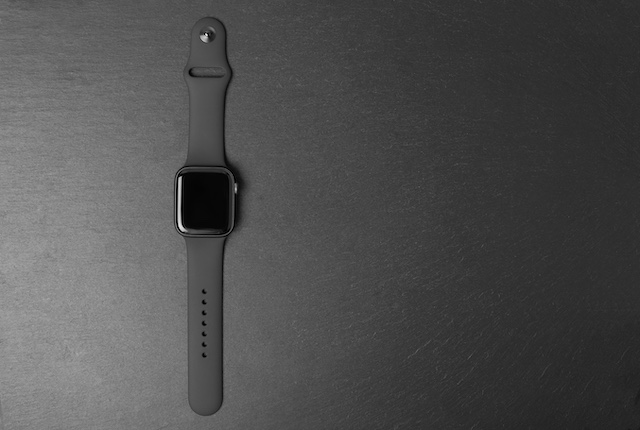
Smartwatches and fitness trackers have increasingly incorporated electrocardiogram functionality, allowing users to record heart rhythm data from their wrists. Among these devices, the Apple Watch has emerged as one of the most advanced consumer wearables in this space, capable of detecting irregular heart rhythms and, in some models, identifying indicators associated with raised blood pressure.
While these features have received certification from the US Food and Drug Administration for consumer use, the Apple Watch is not formally approved as a medical diagnostic device for clinical settings. Its purpose is to alert individuals to possible irregularities, prompting them to seek professional medical assessment for confirmation and formal diagnosis. In some cases, such alerts have led to early intervention, including reports of potentially life-saving outcomes.
New research now strengthens the case for wearable technology as a supportive diagnostic tool, particularly in detecting atrial fibrillation – a common heart rhythm disorder that can significantly increase the risk of stroke if left untreated.
Study design and participant profile
The research was conducted by investigators at Amsterdam University Medical Center. The team enrolled 437 adults aged over 65 who were considered to be at elevated risk of stroke.
Participants were divided into two groups:
- 219 individuals were provided with an Apple Watch for heart rhythm monitoring
- 218 individuals received standard care without smartwatch monitoring
All participants were assessed for atrial fibrillation, a condition that can be intermittent and frequently asymptomatic, making it challenging to detect through routine clinical encounters alone.
Fourfold increase in diagnoses
Among those using the Apple Watch, 21 individuals were diagnosed with atrial fibrillation and subsequently received medical care. Notably, 57 per cent of those diagnosed in the smartwatch group had no outward symptoms beyond what was indicated on their device.
In contrast, only five individuals in the standard care group were diagnosed with atrial fibrillation. All of these individuals were symptomatic at the time of diagnosis.
Overall, smartwatch monitoring identified four times as many people who were ultimately diagnosed with the condition compared with standard care alone.
These findings suggest that wearable devices may play a significant role in uncovering otherwise silent arrhythmias in older adults at increased stroke risk.
Clinical and economic implications
Atrial fibrillation is a well-established risk factor for stroke. Early detection allows for timely intervention, including anticoagulation therapy where appropriate, which can substantially reduce the likelihood of stroke.
Cardiologist Michael Winter of Amsterdam University Medical Center advocated for the integration of smartwatch technology into clinical pathways. He argued that the financial benefits could outweigh the initial expense of the devices.
He stated that the savings in medical services would “offset the initial cost of the device”.
Winter further explained:
“Using smartwatches with PPG and ECG functions aids doctors in diagnosing individuals unaware of their arrhythmia, thereby expediting the diagnostic process,” said Winter. “Our findings suggest a potential reduction in the risk of stroke, benefiting both patients and the healthcare system by reducing costs.”
By accelerating diagnosis in people who might otherwise remain undiagnosed until a serious event occurs, smartwatch-assisted monitoring may reduce both clinical burden and long-term healthcare expenditure.
Wearables as an adjunct – not a replacement
Despite these promising findings, the Apple Watch remains a supplementary tool rather than a replacement for clinical evaluation. Alerts generated by the device require follow-up assessment by healthcare professionals to confirm diagnosis and determine appropriate management.
However, for older adults at elevated risk of stroke, especially those who may not experience noticeable symptoms, wearable ECG and photoplethysmography technology may provide an additional layer of protection.
As consumer health technology continues to evolve, research such as this indicates that smartwatches could increasingly bridge the gap between everyday life and preventive cardiovascular care, supporting earlier detection of conditions that might otherwise go unnoticed.