NHS Cancer 360 Tool Aims to Reduce Administrative Burden and Speed Up Treatment
Key Takeaways:
- Cancer 360, integrated within the NHS Federated Data Platform (FDP), offers clinicians a comprehensive dashboard to track cancer patient progress, identify delays, and support personalised care plans.
- The tool has already shown success in pilot sites, reducing administrative workload and expediting patient care coordination.
- Cancer 360 is part of a wider NHS digital transformation drive, backed by significant government investment, aiming to improve outcomes and operational efficiency across the healthcare system.
A national rollout to accelerate cancer care
The Department of Health and Social Care (DHSC) has announced the national rollout of a new cancer diagnostic tool, Cancer 360, embedded within the NHS’s Federated Data Platform (FDP). This technology aims to accelerate diagnosis and treatment, reduce delays, and ultimately improve survival rates for people living with cancer across England.
How Cancer 360 works
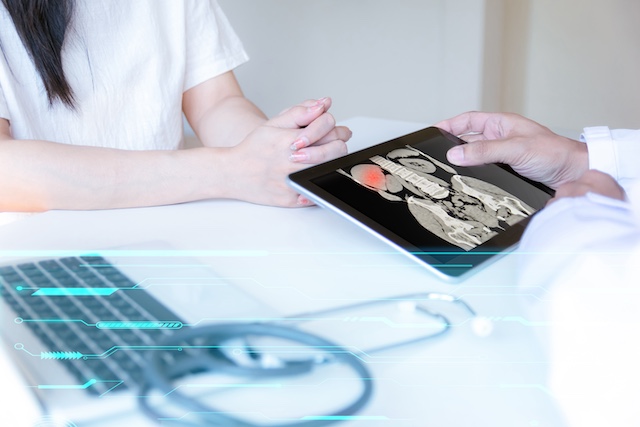
Cancer 360 operates as a centralised dashboard, providing clinicians with a unified view of each patient’s journey. It draws together key information such as diagnostic test results, upcoming appointments, and treatment records. By consolidating data streams, the tool is designed to streamline clinical decision-making and enhance the quality of care provided.
Dr Vin Diwakar, NHS National Clinical Transformation Director, stated:
“Every cancer patient deserves swift, effective care, and our new Cancer 360 solution harnesses data to ensure exactly that. By giving clinicians a comprehensive view of patient pathways, we can identify and address delays immediately. The NHS FDP is already showing its value in transforming cancer care, helping our hard-working staff deliver better outcomes while reducing administrative burden.”
According to the DHSC’s official press release on 4 May 2025, Cancer 360 is expected to benefit millions of people with cancer over the next five to ten years. Its core purpose is to allow care teams to track patient progress efficiently, flag potential delays early, and design personalised treatment strategies tailored to each individual’s needs. Additionally, it promises to cut down on time-consuming paperwork, ensuring that critical clinical warning signs are promptly identified and acted upon.
Early results from pilot sites
Pilot implementations of the tool have already taken place at Chelsea and Westminster Hospital NHS Foundation Trust and Royal United Hospitals Bath NHS Foundation Trust.
Suraiya Abdi, Consultant Obstetrician and Gynaecologist at Chelsea and Westminster Foundation Trust, shared her experience:
“The implementation of Cancer 360 has enabled my team to monitor and safely carry our patients through their cancer pathway. The tool enables us to have in-depth conversations at our weekly meetings regarding a patient’s next step as well as allowing us to escalate queries directly to other teams for faster turnaround. The tool has reduced the amount of admin time spent by our cancer team therefore enabling them to focus on the patient journey.”
Part of a wider digital transformation
This innovation forms part of a wider £1 billion investment in digital transformation projects from the Autumn Budget, which also allocated £121 million specifically for the FDP. The DHSC has reported that hospitals using the FDP have delivered impressive results since April 2024, including performing approximately 70,000 additional procedures and reducing unnecessary hospital stays by nearly 19%.
New services within the Federated Data Platform
The rollout of Cancer 360 is just one component of the broader FDP initiative. In February 2025, NHS England announced the launch of three additional FDP-powered services slated for 2025:
- Patient Led Validation, designed to empower people by enabling them to confirm their own waiting list status, improving both transparency and patient experience.
- Diagnostics Imaging Scheduler, which will streamline diagnostic workflows and optimise appointment scheduling.
- Timely Care Hub, a platform offering a real-time, centralised view of ward and site activities to support better-informed decisions and more coordinated care.
Moreover, Chelsea and Westminster Hospital NHS Foundation Trust is currently conducting user acceptance testing for an Referral to Treatment (RTT) clinical letters validation tool within the FDP, as noted in the April 2025 NHS England FDP bulletin. According to the bulletin, 108 hospital trusts and 41 integrated care boards have now signed up to the FDP, demonstrating broad national commitment to this digital transformation effort.
In line with this, the NHS England 2025/26 Priorities and Operational Planning Guidance, published in January 2025, mandates that all systems must adhere to an ‘FDP first’ policy, ensuring that their digital and data infrastructure is integrated with the FDP.
Laying the groundwork for data-driven care
By embedding Cancer 360 within the NHS’s digital framework, the government and NHS leadership aim not only to improve immediate clinical outcomes but also to lay the groundwork for a more agile, data-driven healthcare system. This initiative underscores a clear commitment to enhancing patient-centred cancer care through modern, technology-enabled solutions.
CCH insight:
Cancer 360 and the wider Federated Data Platform are a clear signal of the direction of travel: healthcare is becoming increasingly data-driven, connected and digital. As platforms, dashboards and data tools become part of everyday clinical life, being equipped to work confidently within this landscape is increasingly imperative for healthcare professionals. CCH’s CPD-accredited digital health short courses are designed to help practitioners build the practical skills and judgement to keep pace, quickly and flexibly around a clinical schedule.
Explore CCH’s Digital Health courses →