New study reveals half of calories in US households come from ultraprocessed foods
A recent study conducted by researchers at the Johns Hopkins Bloomberg School of Public Health has revealed that more than half of the calories consumed at home by adults in the United States originate from ultraprocessed foods. The findings underscore the significant role these products play in shaping dietary habits and health outcomes.
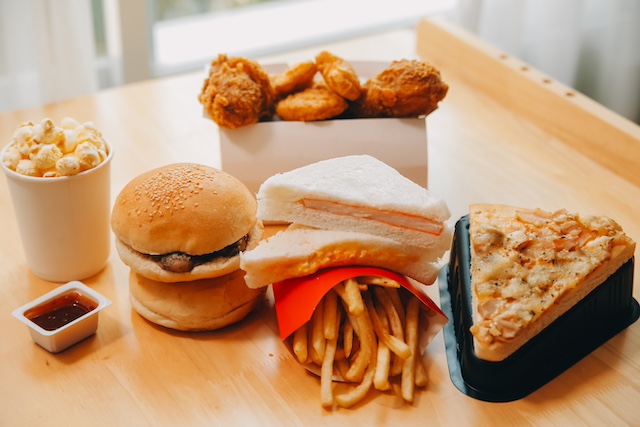
Ultraprocessed foods are characterised by their inclusion of additives with minimal or no nutritional value, such as colourings, emulsifiers, artificial flavourings, and sweeteners. These foods encompass a wide variety of items, ranging from crisps and hot dogs to prepackaged meals. While it has been well understood that ultraprocessed foods constitute a substantial portion of the American diet, the context of where these calories are consumed had remained less clear until now.
The consumption of ultraprocessed foods has been linked to numerous chronic health conditions, including cardiovascular disease, obesity, and colorectal cancer. The new study highlights the pressing need for strategies to encourage the consumption of healthier alternatives, especially for meals prepared at home.
Key Findings and Insights
Published online in the Journal of Nutrition on December 5, the study utilised data from the National Health and Nutrition Examination Survey (NHANES), which involved more than 34,000 adults over 20 years of age between 2003 and 2018. Participants were asked on two separate occasions about the foods they had consumed in the preceding 24 hours and where those foods were eaten—either at home or away from home.
Using the Nova Food Group Classification, a widely respected framework for categorising foods by their level of processing, the researchers grouped foods into four categories: unprocessed or minimally processed, processed culinary ingredients, processed, and ultraprocessed. Examples of ultraprocessed foods included fast foods, prepacked meals, and products with artificial additives, while minimally processed foods comprised fresh fruits, vegetables, and other whole foods.
The results were striking. Over the 15-year study period, ultraprocessed foods consistently made up more than half of all calories consumed at home, rising from 51% in 2003 to 54% in 2018. Interestingly, the study observed only minor differences in these trends across demographic variables such as sex, age, race/ethnicity, income, and education. Notably, ultraprocessed food intake at home was slightly lower among individuals from higher-income households and Hispanic communities, though it still represented nearly half of their at-home calorie consumption.
Additionally, about one-third of all calories came from foods consumed away from home. For individuals with less than a high school education, the proportion of away-from-home calories derived from ultraprocessed foods increased by nearly eight percentage points, reaching 67.1% in 2018. Among those with a high school diploma or higher, this proportion remained steady at approximately 60%.
Over the same period, the proportion of calories derived from minimally processed foods fell significantly, declining from 33.2% in 2003 to 28.5% in 2018. This decrease was observed both at home and away from home, reflecting broader challenges associated with accessing and preparing fresh, minimally processed ingredients like vegetables, meats, and fish. By contrast, ultraprocessed foods are typically more affordable, have longer shelf lives, and require less preparation time.
Expert Perspectives
Dr Julia Wolfson, the study’s lead author and an associate professor in the Bloomberg School’s Department of International Health, commented on the findings, “The perception can be that ‘junk food’ and ultraprocessed foods are equivalent. Yet ultraprocessed foods encompass many more products than just junk food or fast food, including most of the foods in the grocery store. The proliferation and ubiquity of ultraprocessed foods on grocery store shelves is changing what we are eating when we make meals at home.”
Dr Wolfson emphasised the need for actionable measures to help individuals reduce their reliance on ultraprocessed foods, both at home and when dining out, “We need strategies to help people choose less processed foods and avoid unhealthy ultraprocessed foods for foods purchased for both at-home and away-from-home consumption. Additionally, strong nutrition labels warning of high ultraprocessed food content may be warranted.”
Study Limitations
The authors acknowledged certain limitations in their research, including potential reporting bias, as participants may have underreported their consumption of foods they perceived as unhealthy. Additionally, the study did not account for changes in eating habits that may have occurred during the COVID-19 pandemic, which has likely influenced patterns of at-home food consumption.
Call to Action
The findings of this study highlight the growing dominance of ultraprocessed foods in American diets and the challenges of promoting healthier eating habits. Addressing these issues will require comprehensive strategies, including improved labelling, public health campaigns, and increased accessibility to minimally processed food options.