Study Finds Early Virtual Follow-Up Reduces Hospital Readmissions and Enhances Recovery
Key Takeaways:
- A UC San Diego Health telemedicine clinic reduced 30-day hospital readmissions from 20.1% to 14.9% among high-risk patients.
- The clinic provides rapid, virtual follow-up care after discharge, addressing medication access, care understanding, and specialist coordination.
- Findings suggest that virtual post-discharge care can improve health outcomes, cut costs, and enhance care equity.
Virtual care reduces readmissions in high-risk patients
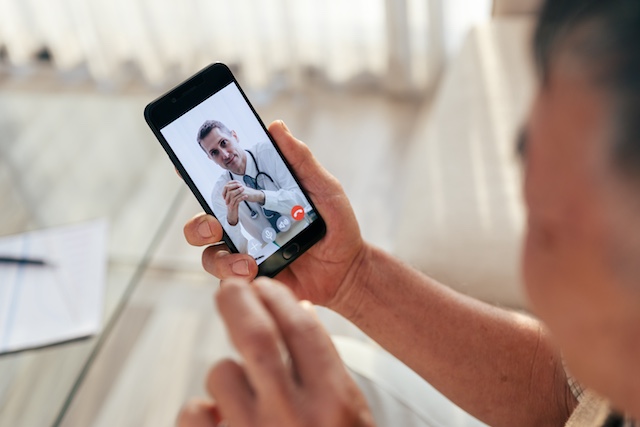
A new study led by researchers at the University of California San Diego (UC San Diego) School of Medicine has found that a virtual transition of care clinic significantly reduces hospital readmissions among high-risk patients.
Published on 23 September 2025 in JMIR Medical Informatics, the study revealed that the 30-day readmission rate for patients seen in UC San Diego Health’s virtual transition of care clinic was 14.9%, compared with 20.1% in a benchmark group that received standard follow-up care.
“With our virtual transition of care clinic, we are providing patients with the right care, at the right place, at the right time,” said Dr Sarah Horman, lead author of the study and Professor of Medicine at UC San Diego School of Medicine. “With the convenience of meeting virtually, we’re able to reach patients much more efficiently.”
Tackling a national challenge
Hospital readmissions represent a major strain on healthcare systems across the United States, with an estimated annual cost of $17 billion. Recognising this challenge, UC San Diego Health clinicians and leadership launched the virtual clinic in 2021 to improve care coordination immediately following discharge.
The initiative supports clinical management and specialist referrals for people leaving hospital, aiming to reduce the likelihood of complications or unplanned readmissions.
How the virtual transition clinic works
The clinic operates with a team of 12 hospitalists, two medical assistants, one pharmacist, and an on-demand interpreter service. When necessary, visits were converted to telephone consultations to accommodate patients facing technical or connectivity barriers.
Each discharge triggers a standardised hand-off to the patient’s primary care provider and relevant specialists, summarising the reason for admission, ongoing care needs, and follow-up recommendations.
If a patient experienced issues post-discharge, the virtual care team expedited communication with the primary care provider to ensure timely in-person review.
Addressing barriers to follow-up care
“When telemedicine first began, there was concern it would further increase health disparities, especially in vulnerable patient groups,” said Dr Horman, who is also a hospitalist and affiliate faculty member at the Joan and Irwin Jacobs Center for Health Innovation at UC San Diego Health. “However, through our research, we have found the opposite as the virtual clinic reaches patients more effectively.”
Many individuals, she noted, struggle to attend in-person follow-up appointments due to transport issues or mobility limitations. “For example, many patients do not have access to transportation for in-person follow-up visits, so they will often skip them altogether, resulting in an increased risk of hospital readmission. For patients who did not have access to video visits, we coordinated telephone calls instead. In total, the no-show rate for these follow-up visits was less than 5%.”
Strengthening the post-hospital care chain
According to Dr Horman, the clinic targets three critical aspects of post-discharge care:
- Ensuring access to and availability of prescribed medications.
- Supporting patient and caregiver understanding of the care plan.
- Facilitating navigation between primary and specialist care.
“Our goal is to hardwire this linkage in the care chain between the hospital team and primary care in order to help expedite support during that very sensitive, post-hospital period of time,” she explained. “As a result, patient outcomes are improving while they recover at home and hospitals have capacity to take care of the next patient in need of critical care.”
Study scope and findings
The study evaluated more than 25,000 patients discharged from UC San Diego Health between 1 September 2021 and 17 September 2024. Of these, 2,314 were seen in the virtual clinic, while 23,129 received standard care.
Typically, patients see their primary care provider two to four weeks after discharge. However, under this programme, individuals at moderate or high risk were seen within one week.
“Our clinic is a one-time, virtual visit with a patient immediately after their hospital stay to ensure we’re doing all we can to mitigate risk,” added Dr Horman.
Data-driven patient targeting with the LACE+ index
The team used the LACE+ index to identify patients at high risk of readmission or complications. LACE stands for Length of stay, Acuity of admission, Comorbidity, and Emergency department visits. The “+” extends the model to include factors such as age, sex, and previous hospitalisations.
“The use of LACE+ underscores the importance of data-driven and patient-centric strategies in enhancing patient outcomes,” said Dr Horman. “By using this tool, we were able to target follow-up care to those most likely to benefit. This approach helped improve care transitions and reduce avoidable hospital visits.”
Future of the programme
UC San Diego Health’s virtual transition of care clinic continues to operate across Hillcrest and Jacobs Medical Centers, with expansion plans to include East Campus Medical Center.
Dr Horman noted that these findings demonstrate how telemedicine can contribute to broader goals of improving population health, enhancing patient experience, reducing healthcare costs, and advancing care equity.
The study’s co-authors include Milla Kviatkovsky, Edward Castillo, Patricia S. Maysent, Chad VanDenBerg, John Bell, and Christopher A. Longhurst, all from UC San Diego Health.