
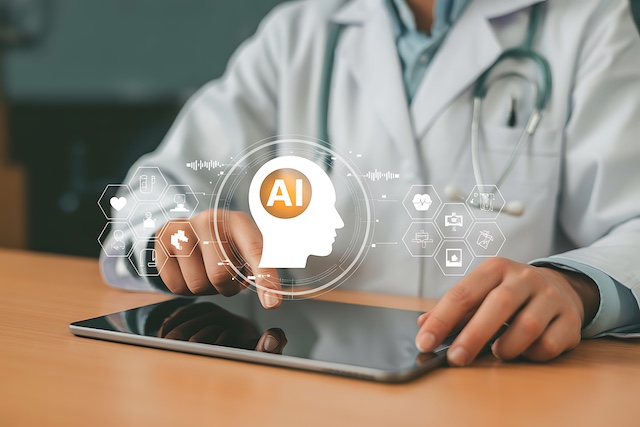
AI Model Helps Clinicians Tell Epilepsy Apart from Functional Seizures Using Routine Clinical Notes
Key Takeaways:
- Researchers developed “EpiScreen”, an AI system built on fine-tuned large language models, which distinguished epilepsy from psychogenic non-epileptic seizures (PNES) using only routine clinical notes, achieving an AUC of up to 0.992 within one institution and 0.980 across institutions.
- When clinicians were given EpiScreen’s predictions and sentence-level explanations, neurology residents’ diagnostic accuracy rose from 76.3%–79.3% to 87.7%–89.0%, and senior attending physicians’ accuracy rose from 81.7% to 89.3%.
- The authors propose EpiScreen as a decision-support tool used after neurology referral and before confirmatory video-electroencephalography (vEEG), though prospective real-world trials are still needed.
An AI approach to a long-standing diagnostic challenge
In a recent study published in the journal npj Digital Medicine, researchers describe the development and validation of “EpiScreen”, a novel artificial intelligence (AI) system designed to distinguish epilepsy from psychogenic non-epileptic seizures (PNES) using clinical notes from routinely documented electronic health records (EHRs).
The retrospective, two-institution study drew on 13,633 patient records. EpiScreen outperformed comparison models, achieving an area under the receiver operating characteristic curve (AUC) of up to 0.992 in within-institution testing and 0.980 in cross-institutional testing. AUC measures a model’s ability to distinguish between the two conditions across different classification thresholds. In a retrospective case-review assessment, EpiScreen also improved clinicians’ classification accuracy.
Why telling the two conditions apart matters
Epilepsy is a chronic neurological disorder characterised by recurring, unprovoked seizures caused by sudden, abnormal electrical discharges in the brain. Approximately 50 million people live with the condition worldwide.
Diagnosis can be complicated by PNES, also termed functional or dissociative seizures. These are paroxysmal events (sudden, temporary seizure-like episodes) that resemble epileptic seizures but are not caused by epileptic electrical activity. Because the two conditions have different underlying mechanisms and management needs, accurate differentiation is critical. Misdiagnosis remains common: prior studies indicate that 20%–30% of people referred to tertiary centres for presumed drug-resistant epilepsy go on to receive a PNES diagnosis.
Prolonged inpatient video-electroencephalography (vEEG), which records synchronised brain waves alongside behavioural data, is the diagnostic gold standard. However, it often costs over US$15,000 per admission in the United States, with reported waiting times of 8 to 12 weeks that vary across healthcare systems. Diagnostic delays can also lead to unnecessary treatment and postpone appropriate care.
Routine clinical notes contain extensive diagnostic signals, but seizure semiology (the symptoms, signs and sequence of a seizure-like event) overlaps considerably across disorders, and earlier narrative-based approaches have shown limited diagnostic performance.
How EpiScreen was developed
EpiScreen was trained and evaluated using 3,451 records from the Beth Israel Deaconess Medical Center’s Medical Information Mart for Intensive Care IV (MIMIC-IV) database and 10,182 records from the University of Minnesota (UMN) Clinical Data Repository. Labels reflected clinicians’ final documented diagnoses, and notes were processed to approximate the information available before diagnosis. People with coexisting epilepsy and PNES were excluded.
The system was built by instruction fine-tuning open-source LLMs, including Qwen-2.5-32B, DeepSeek-R1-32B, Llama-3.3-70B and Med42-70B, using Quantized Low-Rank Adaptation (QLoRA), a method that reduces the memory and training demands of adapting large models. To explain its reasoning, the researchers used sentence-level Integrated Gradients (IG), a technique that highlights the sentences most influential in the model’s decisions across 11 predefined clinical feature categories.
Four medical teams, made up of six neurology residents and two senior attending physicians, then evaluated 300 MIMIC-IV test cases, with each pair reaching decisions by consensus.
Study findings
EpiScreen consistently outperformed conventional supervised baselines, including ClinicalBERT. Its Med42-based variant achieved AUCs of 0.891 on MIMIC-IV and 0.976 on UMN, while the Qwen- and DeepSeek-based variants reached 0.992 on UMN. When tested on records from institutions that had not supplied their training data, the best AUCs reached 0.875 on MIMIC-IV and 0.980 on UMN.
Working alone, EpiScreen achieved 81.0% diagnostic accuracy, compared with 81.7% for unaided senior attending physicians and 76.3%–79.3% for unaided neurology residents. These differences were not statistically significant. With access to the AI’s predictions and sentence attributions, accuracy rose to 87.7%–89.0% across the resident groups and 89.3% for the attending physicians, with the largest improvement around 12.7 percentage points.
AI assistance also reduced false negatives (missed epilepsy cases) for resident Group A from 36 to 14, while the attending pair reduced false positives from 37 to 19.
Not all diagnostic labels were vEEG-confirmed, although sensitivity analyses in confirmed cases supported the findings. Documentation bias remains possible, and other seizure mimics, including syncope and sleep disorders, were not evaluated.
What this means for clinical practice
The authors suggest EpiScreen could be used during or after neurology referral, before confirmatory vEEG, to support earlier assessment and help clinicians prioritise urgent monitoring. They propose it could reduce diagnostic delays, costs and unnecessary exposure to antiseizure medication, though these remain potential benefits rather than measured outcomes.
The study highlights how AI tools that explain their reasoning may be most valuable when working alongside clinical judgement. Clinicians looking to build confidence in evaluating and using AI in practice may find The College of Contemporary Health’s AI Essentials for Primary Care short course a useful starting point.
Future research must prioritise prospective, real-time trials to confirm how EpiScreen performs in real-world settings using minimally curated notes. The tool is intended to support clinical judgement alongside definitive testing, not replace it.
CCH insight
As AI decision-support tools like EpiScreen move closer to everyday practice, healthcare professionals need the knowledge to assess what these systems can and cannot do. Our AI Essentials for Primary Care CPD course helps clinicians understand the role of AI in healthcare and apply it safely and confidently in practice.
Explore AI Essentials for Primary Care →
Source: npj Digital Medicine
Read More
New Virtual Care Programme Aims to Transform Severe Obesity Management in Western Sydney
Key Takeaways:
- Nepean Blue Mountains Local Health District (NBMLHD) is building “Living Well Virtual Care”, a 12–18 month virtual programme offering evidence-based, multidisciplinary care to adults living with severe obesity in Western Sydney.
- The programme is modelled on the internationally recognised Family Metabolic Health Service (FMHS) adult model of care and is designed for people who face barriers attending hospital-based services, including long travel distances, physical disabilities or severe anxiety.
- Funded through NSW Health’s Translational Research Grants Scheme and supported by the Agency for Clinical Innovation, Living Well has been designed to be scalable across NSW, including in regional and rural communities.
A new digital pathway for severe obesity care
Nepean Blue Mountains Local Health District (NBMLHD) is building the “Living Well Virtual Care” programme, a new digitally enabled clinical pathway designed to improve access to evidence-based severe obesity management in Western Sydney.
Living Well will run as a 12–18 month virtual programme. It draws its inspiration from the successful and internationally recognised Nepean Blue Mountains Family Metabolic Health Service (FMHS) adult model of care.
The programme supports adults living with severe obesity through a holistic, evidence-based, multidisciplinary approach. This approach addresses not only a person’s physical and mental health, but also the social factors that influence their long-term wellbeing.
Extending the reach of an established service
A central aim of Living Well is to reach people who may currently be missing out on specialist care.
“Living Well will allow us to extend the reach of the Family Metabolic Health Service to people who are waiting long periods of time to see us, or who may otherwise never engage with us,” explains Dr Kathryn Williams, Clinical Lead of the Family Metabolic Health Service and Principal Investigator of the Living Well program.
The programme is particularly suited to people who face barriers attending hospital-based services. These include people who live long distances from clinics, people with physical disabilities and people who experience severe anxiety.
Responding to growing demand across NSW
Demand for public obesity services continues to grow across NSW. Without timely intervention, a person’s health and quality of life can deteriorate, increasing the risk of chronic disease, disability and future hospitalisations.
Living Well has been developed as an affordable, scalable response to this challenge. By offering earlier, virtual access to coordinated care, the programme aims to support better health optimisation and ease pressure on emergency departments and inpatient services. These are outcomes that the in-person Family Metabolic Health Service model of care is already delivering.
“Severe obesity is a complex, chronic condition and it requires sustained, coordinated care,” continues Kathryn.
“Living Well will put the right support in place earlier, improving health outcomes for patients while also delivering better value for the health system.”
For healthcare professionals, this emphasis on obesity as a complex, chronic condition requiring sustained and coordinated care reflects the kind of evidence-based foundation covered in The College of Contemporary Health’s Obesity Essentials course, which supports clinicians to strengthen their understanding of obesity management in practice.
What the programme offers
The Living Well Virtual Care programme brings together a range of digital and supportive elements, including:
- On-demand educational content
- Live webinars and group interventions
- Practical resources to support participants to engage their GP in medical weight management and the management of obesity-related complications
- Links to trusted external online resources relevant to severe obesity
- Opportunities for peer connection and support
Alongside engaging with the online content, participants receive one-to-one health coaching.
Designed to scale across the state
Living Well has been designed to be scalable across NSW, including in regional and rural communities, and is supported by the Agency for Clinical Innovation.
“This program will demonstrate how digital care can be used as an extension of high-quality clinical services,” says Kathryn.
“For many patients it will mean timely access to care, greater confidence in managing their health, and a more positive experience as they journey through the health system.”
Funding and research significance
The Living Well Virtual Care Program is funded through NSW Health’s Translational Research Grants Scheme. It is one of three NBMLHD high-impact research projects with the potential to be translated into policy and practice and to build research capability within NSW Health.
CCH insight
As services like Living Well show, effective care for people living with severe obesity depends on clinicians who understand obesity as a complex, chronic condition and can support people through sustained, coordinated care. The College of Contemporary Health’s Obesity Essentials course is designed to help healthcare professionals build confidence in evidence-based obesity management.
Source: Nepean Blue Mountains Local Health District
Read More
Telemedicine in Nursing Homes Did Not Cut Hospital Admissions, German Trial Finds
Key Takeaways:
- A large cluster-randomised trial across 24 nursing homes in western Germany found no statistically significant reduction in hospital admissions or total days spent in care following an intersectoral, telemedicine-based intervention.
- Researchers tested 1,260 separate model specifications; around two-thirds pointed to a numerical trend towards fewer admissions, but none reached statistical significance (P < .05).
- The authors attribute the null result partly to external shocks, staffing pressures, limited GP engagement and short adaptation windows, and recommend narrower outcome measures and simpler, automated technology in future.
What the study set out to test
A prospective, multicentre cluster-randomised trial has concluded that introducing an intersectoral, telemedicine-based model of care into nursing homes did not produce a statistically significant reduction in hospital admissions among residents.
The research was led by John Grosser, Sophie Pauge, Birthe Aufenberg and Prof. Dr. Wolfgang Greiner of the Department of Health Economics and Health Care Management at Bielefeld University. They worked alongside Miriam Hertwig, Dr. med. Jenny Unterkofler, Dr. med. Christian Hübel and Prof. Dr. med. Jörg Christian Brokmann from the Department for Acute and Emergency Medicine at University Hospital RWTH Aachen, in collaboration with Dr. med. David Brücken of Rhine-Meuse Hospital Würselen and the Optimal@NRW Research Group.
The findings, published in JMIR Aging, evaluate the Optimal@NRW project as it was rolled out across 24 nursing homes in western Germany between May 2021 and April 2023.
The problem the intervention was designed to solve
Optimal@NRW was built around two well-documented pressures in long-term care: non-emergency hospital admissions that could plausibly have been managed in place, and persistent resource shortages across the sector. Transfers to hospital are disruptive for people living in nursing homes, costly for the wider system, and in a meaningful proportion of cases potentially avoidable if clinical assessment and decision support can be brought to the resident rather than the resident to the hospital.
Inside the model of care
The intervention combined four components intended to work as a single, joined-up pathway:
- A 24/7 telemedical consultation centre, giving nursing staff round-the-clock access to remote clinical input.
- Mobile non-physician medical assistants, able to attend the home and carry out assessments in person.
- A virtual emergency hub, coordinating escalation decisions across settings.
- A software-based early warning system for vital signs, designed to flag deterioration before it became acute.
Crucially, the model was intersectoral by design: it was meant to link the nursing home, emergency medicine and primary care rather than sit within any one of them.
A deliberately exhaustive statistical approach
Rather than relying on a single headline model, the research team used specification curve analysis to test how robust any effect was to analytical choices. They evaluated 1,260 distinct mixed-effects regression model specifications, drawing on both primary data collected during the trial and statutory health insurance claims data, with hospitalisation rates and total days spent in care as the outcomes of interest.
The result was consistent across that curve. Roughly two-thirds of the model variations indicated a numerical trend towards reduced hospital admissions, but not one of the 1,260 specifications demonstrated a statistically significant intervention effect at the conventional threshold (P < .05). In other words, the direction of travel was mildly encouraging, but the evidence did not support a claim that the intervention worked.
Why the intervention may not have delivered
The authors are candid that several practical and contextual factors are likely to have compromised the intervention’s chances of success.
External disruptions. The trial period coincided with severe regional flooding in western Germany and with ongoing COVID-19 pandemic restrictions. Both disrupted day-to-day operations in participating facilities and, importantly, distorted baseline hospitalisation rates against which any effect would have been measured.
Staff workload and usability. The model asked a great deal of nursing teams already contending with severe labour shortages. Complex, multi-component tasks – daily manual recording of vital signs among them – added meaningful operational stress rather than relieving it. A digital system that increases the documentation burden on staff is, in practice, competing with the very work it is meant to support.
Physician integration. Engaging general practitioners directly within the telemedical framework proved difficult. Because GP involvement was central to the intersectoral logic of the intervention, that gap limited how far the programme could genuinely connect primary care with the nursing home and the emergency pathway.
Short adaptation windows. Intervention phases ran for between 6 and 15 months per group. The authors suggest this may simply have been too short for staff to embed unfamiliar digital workflows into routine practice, particularly given the competing pressures above.
What the researchers recommend next
The team’s conclusions are constructive rather than dismissive of telemedicine in long-term care. They recommend that future digital health interventions in this setting should:
- Target specific, avoidable admission metrics rather than overall hospitalisations, which are influenced by too many factors outside the intervention’s reach to serve as a sensitive outcome measure.
- Allow extended implementation phases, giving teams realistic time to adapt to new digital workflows.
- Favour simplified, automated solutions such as wearable monitoring devices, reducing the manual data entry burden on nursing staff.
- Pursue deeper structural integration with general practitioners, so that primary care is built into the pathway rather than invited to join it.
What this means for practice
The wider lesson here is one that recurs across digital health evaluation: the technology itself is rarely the binding constraint. Implementation conditions – staffing capacity, workflow design, clinical buy-in and the length of time teams are given to adapt – tend to determine whether a well-conceived tool produces measurable benefit. Practitioners who are asked to assess, adopt or lead on digital tools increasingly need a framework for judging fit and feasibility, not just functionality, which is the ground covered by CPD-accredited training such as CCH’s AI Essentials for Primary Care: Tools, Ethics and Everyday Applications.
For services considering remote monitoring or telemedical support in care homes, the Optimal@NRW findings are a useful corrective. They suggest that ambition should be matched by realism about what frontline teams can absorb, and that outcome measures should be chosen precisely enough to detect an effect if one exists.
CCH insight
Digital tools are arriving in primary and community care faster than most teams can evaluate them. AI Essentials for Primary Care: Tools, Ethics and Everyday Applications is a CPD-accredited short course covering how to appraise digital and AI-enabled tools, work within governance requirements and get reliable results in everyday practice. It carries 3.5 CPD points and counts towards appraisal and revalidation.
Explore AI Essentials for Primary Care →
Source: JMIR Aging
Read More
Telehealth Strengthens Diabetes Self-Care but Delivers Only Modest Glycaemic Gains
Key Takeaways:
- Comprehensive telehealth produced modest, non-significant improvements in glycaemic control compared with self-monitoring alone.
- Diabetes self-care was the only outcome to improve significantly, pointing to better self-management rather than better clinical numbers.
- Uptake was low, with relatively few participants completing the intended number of telehealth encounters.
Why self-management sits at the centre of type 2 diabetes care
People living with type 2 diabetes carry much of the day-to-day work of managing their condition. Self-monitoring, medication adherence, lifestyle modification and psychosocial coping all fall largely to the individual, supported at intervals by their clinical team. Comprehensive telehealth has been proposed as a way of closing the gaps between those intervals – enabling more regular contact with health care providers, structured review of patient-generated data, and input from a multidisciplinary team without requiring people to attend in person.
What has remained uncertain is whether that model works in a fee-for-service setting, where reimbursement structures and service design differ markedly from the integrated systems in which much telehealth research has been conducted. A randomised trial published in Annals of Internal Medicine on 23 June 2026 set out to answer that question.
What the trial set out to test
The study, led by Crowley and colleagues, evaluated both the implementation and the effectiveness of a comprehensive telehealth intervention for people with uncontrolled type 2 diabetes and comorbid hypertension, delivered in a fee-for-service context. Participants were randomised either to the comprehensive telehealth programme or to self-monitoring alone, with the comparison designed to isolate the added value of regular provider contact and multidisciplinary review over and above the data-gathering that people were already doing themselves.
Outcomes spanned both the clinical and the behavioural: glycaemic control, blood pressure, weight, diabetes self-care, disease-related distress and self-efficacy, alongside safety monitoring for serious adverse events.
Uptake proved to be the sticking point
One of the clearest findings was not about physiology at all. Uptake of the intervention was limited, with relatively few participants completing the intended number of telehealth encounters. That matters for interpreting everything that follows: a programme that people do not fully engage with is being tested at less than full strength.
Engagement also appeared to shape the results. Improvements in glycaemic control were more evident among participants with greater engagement, suggesting a dose-response relationship that the trial as a whole was not positioned to demonstrate conclusively.
Modest clinical gains that did not reach significance
Compared with self-monitoring alone, comprehensive telehealth was associated with modest improvements in glycaemic control. Those improvements did not reach statistical significance.
The same pattern held across the other clinical measures. The telehealth group showed trends towards better blood pressure and weight outcomes, as well as towards reduced disease-related distress and improved self-efficacy – but again, these differences were not statistically significant. The direction of travel was consistent and favourable; the magnitude simply was not large enough to distinguish the intervention from the comparator.
Self-care was the one clear winner
The exception was diabetes self-care, which was the only outcome that improved significantly with telehealth. It is a result worth dwelling on. It suggests the intervention may strengthen people’s ability to manage their own condition even where clinical measures remain largely unchanged – a benefit that conventional endpoints are poorly designed to capture, and one that may accrue over a longer horizon than the trial allowed.
Whether that improved self-management eventually translates into better glycaemic, blood pressure or weight outcomes is a question the study cannot answer. What it does indicate is that the mechanism telehealth is meant to activate – supported, informed, confident self-management – did in fact activate.
That mechanism depends heavily on the quality of the conversation, not just its frequency. Practitioners looking to strengthen engagement and draw out patients’ own motivation to change are increasingly turning to structured behaviour change training; CCH’s two-hour CPD short course, Behaviour Change Skills: Enhancing Motivation, covers motivational interviewing techniques for exploring readiness, working with ambivalence and recognising change talk in everyday consultations.
Safety and adverse events
Serious adverse events were uncommon and occurred at similar rates in both groups, supporting the safety of the intervention. For a delivery model that reduces face-to-face contact, that reassurance carries weight.
Where the findings stop short
The authors are candid about generalisability. The study population was predominantly low-income with lower educational attainment, and baseline glycaemic control was relatively favourable – leaving less room for improvement than a more poorly controlled cohort would have offered. Digital literacy was not assessed at all, despite being an obvious determinant of who can engage with a telehealth programme and who cannot.
Each of these factors constrains how far the results can be extrapolated to other populations or other service settings.
What this means for practice
The overall picture is one of a promising model that did not, in this setting, demonstrate a clear clinical advantage over self-monitoring alone. Comprehensive telehealth appears capable of enhancing self-management and patient engagement. It did not, here, translate that into measurable clinical benefit.
Further research is needed to establish whether greater uptake of the intervention, or a different patient population, would yield larger benefits. In the meantime, the trial offers a practical reminder for anyone commissioning or delivering remote diabetes care: the technology is only as effective as the engagement it manages to sustain.
CCH insight
This trial found that telehealth improved self-care significantly while clinical measures barely moved – and that engagement was the limiting factor throughout. Motivational interviewing offers an evidence-based way to shift that dynamic, helping people find their own reasons to change rather than pushing against resistance.
Behaviour Change Skills: Enhancing Motivation is a two-hour online CPD course from the College of Contemporary Health, developed with behaviour change specialists at BCT and led by registered dietitians Dympna Pearson and Sam Howard. It carries 2 CPD hours and a Certificate of Completion, and costs £59.
Read More
Half a Million NHS Staff to Receive AI Tools to Free Up More Time for Patients
Key Takeaways:
- NHS England is rolling out Microsoft 365 Copilot to 505,000 clinicians and support staff, with the full rollout expected to be complete by October 2026.
- The world’s largest healthcare AI trial of its kind found that the tool could save staff an average of 43 minutes a day – the equivalent of around five weeks a year, or roughly two days of administrative time every month.
- Copilot is expected to support a wide range of roles, including clinical administration, ward clerks, medical secretaries, core services such as HR and finance, and management.
A major step forward in NHS AI adoption
More than half a million NHS staff are being given access to new artificial intelligence (AI) tools that could free up an average of two days every month from administrative duties, creating more time for the work that matters most to patients and staff.
NHS England announced today that it is significantly accelerating the adoption of AI across healthcare services by providing 505,000 clinicians and support staff with access to Microsoft 365 Copilot.
The AI personal assistant is designed to help clinicians draft documents and analyse data more efficiently, so they can devote more of their time to caring for patients.
What the world’s largest healthcare AI trial found
The agreement follows the largest AI trial of its kind anywhere in the world in healthcare, which gave more than 30,000 NHS workers across 90 NHS organisations access to Microsoft 365 Copilot.
The trial found that AI-powered administrative support could save an average of 43 minutes per staff member each day, or more – the equivalent of five weeks of time per person every year.
Results from the trial indicated that a full rollout of Microsoft 365 Copilot could save millions of hours of staff time per month.
NHS England and government leaders welcome the rollout
Rob Thompson, Chief Digital, Data and Technology Officer at NHS England, said: “The NHS wants to embrace cutting-edge technology and this Microsoft partnership will mean staff can be freed from admin so they can focus more of their time on what matters most – improving care for patients.
“Innovations like this will help drive NHS productivity so patients can get the treatment they need sooner and there is better value for taxpayers.
“The potential to save NHS staff around 2 days of admin time every month could be a gamechanger for patients.
“As part of our 10 Year Health Plan, we’re making sure every pound is spent on cutting waiting times and boosting care”.
Health Innovation and Safety Minister Preet Kaur Gill said: “Technology should support our NHS staff, not slow them down.
“Every day, doctors, nurses and other healthcare professionals spend valuable time on administrative tasks that take them away from patients. By rolling out Microsoft Copilot across the NHS, we can reduce that burden, free up clinicians’ time and help staff focus on what they do best caring for patients.
“This government is putting innovation to work for patients: helping staff work more efficiently, improving productivity and supporting a modern NHS that delivers better care, faster access to treatment and better value for taxpayers”.
Darren Hardman, CEO, Microsoft UK and Ireland, said: “By rolling out Microsoft 365 Copilot at scale, NHS teams can cut through everyday admin and spend more time where it matters most.
“Bringing AI safely into the flow of healthcare will help ease pressures, improve productivity and support better decision-making across the health service.
“We’re proud to work with NHS England to help tackle some of its biggest challenges and accelerate digital transformation for the benefit of staff and patients alike”.
How Copilot will be used across the health service
Copilot is designed to help users create, analyse and complete work more quickly. NHS England anticipates that it will be harnessed in a variety of ways across all aspects of the healthcare service, including:
- Clinical administration: supporting clinicians in drafting letters and in registrar training.
- Ward clerks: assisting with patient discharge processes, service data analysis, rota building and bed management.
- Medical secretaries: helping to draft patient letters and meeting minutes, and creating templates to maintain consistency.
- Core services: supporting human resources, finance and procurement functions.
- Management: assisting with drafting board papers, briefings and organisational analysis.
Licensing and timeline for the rollout
Each NHS trust will receive a central allocation of licences based on its organisational headcount, typically starting at around 2,000 Microsoft 365 Copilot licences.
The rollout to more than 500,000 staff across the NHS is expected to be complete by October 2026.
Source: NHS England
Read More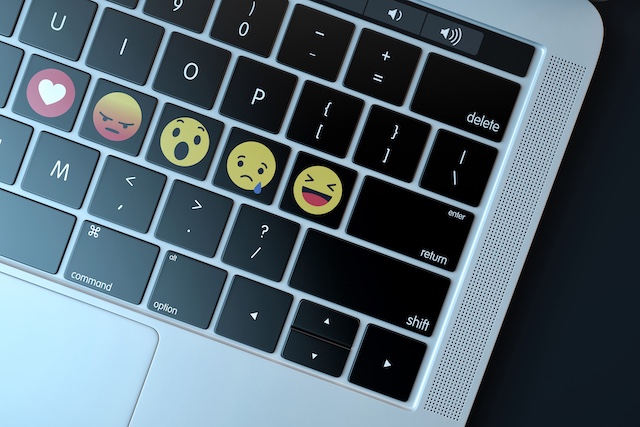
Growing Use of Emojis in Electronic Health Records Raises Safety Questions
Key Takeaways:
- Emoji use in electronic health records has increased steadily between 2020 and 2025, appearing in thousands of clinical notes.
- While emojis may offer a quicker, more expressive way to communicate, they introduce risks of misinterpretation across clinicians and patients.
- Experts suggest that clearer governance and guidance may be needed to ensure safe and consistent use in clinical documentation.
Study reveals growing presence of emojis in clinical records
A recent study from Michigan Medicine, published on 14 January, examined 218.1 million clinical notes from the electronic health records of 1.6 million people receiving care. The findings revealed a notable rise in emoji usage by both healthcare professionals and patients between January 2020 and September 2025.
Across all records analysed, researchers identified 372 unique emojis appearing in 4,162 notes. While this represents a small proportion of total documentation, the upward trend signals a shift in how digital communication is entering clinical environments.
David Hanauer, clinical associate professor of paediatrics and learning health science at Michigan Medicine, explained that the study was initially driven by simple curiosity.
“It was mostly out of interest, just trying to explore if anything was there at all,” Hanauer said. “Our understanding had been that emojis and other symbols are actually not supposed to be used in a medical record, so we were wondering: Were there any there at all, and how often were they being used, and which ones?”
Concerns around clarity and misinterpretation
Despite their increasing use, emojis raise important concerns about clarity in clinical communication. Hanauer highlighted that the ambiguity of many emojis could lead to misunderstanding.
“Most of the concerns that people have is that it’s hard to understand from an emoji what is being conveyed,” Hanauer said. “Maybe a smiley face is pretty obvious to most people, but there’s a lot of different faces with nuances and other symbols. I think there can be a lot of miscommunication, misinterpretation.”
The issue becomes more complex when considering variation in interpretation across different groups of people receiving care and healthcare professionals.
Kim Ford, a health information business systems analyst lead at Michigan Medicine, emphasised how generational differences may influence understanding.
“If you have older patients who may not be familiar with emojis, it’s almost like a foreign language to them,” Ford said. “(For) our younger generation – or those people that have grown up with technology – it’s a second language for them that they understand very well. That’s my biggest concern.”
Accessibility challenges for some people receiving care
Beyond interpretation, accessibility presents another potential barrier. Hanauer noted that small visual symbols may be difficult for some individuals to distinguish clearly, particularly those with visual impairments.
“For older people, having small emojis might actually be hard for them to see and make out, so they might see its face but they can’t tell what the specific expression is,” Hanauer said. “I think we found over 300 different kinds of emojis being used. That’s a lot of different symbols that people would have to understand what they mean.”
This highlights a broader concern that even seemingly simple visual cues may not be universally interpretable or accessible.
Potential implications for patient care
A key concern raised by the study is whether emoji misinterpretation could affect clinical outcomes. While there is currently no direct evidence linking emoji use to adverse outcomes, the possibility remains.
“We hope that doesn’t happen, but I think because of that concern, there’s probably going to be a little bit more oversight,” Hanauer said. “I don’t think we would easily be able to find a circumstance in which there was actually some sort of better or negative outcome from an emoji being misinterpreted.”
The absence of clear evidence does not eliminate the risk, particularly in high-stakes environments where precise communication is essential.
Balancing efficiency with professionalism
Some healthcare professionals recognise potential benefits in using emojis, particularly in reducing communication burden within electronic systems. However, concerns remain about maintaining professionalism and objectivity.
Leah Beel, a medical assistant at American Family Care in Ann Arbor, expressed reservations about their place in formal documentation.
“From my experience, EHRs are used to get quick information and try to communicate with each other in a fast and reliable way,” Beel said. “The only thing I would use is an exclamation point, which, even then, is kind of out there. It’s a good thing that emojis can show enthusiasm or certain reactions, but I also think to a degree – it’s not unprofessional but just someone might take it the wrong way. My perspective on EHR is that you write very objectively.”
In contrast, Elizabeth Rossmann Beel, a paediatric anaesthesiologist at Texas Children’s Hospital, noted that emojis may offer a more efficient way to communicate in certain contexts.
“It’s a way to react to something without putting as much effort into it, or into making that person who’s reading it feel like they need to reply,” Rossmann Beel said. “I think it can cut down a little bit on the burden of replying to and responding to messages in the EHR, which is nice. However, it’s definitely more casual, and so sometimes that’s not the best tone to be setting in a medical record.”
The case for governance and standardisation
Given the growing use of emojis, there is increasing interest in whether formal guidance or regulation should be introduced.
Ford suggested that healthcare organisations may need to consider structured governance around emoji use.
“Maybe emojis are an acceptable means of communication,” Ford said. “The other piece is, should there be a governance process around what emojis can be used? And in what situations? I need to think a little bit about what their structure might look like – what department should be involved in reviewing and approving those, what should be the process to submit an emoji for consideration for use? There’s a lot of pieces to the governance process that need to be figured out there.”
A shift in digital communication within healthcare
The findings from this study reflect a broader evolution in digital communication, where informal elements are beginning to intersect with traditionally formal systems such as electronic health records.
While emojis may offer efficiency and emotional nuance, their integration into clinical documentation raises important questions about clarity, accessibility, professionalism, and patient safety. As their use continues to grow, healthcare systems may need to balance flexibility with standardisation to ensure communication remains precise, inclusive, and clinically appropriate.
Read More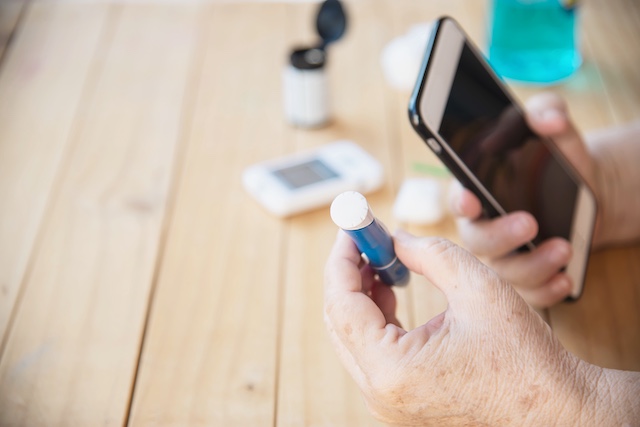
Algorithm-Guided Insulin Dosing Improves Blood Sugar Control in Type 2 Diabetes
Key Takeaways:
- An algorithm paired with continuous glucose monitoring significantly increased time in target glucose range compared with standard self-monitoring approaches
- The tool provides personalised weekly insulin dose recommendations based on recent glucose data, helping to simplify titration
- Early findings suggest strong patient acceptability and potential to enhance diabetes management at scale, though larger trials are needed
A data-driven approach to insulin adjustment
A novel algorithm developed by researchers at the University of Virginia Center for Diabetes Technology has demonstrated encouraging results in supporting people living with Type 2 Diabetes to better manage their blood glucose levels.
The system works in combination with a continuous glucose monitor and provides tailored recommendations for insulin dose adjustments. Rather than relying solely on manual interpretation of glucose readings, the algorithm analyses patterns over time and offers structured, data-informed guidance.
In a clinical trial involving 30 participants, individuals were randomly assigned to one of two approaches over a 16-week period:
- Algorithm-guided insulin adjustment using continuous glucose monitoring data
- Traditional self-monitoring of blood glucose with independent dose adjustment
The results showed a marked improvement in glycaemic control among those using the algorithm. Participants in this group increased their average time spent within a safe blood glucose range from 54.1% to 75.3%. By contrast, those relying on self-monitoring alone saw a more modest increase from 50.2% to 55.3%.
Moving beyond traditional insulin management
The findings highlight the growing role of digital health tools in diabetes care. According to Marc D. Breton, the study’s lead author:
“These results clearly show that diabetes technology and advanced algorithms can be leveraged to great effects, well beyond the classical paradigm of automated insulin delivery. As continuous glucose monitoring and connected medical devices become ubiquitous, we have the opportunity to provide highly personalized advice and monitoring to people with diabetes and guide their use of insulin and medications. Showing the impact of these technologies in early insulin therapy (only one dose a day) opens the door to helping the vast majority of people using insulin, well beyond what we were able to achieve with automated insulin delivery.”
This perspective reflects a broader shift towards personalised, technology-enabled care. Rather than fully automated systems alone, there is increasing interest in decision-support tools that augment clinical judgement and patient self-management.
Addressing the challenges of insulin titration
For many people living with type 2 diabetes, treatment often begins with oral or non-insulin therapies. However, as the condition progresses, insulin may become necessary to maintain adequate glycaemic control.
Adjusting insulin doses – a process known as titration – can be complex and burdensome. It typically requires frequent monitoring, interpretation of glucose patterns, and iterative dose changes. Importantly, there is no universally standardised titration protocol, which can create variability in care and outcomes.
To address this, Anas El Fathi developed the algorithm with the aim of streamlining and improving this process. The system evaluates two weeks of continuous glucose monitoring data and generates weekly recommendations for insulin dose adjustments, offering a structured and personalised approach.
Strong acceptance and clinical potential
The study also explored how well the technology was received by participants. According to Ralf Nass:
“From a medical point of view, it was fascinating to see that the algorithm was not only better than the standardized insulin titration recommendations, but also how well the technology was accepted by the participants with type 2 diabetes. This type of technology has the potential to help physicians enable their patients to achieve better glycemic control faster by using a personalized approach.”
This combination of improved outcomes and user acceptability is particularly important, as adherence and engagement remain key challenges in long-term diabetes management.
Future directions – towards more personalised diabetes care
While the results are promising, the researchers emphasise that further validation is required. Larger and longer clinical trials will be needed to confirm the effectiveness of the algorithm across more diverse populations.
Looking ahead, the integration of more advanced data-driven approaches may further enhance personalisation. Breton noted:
“It is only the very beginning of these efforts. With early demonstration behind us, we can focus on robust approaches that will be effective with more varied populations. Integrating recently developed data-driven methodologies, especially digital twins, to further improve our capacity to tailor diabetes managements to individuals is likely to once more revolutionize diabetes care.”
Such developments could represent a significant step forward in precision medicine for people living with diabetes.
Study publication and funding
The findings have been published in the peer-reviewed journal Diabetes Technology & Therapeutics, with the article available as open access.
The research team included El Fathi, Nass, Carol J. Levy, Camilla Levister, Grenye O’Malley, Nirali A. Shah, Shaziah Hassan, Cheryl Quainoo, Chaitanya L.K. Koravi, Taylor N. Nguyen, Giulio Matteo Santini, Emma Emory, Carlene Alix, Dillon K. Flanagan, David Fulkerson, Mary Clancy Oliveri, Christian Laugesen, Jonas K. Lineolov, Peter W. Hansen and Breton.
The clinical trial was supported by a grant from Novo Nordisk.
Read More
AI in Healthcare: Promise, Pitfalls, and the Risk of Misguided Medical Advice
Key Takeaways:
- People using AI for health advice often struggle to interpret and communicate symptoms effectively, leading to incorrect conclusions in many cases.
- Even when AI identifies a condition correctly, it may fail to recommend appropriate urgency, particularly in time-sensitive or complex scenarios.
- Clinicians see value in AI as a supportive tool, but stress that it should complement, not replace, professional medical care.
AI becomes a common source of health information
As technology companies continue to develop platforms tailored for healthcare consultation, artificial intelligence is becoming an increasingly influential part of how people make decisions about their health. According to OpenAI, more than 40 million people use ChatGPT each day to seek health-related information.
However, emerging research suggests that while these tools offer unprecedented access to medical knowledge, they may also mislead users in certain contexts.
Challenges in how people use AI for medical queries
One of the central issues identified by researchers is not only the capability of AI systems, but how individuals interact with them. Many people lack the knowledge required to communicate symptoms accurately or comprehensively.
A recent study published in Nature Medicine attempted to replicate real-world use of AI chatbots. Participants were given medical scenarios and asked to consult AI tools. The results highlighted notable limitations:
- Participants correctly identified the condition only about one-third of the time.
- Just 43% made the correct decision regarding next steps, such as whether to seek emergency care or remain at home.
“People don’t know what they are supposed to be telling the model,” says Andrew Bean, who studies AI systems at Oxford University and was one of the authors on this study.
Bean explains that effective use of AI often depends on precise wording. “Doctors are trained to ask you questions about symptoms you might not have realised you should have mentioned,” says Bean.
Small differences in input can lead to dangerous outcomes
The study demonstrated how subtle differences in language can significantly alter the advice provided by AI systems.
In one example, two individuals described the same clinical scenario slightly differently. One described experiencing “the worst headache I’ve ever had” and was advised to go to the emergency room immediately. The other, who did not include that specific phrasing, was advised to take aspirin and remain at home.
“Turns out this was actually a life-threatening condition,” says Bean.
This highlights a critical limitation: AI systems rely heavily on the information they are given, and may not prompt for missing but clinically important details in the way a trained clinician would.
When AI gets the diagnosis right but the advice wrong
Even when AI tools successfully identify a medical condition, they may still provide inappropriate guidance regarding urgency or next steps.
In a separate study, researchers evaluated how AI systems responded to a range of medical scenarios. They found that in 52% of emergency cases, the tools “under-triaged” – treating conditions as less serious than they actually were.
In one case, the AI failed to direct a hypothetical patient experiencing diabetic ketoacidosis and impending respiratory failure – both life-threatening conditions – to seek emergency care.
“When there was a textbook medical emergency, ChatGPT got it right,” said Girish Nadkarni, a doctor and AI researcher at Mount Sinai who is an author on the study. However, he noted that performance declined in more complex situations, particularly where timing was critical. In such cases, the system often misjudged how urgently care was required.
An OpenAI spokesperson responded by stating that the study did not reflect typical real-world usage and that it evaluated an older version of ChatGPT, which the company says has since been improved to address some of these concerns.
The role of AI in supporting patient understanding
Despite these concerns, many clinicians believe that AI tools can still play a constructive role in healthcare, particularly in improving patient understanding and engagement.
“I encourage patients to use these tools,” says Robert Wachter, a doctor at UC San Francisco and author of the recently published book, A Giant Leap: How AI Is Transforming Health Care and What That Means for Our Future.
Wachter points out that barriers to accessing healthcare – including cost and availability – mean that AI can sometimes provide a useful alternative source of information. “The advice you get from the tools is substantially better than nothing and better than what you would get from your second cousin,” says Wachter.
However, he emphasises that AI should never be viewed as a substitute for professional medical care.
Enhancing, not replacing, the doctor–patient relationship
Experts suggest that AI is most valuable when used alongside traditional healthcare, rather than in place of it.
Adam Rodman, a hospitalist and researcher at Harvard Medical School, advises against using AI tools to assess emergency situations. Instead, he sees their greatest benefit in preparing for or reflecting on medical consultations.
“A good time to use a large language model is when you’re about to go see a doctor – or after you see your doctor,” says Rodman.
He explains that AI can help people better understand their condition, ask more informed questions, and make more effective use of time during appointments. This can support a more collaborative relationship between patients and clinicians.
“There are no downsides to better understanding your health,” says Rodman.
The future of AI in healthcare
Healthcare professionals broadly agree that AI is now firmly embedded within modern medicine and will continue to evolve alongside clinical practice.
“ My hope is that you might see AI as an extension of a human relationship,” says Rodman. He envisions a future in which both clinicians and patients work with AI to improve communication and navigate healthcare systems more efficiently.
However, he also raises concerns about potential unintended consequences. One particular risk is the possibility that people may receive serious or distressing diagnoses – such as cancer – directly from an AI system, rather than from a clinician.
Research suggests that when healthcare becomes more transactional or resembles a marketplace, trust in clinicians may decline.
”What I hope is that this technology can be used in a way that enhances humanity in medicine,” says Rodman “and not in a way that cuts out the doctor-patient relationship.”
Conclusion
Artificial intelligence is rapidly transforming access to health information, offering both opportunities and risks. While these tools can enhance understanding and support more informed decision-making, their limitations – particularly in how they interpret incomplete or imprecise input – mean they must be used with caution.
Ultimately, AI has the potential to strengthen healthcare delivery, but only if it is integrated in a way that supports, rather than replaces, the human relationships at the heart of medicine.
Read More
‘Shadow AI’ on the Rise in Healthcare as Clinicians Turn to Unauthorised Tools to Improve Workflows
Key Takeaways:
- A survey of healthcare professionals found that 57% have encountered or used unauthorised artificial intelligence tools in their organisations, highlighting the growing presence of so-called “shadow AI” in healthcare settings.
- Many clinicians and administrators report using these tools to improve efficiency, analyse data, and manage administrative tasks, particularly when approved solutions or clear guidance are lacking.
- While most respondents believe AI will significantly improve healthcare within five years, concerns about patient safety, data privacy, and security risks remain widespread.
Unauthorised AI tools emerging in healthcare workplaces
A new survey suggests that artificial intelligence tools are already being used in healthcare organisations in ways that fall outside formal governance structures. According to the findings, a significant proportion of healthcare professionals have either encountered or used AI tools that have not been authorised by their employer.
The survey, conducted by Wolters Kluwer Health, gathered responses from 518 healthcare professionals, including both clinical providers and administrators. The research was carried out in December 2025 and was released publicly last week.
Overall, the findings indicate that four in ten healthcare professionals reported encountering unauthorised AI tools within their organisation, while 17% acknowledged personally using such tools.
When responses were analysed by professional role, 15% of physicians admitted to using an unauthorised AI tool, compared with 19% of administrators. In addition, one in ten respondents reported using an unauthorised AI tool in connection with direct patient care.
The report refers to the unauthorised adoption of artificial intelligence tools in professional environments as “shadow AI.”
Why healthcare staff turn to unauthorised AI
The survey findings suggest that healthcare professionals are often motivated by practical needs rather than deliberate attempts to bypass organisational policies.
According to the report:
“Clinical and administrative teams want to adhere to rules surrounding AI usage, but if the organization hasn’t provided guidance or approved solutions, they’ll experiment with generic tools to improve their workflows.”
Many respondents indicated that the absence of formal guidance or approved AI platforms has encouraged individuals to explore publicly available tools on their own.
The most frequently cited motivation for using unauthorised AI tools was the need to accelerate workflows and improve efficiency. Approximately half of respondents identified faster workflows as the primary reason for using these tools.
However, the survey also revealed differences in how clinical and administrative staff tend to use AI technologies.
Administrators were more likely to employ AI tools for operational or analytical tasks such as:
- Data analysis
- Predictive analytics
- Administrative processes
Healthcare providers, meanwhile, reported using AI for activities such as:
- Data analysis
- Patient scheduling
- Patient engagement tasks
The findings also indicate that clinicians were more likely than administrators to experiment with AI tools out of curiosity.
Governance and policy development remain uneven
The survey results highlight a notable imbalance in how different professional groups participate in the development of AI policies within healthcare organisations.
According to the report, administrators were three times more likely than clinical providers to be actively involved in developing AI governance policies.
Specifically:
- 30% of administrators reported involvement in AI policy development
- Only 9% of providers said they had participated in such efforts
This difference suggests that policy ownership around AI adoption may currently be concentrated within administrative leadership rather than clinical teams.
Administrators also reported greater familiarity with their organisation’s AI policies compared with providers, although awareness varied across both groups.
Security and privacy risks associated with “shadow AI”
The use of unauthorised AI tools raises important concerns about data security, privacy protection, and governance oversight.
The Wolters Kluwer report notes that inconsistent or unsanctioned AI usage can expose organisations to potential vulnerabilities. Without clear oversight, the integration of external AI tools may lead to data privacy violations, security breaches, or inappropriate handling of sensitive information.
To illustrate these risks, the report references a 2025 study by IBM, which found that 97% of organisations that experienced an AI-related security incident lacked adequate AI access controls.
Security incidents involving AI systems can have significant consequences, including financial losses, operational disruption, and damage to public trust.
Healthcare professionals remain optimistic about AI’s future
Despite concerns about governance and security, the survey indicates that most healthcare professionals remain broadly optimistic about the long-term role of artificial intelligence in healthcare.
Nearly 90% of respondents said they believe AI will significantly improve healthcare within the next five years. Administrators were found to be slightly more optimistic than clinical providers about the potential benefits of the technology.
At the same time, respondents recognised that AI implementation carries important risks that must be addressed.
Patient safety was identified by around half of respondents as the most significant risk associated with AI adoption.
Meanwhile, nearly half of respondents also expressed concerns about data privacy risks.
These findings suggest that healthcare professionals recognise both the transformative potential of artificial intelligence and the need for careful governance, clear guidance, and secure systems.
Addressing the rise of “shadow AI”
The report concludes that addressing the growth of shadow AI requires organisations to understand why staff are turning to unauthorised tools rather than focusing solely on restricting access.
According to the report:
“Ultimately, addressing shadow AI is not about restricting access to productivity tools. Leaders must understand why teams are using unsanctioned tools and which challenges they’re trying to solve, and then identify enterprise-level tools that can accomplish these goals safely and securely.”
As artificial intelligence becomes increasingly embedded in healthcare workflows, organisations may need to develop clearer policies, provide approved tools, and involve both clinical and administrative staff in governance decisions.
Such measures may help ensure that the benefits of AI can be realised while protecting patient safety, safeguarding sensitive data, and maintaining organisational trust.
Read More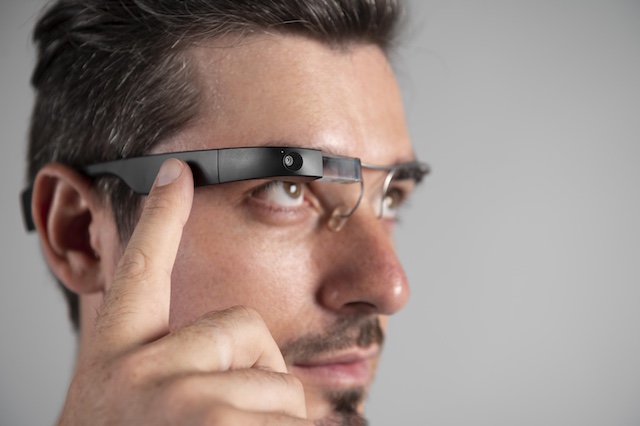
Camera Glasses and Biomarkers Aim to Transform How Diets Are Measured in Real Life
Key Takeaways:
- A UK-wide study is testing camera glasses alongside blood and urine biomarkers to produce more accurate dietary data than self-reported food diaries.
- Researchers say existing methods often fail to capture snacking, portion sizes, and mindless eating, limiting confidence in nutrition research.
- While the technology could improve objectivity, experts caution it may not be suitable for everyone, particularly people vulnerable to food anxiety or disordered eating.
A new approach to measuring what people really eat
A new UK trial is exploring whether wearable camera glasses, combined with biological markers, can provide a more reliable picture of what people eat and drink in their everyday lives. The study is led by the University of Reading and aims to address long-standing challenges in nutrition research, particularly the limitations of self-reported dietary data.
Registered nutritionist Christine Bailey explained that camera glasses build on existing clinical tools, such as food photographs used to support dietary assessment, by capturing intake automatically and in real time. According to the research team, this approach could significantly reduce reliance on memory and self-reporting, which are known to be imperfect.
Professor Julie Lovegrove, who is leading the trial, said: “Humans are not very reliable, especially when asked to remember snacking or portion sizes.”
The study is taking place against a backdrop of rising rates of excess weight in the UK. Analysis from the Health Foundation in 2025 indicated that more than 60 percent of UK adults are now classified as living with overweight or obesity, including around 28 percent living with obesity.
How the SODIAT-2 study works
The study, known as SODIAT-2, will recruit 133 adults from across the UK to take part in a five-week programme conducted entirely from their own homes.
For up to 12 days, participants will wear camera glasses that automatically take photographs of everything they eat and drink. During this period, they will also collect small blood and urine samples using easy-to-use kits that are returned by post for laboratory analysis. In addition, participants will complete short online questionnaires to report what they have eaten over recent days.
All participants will then follow a standardised test diet, consuming identical foods and drinks for three days. By combining wearable imagery, biological data, and self-reported information, the research team aims to identify the most accurate and practical way to study diets in real-world settings.
Why current dietary assessment methods fall short
One of the central problems in nutrition research is obtaining an accurate account of people’s habitual eating patterns. Dr Manfred Beckmann, lead principal investigator from the Department of Life Sciences at the Aberystwyth University, said: “One of the problems facing nutrition researchers is getting a true picture of people’s eating habits.”
Professor Lovegrove noted that current approaches typically rely on food diaries, questionnaires, and 24-hour dietary recalls. She described these tools as “not very reliable or accurate”, largely because they depend on memory and honest reporting.
Christine Bailey added: “Research consistently shows that self-reported food diaries are prone to recall bias, with people often misremembering what they ate, when they ate it, and portion sizes.”
Dr Michelle Weech, research fellow at the University of Reading and trial manager, said: “By automatically photographing everything they eat and drink and measuring substances the body makes from food in their blood and urine – we will have dietary data we can really rely on.”
Potential benefits for nutrition and public health research
Researchers believe that combining camera glasses with biomarkers could mark a step change in how diets are measured. More accurate dietary data would allow scientists to explore links between diet, health, and disease with greater confidence, including conditions such as type 2 diabetes, cardiovascular disease, and some cancers.
Bailey said wearable camera technology may “improve objectivity and offer valuable insight into eating behaviours and patterns” that are not always captured through written food records alone.
Wearable devices and AI-driven analysis like this are part of a much wider digital transformation of healthcare – a shift that professional training such as the College of Contemporary Health’s digital health CPD courses aims to help practitioners keep pace with.
Registered nutritional therapist Gemma Westfold, based in Windsor, highlighted how the technology could also shed light on behavioural aspects of eating. She said: “Humans can eat mindlessly on occasion, whilst scrolling on social media or while watching TV. When we are absorbed in other activities whilst eating, we can risk overeating, but more importantly, we can also switch off our ability to adequately digest and absorb the nutrients.”
Westfold added that using camera glasses for a short period could help identify behavioural patterns and support mindful eating, which she described as “key for all health conditions”.
Ethical considerations and concerns about over-monitoring
Despite the potential benefits, experts emphasise that such tools will not be appropriate for everyone. Bailey cautioned that increased monitoring could be counterproductive for some people: “For a small proportion of individuals, particularly those vulnerable to food anxiety or disordered eating, increased focus on food monitoring or quantity can become counterproductive and heighten preoccupation around eating.”
Westfold also raised concerns about how constant monitoring might affect therapeutic relationships. She said: “My line of work is based on relationships and making someone feel comfortable. Camera glasses could imply that as a nutritionist I do not trust my client, or believe what they are telling me.”
“It could make us feel like a food nanny, policing our clients and damage that relationship because they are under constant surveillance,” she added.
A collaborative UK research effort
The SODIAT-2 project brings together expertise from several UK institutions. Alongside the University of Reading and Aberystwyth University, partners include the University of Cambridge, which is leading blood sample analysis, and Imperial College London, which developed the camera glasses and is using artificial intelligence to analyse the images captured by the wearable devices.
Funded by the UK Medical Research Council and the Biotechnology and Biological Sciences Research Council, the project aims to improve how dietary intake is measured, providing stronger evidence to inform future nutrition guidance and public health policy.
CCH insight
Camera glasses and AI-analysed dietary data are a vivid example of how digital health tools – wearables, connected devices and machine learning – are moving into the heart of research and care. As these technologies become part of everyday practice, being equipped to understand and use them well is increasingly imperative for healthcare professionals. CCH’s CPD-accredited digital health short courses are designed to help practitioners build the practical skills and judgement to keep pace, quickly and flexibly around a clinical schedule.
Explore CCH’s Digital Health courses →

NHS Endorses AI Notetaking to Expand Face-to-Face Patient Care
Key Takeaways:
- NHS-backed AI notetaking tools could enable clinicians to spend up to a quarter more time with patients by reducing administrative burden.
- A new national registry of approved suppliers sets standards for clinical safety, technology assurance and data protection.
- Evidence from more than 17,000 patient encounters shows increased direct patient interaction and shorter appointment times when AI-scribing is used.
NHS support for ambient voice technologies
New artificial intelligence notetaking tools supported by the NHS could allow doctors to spend up to a quarter more time with people receiving care. NHS organisations across England are being encouraged to make use of a newly published national registry of approved suppliers offering this technology.
Often referred to as ambient voice technologies, these tools capture clinician–patient conversations and use AI to generate real-time transcriptions and clinical summaries. The aim is to reduce the time clinicians spend typing notes or navigating screens during consultations, while maintaining high standards of accuracy, privacy and data protection.
By adopting these systems, clinicians could save approximately two to three minutes per patient consultation. At scale, this time saving could be redirected towards additional appointments or more in-depth conversations with people seeking care.
New national registry sets standards for safety and data protection
NHS England has published a new self-certified registry for AI notetaking technologies, listing 19 suppliers that meet national requirements. The registry requires participating suppliers to comply with established standards covering clinical safety, technological performance and data protection.
The launch follows NHS guidance issued last year, which advised NHS organisations to adopt AI notetaking tools only where they are safe, evidence-based and demonstrably beneficial for patients. The registry is intended to give local NHS teams confidence when selecting and implementing these tools.
Clinical leadership highlights potential benefits
Dr Alec Price-Forbes, NHS England National Chief Clinical Information Officer, said:
“The AI revolution is here and we want to arm our NHS staff with the latest technology, which has the potential to transform the quality, safety and experience of care patients receive, as well as improving efficiency.
“AI notetaking tools will help free up more time for clinicians to focus on their patients, rather than typing up notes or looking at a screen – enhancing the quality of consultations and improving overall patient satisfaction.
“We are working with NHS organisations to help them implement the technology safely and effectively – helping to make the NHS the most AI-enabled healthcare system in the world, as we shift from analogue to digital.”
Minister for Digital Government Ian Murray also emphasised the wider public sector impact, stating:
“AI has enormous potential to transform public services, and this is a prime example of how we can use it to make a real difference. By cutting down on admin and paperwork, we’re giving clinicians back valuable time to do what they do best – caring for patients.
“We’re committed to making the UK an exemplar for how technology can be used to improve public services. Supporting the NHS to adopt tools like these safely and effectively is a key part of that mission.”
Evidence from NHS pilots and large-scale evaluation
AI notetaking technology has already been tested across nine NHS sites, where it was shown to free up clinicians to spend nearly a quarter more time with patients. A major NHS England-sponsored study published last year found that AI-scribing technology can significantly reduce clinician workload while supporting improvements in patient care. The findings suggest that national adoption could unlock millions of pounds worth of additional clinical activity.
The study was led by Great Ormond Street Hospital for Children NHS Foundation Trust Innovation Unit, known as GOSH DRIVE. It assessed the impact of an AI-scribing tool that automatically transcribes consultations and drafts summarised clinical notes for clinicians to review and approve.
Measurable improvements across care settings
More than 17,000 patient encounters were evaluated across a wide range of NHS settings, including hospitals, GP practices, mental health services and ambulance teams. The results demonstrated a 23.5 per cent increase in direct patient interaction time during appointments when AI-scribes were used. In addition, overall appointment length fell by 8.2 per cent.
Emergency departments saw particularly notable benefits, with a 13.4 per cent increase in the number of patients seen per shift. Together, these findings indicate that AI notetaking tools have the potential to improve both the experience of people receiving care and the efficiency of clinical services when implemented safely and appropriately.
Read More
AI-Enabled Digital Stethoscope Doubles Detection of Serious Valve Disease in Primary Care Study
Key Takeaways:
- An AI-enabled digital stethoscope more than doubled the sensitivity of detecting audible valvular heart disease compared with standard auscultation in primary care.
- The technology identified twice as many previously undiagnosed cases of moderate-to-severe disease, supporting its potential role as a screening adjunct.
- Higher sensitivity came with lower specificity, raising important considerations around false positives, referral rates, and cost-effectiveness.
Overview of the study
In a recent prospective study published in the European Heart Journal Digital Health, researchers compared the diagnostic accuracy of primary care providers using conventional stethoscopes with that of a relatively novel artificial intelligence-enabled digital stethoscope. The aim was to determine whether AI-supported auscultation could improve current approaches to identifying valvular heart disease in primary care settings.
The findings showed a marked improvement in sensitivity when AI support was used. The AI system demonstrated a sensitivity of 92.3 percent for detecting audible valvular heart disease, compared with 46.2 percent for standard care (P = 0.01). Although the AI tool showed slightly lower specificity, it identified twice as many cases of previously undiagnosed moderate-to-severe disease. This pattern suggests a potential role for AI-enabled auscultation as a screening adjunct rather than a replacement for clinical judgement and assessment.
Background
Valvular heart disease is a serious cardiac condition in which one or more of the heart valves, including the aortic, mitral, tricuspid, or pulmonary valves, fail to open or close properly, disrupting normal blood flow through the heart.
People living with valvular heart disease may experience symptoms such as shortness of breath, fatigue, chest pain, and palpitations. Prevalence increases with age and is estimated to affect more than half of adults aged over 65 to some degree, although moderate-to-severe disease is considerably less common.
Diagnosis remains challenging, in part because more than half of people with clinically significant disease are asymptomatic. Traditionally, detection relies on clinician-performed cardiac auscultation. However, previous research indicates that even experienced general practitioners may have limited sensitivity when screening asymptomatic individuals, contributing to delayed diagnosis and disease progression.
Study design and methods
The study investigated whether deep learning algorithms, combined with digital acoustic recordings, could improve the detection of cardiac abnormalities that may be missed during routine examinations.
This was a prospective, single-arm diagnostic accuracy study conducted across three primary care clinics between June 2021 and May 2023. The study included 357 participants aged 50 years and older who were considered at elevated cardiovascular risk but had no prior diagnosis of valvular heart disease or a known cardiac murmur.
Risk factors included hypertension, a body mass index of 30 or higher, diabetes, hyperlipidaemia, atrial fibrillation, previous myocardial infarction, stroke or transient ischaemic attack, coronary revascularisation, or other established cardiovascular disease.
Each participant underwent two independent screening protocols:
- Standard-of-care screening: Primary care providers performed four-point cardiac auscultation using conventional stethoscopes.
- AI-augmented screening: Study coordinators recorded phonocardiogram data using a digital stethoscope. These recordings were analysed by an AI algorithm that has received clearance from the US Food and Drug Administration to detect heart murmurs.
All participants subsequently underwent echocardiography to confirm the presence or absence of structural heart disease. An independent expert panel reviewed the digital audio recordings to verify whether an audible murmur was present. This panel was blinded to the AI results.
For the purposes of the study, audible valvular heart disease was defined as moderate-to-severe disease confirmed on echocardiography together with an expert-confirmed audible murmur. This definition acknowledged that some people with structurally significant disease may not produce a clearly audible murmur.
Study findings
The AI-augmented system substantially outperformed standard auscultation in detecting audible valvular heart disease. Sensitivity was 92.3 percent with AI support compared with 46.2 percent using standard-of-care screening (P = 0.01).
Among people with confirmed disease, standard examination missed seven of thirteen cases, whereas the AI system missed only one. In terms of previously undiagnosed moderate-to-severe valvular heart disease, the AI tool identified 12 cases, compared with 6 detected by primary care providers.
This improvement in sensitivity was accompanied by reduced specificity. The AI system demonstrated a specificity of 86.9 percent, compared with 95.6 percent for clinicians using conventional auscultation (P < 0.001), resulting in a higher number of false-positive findings.
When echocardiography alone was used as the reference standard for moderate-to-severe disease, regardless of whether a murmur was audible, the AI system continued to outperform standard care. Sensitivity in this analysis was 39.7 percent for the AI system versus 13.8 percent for clinicians (P = 0.01).
Interpretation and conclusions
The findings suggest that integrating AI-enabled digital stethoscopes into primary care could substantially improve the detection of valvular heart disease compared with traditional auscultation alone. Rather than replacing clinical assessment, these tools may provide an additional layer of screening support, helping clinicians identify people who may benefit from earlier referral and further investigation.
However, improved detection does not automatically translate into better clinical outcomes. The study assessed diagnostic accuracy but did not evaluate downstream management, patient experience, or long-term prognosis.
Several authors reported affiliations with the device manufacturer, a factor that should be considered when interpreting the results, despite transparent disclosure of conflicts of interest.
The lower specificity observed with AI-augmented screening may lead to increased referrals for echocardiography and higher healthcare utilisation. This highlights the importance of future research examining cost-effectiveness, workflow impact, and optimal integration into primary care pathways.
Study limitations included a modest sample size, a limited geographic scope, incomplete demographic detail, and the absence of systematic symptom assessment. Despite these constraints, the results indicate that AI-supported auscultation may represent a meaningful advance in point-of-care cardiac screening for people at increased cardiovascular risk.
Read More