
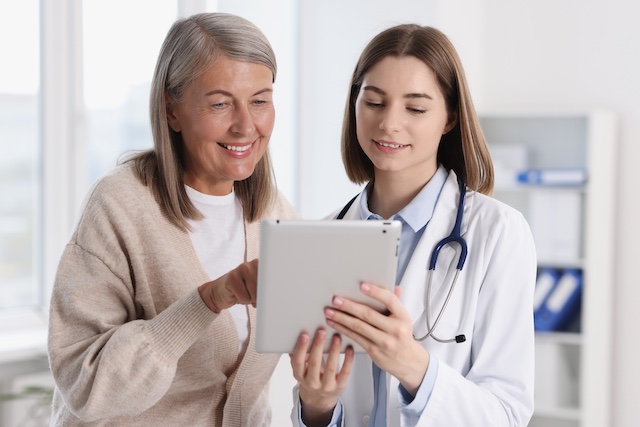
Digital Health Is Redefining Patient Expectations of Care
Key Takeaways:
- Consumers used to personalised digital experiences in banking, retail and entertainment now expect the same convenience and personalisation from healthcare, according to a 2024 Deloitte study.
- Patients are already using digital health services widely: in Spain, 72.48% of survey respondents had used online medical appointments, and older patients and caregivers valued patient portals for their convenience.
- A 2026 OECD report found that patients who have to repeat information that should already be in their health records report worse experiences of trust, quality of care and person-centred care.
The overlooked patient perspective
Professional forums are increasingly focusing on how digital health can contribute to clinical workflows, from automating administrative tasks and analysing imaging studies to segmenting patient groups. However, these discussions often overlook the role of patients themselves, and how digital health is changing their expectations and perceptions of their own healthcare needs.
The growing availability of services that combine effectiveness with patient care and convenience may also be influencing what patients expect from the healthcare system as a whole.
Convenience as a competitive advantage
A 2024 Deloitte study indicated that healthcare systems could gain a competitive advantage by ensuring that their virtual health offerings prioritise convenience and respond to consumer preferences.
According to the report, “today’s consumers, accustomed to highly personalized virtual experiences in banking, retail, and entertainment, now expect the same level of convenience and personalization in their interactions with the healthcare system.”
This shift highlights a key challenge for the healthcare sector: aligning organisational strategies with growing consumer demand for accessible digital health solutions.
For healthcare professionals looking to understand how digital and AI-driven tools are entering everyday practice, The College of Contemporary Health’s AI Essentials for Primary Care short course offers a practical starting point for building confidence in this rapidly evolving area.
Private investment in digital health
Private sector companies are also increasing their investment in digital health.
One example is the recent acquisition of Reimagine Care, a US company that provided virtual care to people with cancer outside the hospital setting, by Cureety, a French healthtech company specialising in the remote monitoring of people with cancer. In 2023, Cureety became the first company in France to receive national reimbursement for the remote monitoring of people with cancer.
Among other features, the company offered a patient interface that supported:
- simple, user-friendly symptom reporting
- secure and ongoing communication with healthcare teams
- reminders
- access to educational content selected and adapted to each person’s treatment and stage of disease
The platform also supported the digitisation and automation of care processes, the monitoring of treatment-specific toxicity, patient classification, the generation of real-world data, and the delivery of specialised educational content to both patients and healthcare professionals at the appropriate point in the care process. Taken together, these functions illustrate how digital health services are evolving.
How patients are using digital health
The question, then, is whether these new approaches to healthcare are changing what patients seek. Several studies have highlighted the value that patients place on online health platforms.
A recent article in the Journal of the American Geriatrics Society examined patient and caregiver expectations regarding the use of patient portals in geriatric care. Users considered patient portals beneficial, particularly because they were convenient and allowed them to avoid in-person care.
In Spain, data from the national survey “Supply and Demand for Users of eHealth Services in Spain”, published in the Journal of Medical Internet Research in 2023, showed that online medical appointments were the most widely used eHealth service. Overall, 72.48% of respondents had used online medical appointments at some point.
The question of trust
While convenience is one consideration, trust is another fundamental issue. Greater access to information that is readily available and easier to understand could strengthen patients’ trust in healthcare professionals and in the healthcare system more broadly.
The 2026 report Building People-Centred Digital Health Systems from the Organisation for Economic Co-operation and Development (OECD) concluded that “When patients have to repeat information that should already be available in their health records, they report significantly worse experience across key patient indicators: trust in the healthcare system, experienced quality of care, and person-centered care.”
However, the report also noted: “Truly patient-centered digital health depends not only on electronic systems but also on patient awareness of access rights, practical tools to retrieve and use data, support for health and digital literacy, and policy frameworks that prioritize patient control over the use of their own health information in line with the OECD Health Data Governance Recommendation.”
Redefining quality care
The debate, therefore, centres on whether healthcare systems need to pursue greater resolution of patients’ needs while also developing a new understanding of what constitutes quality care in a digital age.
This article was translated from El Médico Interactivo on Univadis, part of the Medscape Professional Network.
CCH insight
As patient expectations shift towards convenience, personalisation and seamless access to information, healthcare professionals have a growing role in helping digital tools work well for the people they care for. Our AI Essentials for Primary Care CPD short course helps primary care professionals build a practical understanding of AI and digital innovation in everyday practice.
Explore AI Essentials for Primary Care →
Source: Medscape
Read More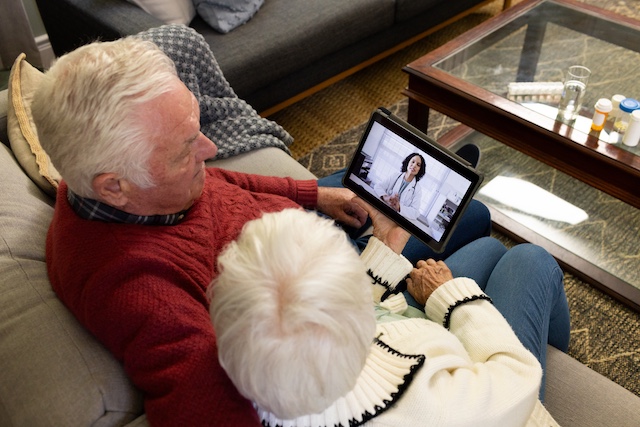
Telemedicine in Nursing Homes Did Not Cut Hospital Admissions, German Trial Finds
Key Takeaways:
- A large cluster-randomised trial across 24 nursing homes in western Germany found no statistically significant reduction in hospital admissions or total days spent in care following an intersectoral, telemedicine-based intervention.
- Researchers tested 1,260 separate model specifications; around two-thirds pointed to a numerical trend towards fewer admissions, but none reached statistical significance (P < .05).
- The authors attribute the null result partly to external shocks, staffing pressures, limited GP engagement and short adaptation windows, and recommend narrower outcome measures and simpler, automated technology in future.
What the study set out to test
A prospective, multicentre cluster-randomised trial has concluded that introducing an intersectoral, telemedicine-based model of care into nursing homes did not produce a statistically significant reduction in hospital admissions among residents.
The research was led by John Grosser, Sophie Pauge, Birthe Aufenberg and Prof. Dr. Wolfgang Greiner of the Department of Health Economics and Health Care Management at Bielefeld University. They worked alongside Miriam Hertwig, Dr. med. Jenny Unterkofler, Dr. med. Christian Hübel and Prof. Dr. med. Jörg Christian Brokmann from the Department for Acute and Emergency Medicine at University Hospital RWTH Aachen, in collaboration with Dr. med. David Brücken of Rhine-Meuse Hospital Würselen and the Optimal@NRW Research Group.
The findings, published in JMIR Aging, evaluate the Optimal@NRW project as it was rolled out across 24 nursing homes in western Germany between May 2021 and April 2023.
The problem the intervention was designed to solve
Optimal@NRW was built around two well-documented pressures in long-term care: non-emergency hospital admissions that could plausibly have been managed in place, and persistent resource shortages across the sector. Transfers to hospital are disruptive for people living in nursing homes, costly for the wider system, and in a meaningful proportion of cases potentially avoidable if clinical assessment and decision support can be brought to the resident rather than the resident to the hospital.
Inside the model of care
The intervention combined four components intended to work as a single, joined-up pathway:
- A 24/7 telemedical consultation centre, giving nursing staff round-the-clock access to remote clinical input.
- Mobile non-physician medical assistants, able to attend the home and carry out assessments in person.
- A virtual emergency hub, coordinating escalation decisions across settings.
- A software-based early warning system for vital signs, designed to flag deterioration before it became acute.
Crucially, the model was intersectoral by design: it was meant to link the nursing home, emergency medicine and primary care rather than sit within any one of them.
A deliberately exhaustive statistical approach
Rather than relying on a single headline model, the research team used specification curve analysis to test how robust any effect was to analytical choices. They evaluated 1,260 distinct mixed-effects regression model specifications, drawing on both primary data collected during the trial and statutory health insurance claims data, with hospitalisation rates and total days spent in care as the outcomes of interest.
The result was consistent across that curve. Roughly two-thirds of the model variations indicated a numerical trend towards reduced hospital admissions, but not one of the 1,260 specifications demonstrated a statistically significant intervention effect at the conventional threshold (P < .05). In other words, the direction of travel was mildly encouraging, but the evidence did not support a claim that the intervention worked.
Why the intervention may not have delivered
The authors are candid that several practical and contextual factors are likely to have compromised the intervention’s chances of success.
External disruptions. The trial period coincided with severe regional flooding in western Germany and with ongoing COVID-19 pandemic restrictions. Both disrupted day-to-day operations in participating facilities and, importantly, distorted baseline hospitalisation rates against which any effect would have been measured.
Staff workload and usability. The model asked a great deal of nursing teams already contending with severe labour shortages. Complex, multi-component tasks – daily manual recording of vital signs among them – added meaningful operational stress rather than relieving it. A digital system that increases the documentation burden on staff is, in practice, competing with the very work it is meant to support.
Physician integration. Engaging general practitioners directly within the telemedical framework proved difficult. Because GP involvement was central to the intersectoral logic of the intervention, that gap limited how far the programme could genuinely connect primary care with the nursing home and the emergency pathway.
Short adaptation windows. Intervention phases ran for between 6 and 15 months per group. The authors suggest this may simply have been too short for staff to embed unfamiliar digital workflows into routine practice, particularly given the competing pressures above.
What the researchers recommend next
The team’s conclusions are constructive rather than dismissive of telemedicine in long-term care. They recommend that future digital health interventions in this setting should:
- Target specific, avoidable admission metrics rather than overall hospitalisations, which are influenced by too many factors outside the intervention’s reach to serve as a sensitive outcome measure.
- Allow extended implementation phases, giving teams realistic time to adapt to new digital workflows.
- Favour simplified, automated solutions such as wearable monitoring devices, reducing the manual data entry burden on nursing staff.
- Pursue deeper structural integration with general practitioners, so that primary care is built into the pathway rather than invited to join it.
What this means for practice
The wider lesson here is one that recurs across digital health evaluation: the technology itself is rarely the binding constraint. Implementation conditions – staffing capacity, workflow design, clinical buy-in and the length of time teams are given to adapt – tend to determine whether a well-conceived tool produces measurable benefit. Practitioners who are asked to assess, adopt or lead on digital tools increasingly need a framework for judging fit and feasibility, not just functionality, which is the ground covered by CPD-accredited training such as CCH’s AI Essentials for Primary Care: Tools, Ethics and Everyday Applications.
For services considering remote monitoring or telemedical support in care homes, the Optimal@NRW findings are a useful corrective. They suggest that ambition should be matched by realism about what frontline teams can absorb, and that outcome measures should be chosen precisely enough to detect an effect if one exists.
CCH insight
Digital tools are arriving in primary and community care faster than most teams can evaluate them. AI Essentials for Primary Care: Tools, Ethics and Everyday Applications is a CPD-accredited short course covering how to appraise digital and AI-enabled tools, work within governance requirements and get reliable results in everyday practice. It carries 3.5 CPD points and counts towards appraisal and revalidation.
Explore AI Essentials for Primary Care →
Source: JMIR Aging
Read More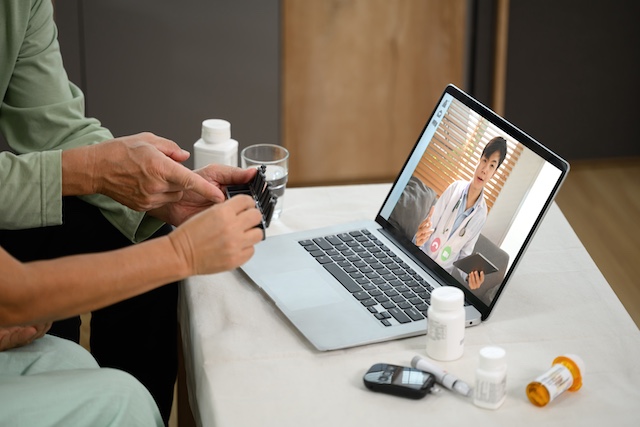
Telehealth Strengthens Diabetes Self-Care but Delivers Only Modest Glycaemic Gains
Key Takeaways:
- Comprehensive telehealth produced modest, non-significant improvements in glycaemic control compared with self-monitoring alone.
- Diabetes self-care was the only outcome to improve significantly, pointing to better self-management rather than better clinical numbers.
- Uptake was low, with relatively few participants completing the intended number of telehealth encounters.
Why self-management sits at the centre of type 2 diabetes care
People living with type 2 diabetes carry much of the day-to-day work of managing their condition. Self-monitoring, medication adherence, lifestyle modification and psychosocial coping all fall largely to the individual, supported at intervals by their clinical team. Comprehensive telehealth has been proposed as a way of closing the gaps between those intervals – enabling more regular contact with health care providers, structured review of patient-generated data, and input from a multidisciplinary team without requiring people to attend in person.
What has remained uncertain is whether that model works in a fee-for-service setting, where reimbursement structures and service design differ markedly from the integrated systems in which much telehealth research has been conducted. A randomised trial published in Annals of Internal Medicine on 23 June 2026 set out to answer that question.
What the trial set out to test
The study, led by Crowley and colleagues, evaluated both the implementation and the effectiveness of a comprehensive telehealth intervention for people with uncontrolled type 2 diabetes and comorbid hypertension, delivered in a fee-for-service context. Participants were randomised either to the comprehensive telehealth programme or to self-monitoring alone, with the comparison designed to isolate the added value of regular provider contact and multidisciplinary review over and above the data-gathering that people were already doing themselves.
Outcomes spanned both the clinical and the behavioural: glycaemic control, blood pressure, weight, diabetes self-care, disease-related distress and self-efficacy, alongside safety monitoring for serious adverse events.
Uptake proved to be the sticking point
One of the clearest findings was not about physiology at all. Uptake of the intervention was limited, with relatively few participants completing the intended number of telehealth encounters. That matters for interpreting everything that follows: a programme that people do not fully engage with is being tested at less than full strength.
Engagement also appeared to shape the results. Improvements in glycaemic control were more evident among participants with greater engagement, suggesting a dose-response relationship that the trial as a whole was not positioned to demonstrate conclusively.
Modest clinical gains that did not reach significance
Compared with self-monitoring alone, comprehensive telehealth was associated with modest improvements in glycaemic control. Those improvements did not reach statistical significance.
The same pattern held across the other clinical measures. The telehealth group showed trends towards better blood pressure and weight outcomes, as well as towards reduced disease-related distress and improved self-efficacy – but again, these differences were not statistically significant. The direction of travel was consistent and favourable; the magnitude simply was not large enough to distinguish the intervention from the comparator.
Self-care was the one clear winner
The exception was diabetes self-care, which was the only outcome that improved significantly with telehealth. It is a result worth dwelling on. It suggests the intervention may strengthen people’s ability to manage their own condition even where clinical measures remain largely unchanged – a benefit that conventional endpoints are poorly designed to capture, and one that may accrue over a longer horizon than the trial allowed.
Whether that improved self-management eventually translates into better glycaemic, blood pressure or weight outcomes is a question the study cannot answer. What it does indicate is that the mechanism telehealth is meant to activate – supported, informed, confident self-management – did in fact activate.
That mechanism depends heavily on the quality of the conversation, not just its frequency. Practitioners looking to strengthen engagement and draw out patients’ own motivation to change are increasingly turning to structured behaviour change training; CCH’s two-hour CPD short course, Behaviour Change Skills: Enhancing Motivation, covers motivational interviewing techniques for exploring readiness, working with ambivalence and recognising change talk in everyday consultations.
Safety and adverse events
Serious adverse events were uncommon and occurred at similar rates in both groups, supporting the safety of the intervention. For a delivery model that reduces face-to-face contact, that reassurance carries weight.
Where the findings stop short
The authors are candid about generalisability. The study population was predominantly low-income with lower educational attainment, and baseline glycaemic control was relatively favourable – leaving less room for improvement than a more poorly controlled cohort would have offered. Digital literacy was not assessed at all, despite being an obvious determinant of who can engage with a telehealth programme and who cannot.
Each of these factors constrains how far the results can be extrapolated to other populations or other service settings.
What this means for practice
The overall picture is one of a promising model that did not, in this setting, demonstrate a clear clinical advantage over self-monitoring alone. Comprehensive telehealth appears capable of enhancing self-management and patient engagement. It did not, here, translate that into measurable clinical benefit.
Further research is needed to establish whether greater uptake of the intervention, or a different patient population, would yield larger benefits. In the meantime, the trial offers a practical reminder for anyone commissioning or delivering remote diabetes care: the technology is only as effective as the engagement it manages to sustain.
CCH insight
This trial found that telehealth improved self-care significantly while clinical measures barely moved – and that engagement was the limiting factor throughout. Motivational interviewing offers an evidence-based way to shift that dynamic, helping people find their own reasons to change rather than pushing against resistance.
Behaviour Change Skills: Enhancing Motivation is a two-hour online CPD course from the College of Contemporary Health, developed with behaviour change specialists at BCT and led by registered dietitians Dympna Pearson and Sam Howard. It carries 2 CPD hours and a Certificate of Completion, and costs £59.
Read More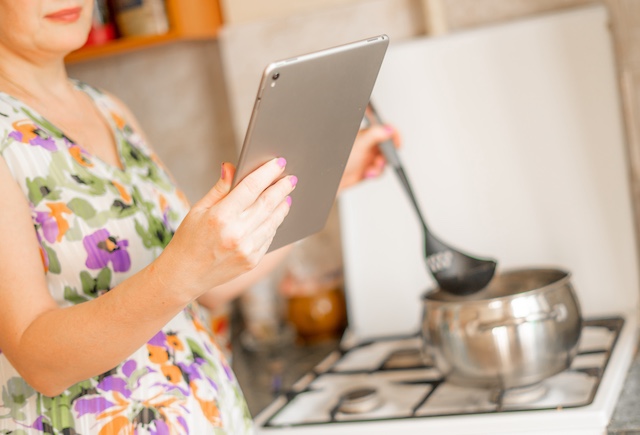
Remote Culinary Coaching Shows Sustained Weight Loss Benefits in Adults with Overweight and Obesity
Key Takeaways:
- A fully remote culinary medicine programme combining cooking and health coaching led to sustained weight loss over 12 months
- Participants experienced significant fat mass reduction without loss of lean body mass
- Improvements in diet quality, calorie intake, and cooking confidence were observed alongside weight changes
Study overview
A recent randomised controlled trial has found that a fully remote culinary medicine intervention can support meaningful and sustained weight loss in people living with overweight and stage I obesity. The programme combined practical cooking education with health coaching, offering a patient-centred approach to improving dietary behaviours and long-term health outcomes.
Conducted across two hospitals between May 2019 and September 2022, the study examined the one-year impact of this combined intervention on weight, body composition, and dietary habits.
Methodology
Participant characteristics
The study included 50 adults with overweight or stage I obesity. Participants had a mean age of 47.5 years, and 70% were female. The average body mass index was 30.7, with a mean total fat mass of 40.37%. All participants reported cooking fewer than five meals at home per week at baseline.
Intervention design
All participants initially received two nutrition education sessions focused on the Mediterranean diet. Following this, they were randomly assigned to one of two groups:
- Intervention group: Participants took part in a structured culinary coaching programme consisting of 12 weekly one-to-one tele-sessions, each lasting 30 minutes. These sessions integrated culinary skills training with health coaching principles and provided access to culinary medicine resources.
- Control group: Participants were given access to the same culinary medicine resources but did not receive coaching sessions
Outcome measures
Researchers assessed a range of clinical and behavioural outcomes at baseline, and again at 3, 6, and 12 months within a hospital clinical research setting:
- Body weight and height were measured by a registered dietitian
- Body composition was analysed using dual-energy X-ray absorptiometry (DEXA)
- Dietary intake was calculated using 4-day food records reviewed by a registered dietitian
- Diet quality was evaluated using a 14-item Mediterranean diet assessment tool
- Culinary attitudes and self-efficacy were measured using a validated questionnaire
The primary outcome was change in body weight at 6 months, with secondary outcomes including dietary intake, body composition, and behavioural measures.
Weight loss outcomes
Participants in the culinary coaching group achieved significantly greater weight loss compared with the control group at all measured time points:
- 3 months: -3.23% vs -0.71% (between-group difference -2.52; P = .016)
- 6 months: -4.2% vs -1.22% (between-group difference -2.98; P = .027)
- 12 months: -4.02% vs a weight gain of 0.28% (between-group difference -4.30; P = .021)
These findings indicate that the intervention not only supported early weight loss but also helped sustain these changes over a full year.
Changes in body composition
At 6 months, participants receiving culinary coaching demonstrated favourable changes in body composition:
- Average fat mass decreased by 1.86% in the intervention group
- In contrast, the control group experienced a slight increase in fat mass of 0.11%
- The between-group difference was 1.96 (P = .039)
Importantly, these reductions in fat mass occurred without any significant changes in lean body mass, suggesting that weight loss was primarily driven by fat reduction rather than muscle loss.
Dietary improvements
The intervention also led to measurable improvements in diet quality and energy intake:
- At 3 months, Mediterranean diet scores increased by 2 points in the intervention group compared with 0.38 points in the control group (net difference 1.62; P = .020)
- At 6 months, daily calorie intake decreased by 452 calories in the intervention group compared with 62.4 calories in the control group (net difference 390 calories; P = .015)
These findings suggest that the programme successfully influenced both food choices and overall energy consumption.
Behavioural and skill-based outcomes
Participants who received culinary coaching reported significant improvements in their confidence and ability to prepare meals:
- Self-efficacy in cooking techniques and meal preparation improved significantly at 12 months in the intervention group compared with the control group (P = .040)
No serious adverse events were reported during the study, indicating that the intervention was safe and well tolerated.
Interpretation and clinical relevance
The study authors highlighted the broader significance of these findings, stating:
“This study is an important step in considering CM [culinary medicine] interventions as an effective patient-centered nutrition strategy for weight loss.”
This suggests that combining practical cooking skills with behavioural coaching may offer a scalable and effective approach to supporting people living with overweight and obesity, particularly in remote or resource-limited settings.
Limitations
The study has several limitations, many of which were influenced by the COVID pandemic:
- High dropout rates after the first visit may have introduced attrition bias
- Some follow-up visits were conducted remotely, requiring participants to self-measure body weight
- Remote assessments limited the ability to collect body composition and other clinical data at certain time points
- Pandemic-related restrictions may have affected participants’ ability to cook at home
These factors should be considered when interpreting the findings.
Funding and disclosures
The study was led by Rani Polak at Harvard Medical School and Spaulding Rehabilitation Hospital in Boston and was published in Obesity.
Funding was provided by the US-Israel Binational Science Foundation and the National Institutes of Health Clinical Center. One author reported receiving royalties from a home cooking book and an honorarium from Wellcoaches.
Read More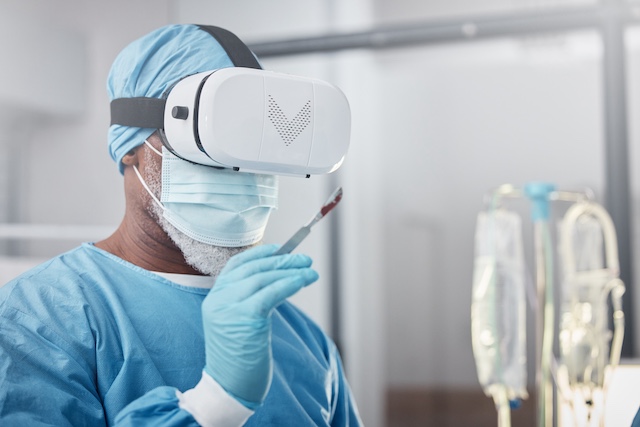
First UK Long-Distance Robotic Surgery Connects London Surgeon with Gibraltar Patient
Key Takeaways:
- A London-based surgeon has performed the UK’s first long-distance robotic cancer surgery on a patient in Gibraltar, marking a major milestone in telesurgery
- The procedure demonstrated minimal delay and high precision, suggesting remote surgery could expand access to specialist care in underserved regions
- Patients living far from specialist centres may benefit from reduced travel, lower costs and improved continuity of care
A landmark moment in remote surgery
A surgeon based in London has carried out what is believed to be the United Kingdom’s first long-distance robotic surgical procedure, operating on a patient located approximately 1,500 miles (2,400 km) away in Gibraltar.
Professor Prokar Dasgupta, a leading robotic urological surgeon, performed a prostate removal on 62-year-old Paul Buxton. Reflecting on the experience, he said it felt “almost as if I was there”, despite the geographical distance between surgeon and patient.
For Buxton, who is living with prostate cancer, the decision to participate in the procedure was straightforward. He described it as a “no-brainer” and an opportunity to become “part of medical history”.
Expanding access to specialist care
The development of long-distance robotic surgery is seen as a potential solution to longstanding challenges in healthcare access, particularly for people living in remote or underserved regions.
Such approaches could reduce the “vast expense and inconvenience” associated with travelling for specialist treatment, while enabling patients to receive care closer to home.
This milestone builds on previous advances involving UK-based surgical teams. Earlier work included a transatlantic robotic stroke procedure conducted over a distance of 4,000 miles on a cadaver – a body donated to science – which demonstrated that long-distance surgery was technically feasible.
A patient’s perspective
Buxton, originally from Burnham-on-Sea in Somerset, has lived in Gibraltar for four decades. As a British Overseas Territory, Gibraltar has limited healthcare infrastructure, with only one hospital – St Bernard’s Hospital at Europort. Patients requiring more complex care often need to travel abroad, commonly to the United Kingdom for NHS treatment if eligible.
Following his prostate cancer diagnosis shortly after Christmas, Buxton initially expected to join an NHS waiting list. However, he chose instead to take part in the remote surgery trial.
“A lot of people actually said to me: ‘You’re not going to do it, are you?’”
“I thought, I’m giving something back here,” he said.
Buxton also highlighted the practical advantages of the approach:
“If I hadn’t gone for the telesurgery in Gibraltar, then I would have had to have flown to London, I would have had to go on the NHS waiting list, get the procedure done and I would have probably been in London for three weeks.
“So I thought: ‘This is a no-brainer’.
“It is pioneering for Gibraltar, because you don’t need to leave Gibraltar.”
Following the operation on 11 February, he reported a positive recovery, stating he was “really well looked after” and “feeling fantastic”.
How the technology works
The procedure was conducted from The London Clinic using a robotic surgical system equipped with a high-definition 3D camera and four robotic arms. These were controlled remotely via a surgical console.
The connection between London and Gibraltar was enabled through fibre-optic cables, supported by a backup 5G link. The system achieved an extremely low latency, with a delay of just 0.06 seconds, allowing for precise and responsive control.
A surgical team in Gibraltar remained on standby throughout the operation to intervene if necessary, although the connection remained stable for the duration of the procedure.
The operation utilised the Toumai Robotic System and was delivered through a collaboration between The London Clinic and the Gibraltar Health Authority.
Looking ahead: scaling telesurgery
Professor Dasgupta emphasised the broader implications of the innovation:
“This gives us the opportunity to treat patients in remote areas and smaller communities by literally being able to take the best surgeon anywhere.”
The procedure forms part of an initial series of test cases. A second operation involving a 52-year-old patient in Gibraltar was carried out on 4 March, with a further procedure scheduled for 14 March.
The upcoming operation will be live-streamed to 20,000 leading urological surgeons attending the European Association of Urology congress, highlighting the global interest in this emerging field.
Reflecting on the future, Dasgupta added:
“I think it is very, very exciting, the humanitarian benefit is going to be significant.”
Alignment with broader surgical trends
This development sits alongside wider efforts to expand the use of robotic-assisted surgery within the NHS. Current ambitions include scaling up to 500,000 robot-supported operations annually by 2035.
While the NHS is prioritising local access to robotic surgery, advances in telesurgery suggest a complementary pathway – one that could extend specialist expertise beyond physical borders and reshape how surgical care is delivered globally.
CCH insight
Telesurgery is one of the most striking examples yet of a much broader shift: the rapid digital transformation of healthcare. From remote care to AI and connected devices, digital health is fast becoming core to practice rather than a niche – and being equipped for this new frontier is increasingly imperative for healthcare professionals. CCH’s CPD-accredited digital health short courses are designed to help practitioners build the practical skills and judgement to keep pace, quickly and flexibly around a clinical schedule.
Explore CCH’s Digital Health courses →
Study Finds Early Virtual Follow-Up Reduces Hospital Readmissions and Enhances Recovery
Key Takeaways:
- A UC San Diego Health telemedicine clinic reduced 30-day hospital readmissions from 20.1% to 14.9% among high-risk patients.
- The clinic provides rapid, virtual follow-up care after discharge, addressing medication access, care understanding, and specialist coordination.
- Findings suggest that virtual post-discharge care can improve health outcomes, cut costs, and enhance care equity.
Virtual care reduces readmissions in high-risk patients
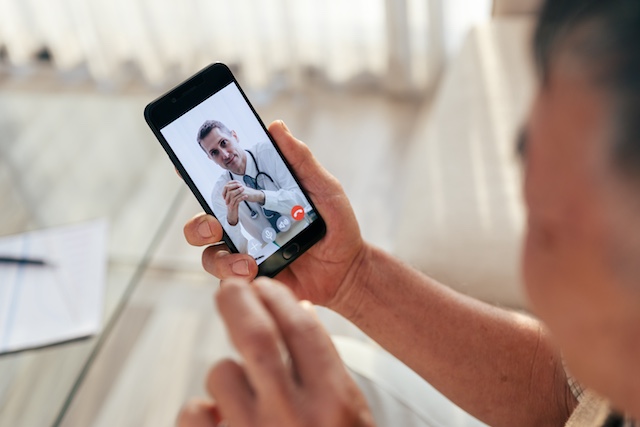
A new study led by researchers at the University of California San Diego (UC San Diego) School of Medicine has found that a virtual transition of care clinic significantly reduces hospital readmissions among high-risk patients.
Published on 23 September 2025 in JMIR Medical Informatics, the study revealed that the 30-day readmission rate for patients seen in UC San Diego Health’s virtual transition of care clinic was 14.9%, compared with 20.1% in a benchmark group that received standard follow-up care.
“With our virtual transition of care clinic, we are providing patients with the right care, at the right place, at the right time,” said Dr Sarah Horman, lead author of the study and Professor of Medicine at UC San Diego School of Medicine. “With the convenience of meeting virtually, we’re able to reach patients much more efficiently.”
Tackling a national challenge
Hospital readmissions represent a major strain on healthcare systems across the United States, with an estimated annual cost of $17 billion. Recognising this challenge, UC San Diego Health clinicians and leadership launched the virtual clinic in 2021 to improve care coordination immediately following discharge.
The initiative supports clinical management and specialist referrals for people leaving hospital, aiming to reduce the likelihood of complications or unplanned readmissions.
How the virtual transition clinic works
The clinic operates with a team of 12 hospitalists, two medical assistants, one pharmacist, and an on-demand interpreter service. When necessary, visits were converted to telephone consultations to accommodate patients facing technical or connectivity barriers.
Each discharge triggers a standardised hand-off to the patient’s primary care provider and relevant specialists, summarising the reason for admission, ongoing care needs, and follow-up recommendations.
If a patient experienced issues post-discharge, the virtual care team expedited communication with the primary care provider to ensure timely in-person review.
Addressing barriers to follow-up care
“When telemedicine first began, there was concern it would further increase health disparities, especially in vulnerable patient groups,” said Dr Horman, who is also a hospitalist and affiliate faculty member at the Joan and Irwin Jacobs Center for Health Innovation at UC San Diego Health. “However, through our research, we have found the opposite as the virtual clinic reaches patients more effectively.”
Many individuals, she noted, struggle to attend in-person follow-up appointments due to transport issues or mobility limitations. “For example, many patients do not have access to transportation for in-person follow-up visits, so they will often skip them altogether, resulting in an increased risk of hospital readmission. For patients who did not have access to video visits, we coordinated telephone calls instead. In total, the no-show rate for these follow-up visits was less than 5%.”
Strengthening the post-hospital care chain
According to Dr Horman, the clinic targets three critical aspects of post-discharge care:
- Ensuring access to and availability of prescribed medications.
- Supporting patient and caregiver understanding of the care plan.
- Facilitating navigation between primary and specialist care.
“Our goal is to hardwire this linkage in the care chain between the hospital team and primary care in order to help expedite support during that very sensitive, post-hospital period of time,” she explained. “As a result, patient outcomes are improving while they recover at home and hospitals have capacity to take care of the next patient in need of critical care.”
Study scope and findings
The study evaluated more than 25,000 patients discharged from UC San Diego Health between 1 September 2021 and 17 September 2024. Of these, 2,314 were seen in the virtual clinic, while 23,129 received standard care.
Typically, patients see their primary care provider two to four weeks after discharge. However, under this programme, individuals at moderate or high risk were seen within one week.
“Our clinic is a one-time, virtual visit with a patient immediately after their hospital stay to ensure we’re doing all we can to mitigate risk,” added Dr Horman.
Data-driven patient targeting with the LACE+ index
The team used the LACE+ index to identify patients at high risk of readmission or complications. LACE stands for Length of stay, Acuity of admission, Comorbidity, and Emergency department visits. The “+” extends the model to include factors such as age, sex, and previous hospitalisations.
“The use of LACE+ underscores the importance of data-driven and patient-centric strategies in enhancing patient outcomes,” said Dr Horman. “By using this tool, we were able to target follow-up care to those most likely to benefit. This approach helped improve care transitions and reduce avoidable hospital visits.”
Future of the programme
UC San Diego Health’s virtual transition of care clinic continues to operate across Hillcrest and Jacobs Medical Centers, with expansion plans to include East Campus Medical Center.
Dr Horman noted that these findings demonstrate how telemedicine can contribute to broader goals of improving population health, enhancing patient experience, reducing healthcare costs, and advancing care equity.
The study’s co-authors include Milla Kviatkovsky, Edward Castillo, Patricia S. Maysent, Chad VanDenBerg, John Bell, and Christopher A. Longhurst, all from UC San Diego Health.
Read More