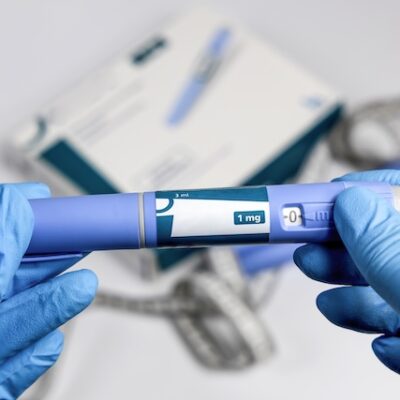
Weight Loss Drugs Linked to Lower Risk of Peptic Ulcer Disease in Adults with Diabetes
Key Takeaways:
- A large US study involving more than 66,000 adults found that people with type 2 diabetes using GLP-1 receptor agonists had significantly lower odds of developing peptic ulcer disease.
- Researchers observed a 44 percent lower likelihood of peptic ulcer disease among GLP-1 users overall, with a 56 percent lower risk seen in people who switched from metformin to a GLP-1 medication instead of insulin.
- The findings add to growing evidence that GLP-1 receptor agonists may have anti-inflammatory and gastrointestinal protective effects beyond blood sugar control and weight management.
Study suggests potential gut benefits of GLP-1 medications
Medications commonly prescribed for type 2 diabetes and obesity management may provide an additional benefit beyond blood sugar control and weight reduction. A large nationwide study led by researchers at Beth Israel Deaconess Medical Center (BIDMC) has found that people with type 2 diabetes who used GLP-1 receptor agonists were significantly less likely to develop peptic ulcer disease compared with those who did not use these medications.
The findings were published in Clinical Gastroenterology and Hepatology and were based on electronic health record data from more than 66,000 adults participating in the National Institutes of Health’s All of Us Research Program. The programme is considered one of the most diverse biomedical research datasets in the United States.
“Peptic ulcer disease remains a significant cause of illness and hospitalization, particularly among people with type 2 diabetes, yet large-scale clinical studies examining how newer diabetes medications affect ulcer risk have been lacking,” said Trisha Pasricha, MD, MPH, a gastroenterologist at BIDMC. “Our study was designed to address that gap and to better understand whether GLP1 receptor agonists are associated with meaningful differences in ulcer risk in this population.”
Understanding peptic ulcer disease in diabetes
Peptic ulcers are painful open sores that develop in the lining of the stomach or upper part of the small intestine. Symptoms can include ongoing abdominal pain, nausea, indigestion, and bloating. In more severe cases, ulcers can lead to complications such as gastrointestinal bleeding or perforation.
Globally, around four million people experience ulcer-related complications each year.
People living with type 2 diabetes are known to have a higher risk of developing peptic ulcer disease. Researchers believe this increased vulnerability may stem from a combination of chronic inflammation, metabolic stress, impaired tissue repair, and greater exposure to medications associated with ulcer formation, particularly nonsteroidal anti-inflammatory drugs (NSAIDs).
Because of this elevated risk, researchers sought to investigate whether GLP-1 receptor agonists, which were first approved for diabetes treatment approximately two decades ago and are now widely used for both diabetes and obesity care, might influence ulcer risk.
GLP-1 use associated with lower ulcer risk
The researchers found that the use of GLP-1 medications was associated with substantially lower odds of being diagnosed with peptic ulcer disease.
Across the full study population, people with type 2 diabetes using GLP-1 receptor agonists had a 44 percent lower likelihood of receiving a peptic ulcer diagnosis compared with people not using these medications. The association remained even after adjusting for factors including age, sex, body mass index, medication use, and other clinical variables.
The investigators also carried out a more focused comparison involving people who had discontinued metformin, which remains the standard first-line therapy for type 2 diabetes. Researchers examined participants who then transitioned either to a GLP-1 medication or to insulin therapy.
In this head-to-head analysis, people who switched to a GLP-1 receptor agonist had a 56 percent lower risk of developing peptic ulcer disease compared with those who switched to insulin.
Researchers point to possible anti-inflammatory effects
Although GLP-1 receptor agonists are not currently prescribed for ulcer prevention, researchers believe the findings may reflect broader biological effects of the medications.
“Although these medications are not prescribed with ulcer prevention in mind, there is growing evidence that GLP1 receptor agonists may have broader biological effects, including anti-inflammatory properties and roles in gastrointestinal mucosal protection,” said senior author Pasricha, who is also an assistant professor of medicine at Harvard Medical School. “Those effects may help explain why we observed different ulcer risks compared with insulin.”
GLP-1 receptor agonists are best known for improving blood glucose control, supporting weight loss, and reducing cardiovascular risk in people with type 2 diabetes and obesity. However, a growing body of research suggests these drugs may also reduce inflammation and support tissue repair within the gastrointestinal tract.
The authors noted that more research is needed to determine whether these effects directly improve the stomach and small intestine’s ability to resist injury, particularly in people with diabetes who may already have impaired protective mechanisms.
Findings strengthened by known risk factors
The investigators also observed that medications already known to increase ulcer risk behaved as expected within the dataset. NSAIDs, corticosteroids, and blood thinners were all associated with increased ulcer risk, supporting the reliability of the study’s methodology.
Taken together, the researchers said the findings strengthen the observed association between GLP-1 receptor agonist use and lower rates of peptic ulcer disease.
Study authors and funding
Co-authors of the study included Philippa Seika, Jocelyn Chang, Su Min Hong, Sarah Ballou, Vikram Rangan, Chethan Ramprasad, Johanna Iturrino, Judy Nee, and Subhash Kulkarni of BIDMC; Christian Denecke of Charité Universitätsmedizin; and Anthony Lembo of Cleveland Clinic.
The study was funded by the American Gastroenterological Research Foundation’s Research Scholar Award, the National Institute on Aging, the Diacomp Foundation, a Pilot Grant from the Harvard Digestive Disease Core, and the Walter Benjamin Fellowship from the Deutsche Forschungsgemeinschaft.
The authors reported no conflicts of interest.