
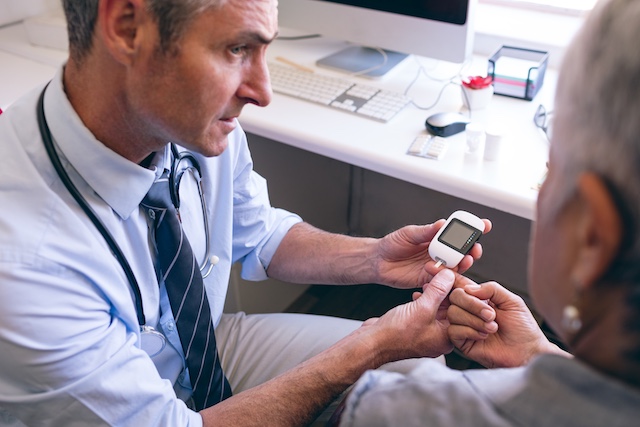
Weight Raised in Fewer Than Four in Ten Type 2 Diabetes Consultations, With Bariatric Surgery Never Mentioned
Key Takeaways:
- Weight was discussed in just 48 of 123 recorded primary care visits for people living with type 2 diabetes (39%), and clinicians never used the words “overweight” or “obesity” during these conversations.
- Clinicians started most weight discussions, with only 15% classed as patient-directed, and the advice given differed depending on who raised the topic.
- Bariatric surgery was not mentioned in any of the recorded visits, suggesting that some people may not be hearing about the full range of treatment options available to them.
Weight conversations were infrequent in recorded diabetes visits
A Yale-led study published in BMC Primary Care has found that weight was discussed in only 48 of 123 recorded primary care visits for type 2 diabetes – just 39% of appointments. Clinicians initiated the majority of these conversations, only 15% were patient-directed, and bariatric surgery was never discussed.
The research drew on video-recorded visits at Fair Haven Community Health Care in New Haven, Connecticut. Notably, clinicians never used the terms “overweight” or “obesity”. Instead, they referred to weight in general terms, and on occasion talked in pounds or kilograms.
For people living with type 2 diabetes, the findings highlight a practical opportunity. Options for treating weight have broadened considerably in recent years, including GLP-1 medications and other approaches, and people do not need to wait for their clinician to raise the subject.
Clinicians led most weight discussions, and surgery was never mentioned
The study analysed visits recorded as part of a trial called QBSAfe, which tested an agenda-setting tool for diabetes care. The tool itself did not address weight. Every participant was living with type 2 diabetes, had an HbA1c (A1c) of at least 8% and a body mass index of at least 25. Most participants were Hispanic or Latino, and most of those who reported their income were on low incomes.
Clinicians started 56% of weight discussions. The researchers categorised 44% of conversations as clinician-directed, 38% as collaborative, 15% as patient-directed and 4% as confrontational. Every patient-directed conversation began with the patient raising the topic themselves.
The type of advice given varied according to who started the conversation. According to News-Medical’s summary of the study, clinicians recommended physical activity in 44% of the conversations they initiated, compared with just 14% of those started by patients. Changes to diet and diabetes medicines associated with weight loss were common recommendations. Social factors, such as access to food, were raised in 17% of discussions, while referrals to a dietitian featured in 13%.
Weight was discussed more frequently with people already taking GLP-1 receptor agonists, although the researchers were unable to establish why. One treatment option was absent altogether: “Bariatric surgery was not discussed,” the authors wrote.
A small, single-clinic snapshot with clear limitations
This was an observational study of 123 recorded visits at a single community health centre. It describes how weight was discussed but cannot show whether any particular conversation style changed people’s health or behaviour. Classifying the conversations involved a degree of judgement, and results may differ in other clinics or among other patient groups.
The authors acknowledged that social barriers may have been addressed outside the recorded visits. Even so, if patients rarely lead the conversation and some treatment options are never raised, people may miss out on hearing about choices that could benefit their diabetes and their overall health.
The treatment landscape is also changing rapidly. MedicalDaily has reported on trial results for combination weight-loss medicines in people living with type 2 diabetes, and further options are currently being studied.
The findings also point to the value of supporting clinicians to feel confident raising weight in a sensitive, person-centred way and discussing the full range of evidence-based options. Continuing professional development, such as The College of Contemporary Health’s Obesity Essentials course, can help healthcare professionals strengthen their approach to these conversations with people living with obesity and related conditions.
People who may benefit most from speaking up
People living with type 2 diabetes whose blood sugar remains high despite treatment may have the most to gain from a fuller conversation about weight. For many people living with diabetes, losing weight can make blood sugar easier to manage, and some newer diabetes medicines also reduce weight.
People with limited appointment time, those facing language barriers and those on lower incomes may encounter additional hurdles. These groups were well represented in the study, which makes its findings particularly relevant to community health centres and safety-net clinics.
Questions to bring to the next diabetes appointment
Patients can raise weight directly at the start of a visit so that it does not get squeezed out. A simple way to open the conversation is to ask whether weight is affecting blood sugar and what options might help.
From there, useful questions include whether a GLP-1 medication or another diabetes medicine that supports weight loss would be suitable, what side effects to expect and how long treatment might last. Patients can ask whether they meet the criteria for bariatric surgery – which can include people living with type 2 diabetes that is difficult to control – and what a referral would involve. They can also ask to be referred to a dietitian or a diabetes education programme.
Cost is often the deciding factor. In the US setting of the study, patients can ask which medicines their insurance covers, whether prior authorisation is required and whether lower-cost alternatives or manufacturer assistance programmes are available.
Writing questions down before the appointment and bringing an up-to-date list of medicines can also help. Patients who prefer to speak Spanish or another language can ask for an interpreter, as programmes receiving US federal funding must provide free language assistance services.
Safety comes first
No one should start, stop or change a diabetes medicine without first speaking to a clinician. Symptoms such as extreme thirst, confusion, fainting or signs of very low blood sugar require prompt medical attention. The researchers called for ways to make weight conversations more frequent in primary care, but patients do not need to wait for their clinician to raise the subject.
CCH insight
This study shows that weight is often left out of diabetes consultations, and that important treatment options such as bariatric surgery may never be raised. Our Obesity Essentials CPD course is designed for healthcare professionals who want to build their knowledge and confidence in supporting people living with obesity, helping to ensure that conversations about weight are routine, respectful and informed by the full range of options. Find out more and enrol today.
Explore Obesity Essentials short course →
Source: BMC Primary Care
Read More
Beyond the Scales: New Research Asks Whether GLP-1 Medications Change Daily Life
Key Takeaways:
- A new National Bureau of Economic Research working paper found little evidence that GLP-1 medications produced measurable changes in mental health, self-rated health, employment or marital status among adults living with diabetes.
- Apparent differences between people taking the medications and those who were not largely disappeared once researchers followed the same individuals over time, suggesting the gaps reflected who takes these drugs rather than what the drugs do.
- The findings do not call the clinical value of GLP-1 medications into question: improved glycaemic control, weight loss and better physical health remain the clearest measurable benefits.
A familiar class of medicines, a less familiar question
GLP-1 medications such as Ozempic have reshaped the treatment of Type 2 diabetes. For many people, they help bring blood sugar under control, lower cardiovascular risk and produce substantial weight loss. Those outcomes are now supported by a large and growing body of clinical evidence, and they have made this class of medicines one of the most closely watched developments in contemporary healthcare.
What remains far less certain is whether those physical health improvements ripple outwards into the rest of a person’s life. Do they translate into better mental health? More stable employment? Stronger or more enduring relationships? Researchers are only beginning to test those assumptions, and the answers matter well beyond the consulting room.
What the researchers set out to examine
A new National Bureau of Economic Research working paper takes up precisely that question. The study was conducted by Robert Kaestner, an economist and research professor at the University of Chicago Harris School of Public Policy, alongside co-author Cuiping Schiman.
Among adults with diabetes, the researchers found little evidence that using GLP-1 medications produced measurable changes in mental health, self-rated health, employment or marital status.
“We know these drugs improve health outcomes, and there’s been a great deal of research documenting those benefits,” said Kaestner, a research professor. “What hadn’t really been examined was whether those improvements extended into other parts of people’s lives.”
Why the question matters for coverage decisions
The issue is becoming increasingly important as insurers and government programmes weigh up whether to broaden access to GLP-1 medications. The medical case is already well documented. What is far less clear is whether these treatments also generate social or economic gains that might strengthen the argument for wider coverage.
That distinction is not merely academic. If GLP-1 medications were shown to help people return to work, sustain relationships or experience meaningful improvements in psychological wellbeing, the calculation around funding and eligibility would look rather different. If they do not, decisions will continue to rest primarily on the clinical evidence.
How the study was designed
To investigate, Kaestner and Schiman drew on more than ten years of data from the Medical Expenditure Panel Survey, a nationally representative survey. Their analysis focused on adults with diabetes between 2012 and 2023.
Crucially, the researchers did not rely solely on comparing people who used GLP-1 medications with those who did not. Instead, they followed the same individuals over time. This within-person approach allowed them to observe whether a person’s circumstances actually changed after starting treatment, rather than simply noting how two different groups of people happened to differ.
The team examined several indicators of wellbeing, including symptoms of depression, psychological distress, self-rated health, employment and marital status.
At first glance, people taking GLP-1 medications did appear to differ from those who were not, particularly in relation to employment and marriage. Those differences, however, mostly disappeared once the researchers tracked changes within the same individuals over time.
That pattern points to an important interpretive lesson. The original gaps may well have reflected differences between the kinds of people who take GLP-1 medications and those who do not, rather than any effect caused by the medications themselves. It is a distinction that is easy to lose in headline findings, and one that clinicians are increasingly being asked to explain to the people in their care.
Few measurable changes outside physical health
The results held steady across different time horizons. Whether the researchers looked at people after roughly one year of GLP-1 use or followed them across a longer two-year period, the picture was much the same. In both cases, they found little evidence that taking the medications led to meaningful changes in the broader life outcomes they measured.
Kaestner was careful to stress that this is not the same as proving GLP-1 medications have no effects beyond physical health. Some changes may simply be more subtle, or harder to capture with the measures available.
“We measured outcomes like whether someone became employed or unemployed, whether they got married or divorced, and standard indicators of mental health,” he said. “Those are important measures, but they don’t necessarily capture changes in self-esteem, relationship quality, or other day-to-day experiences.”
In other words, the study was well placed to detect large, discrete shifts in a person’s circumstances. It was less able to register the quieter changes that people themselves often describe as the most significant: feeling more confident, moving through the world with greater ease, or relating differently to food and to other people.
The medical benefits remain well established
The researchers were equally clear that their findings do not undermine the medical value of GLP-1 medications. For adults with diabetes, Kaestner noted, the clearest measurable benefits remain those already demonstrated in clinical research, including improved glycaemic control, weight loss and better physical health.
This is the balance clinicians are increasingly asked to strike in practice: conveying genuine confidence in the clinical evidence while setting realistic expectations about what a medication can and cannot be expected to change. Practitioners looking to strengthen that footing often turn to structured CPD, such as the College of Contemporary Health’s GLP-1RAs in Focus short course, which examines the evidence base underpinning this class of medicines and how it translates into everyday clinical conversations.
A young and expanding field of research
As GLP-1 medications are prescribed more widely beyond diabetes, and become increasingly common in weight management, researchers will have far more opportunity to test whether broader social effects emerge in other populations or over longer follow-up periods.
“This is still a very new area of research,” he said. “As use continues to grow, understanding these broader consequences will become increasingly important for patients, clinicians, and policymakers alike.”
For now, the evidence suggests a more measured conclusion than the surrounding public conversation often implies. GLP-1 medications can meaningfully change a person’s physical health. Whether, and how, they change a person’s life is a question the research is only starting to ask.
CCH insight
Supporting people prescribed GLP-1 receptor agonists calls for a clear grasp of the evidence, including its limits. GLP-1RAs in Focus, a CPD-accredited short course from the College of Contemporary Health, is designed for healthcare professionals who want a confident, evidence-informed foundation in this rapidly developing area.
Source: University of Chicago Harris School of Public Policy
Read More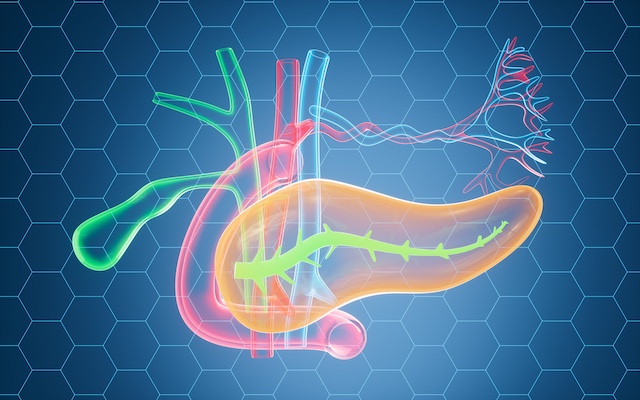
AI Model Detects Diabetes and Sorts Records Into Four Diagnostic Categories
Key Takeaways:
- Researchers have built a machine learning framework that first detects diabetes and then assigns positive records to one of four categories: prediabetes, type 1 diabetes, type 2 diabetes, or diabetes arising from pancreatic disease.
- XGBoost was the authors’ preferred classifier, though the paper reports inconsistent performance rankings across its own tables, with random forest outperforming it in one comparison.
- The framework is a proof-of-concept only. It has not been externally validated, its two stages were trained on separate datasets, and it is not ready for clinical use.
Why diabetes subtyping is a difficult problem
Diabetes is among the most common metabolic conditions worldwide, and its prevalence continues to rise. People living with diabetes typically experience raised blood glucose levels caused by insufficient insulin secretion, insulin resistance, or a combination of the two. Where hyperglycaemia persists, it can lead to serious complications affecting the eyes, heart, kidneys and nerves.
That burden has prompted interest in new strategies for detecting and classifying diabetes using clinical data that is already routinely available. If such tools were externally validated, they could in principle help clinicians identify individuals who warrant further diagnostic assessment, and support decisions about dietary, lifestyle or pharmacological management.
A study accepted for publication in Scientific Reports sets out one such approach: a machine learning (ML) model built on common clinical variables and a derived pancreatic-health index, designed both to detect diabetes and to classify it. The authors are explicit that clinical utility, patient outcomes and quality of life were not assessed.
About the study
The researchers presented an integrated, ML-based approach with two stages. Binary classification was used to determine diabetes status, and multiclass classification was then used to assign records to one of four dataset classes: prediabetes (PD), type 1 diabetes (T1D), type 2 diabetes (T2D), and diabetes from pancreatic disease, also known as pancreatogenic or type 3c diabetes (T3cD).
Two publicly available datasets were used. For the binary task, the team drew on the Pima Indians Diabetes Database, maintained by the National Institute of Diabetes and Digestive and Kidney Diseases (NIDDK), to separate records into diabetic and non-diabetic. For the multiclass task, they used a dataset from the Kaggle repository. The curated multiclass dataset comprised 21,539 samples, split 60% for training and 40% for testing.
How the models were built and tested
Inputs to the multiclass model included age, body mass index (BMI), waist circumference, cholesterol levels, blood glucose levels, insulin levels, and a derived pancreatic-health index.
Several ML algorithms were compared to identify the most effective approach for each classification task: logistic regression, decision trees, random forests, K-nearest neighbours (KNN), naive Bayes, and XGBoost.
To correct class imbalances, the team applied the Synthetic Minority Oversampling Technique (SMOTE) to the training data only. Hyperparameter tuning was then carried out to identify the best-performing parameter combinations, and the models were retrained using those selected parameters. Finally, the researchers ran a Local Interpretable Model-agnostic Explanations (LIME) analysis on their preferred classifier to examine how individual features contributed to model predictions.
What the models achieved
The authors selected XGBoost as their preferred classifier, although the paper’s reported performance rankings are not consistent across tables. Table 2 gives a value of 0.97 for every evaluation parameter, covering accuracy, precision, recall and F1 score. Table 7, however, reports an accuracy of 95.67% for XGBoost against 96.67% for random forest, with random forest also achieving a marginally higher macro-average ROC-AUC, a measure of how well a model discriminates across the four classes.
The researchers attributed XGBoost’s performance to its capacity to capture complex, non-linear associations between features. In the reported test results, XGBoost correctly classified all prediabetes and T1D records, though some confusion persisted between the T2D and T3cD groups. KNN was the least accurate of the algorithms tested.
This kind of discrepancy between a paper’s headline claim and its own supporting tables is exactly the sort of detail clinicians are increasingly expected to spot for themselves. CCH’s CPD-accredited short course AI Essentials for Primary Care covers structured appraisal of AI tools, including the SAFER Evaluation Framework and how to judge AI output against NHS standards.
Which features drove the predictions
General feature-importance analysis pointed to blood glucose levels, insulin and BMI as the most influential variables. The LIME analysis told a slightly different story, indicating that glucose dominated the model’s predictions, with age and cholesterol making secondary contributions in some classes. BMI, waist circumference, insulin and pancreatic health had comparatively lower influence in the LIME results.
Blood glucose levels showed the strongest reported correlation with the class label, at a Pearson’s correlation of 0.86, while insulin showed a correlation of 0.59. These correlations should be treated with caution, since numerical values were assigned to what are, in fact, nominal disease classes.
Age, BMI and waist circumference showed moderate to strong intercorrelations, ranging from 0.63 to 0.68. Their respective correlations with the target were 0.41, 0.46 and 0.56. Pancreatic health showed a negligible negative correlation of -0.06.
In practice, the model primarily learned blood glucose-based decision patterns, which are consistent with the clinical diagnosis of diabetes. The authors interpreted these patterns as broadly concordant with diabetes pathophysiology and existing clinical knowledge, though that interpretation was not independently validated in clinical practice. On the evidence presented, the model is not ready for clinical use and would require considerably more evaluation before it could support, rather than replace, clinical judgement.
Conclusions and future directions
The study demonstrates an ML framework capable of classifying diabetes status and assigning positive cases to four labels: prediabetes, T1D, T2D and T3cD. The authors suggest the framework could eventually assist with diabetes screening and help guide further diagnostic investigation. Crucially, the study did not establish whether using the model improves care, treatment outcomes, quality of life, or the wider global burden of diabetes.
The varying influence of lipid, pancreatic and body measurements may reflect genuine subtype-related biological differences. Equally, it may be an artefact of dataset construction, class coding, correlated predictors, or the absence of clinically verified biomarkers. The authors recommend that these patterns be investigated in clinically characterised datasets before any mechanistic conclusions are drawn.
The framework should currently be regarded as a modular proof-of-concept, because its binary and multiclass stages were trained on separate datasets that may differ in population, variables and collection methods.
Future work, the authors suggest, should use a single training dataset containing both diabetes status and clinically adjudicated subtype labels, including verified pancreatic and autoimmune markers rather than derived variables. External validation in larger and more diverse clinical cohorts would be needed to improve generalisability. Ethical and data privacy concerns would also need to be addressed before any AI-based model of this type could be translated into clinical screening or decision-support settings.
CCH insight
Studies like this one arrive faster than most clinicians can appraise them, and the gap between a promising accuracy figure and a tool that is safe to use in practice is wide. Knowing how to interrogate that gap is now a core professional skill.
AI Essentials for Primary Care is a 100% online, CPD-accredited short course providing 3.5 CPD hours and a Certificate of Completion. It equips the whole primary care team to evaluate AI tools against NHS standards, recognise when AI output should be questioned, and apply the SAFER Evaluation Framework in day-to-day practice. No technical background is required.
Explore AI Essentials for Primary Care →
Read More
New AI Tool Predicts 12-Week Healing Outcomes for Diabetes-Related Foot Ulcers
Key Takeaways:
- THERMUL is a smartphone-based thermal imaging AI tool designed to predict whether a diabetes-related foot ulcer will heal within 12 weeks.
- The tool was developed and tested in a 110-participant clinical study across two Melbourne hospitals, with images captured at presentation and again at two and four weeks.
- Researchers have secured $490,539 through Australia’s Economic Accelerator and $50,000 from a University of Melbourne fund to validate the technology across metropolitan, regional and remote services.
Turning heat patterns into an early warning signal
A collaboration between the University of Melbourne and RMIT University has produced an artificial intelligence (AI) tool that uses thermal imaging to flag diabetes-related foot ulcers at risk of poor healing, with the aim of reducing hospitalisations and lower limb amputations through earlier intervention.
The tool, named THERMUL, runs on a smartphone and analyses patterns within thermal images of wounds. Those patterns may indicate whether an ulcer is progressing as expected or is at risk of delayed healing. The central output is a prediction of whether a given ulcer is likely to heal within 12 weeks – a window that matters clinically, because ulcers that stall in the early weeks are the ones most likely to progress to serious complications.
Why foot ulceration is such a persistent problem
Diabetes affects over 500 million people globally, and up to 34 per cent of people living with the condition will develop a foot ulcer at some point in their lifetime. Where these wounds are not managed appropriately, the consequences can escalate quickly, running through infection and hospitalisation to lower limb amputation and early death.
The economic picture is equally stark. RMIT University Professor Dinesh Kumar noted that “Diabetes-related foot disease places a significant burden on individuals and the Australian health system, costing an estimated $875 million every year,” positioning the tool as having potential to improve health equity as well as deliver economic benefits for Australia’s healthcare system.
For clinicians working across obesity, type 2 diabetes and cardiometabolic care, complications of this kind sit squarely within the territory covered by the College of Contemporary Health’s CPD-accredited short courses on diabetes and obesity, which examine how metabolic disease drives long-term complications and what earlier, better-coordinated care can achieve.
How the study was carried out
Researchers at the University of Melbourne, RMIT University and Bolton Clarke ran a clinical study at Austin Health and St Vincent’s Hospital Melbourne, involving 110 patients with diabetes-related foot ulcers.
Using a light-weight thermal camera, the team captured images of each ulcer when the person first presented to the clinic, with further images taken two weeks and four weeks later. At the twelve-week mark, clinicians assessed whether each ulcer had healed. That assessment gave the research team a healing outcome to set against the thermal image data collected weeks earlier – effectively a labelled dataset from which an algorithm could learn.
What the algorithm was trained to recognise
Endocrinologist Professor Elif Ekinci, Head of the University of Melbourne’s Department of Medicine and Director of the Australian Centre for Accelerating Diabetes Innovations (ACADI), explained the modelling step directly: “Using this data, we trained an AI algorithm to recognise heat patterns within the initial thermal images that were associated with ulcers that went on to heal, compared with those that did not.”
She was careful to frame the clinical implication as potential rather than proven: “These patterns may provide an early indication of a wound’s likely healing trajectory, potentially allowing clinicians to identify people who might benefit from earlier intervention or escalation of care.”
The distinction matters. Current clinical guidelines often assess healing progress over the first four weeks of treatment to determine whether a diabetes-related foot ulcer is healing as expected. A tool that reads risk from the initial presentation would move that judgement earlier in the pathway, rather than replacing it.
Bringing specialist-level judgement closer to home
One of the clearest arguments for a portable tool is geographic. Regular access to specialist support can be difficult for many people living in regional, rural and remote communities, where the round trip to a specialist diabetes foot service may be measured in hours.
Dr Rajna Ogrin, senior research fellow at Bolton Clarke, set out the gap: “People in regional areas who are living with diabetes and receive care at home, or through outreach services, may not have timely access to specialist diabetes foot services.”
The proposed remedy is a device that travels rather than a person who must: “A portable, non-contact tool like THERMUL has the potential to bring specialist-level decision support closer to where people live and receive care.” The non-contact element is significant in wound care, where minimising physical contact with a compromised wound bed reduces both discomfort and infection risk.
Funding, validation and what comes next
The project initially received seed funding from ACADI, which allowed the research team to take the concept through to prototype stage.
More recently, the team secured $490,539 in grant funding through Australia’s Economic Accelerator programme, alongside $50,000 from the University of Melbourne’s Proof of Concept Fund. That money is earmarked for two purposes: expanding validation of the technology across a wider range of healthcare settings – metropolitan, regional and remote services – and further improving the predictive model using data from more diverse population groups.
THERMUL is currently progressing through the additional validation and development activities required to support future translation into clinical practice. In other words, it is not yet a product in routine use, and the reporting is careful to describe capability in conditional terms.
The partnership behind the tool
Partner organisations include the Australian Centre for Accelerating Diabetes Innovations, Austin Health, Bolton Clarke, St Vincent’s Hospital Melbourne, Royal Flying Doctor Service Victoria and Software Medical Devices Pty Ltd – a mix of academic, acute hospital, community nursing, outreach and commercial partners that reflects the breadth of settings in which diabetes-related foot disease is actually managed.
CCH insight
THERMUL is one of a growing number of AI tools arriving at the point of care, and the practical questions it raises – how a prediction should influence a decision, what validation gaps mean in practice, how to explain an algorithmic result to the person in front of you – are now everyday concerns rather than future ones.
AI Essentials for Primary Care: Tools, Ethics and Everyday Applications is a CPD-accredited short course covering the tools, the ethics and the everyday applications of AI in clinical practice. 3.5 CPD points, 3.5 hours, fully online, start immediately.
Find out more about AI Essentials for Primary Care →
Source: The University of Melbourne
Read More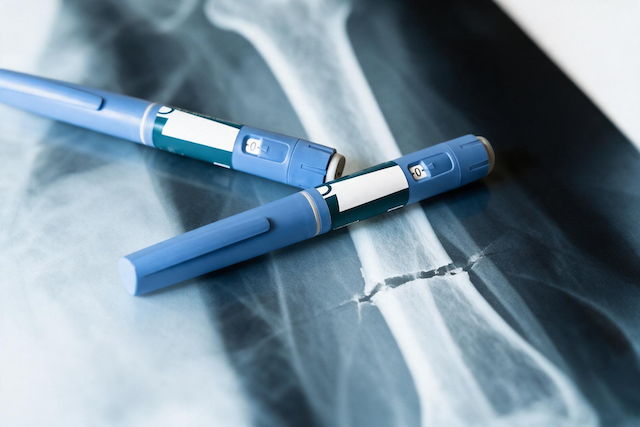
GLP-1 Therapies Linked to Lower Fragility Fracture Risk in Adults Living With Type 2 Diabetes
Key Takeaways:
- Adults aged 50 and over living with type 2 diabetes who started a GLP-1 receptor agonist had a 21% lower three-year risk of fragility fracture than those starting a DPP-4 inhibitor (HR 0.79).
- Reductions were strongest for vertebral (HR 0.68) and hip or femur fractures (HR 0.70), and appeared independent of changes in BMI and HbA1c – pointing to a possible direct skeletal effect.
- The findings do not extend to younger people using GLP-1 medications for weight management alone, or to those with osteoporosis; among adults without diabetes, fracture risk was higher (HR 1.13).
A large-scale look at bone health during GLP-1 treatment
Initiating a GLP-1 receptor agonist for type 2 diabetes was associated with a lower risk of fragility fractures in adults aged 50 and over, including fractures of the hip and spine, according to a large target trial emulation study published in JAMA Network Open.
Over three years of follow-up, adults who newly started a GLP-1 medication had a 21% lower risk of fragility fracture than those who newly started a DPP-4 inhibitor (HR 0.79, 95% CI 0.76–0.83), reported Christopher Hamad, MD, of the University of California Los Angeles, and colleagues.
The authors were careful to frame the size of the effect in context rather than overstate it.
“Although the absolute risk reduction at 3 years was modest (0.79%), this magnitude is clinically relevant given a baseline 3-year major osteoporotic fracture risk of approximately 3% to 4% in comparable populations and the substantial morbidity and mortality associated with hip and vertebral fractures,” the authors wrote.
Why a modest absolute reduction still matters
The clinical weight of these numbers rests on how serious the events being prevented are. Hip fractures, for example, are associated with one-year mortality rates of up to 25% in women and up to 36% in men.
Given the potential for such severe outcomes, Hamad’s group emphasised that even modest absolute reductions in fragility fractures – which stem from low-energy trauma, such as a fall from standing height – can prevent a meaningful number of events at population level.
The findings build on several smaller observational studies in people living with diabetes that have similarly linked the use of GLP-1 medications such as semaglutide (Ozempic, Wegovy) to a reduced fracture risk. Hamad’s team noted that their analysis drew on the largest dataset assembled on this question to date.
Which fractures showed the strongest signal
The protective association was most pronounced at precisely the sites that carry the highest morbidity and mortality:
- Vertebral fractures: HR 0.68, 95% CI 0.63–0.73
- Hip or femur fractures: HR 0.70, 95% CI 0.63–0.79
- Rib fractures: HR 0.83, 95% CI 0.77–0.91
No significant associations were identified for fractures of the distal radius or ulna, or of the proximal humerus.
Weight loss, glycaemic control and the question of a direct skeletal effect
One of the more striking elements of the analysis concerns the mechanism. Mediation analyses indicated that the associations were independent of changes in BMI and HbA1c, a pattern consistent with a potential direct skeletal effect of GLP-1 medications.
That matters because weight loss itself is associated with reduced bone mineral density and a higher fracture risk – a relationship reflected in the study’s own data, which found that cumulative BMI loss was tied to a 2% increase in fracture risk. In other words, the expected consequence of the weight reduction these medications produce would be a rise in fracture risk, not a fall.
“Yet, GLP-1 RA [receptor agonist] use was associated with lower fracture risk despite these changes, suggesting that potential direct skeletal effects may outweigh the adverse consequences of weight loss,” the authors wrote.
Reassessing the assumption of neutral skeletal effects
Current American Diabetes Association Standards of Care classify GLP-1 medications as having neutral effects on the skeleton. The researchers argued that their results suggest this assumption warrants reevaluation.
They also acknowledged the limits of what an observational design can establish, noting that the findings could still reflect unmeasured factors such as improved balance or greater physical activity among people taking these medications. Making sense of evidence like this – and of the mechanistic arguments used to interpret it – is the focus of professional training such as the College of Contemporary Health’s GLP-1RAs in Focus, a CPD-accredited online short course that grounds healthcare professionals in how these medications act on the body.
How the study was conducted
For this comparative effectiveness study, the researchers drew data from the TriNetX Research Network, analysing 66,803 matched pairs, or 133,606 people in total, aged between 50 and 90 years.
Mean age was approximately 63 years, roughly 53% of participants were male, 58% were White, and average baseline BMI was around 33.
All participants were living with type 2 diabetes and had newly initiated either a GLP-1 receptor agonist or a DPP-4 inhibitor between 2015 and 2022. Dulaglutide (Trulicity), semaglutide and liraglutide (Victoza) together accounted for 91% of index prescriptions in the GLP-1 group. Exclusion criteria included fractures resulting from high-energy trauma, as well as osteoporosis and osteopenia.
Where the protective association held – and where it did not
In subgroup analyses, the lower fracture risk was consistent across age groups, across sexes and across levels of frailty.
A separate matched cohort, however, evaluated participants according to diabetes status and produced a notably different picture. Among adults living with type 2 diabetes, GLP-1 use retained a protective association (three-year HR 0.91, 95% CI 0.88–0.95). Among adults without diabetes, it was associated with an increased fracture risk (HR 1.13, 95% CI 1.04–1.23, P<0.001 for interaction).
Consequently, the authors emphasised that the findings cannot be generalised to younger people using GLP-1 medications solely for weight management, nor to those with known osteoporosis or a previous fragility fracture, who were excluded from the study altogether.
What this means for practice
Overall, “the findings do not argue against GLP-1 RA use on the basis of fracture risk, though bone health monitoring remains prudent,” according to the researchers.
They called for prospective randomised trials to evaluate the associations observed, including among people with osteopenia or early osteoporosis, alongside preclinical work to understand the potential mechanisms involved.
CCH insight
For healthcare professionals, this study is a useful reminder that the skeletal consequences of GLP-1 treatment are not yet settled science – and that the answer appears to differ depending on who is being treated and why. Interpreting findings of this kind with confidence depends on a firm grasp of how these medications act in the first place, from gut hormones and appetite regulation through to their wider effects beyond glycaemic control. That is exactly what CCH’s GLP-1RAs in Focus – Why Drugs Like Ozempic Work CPD short course (2 CPD hours, fully online, CPD-accredited) is built to provide, giving clinicians a clear grounding in the mechanisms behind these therapies and the ability to appraise emerging evidence critically, whether or not they prescribe.
Read More
Telehealth Strengthens Diabetes Self-Care but Delivers Only Modest Glycaemic Gains
Key Takeaways:
- Comprehensive telehealth produced modest, non-significant improvements in glycaemic control compared with self-monitoring alone.
- Diabetes self-care was the only outcome to improve significantly, pointing to better self-management rather than better clinical numbers.
- Uptake was low, with relatively few participants completing the intended number of telehealth encounters.
Why self-management sits at the centre of type 2 diabetes care
People living with type 2 diabetes carry much of the day-to-day work of managing their condition. Self-monitoring, medication adherence, lifestyle modification and psychosocial coping all fall largely to the individual, supported at intervals by their clinical team. Comprehensive telehealth has been proposed as a way of closing the gaps between those intervals – enabling more regular contact with health care providers, structured review of patient-generated data, and input from a multidisciplinary team without requiring people to attend in person.
What has remained uncertain is whether that model works in a fee-for-service setting, where reimbursement structures and service design differ markedly from the integrated systems in which much telehealth research has been conducted. A randomised trial published in Annals of Internal Medicine on 23 June 2026 set out to answer that question.
What the trial set out to test
The study, led by Crowley and colleagues, evaluated both the implementation and the effectiveness of a comprehensive telehealth intervention for people with uncontrolled type 2 diabetes and comorbid hypertension, delivered in a fee-for-service context. Participants were randomised either to the comprehensive telehealth programme or to self-monitoring alone, with the comparison designed to isolate the added value of regular provider contact and multidisciplinary review over and above the data-gathering that people were already doing themselves.
Outcomes spanned both the clinical and the behavioural: glycaemic control, blood pressure, weight, diabetes self-care, disease-related distress and self-efficacy, alongside safety monitoring for serious adverse events.
Uptake proved to be the sticking point
One of the clearest findings was not about physiology at all. Uptake of the intervention was limited, with relatively few participants completing the intended number of telehealth encounters. That matters for interpreting everything that follows: a programme that people do not fully engage with is being tested at less than full strength.
Engagement also appeared to shape the results. Improvements in glycaemic control were more evident among participants with greater engagement, suggesting a dose-response relationship that the trial as a whole was not positioned to demonstrate conclusively.
Modest clinical gains that did not reach significance
Compared with self-monitoring alone, comprehensive telehealth was associated with modest improvements in glycaemic control. Those improvements did not reach statistical significance.
The same pattern held across the other clinical measures. The telehealth group showed trends towards better blood pressure and weight outcomes, as well as towards reduced disease-related distress and improved self-efficacy – but again, these differences were not statistically significant. The direction of travel was consistent and favourable; the magnitude simply was not large enough to distinguish the intervention from the comparator.
Self-care was the one clear winner
The exception was diabetes self-care, which was the only outcome that improved significantly with telehealth. It is a result worth dwelling on. It suggests the intervention may strengthen people’s ability to manage their own condition even where clinical measures remain largely unchanged – a benefit that conventional endpoints are poorly designed to capture, and one that may accrue over a longer horizon than the trial allowed.
Whether that improved self-management eventually translates into better glycaemic, blood pressure or weight outcomes is a question the study cannot answer. What it does indicate is that the mechanism telehealth is meant to activate – supported, informed, confident self-management – did in fact activate.
That mechanism depends heavily on the quality of the conversation, not just its frequency. Practitioners looking to strengthen engagement and draw out patients’ own motivation to change are increasingly turning to structured behaviour change training; CCH’s two-hour CPD short course, Behaviour Change Skills: Enhancing Motivation, covers motivational interviewing techniques for exploring readiness, working with ambivalence and recognising change talk in everyday consultations.
Safety and adverse events
Serious adverse events were uncommon and occurred at similar rates in both groups, supporting the safety of the intervention. For a delivery model that reduces face-to-face contact, that reassurance carries weight.
Where the findings stop short
The authors are candid about generalisability. The study population was predominantly low-income with lower educational attainment, and baseline glycaemic control was relatively favourable – leaving less room for improvement than a more poorly controlled cohort would have offered. Digital literacy was not assessed at all, despite being an obvious determinant of who can engage with a telehealth programme and who cannot.
Each of these factors constrains how far the results can be extrapolated to other populations or other service settings.
What this means for practice
The overall picture is one of a promising model that did not, in this setting, demonstrate a clear clinical advantage over self-monitoring alone. Comprehensive telehealth appears capable of enhancing self-management and patient engagement. It did not, here, translate that into measurable clinical benefit.
Further research is needed to establish whether greater uptake of the intervention, or a different patient population, would yield larger benefits. In the meantime, the trial offers a practical reminder for anyone commissioning or delivering remote diabetes care: the technology is only as effective as the engagement it manages to sustain.
CCH insight
This trial found that telehealth improved self-care significantly while clinical measures barely moved – and that engagement was the limiting factor throughout. Motivational interviewing offers an evidence-based way to shift that dynamic, helping people find their own reasons to change rather than pushing against resistance.
Behaviour Change Skills: Enhancing Motivation is a two-hour online CPD course from the College of Contemporary Health, developed with behaviour change specialists at BCT and led by registered dietitians Dympna Pearson and Sam Howard. It carries 2 CPD hours and a Certificate of Completion, and costs £59.
Read More
AI Blood Test Could Detect Early Eye Nerve Damage in People with Type 2 Diabetes
Key Takeaways:
- An AI tool called Pro-DRN uses a blood sample to flag people with type 2 diabetes at high risk of diabetic retinal neurodegeneration (DRN), before any damage shows on the retina.
- It was trained on 1,218 participants and validated in 502 people from UK Biobank, identifying 71 proteins linked to DRN – with ACTA2, COL6A3 and HSPG2 the strongest predictors.
- As retinal nerves are among the first tissues affected by diabetes, the test could also hint at wider nerve damage and help target earlier monitoring and future treatments.
A simple blood test to catch nerve damage early
Scientists have developed an AI-assisted prediction tool that can identify people with type 2 diabetes who are at high risk of developing diabetic retinal neurodegeneration (DRN) before symptoms appear. The findings were published in the journal PLOS Medicine.
The work was led by Wei Wang, MD, PhD, associate professor at the Guangdong Provincial Clinical Research Center for Ocular Diseases. According to the authors, the damage that diabetes inflicts on the delicate nerves of the eye appears to leave a detectable molecular trail in the bloodstream long before it becomes visible in the eye itself.
“Our study suggests that early retinal nerve damage in diabetes leaves measurable signals in the blood,” write the authors. “These findings suggest that a simple blood test analyzed with artificial intelligence may help identify people with diabetes who are at highest risk of early retinal nerve damage, well before visible damage appears on the retina.”
Why the retinal nerves matter in diabetes
Type 2 diabetes affects more than half a billion people worldwide, and it carries an increased risk of long-term complications, including progressive neurodegeneration – the gradual deterioration of nerve tissue over time.
The nerves of the retina are among the earliest tissues to be affected. As this damage advances, it can eventually lead to severe visual impairment and the loss of sight. The difficulty for clinicians is one of timing: current diagnostic methods can only detect DRN once the retina has already sustained irreversible damage. By the time the problem is visible, the window for early, protective intervention has often closed.
How the Pro-DRN tool was built
To address this, Wang and colleagues developed a machine learning algorithm called Pro-DRN. They drew on data from 1,218 participants in the Guangzhou Diabetic Eye Study, all of whom had been diagnosed with type 2 diabetes but had not yet developed DRN at the point of enrolment.
The model combined two distinct streams of information. The first was proteomics data – a detailed read-out of the proteins circulating in participants’ blood samples. The second was a series of yearly retinal images, capturing the state of the eye over a six-year follow-up period. By matching the molecular signals in the blood against how each person’s retina changed year on year, the algorithm learned which blood-borne patterns preceded the onset of nerve damage.
The proteins behind the predictions
The analysis surfaced 71 proteins associated with the development of DRN. Of these, three stood out as the most consistent drivers of accurate prediction: ACTA2, COL6A3 and HSPG2. These are key structural components involved in maintaining the integrity of the nerve and muscle tissue in the eye, which helps explain why disturbances in their levels might signal nerve tissue under strain.
Crucially, the team did not rely on a single dataset. The results were validated in an independent cohort of 502 people from UK Biobank, where the core effects and protein signals were reproduced – an important check that the findings were not simply a quirk of the original group.
From research tool to clinical aid
Pro-DRN has been made available as an interactive, web-based risk assessment tool that clinicians can use to support early DRN screening and to monitor how a person’s risk evolves over time. People identified as being at high risk could then benefit from more frequent check-ups and from early interventions aimed at preventing or slowing progressive neurodegeneration, rather than waiting for damage to become apparent.
A window into the wider nervous system
The potential significance of the test reaches beyond the eye. Because DRN is one of the first signs of nerve degeneration brought on by diabetes, detecting it early could also signal the onset of nerve injury elsewhere in the body.
Such damage can contribute to cognitive impairment, dementia and peripheral neuropathy – the latter causing loss of sensation and motor control in the hands, feet and other extremities. Viewed this way, a single eye-focused test could offer valuable insight into the overall health of a person’s nervous system.
New possibilities for treatment and trials
The discoveries also open up two further avenues. The proteins identified as being involved in DRN progression could be investigated as potential targets for the development of new therapies. In addition, the AI-based tool could prove useful for selecting and stratifying participants in clinical trials that are evaluating neuroprotective strategies designed to prevent or delay nerve damage – helping ensure such studies enrol the people most likely to show a measurable benefit.
Looking ahead
For the researchers, the broader ambition is a shift in how diabetic eye care is approached – from reacting to damage that has already occurred towards anticipating who is most vulnerable.
“Pro-DRN may help move diabetic eye care from detecting established damage toward earlier, molecularly informed risk stratification, so that closer monitoring and future neuroprotective interventions can be directed to the people most likely to benefit,” Wang and colleagues write.
Read More
Weight Loss Drugs Linked to Lower Risk of Peptic Ulcer Disease in Adults with Diabetes
Key Takeaways:
- A large US study involving more than 66,000 adults found that people with type 2 diabetes using GLP-1 receptor agonists had significantly lower odds of developing peptic ulcer disease.
- Researchers observed a 44 percent lower likelihood of peptic ulcer disease among GLP-1 users overall, with a 56 percent lower risk seen in people who switched from metformin to a GLP-1 medication instead of insulin.
- The findings add to growing evidence that GLP-1 receptor agonists may have anti-inflammatory and gastrointestinal protective effects beyond blood sugar control and weight management.
Study suggests potential gut benefits of GLP-1 medications
Medications commonly prescribed for type 2 diabetes and obesity management may provide an additional benefit beyond blood sugar control and weight reduction. A large nationwide study led by researchers at Beth Israel Deaconess Medical Center (BIDMC) has found that people with type 2 diabetes who used GLP-1 receptor agonists were significantly less likely to develop peptic ulcer disease compared with those who did not use these medications.
The findings were published in Clinical Gastroenterology and Hepatology and were based on electronic health record data from more than 66,000 adults participating in the National Institutes of Health’s All of Us Research Program. The programme is considered one of the most diverse biomedical research datasets in the United States.
“Peptic ulcer disease remains a significant cause of illness and hospitalization, particularly among people with type 2 diabetes, yet large-scale clinical studies examining how newer diabetes medications affect ulcer risk have been lacking,” said Trisha Pasricha, MD, MPH, a gastroenterologist at BIDMC. “Our study was designed to address that gap and to better understand whether GLP1 receptor agonists are associated with meaningful differences in ulcer risk in this population.”
Understanding peptic ulcer disease in diabetes
Peptic ulcers are painful open sores that develop in the lining of the stomach or upper part of the small intestine. Symptoms can include ongoing abdominal pain, nausea, indigestion, and bloating. In more severe cases, ulcers can lead to complications such as gastrointestinal bleeding or perforation.
Globally, around four million people experience ulcer-related complications each year.
People living with type 2 diabetes are known to have a higher risk of developing peptic ulcer disease. Researchers believe this increased vulnerability may stem from a combination of chronic inflammation, metabolic stress, impaired tissue repair, and greater exposure to medications associated with ulcer formation, particularly nonsteroidal anti-inflammatory drugs (NSAIDs).
Because of this elevated risk, researchers sought to investigate whether GLP-1 receptor agonists, which were first approved for diabetes treatment approximately two decades ago and are now widely used for both diabetes and obesity care, might influence ulcer risk.
GLP-1 use associated with lower ulcer risk
The researchers found that the use of GLP-1 medications was associated with substantially lower odds of being diagnosed with peptic ulcer disease.
Across the full study population, people with type 2 diabetes using GLP-1 receptor agonists had a 44 percent lower likelihood of receiving a peptic ulcer diagnosis compared with people not using these medications. The association remained even after adjusting for factors including age, sex, body mass index, medication use, and other clinical variables.
The investigators also carried out a more focused comparison involving people who had discontinued metformin, which remains the standard first-line therapy for type 2 diabetes. Researchers examined participants who then transitioned either to a GLP-1 medication or to insulin therapy.
In this head-to-head analysis, people who switched to a GLP-1 receptor agonist had a 56 percent lower risk of developing peptic ulcer disease compared with those who switched to insulin.
Researchers point to possible anti-inflammatory effects
Although GLP-1 receptor agonists are not currently prescribed for ulcer prevention, researchers believe the findings may reflect broader biological effects of the medications.
“Although these medications are not prescribed with ulcer prevention in mind, there is growing evidence that GLP1 receptor agonists may have broader biological effects, including anti-inflammatory properties and roles in gastrointestinal mucosal protection,” said senior author Pasricha, who is also an assistant professor of medicine at Harvard Medical School. “Those effects may help explain why we observed different ulcer risks compared with insulin.”
GLP-1 receptor agonists are best known for improving blood glucose control, supporting weight loss, and reducing cardiovascular risk in people with type 2 diabetes and obesity. However, a growing body of research suggests these drugs may also reduce inflammation and support tissue repair within the gastrointestinal tract.
The authors noted that more research is needed to determine whether these effects directly improve the stomach and small intestine’s ability to resist injury, particularly in people with diabetes who may already have impaired protective mechanisms.
Findings strengthened by known risk factors
The investigators also observed that medications already known to increase ulcer risk behaved as expected within the dataset. NSAIDs, corticosteroids, and blood thinners were all associated with increased ulcer risk, supporting the reliability of the study’s methodology.
Taken together, the researchers said the findings strengthen the observed association between GLP-1 receptor agonist use and lower rates of peptic ulcer disease.
Study authors and funding
Co-authors of the study included Philippa Seika, Jocelyn Chang, Su Min Hong, Sarah Ballou, Vikram Rangan, Chethan Ramprasad, Johanna Iturrino, Judy Nee, and Subhash Kulkarni of BIDMC; Christian Denecke of Charité Universitätsmedizin; and Anthony Lembo of Cleveland Clinic.
The study was funded by the American Gastroenterological Research Foundation’s Research Scholar Award, the National Institute on Aging, the Diacomp Foundation, a Pilot Grant from the Harvard Digestive Disease Core, and the Walter Benjamin Fellowship from the Deutsche Forschungsgemeinschaft.
The authors reported no conflicts of interest.
Read More
GLP-1 Receptor Agonists Show Potential to Reduce Mental Health Risks in People with Diabetes and Obesity
Key Takeaways:
- GLP-1 receptor agonists were associated with a reduced risk of worsening mental illness in people living with diabetes and co-existing anxiety or depression
- Semaglutide and liraglutide showed the most notable effects, including reductions in depression, anxiety, and self-harm risk
- Findings from a large Swedish cohort study highlight potential dual benefits, though randomised trials are still needed
Growing interest in the mental health effects of GLP-1 therapies
A large national cohort study from Sweden, published in The Lancet Psychiatry, suggests that glucagon-like peptide-1 receptor agonists may offer benefits beyond metabolic control. The findings indicate that medications such as semaglutide and liraglutide could help reduce the risk of worsening mental illness in people living with diabetes and co-existing obesity, anxiety, or depression.
GLP-1 receptor agonists are widely used in the management of type 2 diabetes and obesity. However, their impact on mental health outcomes has remained uncertain, with previous research producing mixed results. This study contributes new large-scale evidence suggesting a potentially protective effect.
Mental illness and diabetes – a high-risk overlap
People living with diabetes are known to have a higher risk of mental health conditions, including depression, anxiety, and suicide. This overlap creates a complex clinical picture, where both metabolic and psychological factors influence outcomes.
The researchers emphasised that understanding how commonly prescribed antidiabetic medications affect mental health is essential, particularly in populations already at elevated psychiatric risk.
Study design and population
The study analysed data from Swedish national electronic health registers, covering the period from 2009 to 2022. Researchers identified individuals with diagnosed depression or anxiety who were also receiving antidiabetic treatment.
Participants who used GLP-1 receptor agonists were compared with those who did not use these medications, as well as with individuals taking other second-line antidiabetic therapies.
In total, nearly 95,500 people were included in the analysis. Approximately 60% of participants were female and 40% male, with a mean age of around 50 years. Data on ethnicity were not available.
During the follow-up period, almost 22,500 individuals used GLP-1 receptor agonists.
Outcomes measured
The study assessed several primary and secondary outcomes related to mental health.
Primary outcomes included:
- Psychiatric hospitalisation
- Sick leave exceeding 14 days due to psychiatric reasons
- Hospitalisation due to self-harm
- Death by suicide
Secondary outcomes included:
- Worsening symptoms of depression or anxiety
- Substance use disorder
- Self-harm
Reduced risk of worsening mental illness
The findings indicated that some GLP-1 receptor agonists were associated with a lower risk of worsening mental health outcomes.
Semaglutide and liraglutide were linked to a 42% and 18% lower risk of worsening mental illness, respectively, compared with people who did not use GLP-1 therapies.
When examining specific outcomes:
- Semaglutide was associated with a 44% lower risk of worsening depression
- A 38% reduced risk of worsening anxiety
- A 47% lower likelihood of worsening substance use disorder
Liraglutide showed a more limited effect, with a 26% reduction in the risk of worsening depression, but no significant impact on other mental health outcomes.
Other GLP-1 receptor agonists, including exenatide and dulaglutide, did not demonstrate meaningful changes in risk.
Impact on self-harm risk
One of the most notable findings was the association between GLP-1 receptor agonist use and a reduced risk of self-harm.
Overall, these medications were linked to a 44% lower risk of self-harm compared with non-use, suggesting a potentially important role in mitigating severe psychiatric outcomes in this population.
Implications for clinical practice
The results suggest that certain GLP-1 receptor agonists may provide dual therapeutic benefits for people living with diabetes and obesity, addressing both metabolic and mental health outcomes.
However, the authors cautioned that observational findings cannot establish causality. They highlighted the need for randomised controlled trials to confirm these associations and better understand the mechanisms involved.
Conclusion
This large Swedish cohort study provides evidence that some GLP-1 receptor agonists, particularly semaglutide and liraglutide, may be associated with reduced risks of worsening mental illness and self-harm in people living with diabetes and co-existing psychiatric conditions.
While further research is required, the findings point towards a potentially valuable role for these medications in addressing the interconnected challenges of metabolic and mental health.
CCH insight:
Yet more positive news about GLP-1 medications. This is very encouraging, particularly as there are so many drugs that have negative side-effects regarding mental health. However, this study only shows an association, and not causation, and did not adjust for the possible effects of losing weight – those on GLP-1 therapy may have experienced improved mood and mental health due to the fact they were losing weight, rather than as a direct effect of the drug. More research is needed to elucidate the complex interactions of obesity and mental health and the effects of GLP-1 medications.
Read More
Algorithm-Guided Insulin Dosing Improves Blood Sugar Control in Type 2 Diabetes
Key Takeaways:
- An algorithm paired with continuous glucose monitoring significantly increased time in target glucose range compared with standard self-monitoring approaches
- The tool provides personalised weekly insulin dose recommendations based on recent glucose data, helping to simplify titration
- Early findings suggest strong patient acceptability and potential to enhance diabetes management at scale, though larger trials are needed
A data-driven approach to insulin adjustment
A novel algorithm developed by researchers at the University of Virginia Center for Diabetes Technology has demonstrated encouraging results in supporting people living with Type 2 Diabetes to better manage their blood glucose levels.
The system works in combination with a continuous glucose monitor and provides tailored recommendations for insulin dose adjustments. Rather than relying solely on manual interpretation of glucose readings, the algorithm analyses patterns over time and offers structured, data-informed guidance.
In a clinical trial involving 30 participants, individuals were randomly assigned to one of two approaches over a 16-week period:
- Algorithm-guided insulin adjustment using continuous glucose monitoring data
- Traditional self-monitoring of blood glucose with independent dose adjustment
The results showed a marked improvement in glycaemic control among those using the algorithm. Participants in this group increased their average time spent within a safe blood glucose range from 54.1% to 75.3%. By contrast, those relying on self-monitoring alone saw a more modest increase from 50.2% to 55.3%.
Moving beyond traditional insulin management
The findings highlight the growing role of digital health tools in diabetes care. According to Marc D. Breton, the study’s lead author:
“These results clearly show that diabetes technology and advanced algorithms can be leveraged to great effects, well beyond the classical paradigm of automated insulin delivery. As continuous glucose monitoring and connected medical devices become ubiquitous, we have the opportunity to provide highly personalized advice and monitoring to people with diabetes and guide their use of insulin and medications. Showing the impact of these technologies in early insulin therapy (only one dose a day) opens the door to helping the vast majority of people using insulin, well beyond what we were able to achieve with automated insulin delivery.”
This perspective reflects a broader shift towards personalised, technology-enabled care. Rather than fully automated systems alone, there is increasing interest in decision-support tools that augment clinical judgement and patient self-management.
Addressing the challenges of insulin titration
For many people living with type 2 diabetes, treatment often begins with oral or non-insulin therapies. However, as the condition progresses, insulin may become necessary to maintain adequate glycaemic control.
Adjusting insulin doses – a process known as titration – can be complex and burdensome. It typically requires frequent monitoring, interpretation of glucose patterns, and iterative dose changes. Importantly, there is no universally standardised titration protocol, which can create variability in care and outcomes.
To address this, Anas El Fathi developed the algorithm with the aim of streamlining and improving this process. The system evaluates two weeks of continuous glucose monitoring data and generates weekly recommendations for insulin dose adjustments, offering a structured and personalised approach.
Strong acceptance and clinical potential
The study also explored how well the technology was received by participants. According to Ralf Nass:
“From a medical point of view, it was fascinating to see that the algorithm was not only better than the standardized insulin titration recommendations, but also how well the technology was accepted by the participants with type 2 diabetes. This type of technology has the potential to help physicians enable their patients to achieve better glycemic control faster by using a personalized approach.”
This combination of improved outcomes and user acceptability is particularly important, as adherence and engagement remain key challenges in long-term diabetes management.
Future directions – towards more personalised diabetes care
While the results are promising, the researchers emphasise that further validation is required. Larger and longer clinical trials will be needed to confirm the effectiveness of the algorithm across more diverse populations.
Looking ahead, the integration of more advanced data-driven approaches may further enhance personalisation. Breton noted:
“It is only the very beginning of these efforts. With early demonstration behind us, we can focus on robust approaches that will be effective with more varied populations. Integrating recently developed data-driven methodologies, especially digital twins, to further improve our capacity to tailor diabetes managements to individuals is likely to once more revolutionize diabetes care.”
Such developments could represent a significant step forward in precision medicine for people living with diabetes.
Study publication and funding
The findings have been published in the peer-reviewed journal Diabetes Technology & Therapeutics, with the article available as open access.
The research team included El Fathi, Nass, Carol J. Levy, Camilla Levister, Grenye O’Malley, Nirali A. Shah, Shaziah Hassan, Cheryl Quainoo, Chaitanya L.K. Koravi, Taylor N. Nguyen, Giulio Matteo Santini, Emma Emory, Carlene Alix, Dillon K. Flanagan, David Fulkerson, Mary Clancy Oliveri, Christian Laugesen, Jonas K. Lineolov, Peter W. Hansen and Breton.
The clinical trial was supported by a grant from Novo Nordisk.
Read More
Genetic Risk Scores Offer Improved Prediction of Obesity, Type 2 Diabetes and Long-Term Health Outcomes
Key Takeaways:
- A new polygenic risk score integrates genetic data from over 8.5 million people to better predict obesity and type 2 diabetes risk
- The model goes beyond traditional measures such as body mass index by incorporating multiple aspects of metabolic function
- Individuals with higher genetic risk were more likely to develop complications and require interventions such as GLP-1 therapy or bariatric surgery
A more comprehensive approach to metabolic risk
Obesity and type 2 diabetes are complex metabolic conditions influenced by a combination of environmental, behavioural and genetic factors. While traditional clinical measures such as body mass index have long been used to assess risk, they do not fully capture the biological complexity underlying these conditions.
In a new study published in Cell Metabolism, researchers from Mass General Brigham have developed an advanced polygenic risk score designed to improve prediction of both obesity and type 2 diabetes, as well as their long-term health consequences. Polygenic risk scores work by aggregating the effects of many genetic variants across the genome, providing an estimate of an individual’s predisposition to developing a given condition.
“Our intention was to not only capture the risk of being diagnosed with obesity or diabetes, but also to better predict health consequences across the life course by integrating many aspects of metabolic function,” said co-first author Min Seo Kim, MD, MSc. “In the future, this genomic approach could complement established clinical risk factors to inform patient care and preventative strategies.”
Building a next-generation polygenic risk score
The research team constructed two distinct metabolic risk scores – one optimised for obesity and another for type 2 diabetes. Unlike conventional models, these scores incorporate genetic signals linked to 20 different traits associated with metabolic health. These include factors such as fat distribution, insulin regulation and glucose control.
To build these models, the investigators drew on genome-wide association studies conducted across some of the largest biobank datasets globally, encompassing more than 8.5 million individuals. This scale allowed the researchers to capture a broad and diverse range of genetic influences.
Importantly, the model moves beyond reliance on body mass index alone, reflecting a growing recognition that metabolic health cannot be fully understood through weight-based measures in isolation.
Predicting disease progression and clinical outcomes
Beyond predicting the likelihood of developing obesity or type 2 diabetes, the new polygenic risk scores demonstrated the ability to forecast downstream health outcomes.
The researchers found that individuals identified as high risk were more likely to go on to develop complications such as cardiovascular disease and stroke. Even among people who were initially healthy, those with a high genetic risk score were approximately twice as likely to require clinical interventions over time.
Specifically, individuals with higher polygenic risk scores were about twice as likely to receive GLP-1 receptor agonist medications or undergo bariatric surgery compared with those with average risk scores, over a median follow-up period of 5.5 years.
These findings suggest that genetic profiling could help identify people at risk earlier in the disease trajectory, potentially enabling more proactive and targeted care.
Improved performance across diverse populations
A notable strength of the study lies in its use of multi-ancestry genetic data. By incorporating genome-wide association studies from a wide range of populations, including African, East Asian, South Asian and Middle Eastern groups, the researchers were able to develop risk scores that performed better across diverse populations than earlier models.
Historically, many genetic prediction tools have been less accurate in non-European populations due to limited representation in genomic datasets. This study represents a step towards addressing that imbalance and improving equity in precision medicine.
Towards more personalised prevention and treatment
The research team emphasises that this work is part of a broader effort to refine understanding of the genetic subtypes of obesity and type 2 diabetes. Improved classification of these conditions could support more precise patient stratification in clinical trials and, ultimately, more tailored interventions in routine care.
“We want clinicians to be able to think about metabolic conditions in terms beyond body mass index, with a focus more broadly on underlying genetic susceptibility,” said co-senior author Akl Fahed, MD, MPH, of the Cardiovascular Research Center at Massachusetts General Hospital and an interventional cardiologist with the Mass General Brigham Heart and Vascular Institute. “Early identification of people who are likely to have a worse trajectory of poor metabolic health, before they even develop these conditions, can help us improve prevention and clinical interventions. That is how we can cure disease, and that is the bold mission that we are after.”
Implications for clinical practice
While further validation and implementation work will be required, the findings highlight the potential role of genomic tools in enhancing current approaches to metabolic disease prevention and management. By complementing existing clinical risk factors, polygenic risk scores could support earlier identification of people at risk and enable more personalised, proactive care pathways.
As healthcare systems increasingly move towards precision medicine, integrating genetic insights with clinical decision-making may become an important step in improving outcomes for people living with obesity and type 2 diabetes.
CCH insights:
This is exciting research, and a big step towards precision obesity prevention, as it gives us an individual risk score for obesity and diabetes for each patient. However, it is only half the story – ideally we’d also like to be able to determine what type of interventions will work best for each individual (in terms of diet, lifestyle and medicine) in order to optimise their chances of good metabolic health and achieving a healthy weight. Hopefully the ability to do this is not too far away.
Read More
GLP-1 Receptor Agonists Linked to Lower Mortality After Diabetic Foot Ulcers, Nationwide French Study Finds
Key Takeaways:
- Nearly one in seven people experienced death within one year of a first diabetic foot ulcer, highlighting the severity of risk following ulcer onset.
- Treatment with GLP-1 receptor agonists was independently associated with improved survival, including after major lower-limb amputation.
- Multidisciplinary care and early specialist involvement were associated with better outcomes, reinforcing the importance of structured follow-up.
Background and study aims
Diabetic foot ulcers remain one of the most serious complications of diabetes, often signalling advanced disease and a high burden of comorbidity. Despite advances in diabetes care, mortality following a first diabetic foot ulcer continues to be substantial.
This nationwide observational study set out to identify factors associated with one-year mortality after a first recorded diabetic foot ulcer using data from the French National Health Data System (SNDS). A secondary objective was to examine mortality within one year following major lower-limb amputation in the same population.
Study design and data sources
Researchers conducted a retrospective cohort analysis using the SNDS, a comprehensive national database that captures hospital admissions, outpatient care, prescribed medications, and long-term disease registrations across France.
Adults with a first incident diabetic foot ulcer recorded between January 2017 and December 2018 were included. Case identification combined hospital discharge diagnoses and community care records, allowing capture of people diagnosed both in hospital and in outpatient settings. All individuals were followed for 12 months after ulcer identification.
To examine associations with mortality, the researchers used Cox proportional hazards models. These models adjusted for a wide range of variables, including demographic characteristics, clinical comorbidities, diabetes treatments, major amputation, and access to specialist care.
Mortality and amputation outcomes
In total, 133,791 people with a first diabetic foot ulcer were identified. Within one year of diagnosis, 14.6% died, underlining the high short-term mortality associated with this complication. During the same period, 3.5% underwent a major lower-limb amputation.
Outcomes following amputation were particularly poor. Among those who had a major amputation, 28.8% died within one year, indicating a markedly elevated risk compared with people who did not undergo amputation.
Factors associated with increased mortality
Several factors were independently associated with a higher risk of death within one year of a first diabetic foot ulcer. These included male sex, increasing age, and ulcers identified during a hospital admission rather than in the community.
Clinical and treatment-related predictors of higher mortality included insulin use, major lower-limb amputation, and a range of comorbid conditions. Cardiovascular disease, cancer, dementia, end-stage kidney disease, and liver disease were all strongly associated with poorer survival.
Similar patterns were observed when analysing mortality after major amputation, suggesting that underlying health status and disease severity play a central role in outcomes across the care pathway.
Protective factors and the role of GLP-1 receptor agonists
Several factors were associated with a lower risk of death. Use of lipid-lowering therapy emerged as a protective factor, as did prior contact with specialist healthcare professionals. People who had consulted diabetologists, ophthalmologists, or podiatrists before ulcer onset experienced better survival, pointing to the benefits of ongoing, multidisciplinary diabetes care.
Notably, treatment with glucagon-like peptide-1 receptor agonists was independently associated with reduced mortality at one year. This association persisted both in the overall cohort and among people who underwent major lower-limb amputation, suggesting a consistent survival benefit linked to this class of medication.
Interpretation and implications for care
The findings confirm that one-year mortality after a diabetic foot ulcer remains unacceptably high and is closely linked to age, comorbidity burden, and disease severity. Importantly, the inclusion of community-identified ulcers highlights that people with diabetic foot disease are highly vulnerable even outside hospital settings.
The observed association between GLP-1 receptor agonist use and improved survival adds to growing evidence that these therapies may offer benefits beyond glycaemic control. Alongside pharmacological treatment, structured follow-up and early involvement of specialist services appear to play a critical role in improving outcomes.
Conclusions
This nationwide study shows that mortality following a first diabetic foot ulcer is substantial, particularly among people with advanced comorbidities and those requiring major amputation. Glucagon-like peptide-1 receptor agonists and coordinated, multidisciplinary care were associated with better survival and should be prioritised in high-risk populations.
Together, these findings underscore the urgent need to strengthen preventive strategies, optimise care pathways, and ensure timely access to specialist diabetes and foot care services for people living with diabetes who are at risk of ulceration.
Read More