Combination of Hormone Therapy and Tirzepatide Linked to Greater Weight Loss After Menopause, Study Finds
Key Takeaways:
- Postmenopausal women using menopausal hormone therapy alongside tirzepatide lost around 35% more weight than those using tirzepatide alone in an observational study.
- The findings suggest a potential interaction between hormone therapy and GLP-1-based obesity medications, although causality cannot be confirmed.
- Researchers say the results warrant randomised clinical trials to explore mechanisms and broader cardiometabolic effects.
Weight management challenges after menopause
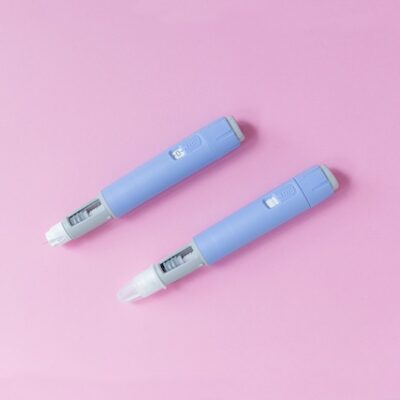
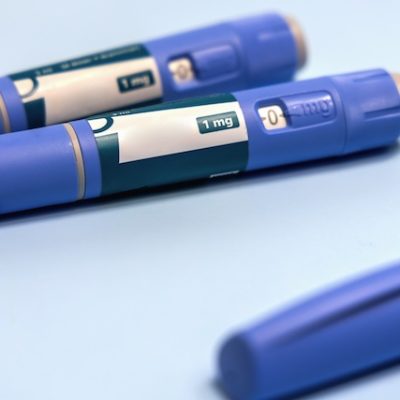
A new study led by researchers at Mayo Clinic suggests that combining menopausal hormone therapy with tirzepatide may be associated with substantially greater weight loss in postmenopausal women. The findings, published in The Lancet Obstetrics, Gynaecology, & Women’s Health, indicate that women receiving hormone therapy lost around 35% more weight while taking tirzepatide compared with those treated with tirzepatide alone.
Tirzepatide is approved by the US Food and Drug Administration for the treatment of overweight and obesity. The study’s authors say the results could expand treatment options for the many women who experience weight gain and related health risks following menopause.
Menopause is associated with accelerated age-related weight gain and a higher likelihood of developing overweight or obesity, both of which are major risk factors for cardiovascular disease, type 2 diabetes, and other long-term conditions. In addition to changes in body weight, the decline in oestrogen levels that occurs during menopause is also linked to physiological changes that may independently increase cardiovascular risk.
“This study provides important insights for developing more effective and personalized strategies for managing cardiometabolic risk in postmenopausal women,” says Regina Castaneda, MD, postdoctoral research fellow at Mayo Clinic and first author of the study.
Hormone therapy and obesity treatments
Menopausal hormone therapy is considered the most effective first-line treatment for common menopausal symptoms, such as hot flashes and night sweats, which affect up to 75% of postmenopausal women. Despite its widespread use, evidence on how hormone therapy may interact with pharmacological obesity treatments remains limited.
Previous research has suggested that postmenopausal women using hormone therapy may experience greater weight loss when treated with semaglutide, another GLP-1-based medication for obesity. However, until now, no studies had specifically examined whether hormone therapy might influence outcomes in people treated with tirzepatide.
To explore this question, Dr Castaneda and colleagues reviewed data from 120 participants with overweight or obesity who had received tirzepatide for weight management for at least 12 months. Outcomes among participants who were also using menopausal hormone therapy were compared with those of participants with similar characteristics who were not receiving hormone therapy.
Findings and limitations
According to the researchers, women using both treatments experienced markedly greater weight loss than those using tirzepatide alone.
“In this observational study, women who used menopausal hormone therapy lost about 35% more weight than women taking tirzepatide alone. Because this was not a randomized trial, we cannot say hormone therapy caused additional weight loss,” says Maria Daniela Hurtado Andrade, MD, PhD, endocrinologist at Mayo Clinic and senior author of the study.
She adds that other factors may partly explain the difference observed between the groups.
“It is possible that women using hormone therapy were already engaged in healthier behaviors, or that menopause symptom relief improved sleep and quality of life, making it easier to stay engaged with dietary and physical activity changes.”
The authors emphasise that, as an observational analysis, the study cannot establish a causal relationship between hormone therapy and enhanced weight loss. Nonetheless, they argue that the size of the observed difference is clinically meaningful.
Possible biological synergy
Dr Castaneda notes that the findings align with emerging preclinical evidence suggesting a biological interaction between oestrogen and GLP-1-based therapies.
“The magnitude of this difference warrants future studies that could help clarify how GLP-1-based obesity medications and menopausal hormone therapy may interact. Interestingly, preclinical data suggest a potential synergy, with estrogen appearing to enhance the appetite-suppressing effects of GLP-1,” she says.
Such a mechanism could help explain why women receiving hormone therapy appeared to derive additional benefit from tirzepatide in this study.
Next steps for research
The research team plans to build on these findings through more rigorous study designs.
“Next, we plan to test these observations in a randomized clinical trial and determine if benefits extend beyond weight loss – specifically, whether hormone therapy also enhances the effects of these medications on cardiometabolic measures,” says Dr Hurtado Andrade. “If confirmed, this work could speed the development and adoption of new, evidence-based strategies to reduce this risk for millions of postmenopausal women navigating this life stage.”
The study was funded by the Mayo Clinic Center for Women’s Health Research. The full publication includes a complete list of authors, disclosures, and funding sources.
CCH insight:
This is an interesting study, but as the authors state, no conclusions can be drawn from the findings. But it does raise many questions about the possible potential synergistic effects of oestrogen and GLP-1 therapy. Establishing whether cardiometabolic benefits of GLP-1 medications are amplified, as well as weight loss, should be a priority.