[email protected]

+44 (0)20 3773 4895

logologologo
  • About Us
    • The College
    • Advisory Board
    • Our Faculty and Team
    • Intelligence Hub
  • Topic Areas
    • Obesity Care
    • Digital Health
    • Behaviour Change
  • Courses
    • CPD Short Courses
    • PGCert in Obesity Care
    • PGCert in Digital Health
  • Apply
    • Postgraduate Qualification in Obesity Care
    • Postgraduate Qualification in Digital Health
    • FAQs
  • Resources
    • News
    • Our Publications
    • Monthly News Bulletins
    • Funding Options
  • Contact Us
    • Contact Us
  • Student Login

No products in the cart.

logologologo
  • About Us
    • The College
    • Advisory Board
    • Our Faculty and Team
    • Intelligence Hub
  • Topic Areas
    • Obesity Care
    • Digital Health
    • Behaviour Change
  • Courses
    • CPD Short Courses
    • PGCert in Obesity Care
    • PGCert in Digital Health
  • Apply
    • Postgraduate Qualification in Obesity Care
    • Postgraduate Qualification in Digital Health
    • FAQs
  • Resources
    • News
    • Our Publications
    • Monthly News Bulletins
    • Funding Options
  • Contact Us
    • Contact Us
  • Student Login

No products in the cart.

  • About Us
    • The College
    • Advisory Board
    • Our Faculty and Team
    • Intelligence Hub
  • Topic Areas
    • Obesity Care
    • Digital Health
    • Behaviour Change
  • Courses
    • CPD Short Courses
    • PGCert in Obesity Care
    • PGCert in Digital Health
  • Apply
    • Postgraduate Qualification in Obesity Care
    • Postgraduate Qualification in Digital Health
    • FAQs
  • Resources
    • News
    • Our Publications
    • Monthly News Bulletins
    • Funding Options
  • Contact Us
    • Contact Us
  • Student Login
November 30, 2015 by Nigel Hinchliffe Obesity Care 0 comments

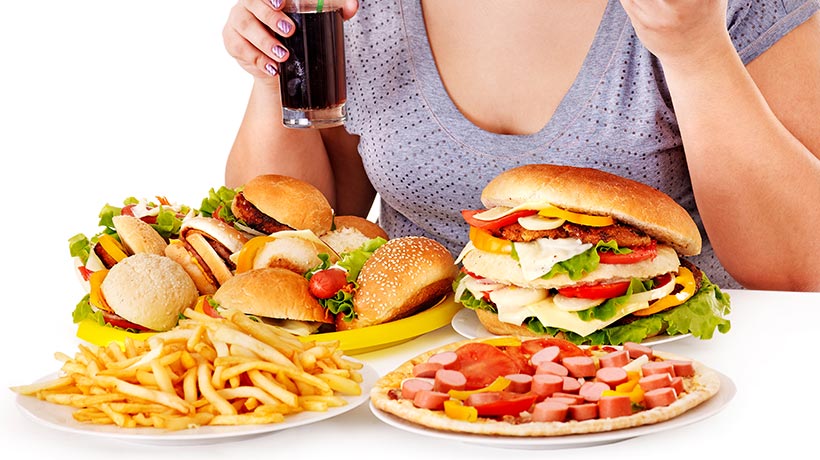
Are junk food and fizzy drinks really to blame for obesity?

Whilst junk food and fizzy drinks have often been portrayed as the villains in the fight against obesity, they may not be the leading causes of obesity according to a new study published in Obesity Science & Practice. Researchers reviewed a nationally (according to the USA) representative group of adults and found that consumption of fast food, fizzy drinks and sweets was not linked to BMI for 95% of the population. The study used data from the Centers for Disease Control’s National Health and Nutrition Examination Survey for 2007-08, which contained over 5,000 participants. They looked at anthropometric body measurements, including height and weight, and then combined these findings with questionnaires about diet. There was no significant difference in consumption of these foods between overweight and normal weight individuals. However they did not take into account differences between those with increased waist circumferences and normal weights

These findings led the team to believe that, whilst it is not recommended to over-indulge in these foods, they are not the overwhelming contributors to obesity. Dr David Just, a co-author for the study, suggested that campaigns that demonise certain foods may not be doing as much good as we’d thought, and it is behaviours and overall diet that need to be targeted in order to effectively curb obesity.


Read more

PREV
NEXT

Related Posts

September 15, 2016
Diabetes treatment occurs 15 times more than obesity management.
Read More
October 18, 2015
Focus on nutritional value, not calorific content
Read More
Hourglass and time
March 7, 2023
Excess weight, obesity more deadly than previously believed
Read More
Father carrying child on his shoulder.
February 26, 2026
Parental Weight Before Pregnancy Linked to Higher Risk of Fatty Liver Disease in Adult Offspring, UK Study Finds
Read More

CCH LINKS

FAQ
HOW TO APPLY
ACADEMIC ADVISORY BOARD
FACULTY AND STAFF
TERMS & CONDITIONS
CCH EDUCATION SERVICES

OUR PARTNERS

NOF
Haringey Obesity Alliance
Skills Active
CPD UK
ASO
REPS
Southwark
DIT
Healthcare Uk
OAC

ABOUT CCH

CONTACT US
[email protected]
+44 (0)20 3773 4895
Technopark, 90 London Road, LONDON, SE1 6LN
 

© The College of Contemporary Health