[email protected]

+44 (0)20 3773 4895

logologologo
  • About Us
    • The College
    • Advisory Board
    • Our Faculty and Team
    • Intelligence Hub
  • Topic Areas
    • Obesity Care
    • Digital Health
    • Behaviour Change
  • Courses
    • CPD Short Courses
    • PGCert in Obesity Care
    • PGCert in Digital Health
  • Apply
    • Postgraduate Qualification in Obesity Care
    • Postgraduate Qualification in Digital Health
    • FAQs
  • Resources
    • News
    • Our Publications
    • Monthly News Bulletins
    • Funding Options
  • Contact Us
    • Contact Us
  • Student Login

No products in the cart.

logologologo
  • About Us
    • The College
    • Advisory Board
    • Our Faculty and Team
    • Intelligence Hub
  • Topic Areas
    • Obesity Care
    • Digital Health
    • Behaviour Change
  • Courses
    • CPD Short Courses
    • PGCert in Obesity Care
    • PGCert in Digital Health
  • Apply
    • Postgraduate Qualification in Obesity Care
    • Postgraduate Qualification in Digital Health
    • FAQs
  • Resources
    • News
    • Our Publications
    • Monthly News Bulletins
    • Funding Options
  • Contact Us
    • Contact Us
  • Student Login

No products in the cart.

  • About Us
    • The College
    • Advisory Board
    • Our Faculty and Team
    • Intelligence Hub
  • Topic Areas
    • Obesity Care
    • Digital Health
    • Behaviour Change
  • Courses
    • CPD Short Courses
    • PGCert in Obesity Care
    • PGCert in Digital Health
  • Apply
    • Postgraduate Qualification in Obesity Care
    • Postgraduate Qualification in Digital Health
    • FAQs
  • Resources
    • News
    • Our Publications
    • Monthly News Bulletins
    • Funding Options
  • Contact Us
    • Contact Us
  • Student Login
December 9, 2015 by Nigel Hinchliffe Obesity Care 0 comments

Bariatric surgery alters your food cravings

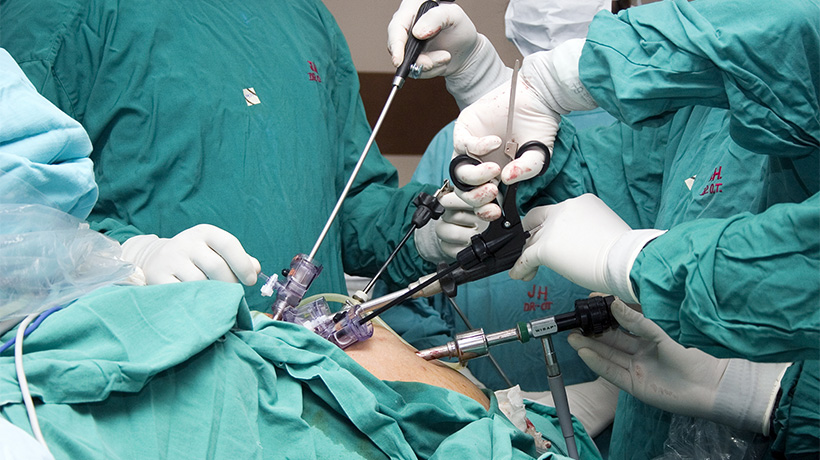
A new study claims that weight loss surgery can alter the reward pathways in your brain and therefore limit your sugar intake. Patients often report a change in food preferences after they undergo bariatric surgery, but clinicians have never really been sure why. The researchers aimed to build on prior knowledge that dopamine release can drive sugar cravings, whilst nutrient sensing in particular segments of the gut stimulates dopamine release. The researchers found that gastric bypass surgery in mice, the equivalent of the Roux-en-Y bypass in humans, resulted in less sugar-seeking behaviour by reducing the release of dopamine, which is heavily involved in reward systems.

The study suggests novel interventions that are less invasive and just focus on drugs that can reduce sugar cravings by targeting this pathway. More research needs to be conducted in order to find out if these effects are reproducible in other bypass surgery techniques. Furthermore, the results can create the basis of comparisons between different types of bariatric surgeries and how they each affect a patient’s behaviour.

Read more

PREV
NEXT

Related Posts

March 31, 2016
Children with a high BMI more likely to have pedestrian injuries
Read More
X-ray film with doctor's hand.
September 5, 2025
Large-scale study finds children with obesity face markedly higher risk of limb fractures
Read More
August 19, 2016
Bariatric surgery increasing the risk of fracture
Read More
A girl eating grapes on the couch.
January 13, 2025
Childhood obesity and poor heart health linked to increased dementia risk later in life
Read More

CCH LINKS

FAQ
HOW TO APPLY
ACADEMIC ADVISORY BOARD
FACULTY AND STAFF
TERMS & CONDITIONS
CCH EDUCATION SERVICES

OUR PARTNERS

NOF
Haringey Obesity Alliance
Skills Active
CPD UK
ASO
REPS
Southwark
DIT
Healthcare Uk
OAC

ABOUT CCH

CONTACT US
[email protected]
+44 (0)20 3773 4895
Technopark, 90 London Road, LONDON, SE1 6LN
 

© The College of Contemporary Health