[email protected]

+44 (0)20 3773 4895

logologologo
  • About Us
    • The College
    • Advisory Board
    • Our Faculty and Team
    • Intelligence Hub
  • Topic Areas
    • Obesity Care
    • Digital Health
    • Behaviour Change
  • Courses
    • CPD Short Courses
    • PGCert in Obesity Care
    • PGCert in Digital Health
  • Apply
    • Postgraduate Qualification in Obesity Care
    • Postgraduate Qualification in Digital Health
    • FAQs
  • Resources
    • News
    • Our Publications
    • Monthly News Bulletins
    • Funding Options
  • Contact Us
    • Contact Us
  • Student Login

No products in the cart.

logologologo
  • About Us
    • The College
    • Advisory Board
    • Our Faculty and Team
    • Intelligence Hub
  • Topic Areas
    • Obesity Care
    • Digital Health
    • Behaviour Change
  • Courses
    • CPD Short Courses
    • PGCert in Obesity Care
    • PGCert in Digital Health
  • Apply
    • Postgraduate Qualification in Obesity Care
    • Postgraduate Qualification in Digital Health
    • FAQs
  • Resources
    • News
    • Our Publications
    • Monthly News Bulletins
    • Funding Options
  • Contact Us
    • Contact Us
  • Student Login

No products in the cart.

  • About Us
    • The College
    • Advisory Board
    • Our Faculty and Team
    • Intelligence Hub
  • Topic Areas
    • Obesity Care
    • Digital Health
    • Behaviour Change
  • Courses
    • CPD Short Courses
    • PGCert in Obesity Care
    • PGCert in Digital Health
  • Apply
    • Postgraduate Qualification in Obesity Care
    • Postgraduate Qualification in Digital Health
    • FAQs
  • Resources
    • News
    • Our Publications
    • Monthly News Bulletins
    • Funding Options
  • Contact Us
    • Contact Us
  • Student Login
August 19, 2016 by Nigel Hinchliffe Obesity Care 0 comments

Bariatric surgery increasing the risk of fracture

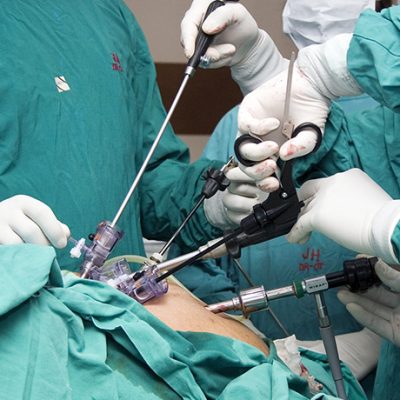
Patients undergoing weight loss surgery are more likely to suffer from fractures both before and after surgery compared to their obese and non-obese counterparts who don’t need surgery. This is the conclusion from a large study from Canada that has been published in the BMJ. The study included over 177,000 participants who were categorised into ‘weight-loss group’, ‘obese’, and ‘non-obese’. Both before and after the surgery the weight loss group suffered more fractures.

The authors speculate that the increased risks are due to falls, and obesity related comorbidities, as well as anatomical nutritional changes. Many of these changes aren’t very well understood and they explain that more needs to be done to investigate the full effects of weight loss on bone physiology. They also highlight that as this is an observational study, no definite conclusions can be drawn from the results about cause and effect. They do however go on to call for more research on management strategies to counter the supposed effects of weight loss surgery that have been highlighted in this study.

PREV
NEXT

Related Posts

November 11, 2015
Has sugar been proven to be toxic?
Read More
February 17, 2017
Couples with obesity take longer to conceive
Read More
December 29, 2015
Obesity can lead to metastases in cancer patients
Read More
April 18, 2017
Preventing childhood obesity before conception
Read More

CCH LINKS

FAQ
HOW TO APPLY
ACADEMIC ADVISORY BOARD
FACULTY AND STAFF
TERMS & CONDITIONS
CCH EDUCATION SERVICES

OUR PARTNERS

NOF
Haringey Obesity Alliance
Skills Active
CPD UK
ASO
REPS
Southwark
DIT
Healthcare Uk
OAC

ABOUT CCH

CONTACT US
[email protected]
+44 (0)20 3773 4895
Technopark, 90 London Road, LONDON, SE1 6LN
 

© The College of Contemporary Health