[email protected]

+44 (0)20 3773 4895

logologologo
  • About Us
    • The College
    • Advisory Board
    • Our Faculty and Team
    • Intelligence Hub
  • Topic Areas
    • Obesity Care
    • Digital Health
    • Behaviour Change
  • Courses
    • CPD Short Courses
    • PGCert in Obesity Care
    • PGCert in Digital Health
  • Apply
    • Postgraduate Qualification in Obesity Care
    • Postgraduate Qualification in Digital Health
    • FAQs
  • Resources
    • News
    • Our Publications
    • Monthly News Bulletins
    • Funding Options
  • Contact Us
    • Contact Us
  • Student Login

No products in the cart.

logologologo
  • About Us
    • The College
    • Advisory Board
    • Our Faculty and Team
    • Intelligence Hub
  • Topic Areas
    • Obesity Care
    • Digital Health
    • Behaviour Change
  • Courses
    • CPD Short Courses
    • PGCert in Obesity Care
    • PGCert in Digital Health
  • Apply
    • Postgraduate Qualification in Obesity Care
    • Postgraduate Qualification in Digital Health
    • FAQs
  • Resources
    • News
    • Our Publications
    • Monthly News Bulletins
    • Funding Options
  • Contact Us
    • Contact Us
  • Student Login

No products in the cart.

  • About Us
    • The College
    • Advisory Board
    • Our Faculty and Team
    • Intelligence Hub
  • Topic Areas
    • Obesity Care
    • Digital Health
    • Behaviour Change
  • Courses
    • CPD Short Courses
    • PGCert in Obesity Care
    • PGCert in Digital Health
  • Apply
    • Postgraduate Qualification in Obesity Care
    • Postgraduate Qualification in Digital Health
    • FAQs
  • Resources
    • News
    • Our Publications
    • Monthly News Bulletins
    • Funding Options
  • Contact Us
    • Contact Us
  • Student Login
August 2, 2017 by Nigel Hinchliffe Obesity Care 0 comments

Being large at birth correlates to childhood obesity

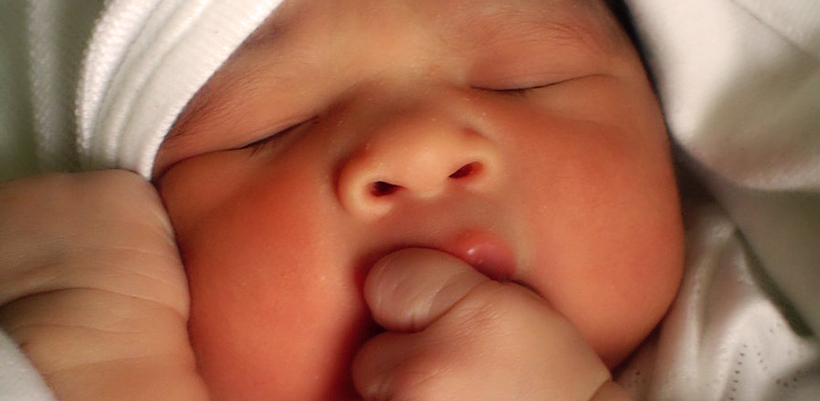
A new study, from the University of Virginia School of Medicine, has suggested that infants with a high birthweight are more likely to become obese children. The study itself examined the data of 10,186 children born both prematurely and at term. The findings were consistent for both sets of children. It was found that children born with a high birthweight (described as >10lb) were 69% more likely than average weight children to be obese by age four and by age six, 23.1% of high birthweight children were obese, whilst only 14.2% of average birthweight children were.

The study found the relationships consistent despite adjusting for factors such as socioeconomic status. The researchers are calling for doctors to counsel parents of high birthweight children, so that the development of obesity in later life can be prevented. It is also hoped that even if doctors do not counsel their patients, new parents will alter their lifestyle habits to help their children avoid future weight and health problems.


PREV
NEXT

Related Posts

Fresh mixed vegetables salad
March 20, 2024
Very low calorie diets safe for teens with obesity when monitored by a dietitian, study finds
Read More
Obesity and sleep health
March 6, 2023
A good night’s sleep may make it easier to stick to exercise and diet goals, study finds
Read More
Portrait of happy older man in a park with exercise equipment.
October 10, 2025
Exercise Shown to Reduce Artery Hardening After Weight Loss in Adults With Obesity
Read More
Abdomen balance.
December 13, 2023
US study uncovers key gut metabolite’s role in combating obesity
Read More

CCH LINKS

FAQ
HOW TO APPLY
ACADEMIC ADVISORY BOARD
FACULTY AND STAFF
TERMS & CONDITIONS
CCH EDUCATION SERVICES

OUR PARTNERS

NOF
Haringey Obesity Alliance
Skills Active
CPD UK
ASO
REPS
Southwark
DIT
Healthcare Uk
OAC

ABOUT CCH

CONTACT US
[email protected]
+44 (0)20 3773 4895
Technopark, 90 London Road, LONDON, SE1 6LN
 

© The College of Contemporary Health