[email protected]

+44 (0)20 3773 4895

logologologo
  • About Us
    • The College
    • Advisory Board
    • Our Faculty and Team
    • Intelligence Hub
  • Topic Areas
    • Obesity Care
    • Digital Health
    • Behaviour Change
  • Courses
    • CPD Short Courses
    • PGCert in Obesity Care
    • PGCert in Digital Health
  • Apply
    • Postgraduate Qualification in Obesity Care
    • Postgraduate Qualification in Digital Health
    • FAQs
  • Resources
    • News
    • Our Publications
    • Monthly News Bulletins
    • Funding Options
  • Contact Us
    • Contact Us
  • Student Login

No products in the cart.

logologologo
  • About Us
    • The College
    • Advisory Board
    • Our Faculty and Team
    • Intelligence Hub
  • Topic Areas
    • Obesity Care
    • Digital Health
    • Behaviour Change
  • Courses
    • CPD Short Courses
    • PGCert in Obesity Care
    • PGCert in Digital Health
  • Apply
    • Postgraduate Qualification in Obesity Care
    • Postgraduate Qualification in Digital Health
    • FAQs
  • Resources
    • News
    • Our Publications
    • Monthly News Bulletins
    • Funding Options
  • Contact Us
    • Contact Us
  • Student Login

No products in the cart.

  • About Us
    • The College
    • Advisory Board
    • Our Faculty and Team
    • Intelligence Hub
  • Topic Areas
    • Obesity Care
    • Digital Health
    • Behaviour Change
  • Courses
    • CPD Short Courses
    • PGCert in Obesity Care
    • PGCert in Digital Health
  • Apply
    • Postgraduate Qualification in Obesity Care
    • Postgraduate Qualification in Digital Health
    • FAQs
  • Resources
    • News
    • Our Publications
    • Monthly News Bulletins
    • Funding Options
  • Contact Us
    • Contact Us
  • Student Login
December 29, 2015 by Nigel Hinchliffe Obesity Care 0 comments

Increased risk for poorer children

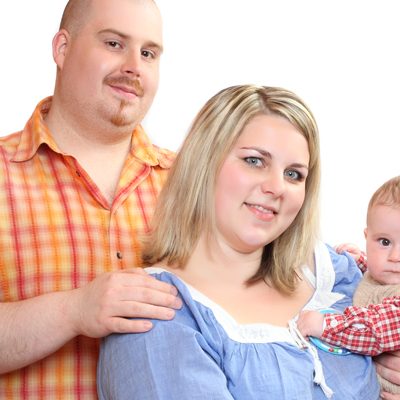
A new study conducted across the UK has questioned why poorer children are more at risk of obesity than their richer peers. The researchers used data from almost 20,000 families that have taken part in the Millennium Cohort Study (MCS) which tracks measurements taken from children at 5 years old and 11 years old. They found that children in the bottom income quintile were nearly 3 times as likely to develop obesity as those in the top income quintile.

The researchers took into account many different factors including the children’s environment (including parental behaviours) and health behaviours. They also assessed the amount of physical activity that the children were undertaking and what their dietary habits were. They found that interventions, particularly behavioural mediation, amongst richer children were started earlier on in life, whilst poorer families received less support in dietary and physical activity advice. They also stressed the importance of reducing the income inequalities in overweight and obesity by widening access to childhood support and early interventions.


Read more

PREV
NEXT

Related Posts

People celebrating with beers.
April 23, 2026
Dual Burden of Alcohol Use and Obesity Linked to Rising Liver Disease Risk
Read More
Elderly woman with grey hair holding a yoga mat.
November 25, 2024
Study finds physical activity boosts brain health and cuts dementia risk
Read More
Woman with overweight jogging.
October 22, 2024
Surge in endometrial cancer among younger women linked to rising obesity rates
Read More
The English Coast.
February 2, 2023
Higher obesity levels linked to lower productivity in England, research shows
Read More

CCH LINKS

FAQ
HOW TO APPLY
ACADEMIC ADVISORY BOARD
FACULTY AND STAFF
TERMS & CONDITIONS
CCH EDUCATION SERVICES

OUR PARTNERS

NOF
Haringey Obesity Alliance
Skills Active
CPD UK
ASO
REPS
Southwark
DIT
Healthcare Uk
OAC

ABOUT CCH

CONTACT US
[email protected]
+44 (0)20 3773 4895
Technopark, 90 London Road, LONDON, SE1 6LN
 

© The College of Contemporary Health