[email protected]

+44 (0)20 3773 4895

logologologo
  • About Us
    • The College
    • Advisory Board
    • Our Faculty and Team
    • Intelligence Hub
  • Topic Areas
    • Obesity Care
    • Digital Health
    • Behaviour Change
  • Courses
    • CPD Short Courses
    • PGCert in Obesity Care
    • PGCert in Digital Health
  • Apply
    • Postgraduate Qualification in Obesity Care
    • Postgraduate Qualification in Digital Health
    • FAQs
  • Resources
    • News
    • Our Publications
    • Monthly News Bulletins
    • Funding Options
  • Contact Us
    • Contact Us
  • Student Login

No products in the cart.

logologologo
  • About Us
    • The College
    • Advisory Board
    • Our Faculty and Team
    • Intelligence Hub
  • Topic Areas
    • Obesity Care
    • Digital Health
    • Behaviour Change
  • Courses
    • CPD Short Courses
    • PGCert in Obesity Care
    • PGCert in Digital Health
  • Apply
    • Postgraduate Qualification in Obesity Care
    • Postgraduate Qualification in Digital Health
    • FAQs
  • Resources
    • News
    • Our Publications
    • Monthly News Bulletins
    • Funding Options
  • Contact Us
    • Contact Us
  • Student Login

No products in the cart.

  • About Us
    • The College
    • Advisory Board
    • Our Faculty and Team
    • Intelligence Hub
  • Topic Areas
    • Obesity Care
    • Digital Health
    • Behaviour Change
  • Courses
    • CPD Short Courses
    • PGCert in Obesity Care
    • PGCert in Digital Health
  • Apply
    • Postgraduate Qualification in Obesity Care
    • Postgraduate Qualification in Digital Health
    • FAQs
  • Resources
    • News
    • Our Publications
    • Monthly News Bulletins
    • Funding Options
  • Contact Us
    • Contact Us
  • Student Login
December 29, 2015 by Nigel Hinchliffe Obesity Care 0 comments

Obesity can lead to metastases in cancer patients

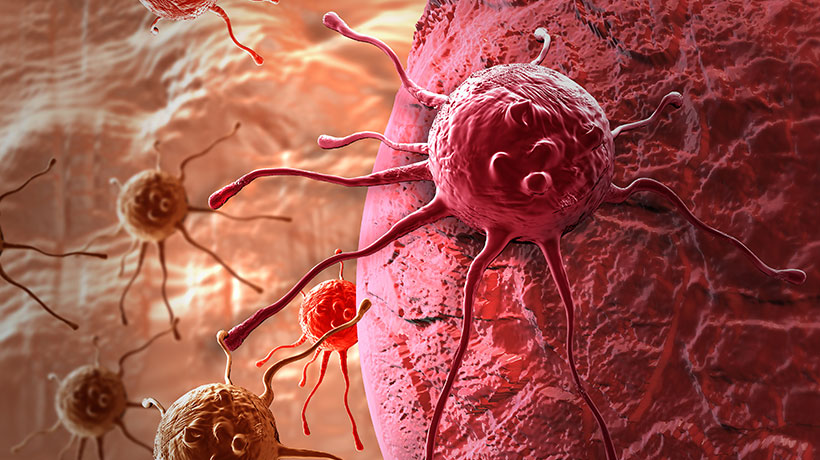
A high BMI is associated with a lower survival rate amongst ovarian cancer patients. Researchers in France have found that tumour cells in obese women were more successful at metastising than in those who were leaner. The researchers used mouse models to evaluate tumour cell adhesion to the abdominal cavity and also cell division. They found that lipid-loading the areas around the tumour cells, and also feeding the mice high-fat diets, increased the ability of more cells to develop and subsequently break away and form adhesions to other tissues in the body. These two steps are key in the formation of ovarian cancer metastases.

There is hope that further research into this area may provide dietary interventions to slow, or possibly halt, metastases in ovarian cancer. However, the researchers have admitted that they are still in the very early stages of study for these complicated areas. They also suggest that more research is undertaken in specific mechanisms by which obesity impacts the formation of metastases.


Read more

PREV
NEXT

Related Posts

March 3, 2016
Consumption of fish during pregnancy linked with childhood obesity
Read More
January 19, 2016
Humans have evolved to eat more over winter
Read More
March 14, 2017
Long-term stress linked to higher risk of obesity
Read More
Typical fast food on a table
May 15, 2023
High obesity-related cancer mortality linked to easy access to fast food
Read More

CCH LINKS

FAQ
HOW TO APPLY
ACADEMIC ADVISORY BOARD
FACULTY AND STAFF
TERMS & CONDITIONS
CCH EDUCATION SERVICES

OUR PARTNERS

NOF
Haringey Obesity Alliance
Skills Active
CPD UK
ASO
REPS
Southwark
DIT
Healthcare Uk
OAC

ABOUT CCH

CONTACT US
[email protected]
+44 (0)20 3773 4895
Technopark, 90 London Road, LONDON, SE1 6LN
 

© The College of Contemporary Health