[email protected]

+44 (0)20 3773 4895

logologologo
  • About Us
    • The College
    • Advisory Board
    • Our Faculty and Team
    • Intelligence Hub
  • Topic Areas
    • Obesity Care
    • Digital Health
    • Behaviour Change
  • Courses
    • CPD Short Courses
    • PGCert in Obesity Care
    • PGCert in Digital Health
  • Apply
    • Postgraduate Qualification in Obesity Care
    • Postgraduate Qualification in Digital Health
    • FAQs
  • Resources
    • News
    • Our Publications
    • Monthly News Bulletins
    • Funding Options
  • Contact Us
    • Contact Us
  • Student Login

No products in the cart.

logologologo
  • About Us
    • The College
    • Advisory Board
    • Our Faculty and Team
    • Intelligence Hub
  • Topic Areas
    • Obesity Care
    • Digital Health
    • Behaviour Change
  • Courses
    • CPD Short Courses
    • PGCert in Obesity Care
    • PGCert in Digital Health
  • Apply
    • Postgraduate Qualification in Obesity Care
    • Postgraduate Qualification in Digital Health
    • FAQs
  • Resources
    • News
    • Our Publications
    • Monthly News Bulletins
    • Funding Options
  • Contact Us
    • Contact Us
  • Student Login

No products in the cart.

  • About Us
    • The College
    • Advisory Board
    • Our Faculty and Team
    • Intelligence Hub
  • Topic Areas
    • Obesity Care
    • Digital Health
    • Behaviour Change
  • Courses
    • CPD Short Courses
    • PGCert in Obesity Care
    • PGCert in Digital Health
  • Apply
    • Postgraduate Qualification in Obesity Care
    • Postgraduate Qualification in Digital Health
    • FAQs
  • Resources
    • News
    • Our Publications
    • Monthly News Bulletins
    • Funding Options
  • Contact Us
    • Contact Us
  • Student Login
October 30, 2015 by Nigel Hinchliffe Obesity Care 0 comments

Mothers find it difficult to admit that their children are obese

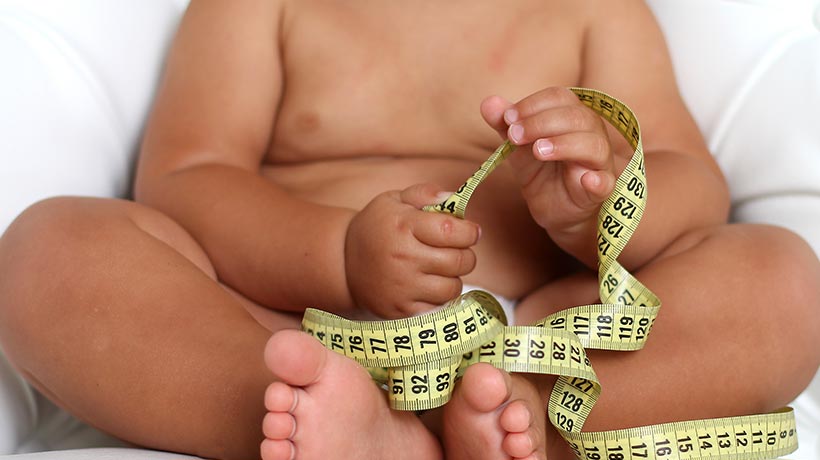
Admitting that they themselves are obese is easier for a mother than admitting their child is. This comes after a study conducted in Ireland found that mothers were more honest and accurate about their own height and weight, but only 17% of mothers of obese children could admit that their child was overweight. This means that they are less likely to seek help and intervene due to their child’s weight, increasing the chances of the child gaining more weight, and eventually tracking this into adulthood.

The effect is more apparent in the cases of overweight daughters, where mothers are far less likely to admit that their daughters were obese than their sons. Identifying the problem is the first step to solving it, and by not recognising their children’s problems some mothers may be subconsciously putting their children at increased health risks. The researchers suggested that the problem may arise due to the fact that mothers are not objectively measuring their children, but could be comparing them to their peers. Furthermore, if a mother does identify her child as overweight, she may feel that she needs to intervene and upset the child, and therefore avoids this. In summary, the study called for more open and honest discussions between health professionals, parents and children in order to maintain healthy weight in the young.


Read more

PREV
NEXT

Related Posts

Portrait of young woman with overweight lifting dumbbells and working out in a gym.
November 10, 2025
Weight Training Outperforms Running in Blood Sugar Control, Virginia Tech Mice Study Shows
Read More
January 4, 2017
Does good-tasting food directly cause weight gain?
Read More
September 20, 2018
Selective enzyme inhibitor reveals a novel role in fat metabolism
Read More
January 18, 2017
Eating routinely may help shed fat
Read More

CCH LINKS

FAQ
HOW TO APPLY
ACADEMIC ADVISORY BOARD
FACULTY AND STAFF
TERMS & CONDITIONS
CCH EDUCATION SERVICES

OUR PARTNERS

NOF
Haringey Obesity Alliance
Skills Active
CPD UK
ASO
REPS
Southwark
DIT
Healthcare Uk
OAC

ABOUT CCH

CONTACT US
[email protected]
+44 (0)20 3773 4895
Technopark, 90 London Road, LONDON, SE1 6LN
 

© The College of Contemporary Health