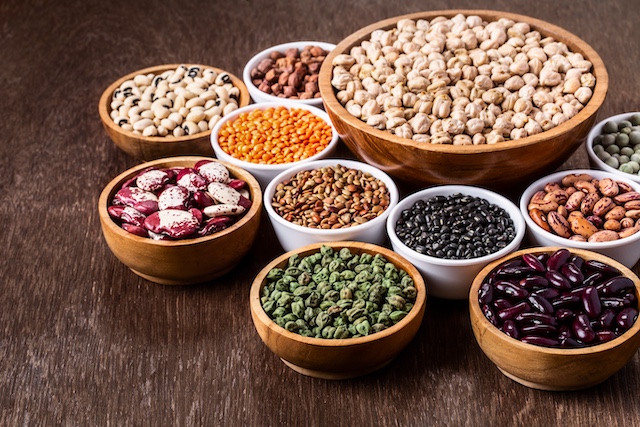
Nutritional studies highlight pulses as key to lowering diabetes and cholesterol risks
Research consistently highlights pulses—such as beans, peas, lentils, and chickpeas—as crucial allies in the fight against diabetes and elevated cholesterol levels. This insight comes at a critical time, as projections from a study published in The Lancet last year forecast that diabetes could affect over 1.31 billion people globally by 2050. Concurrently, elevated cholesterol levels remain a significant health issue, with nearly half of adults in the UK exceeding national guidelines.
A detailed review in the journal Nutrients has shown that regular consumption of pulses can significantly improve these concerning health trends. The review meticulously examined thirty studies that looked at various types of pulses, including lentils, chickpeas, and several common beans like pinto, black, and kidney beans. The studies covered a wide array of health outcomes, from lipid profiles and blood pressure to risks of cardiovascular diseases and diabetes management.
The findings from these studies are telling. They specifically note improvements in low-density lipoprotein (LDL) and high-density lipoprotein (HDL) cholesterol, systolic and diastolic blood pressure, fasting blood sugar, haemoglobin A1c levels, waist circumference, and markers of inflammation and sensitivity such as C-reactive protein. These outcomes particularly underscore the potential of pulses to enhance lipid profiles and manage blood pressure.
The review emphasised that interventional studies, which typically have larger sample sizes and provide robust data, consistently confirm the health benefits of pulses. These studies often involved dietary adjustments where pulses replaced red meat or were added to diets as fixed servings. The results repeatedly demonstrated improvements in dietary quality and beneficial health outcomes.
Pulses’ potential to prevent heart disease is particularly noteworthy, largely due to their ability to lower total and LDL cholesterol levels. The authors of the review highlight that pulses are low in fat and rich in healthy mono- and polyunsaturated fats, essential micronutrients, and bioactive compounds with antioxidant properties, making them a true “nutritional powerhouse.”
Longitudinal studies also link higher pulse consumption with reduced risks of developing type 2 diabetes. This association is bolstered by interventional studies that document notable improvements in fasting glucose levels and insulin sensitivity with increased pulse intake. Consequently, pulses are not only pivotal in preventing diabetes but also in managing blood glucose levels effectively.
Tim McGreevy, CEO of USA Pulses, commented on the research, stating, “This research accentuates the fact that pulses are beneficial for health in so many ways, underscoring dietary guidelines that endorse plant-based eating patterns,” even though he was not directly involved in the study.
Additionally, awareness about type 2 diabetes is critical as many individuals may be unknowingly afflicted. Symptoms to watch for include increased urination, persistent thirst, excessive tiredness, unexplained weight loss, genital itching or recurrent thrush, delayed healing of wounds, and blurred vision. Recognising these signs can prompt earlier intervention and management of the condition, further reducing long-term health risks.