[email protected]

+44 (0)20 3773 4895

logologologo
  • About Us
    • The College
    • Advisory Board
    • Our Faculty and Team
    • Intelligence Hub
  • Topic Areas
    • Obesity Care
    • Digital Health
    • Behaviour Change
  • Courses
    • CPD Short Courses
    • PGCert in Obesity Care
    • PGCert in Digital Health
  • Apply
    • Postgraduate Qualification in Obesity Care
    • Postgraduate Qualification in Digital Health
    • FAQs
  • Resources
    • News
    • Our Publications
    • Monthly News Bulletins
    • Funding Options
  • Contact Us
    • Contact Us
  • Student Login

No products in the cart.

logologologo
  • About Us
    • The College
    • Advisory Board
    • Our Faculty and Team
    • Intelligence Hub
  • Topic Areas
    • Obesity Care
    • Digital Health
    • Behaviour Change
  • Courses
    • CPD Short Courses
    • PGCert in Obesity Care
    • PGCert in Digital Health
  • Apply
    • Postgraduate Qualification in Obesity Care
    • Postgraduate Qualification in Digital Health
    • FAQs
  • Resources
    • News
    • Our Publications
    • Monthly News Bulletins
    • Funding Options
  • Contact Us
    • Contact Us
  • Student Login

No products in the cart.

  • About Us
    • The College
    • Advisory Board
    • Our Faculty and Team
    • Intelligence Hub
  • Topic Areas
    • Obesity Care
    • Digital Health
    • Behaviour Change
  • Courses
    • CPD Short Courses
    • PGCert in Obesity Care
    • PGCert in Digital Health
  • Apply
    • Postgraduate Qualification in Obesity Care
    • Postgraduate Qualification in Digital Health
    • FAQs
  • Resources
    • News
    • Our Publications
    • Monthly News Bulletins
    • Funding Options
  • Contact Us
    • Contact Us
  • Student Login
July 22, 2016 by Nigel Hinchliffe Obesity Care 0 comments

Weight loss interventions do not result in higher fertility

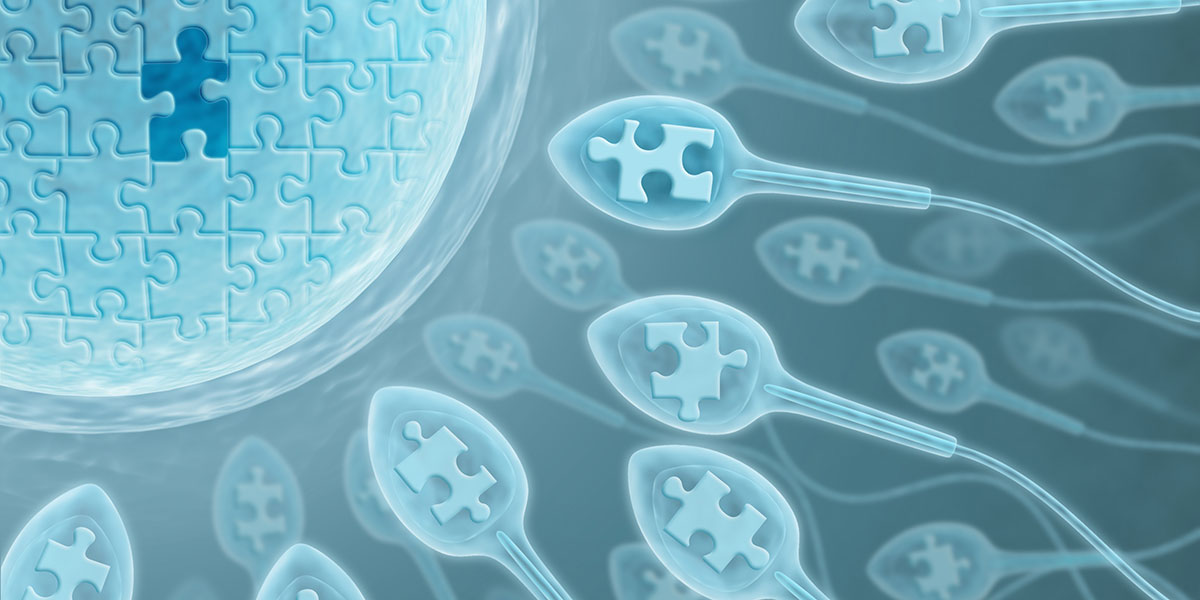
A randomised controlled study has taken place in the Netherlands and has found that weight loss interventions preceding fertility treatment did not result in higher birth rates. The study included 577 women, who were split into two groups, one who received lifestyle intervention advice, and one that did not. Weight loss was found to be higher in the intervention group, however, birth rates were comparable. A further analysis did however find that the rate of ongoing pregnancies following natural conception was higher in the intervention group than the control.

Obese women may suffer from anovulation, where they do not release an ovum to be fertilised monthly. This study has shown that whilst a lifestyle intervention may be able to treat anovulation, the rates of healthy live births are not affected.


PREV
NEXT

Related Posts

Simple small patio with small garden near wooden fence
June 27, 2024
Findings suggest exposure to greenspace Is linked to lower risk of obesity-related cancer
Read More
Olive oil pouring from bottle to bowl, close up.
June 3, 2024
High olive oil consumption linked to reduced risk of dementia-related mortality
Read More
October 30, 2015
Can weight loss surgery be a cure for diabetes?
Read More
Glowing nerve cells
June 22, 2023
Obesity alters brain function, hindering weight loss maintenance, study finds
Read More

CCH LINKS

FAQ
HOW TO APPLY
ACADEMIC ADVISORY BOARD
FACULTY AND STAFF
TERMS & CONDITIONS
CCH EDUCATION SERVICES

OUR PARTNERS

NOF
Haringey Obesity Alliance
Skills Active
CPD UK
ASO
REPS
Southwark
DIT
Healthcare Uk
OAC

ABOUT CCH

CONTACT US
[email protected]
+44 (0)20 3773 4895
Technopark, 90 London Road, LONDON, SE1 6LN
 

© The College of Contemporary Health