
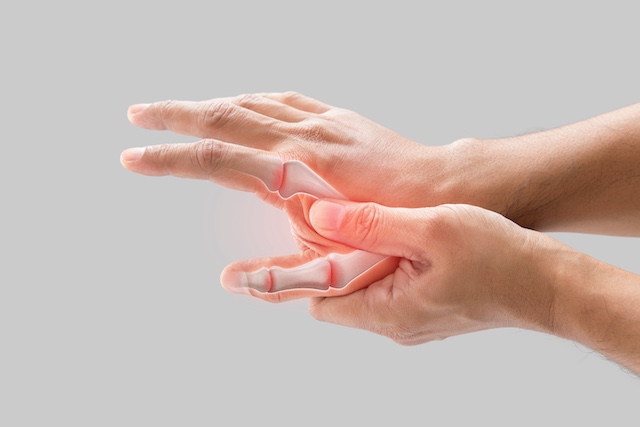
AI-Supported Digital Care Improves Rheumatoid Arthritis Outcomes After Hospital Discharge
Key Takeaways:
- A nurse-led, AI-assisted digital platform reduced disease activity and improved physical function more than routine care over six months.
- People using the platform showed higher medication adherence and markedly greater satisfaction with their care.
- Real-time monitoring enabled earlier detection of problems and more personalised support between clinic visits.
The challenge of care after discharge
Rheumatoid arthritis is a long-term autoimmune condition that causes joint pain, swelling and a progressive loss of function. Managing it well once people leave hospital is often difficult, because symptoms can fluctuate and regular follow-up is not always easy to arrange. A recent real-world study set out to test whether an artificial intelligence (AI)-assisted digital care platform could improve outcomes for people living with the condition after discharge.
How the study was designed
The study, published in JMIR Medical Informatics and conducted by Ziyun Zhang, PhD, and colleagues at Tongji Hospital, followed 341 people with rheumatoid arthritis over a six-month period in a real clinical setting.
Participants were divided into two groups. One group received standard post-discharge care, while the other used a nurse-led digital management platform supported by AI. The platform allowed people to report symptoms, fatigue, medication use, laboratory results and emotional wellbeing through a smartphone app. This information was stored securely and analysed in real time. When the system detected concerning changes, healthcare staff were alerted so that they could respond quickly. Nurses and health coaches also provided ongoing education and personalised support.
The researchers focused on how disease activity, physical function, medication adherence and satisfaction changed over time, using standard clinical tools to measure disease severity and disability.
What the platform achieved
After six months, both groups showed some improvement, but the differences between them were notable. People using the AI-supported platform experienced a greater reduction in disease activity scores, meaning their arthritis was better controlled. They also showed significant improvements in physical function compared with those receiving routine care alone.
Medication adherence was higher in the digital care group, with more people taking their medicines as prescribed. Satisfaction levels were significantly higher too, with a large majority of those using the platform reporting that they were very satisfied with their care experience, compared with the standard care group.
What it means for long-term management
The authors conclude that the combination of AI monitoring, nurse-led support and continuous digital engagement helped to improve both clinical outcomes and the experience of care. The system made it easier to detect problems early, encourage medication use and provide more personalised care between clinic visits.
Overall, the study suggests that digital health platforms could play an important role in improving the long-term management of rheumatoid arthritis, particularly by keeping people more closely connected to their care teams after they leave hospital.
Read More
Digital Health Tools Show Early Promise for Infant Feeding and Sleep, UMass Chan Research Finds
Key Takeaways:
- Families who completed three or more visits with the virtual feeding service SimpliFed provided breast milk for nearly 16 weeks longer than those who did not use it.
- Infants whose parents engaged most actively with the AI-powered sleep app Huckleberry slept around 90 minutes longer during their longest overnight stretch.
- Lower uptake among Spanish-speaking and publicly insured families underlines the need to make digital health support equitable rather than exclusionary.
Studying whether technology can support new parents
Researchers at UMass Chan Medical School are investigating whether digital tools for infant feeding, sleep and other early parenting challenges can improve health outcomes and widen access to support for families.
Among them is Nisha Fahey, DO, MSc’21, assistant professor of pediatrics and principal investigator on research examining how digital health interventions can support families during the critical first year of a child’s life. Dr Fahey has led two pilot studies evaluating virtual lactation support and an artificial intelligence–powered infant sleep application, carried out in collaboration with the Department of Medicine’s Program in Digital Medicine. That programme is led by Apurv Soni, MD, PhD’21, assistant professor of medicine and the programme’s co-director, who serves as multiprincipal investigator on the work.
As a paediatrician, Dr Fahey hears the same questions from new parents every day: Is my baby feeding enough? Are they sleeping enough? And where can I turn for help when I need it?
“These technologies already exist. Families are accessing them and using them,” said Fahey. “As researchers and healthcare providers, it’s our responsibility to understand their impact and think about how they can be integrated into healthcare in a way that is equitable and reaches all families.”
Virtual feeding support and longer breastfeeding
The first study examined SimpliFed, a virtual infant-feeding support platform that gives families on-demand access to certified lactation consultants and feeding specialists. Researchers enrolled 200 pregnant and postpartum individuals through UMass Memorial Health’s obstetrics clinics and followed them through the first year of their infant’s life.
The study assessed infant growth and development, maternal mental health, healthcare utilisation and feeding practices. Researchers found that participants who completed three or more visits with SimpliFed provided breast milk for nearly 16 weeks longer than participants who did not use the service.
The findings also drew attention to important equity considerations. Uptake was lower among Spanish-speaking families and among publicly insured participants, underscoring the need to ensure that digital health interventions reach populations that have historically faced barriers to care.
“If health systems are going to deploy these tools broadly, we need to pay special attention to making sure all patients and families can access them,” Fahey said. “The goal is to close gaps in care, not widen them.”
An AI sleep app and longer overnight rest
A second pilot study evaluated Huckleberry, a mobile app that allows parents to track infant sleep and uses artificial intelligence to predict optimal nap and bedtime schedules. This study was funded by an NIH grant focused on point-of-care technologies for heart, lung, blood and sleep disorders.
The study enrolled approximately 80 families with infants under 12 months who are beneficiaries of UMass Memorial’s MassHealth Accountable Care Organization. Participants used the app for three months while researchers tracked engagement and measured infant sleep, parental sleep and parental mental health.
Among families who engaged most actively with the app, infants experienced longer consolidated overnight sleep. Researchers found that infants in the high-engagement group slept approximately 90 minutes longer during their longest stretch of overnight sleep, compared with participants who used the app less frequently.
The researchers also found that families in a population often underrepresented in digital health research were willing and able to engage with the technology. About half of participants were classified as highly engaged users, and most reported that they found the app useful and would recommend it to other families.
Recognising the limitations
The studies also revealed some limitations. While many families reported positive experiences, others described challenges with tracking data consistently or navigating app features while caring for a young infant.
For Dr Fahey, those findings reinforce the importance of viewing digital health as a complement to, rather than a replacement of, traditional care.
“Digital technologies offer an on-demand pathway for information and support,” she said. “The goal is to make both digital and in-person care as accessible as possible and empower families to choose what works best for them.”
Building evidence for the future of care
The research was made possible through collaborations across UMass Chan, including faculty in the Program in Digital Medicine, the Department of Obstetrics & Gynecology, the Department of Psychiatry & Behavioral Health, and the Department of Pediatrics.
“Parents are seeking out digital health apps on their own,” Fahey said. “Building evidence around their benefits and understanding their limitations helps us determine whether they can become trusted parts of care in the future.”
Source: UMass Chan Medical School
Read More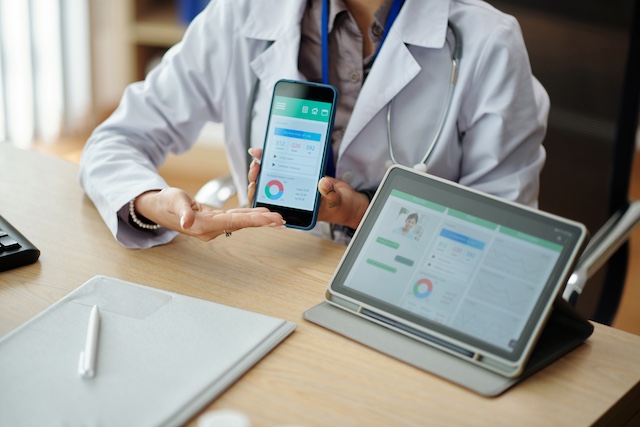
Digital Health Tools Are Now a Routine Part of Everyday Care in the US
Key Takeaways:
- A landmark review of more than 8 billion interactions across US healthcare finds that online portal messaging has become a standard, everyday part of care rather than an occasional add-on.
- Digital communication is supplementing in-person medicine, not replacing it – office visits have rebounded to two to three per patient each year while portal messages have more than doubled.
- Researchers warn that the growing digital workload sits on top of clinicians’ existing duties, raising new questions about staffing, training and the role of AI support tools.
A new picture of how Americans reach their clinicians
At least 12 per cent of people in the United States now contact their healthcare providers about appointments, test results and ongoing treatments through secure online patient portals and health apps, according to a major new study. At the same time, traditional in-person visits to the doctor’s office have recovered from their pandemic-era decline. The findings suggest that while digital medicine has become a routine feature of care, it is adding to in-person services rather than displacing them – an evolution that researchers say is reshaping how hospitals and clinics run day to day.
These are the central conclusions of a study led by researchers at NYU Langone Health, described as the largest review ever conducted of communications recorded in Epic electronic health records. The team analysed more than 140 million patient records drawn from 2,067 hospitals and 47,100 health clinics across the US, examining over 8 billion interactions between patients and providers that took place between January 2020 and December 2025.
What the data showed
Published online in the Journal of the American Medical Association (JAMA) on 22 June, the study found that online portal messages more than doubled between 2020 and 2025, rising by 153 per cent. Over the same period, total telephone calls fell by 6 per cent. The number of people with an active Epic health record climbed from 94 million in 2020 to 140 million in 2025. During the first three months of 2025, 30 per cent of active Epic patients – some 42 million people – sent a portal or health app message to their clinician.
Crucially, this surge in portal activity is not coming at the expense of face-to-face care. In-office visits have returned to an average of between two and three per patient each year. Messages from patients to their providers have, meanwhile, doubled since the pandemic, increasing from an average of 2.2 per year in early 2020 to 5.4 per year in late 2025.
“Our study shows that use of patient portals, health apps, and messaging are now a routine part of everyday patient care across America, not simply side channels used occasionally,” said study senior investigator Michal A. Mankowski, PhD.
Dr Mankowski, an assistant professor in the Department of Surgery at NYU Grossman School of Medicine, said the findings show that people now have far more direct access to physicians and other clinicians than before.
“Our findings reveal that while digital health tools have become a core part of healthcare, delivery is becoming more continuous and timeless, and no longer tied to scheduled appointments during routine work hours,” said Dr Mankowski.
The scale of digital care since 2020
The review also quantified the sheer volume of activity logged through Epic record systems since 2020. Over that period, people in the US booked at least 1.77 billion in-person visits to health clinics, sent 1.34 billion messages to their providers and received roughly 3.25 billion portal messages from providers in return. Epic systems also documented 1.59 billion telephone calls and 146 million virtual telehealth portal visits.
A new layer on top of clinical work
Study co-investigator Dorry L. Segev, MD, PhD, said the digital delivery of healthcare does not replace established ways of working; rather, it adds a further layer of steps to existing workflows. To cope with this new reality, he argued, hospitals, clinics and healthcare workers will need to plan ahead for staffing and support.
“Modern delivery of healthcare means increasingly that healthcare providers will have to balance their digital workload on top of their traditional clinical workload,” said Dr Segev, a professor and vice chair in the Department of Surgery at NYU Grossman School of Medicine.
“Clinical staff will need to be trained in mastering the tools of messaging in healthcare; in using AI support programs, including chatbots that can frame content to minimize its complexity; and in making the most effective use of clinician time needed for online billing and online counseling,” added Dr Segev, who is also a professor in NYU Grossman’s Department of Population Health.
He noted that NYU Langone already uses AI support tools to speed up the drafting of physician and provider notes. Looking ahead, Dr Segev said the team plans to examine digital-use trends within individual healthcare systems, including NYU Langone, in order to identify regional and outpatient clinic-specific shifts that could affect operational planning.
How the study was carried out
For the research, the team drew on Epic Cosmos, a national dataset containing the electronic health records of more than 300 million patients in the US. The dataset includes information from a majority of the hospitals and clinics that use Epic, the country’s largest vendor of electronic health record systems. Epic had no role in carrying out the study. Funding was provided by NYU Langone.
Alongside Dr Mankowski and Dr Segev, the NYU Langone researchers involved were lead investigator Jane J. Long, MD, and co-investigators Mara A. McAdams DeMarco, PhD; Mark D. Schwartz, MD; Joshua Chodosh, MD; and Eric K. Oermann, MD.
Disclosures
Dr Mankowski was recently elected to serve on the governing board of Epic Cosmos. Dr Schwartz reported being president-elect of the Society of General Internal Medicine. Dr Segev has received consulting and/or speaking honoraria from Sanofi, CareDx, Moderna, AstraZeneca, Roche, Optum, OrganOx, Hansa and Biosidus, and is a journal editor for Springer. None of these activities are related to the current JAMA study. NYU Langone is managing the terms and conditions of these relationships in accordance with its policies and procedures.
Source: NYU Langone
Read More
Autonomous AI Agent Matches and Exceeds Physicians Across Simulated Electronic Health Record Cases
Key Takeaways:
- MIRA is an autonomous AI agent that diagnoses and plans treatment inside a simulated electronic health record, rather than acting as a narrow chat tool.
- It reached 88.9% diagnostic accuracy across 574 cases, outperforming board-certified physicians (78.1%) and a mixed-seniority team (71.1%).
- Safety results were strong but preliminary, and the authors stress that MIRA is not a replacement for human clinicians.
A new kind of medical AI agent
A recent study published in the journal Nature introduced MIRA, an autonomous AI agent designed to operate within sandboxed EHR environments. Rather than acting as a single-purpose assistant, MIRA uses a suite of digital tools to simulate the full arc of a clinical workflow. It can order tests, synthesise the results, and produce diagnoses and treatment plans, all while communicating through a chat interface with a patient AI agent that is grounded in the documented history of present illness extracted from retrospective notes from genuine cases.
The system runs on a Fast Healthcare Interoperability Resources (FHIR) based architecture, which executes the agent’s tool calls and records its medical outputs. The researchers note that the example data presented in the paper were shortened and slightly modified to comply with the privacy restrictions attached to the dataset.
Unlike earlier implementations, which were predominantly task-specific chat applications, MIRA was built to independently take in patient histories, order the relevant diagnostic tests, and then use those datasets to reach diagnoses and treatment plans within a controlled simulation. Across the 574 MIMIC-IV cases, MIRA achieved 88.9% diagnostic accuracy, and in a matched 311-case physician comparison it reached 87.8% accuracy, significantly outperforming experienced human physicians under identical simulated conditions while demonstrating strong, though not perfect, safety and guideline performance.
Background: from passing exams to working a ward
Large language models (LLMs) have already proven highly capable at passing standardised medical examinations and answering complex clinical questions. Reviews of the field show, however, that translating this raw clinical knowledge into the operational workflow of a hospital has remained a major challenge.
This gap is attributed to the architectural design of traditional medical AI tools, which behave as narrow, task-specific search or text-generation utilities rather than as active partners in care. By contrast, true clinical decision-making is characterised as an intricate, multi-step process in which doctors repeatedly interview the people in their care, order blood tests or imaging, synthesise conflicting results, and update their hypotheses before arriving at a final treatment plan.
Nearly all of this clinical work takes place within EHR systems that rely on complex, standardised coding protocols. Until now, it remained unproven whether an automated system could reliably handle this end-to-end clinical action space in a realistic, EHR-style environment without committing unacceptable errors.
About the study
The study set out to address this functional gap by developing MIRA, a novel AI tool designed to autonomously ingest and access medical records, identify knowledge gaps, and order diagnostic tests to supplement the EHR record, before using the completed dataset to recommend clinical interventions.
The researchers then tested MIRA’s capabilities in a sandboxed, virtual EHR environment compliant with standard healthcare protocols, including HL7 FHIR. The sandboxed test was conducted on a curated benchmarking dataset of 574 real-world emergency department cases from the Medical Information Mart for Intensive Care (MIMIC-IV) database.
The cases included spanned eight distinct diagnoses across surgery (appendicitis), internal medicine (pneumonia), and oncology (pancreatic cancer), which MIRA navigated using 11 specialised digital tools offering more than 85,000 operational choices. The agent was permitted to request physical examinations, order targeted laboratory values, look up medical histories, and generate medication orders within the simulated EHR, rather than in live patient care.
How MIRA was compared with clinicians
MIRA’s output was compared against two distinct groups of human physicians managing exactly the same cases under identical conditions. The first group was a cohort of four board-certified physicians. The second was a mixed-seniority team consisting of four residents and two board-certified doctors.
A separate, conventional text-based AI agent was used to simulate the people under MIRA’s care, and under the care of the human physician teams. This agent was instructed to respond to questions posed by MIRA or its human counterparts solely on the basis of authentic clinical histories, while resisting adversarial attempts to trick it into prematurely leaking information. The authors noted, however, that simulated patient speech may be more structured than real emergency department conversations.
Study findings
The results revealed that MIRA performed at or above the level of experienced human doctors. It achieved 88.9% diagnostic accuracy across the full 574-case dataset and 87.8% accuracy in the matched 311-case physician comparison. By comparison, the board-certified physicians reached an average accuracy of 78.1% (p < 0.001), while the mixed-seniority medical cohort averaged 71.1% (p < 0.001).
MIRA was found to excel at identifying appendicitis and pancreatitis, achieving a perfect 100% recall for laparoscopic appendectomies. For pancreatic cancer, its diagnostic performance was equivalent to that of the board-certified physicians, while pneumonia and urinary tract infections remained more challenging.
Accuracy without simply “ordering everything”
Notably, MIRA did not achieve its superior accuracy by simply “ordering everything”. While it was observed to request a broader, more comprehensive set of individual blood parameters than the human doctors, its overall test selection remained well below the historical baselines recorded in the dataset.
The findings further demonstrated that the model successfully avoided the systematic over-ordering of high-cost radiological imaging, matching or exceeding physicians on overall resource-alignment metrics.
Safety performance
The safety evaluations were similarly encouraging, though still preliminary. An independent, blinded medical review of 56 patient-level outputs, together with a separate assessment of 468 prescriptions written by MIRA, established that the agent caused zero high-severity drug–drug interactions, zero renal dosing incompatibilities, and zero medication-allergy mismatches. Route specification was the weakest prescription field, at 97% correctness.
When making critical hospital admission decisions for pneumonia and pulmonary embolism, MIRA achieved a perfect recall score of 1.00, indicating that it never missed a single person who required inpatient care. The pulmonary embolism analysis did, however, suggest a tendency towards over-admission, reflecting a cautious disposition strategy.
Conclusions
The study introduces an integrated EHR AI agent, MIRA, that successfully translates clinical intents into structured, safe, and accurate operations, with the potential to support physicians in their work. The authors are careful to caution, however, that MIRA and similar AI agents are not replacements for expert human staff.
The model did not reach 100% perfection across all treatment choices, such as specific antibiotic selections, which highlights the ongoing need for strict human supervision and patient-level safeguards. Future iterations of the model may improve their performance by incorporating evidence from retrieval-based support, stronger governance, and prospective real-world validation before any clinical deployment.
Read More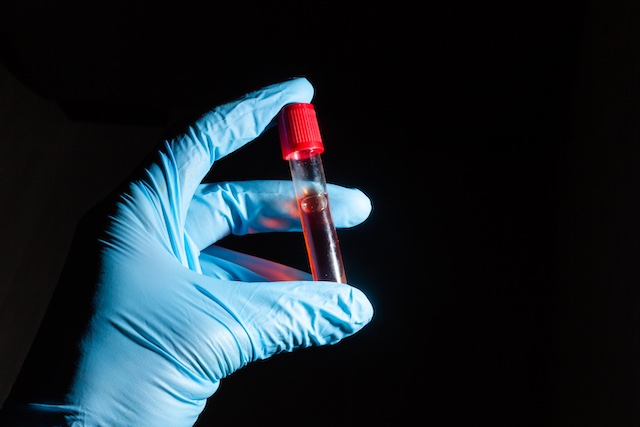
AI Blood Test Could Detect Early Eye Nerve Damage in People with Type 2 Diabetes
Key Takeaways:
- An AI tool called Pro-DRN uses a blood sample to flag people with type 2 diabetes at high risk of diabetic retinal neurodegeneration (DRN), before any damage shows on the retina.
- It was trained on 1,218 participants and validated in 502 people from UK Biobank, identifying 71 proteins linked to DRN – with ACTA2, COL6A3 and HSPG2 the strongest predictors.
- As retinal nerves are among the first tissues affected by diabetes, the test could also hint at wider nerve damage and help target earlier monitoring and future treatments.
A simple blood test to catch nerve damage early
Scientists have developed an AI-assisted prediction tool that can identify people with type 2 diabetes who are at high risk of developing diabetic retinal neurodegeneration (DRN) before symptoms appear. The findings were published in the journal PLOS Medicine.
The work was led by Wei Wang, MD, PhD, associate professor at the Guangdong Provincial Clinical Research Center for Ocular Diseases. According to the authors, the damage that diabetes inflicts on the delicate nerves of the eye appears to leave a detectable molecular trail in the bloodstream long before it becomes visible in the eye itself.
“Our study suggests that early retinal nerve damage in diabetes leaves measurable signals in the blood,” write the authors. “These findings suggest that a simple blood test analyzed with artificial intelligence may help identify people with diabetes who are at highest risk of early retinal nerve damage, well before visible damage appears on the retina.”
Why the retinal nerves matter in diabetes
Type 2 diabetes affects more than half a billion people worldwide, and it carries an increased risk of long-term complications, including progressive neurodegeneration – the gradual deterioration of nerve tissue over time.
The nerves of the retina are among the earliest tissues to be affected. As this damage advances, it can eventually lead to severe visual impairment and the loss of sight. The difficulty for clinicians is one of timing: current diagnostic methods can only detect DRN once the retina has already sustained irreversible damage. By the time the problem is visible, the window for early, protective intervention has often closed.
How the Pro-DRN tool was built
To address this, Wang and colleagues developed a machine learning algorithm called Pro-DRN. They drew on data from 1,218 participants in the Guangzhou Diabetic Eye Study, all of whom had been diagnosed with type 2 diabetes but had not yet developed DRN at the point of enrolment.
The model combined two distinct streams of information. The first was proteomics data – a detailed read-out of the proteins circulating in participants’ blood samples. The second was a series of yearly retinal images, capturing the state of the eye over a six-year follow-up period. By matching the molecular signals in the blood against how each person’s retina changed year on year, the algorithm learned which blood-borne patterns preceded the onset of nerve damage.
The proteins behind the predictions
The analysis surfaced 71 proteins associated with the development of DRN. Of these, three stood out as the most consistent drivers of accurate prediction: ACTA2, COL6A3 and HSPG2. These are key structural components involved in maintaining the integrity of the nerve and muscle tissue in the eye, which helps explain why disturbances in their levels might signal nerve tissue under strain.
Crucially, the team did not rely on a single dataset. The results were validated in an independent cohort of 502 people from UK Biobank, where the core effects and protein signals were reproduced – an important check that the findings were not simply a quirk of the original group.
From research tool to clinical aid
Pro-DRN has been made available as an interactive, web-based risk assessment tool that clinicians can use to support early DRN screening and to monitor how a person’s risk evolves over time. People identified as being at high risk could then benefit from more frequent check-ups and from early interventions aimed at preventing or slowing progressive neurodegeneration, rather than waiting for damage to become apparent.
A window into the wider nervous system
The potential significance of the test reaches beyond the eye. Because DRN is one of the first signs of nerve degeneration brought on by diabetes, detecting it early could also signal the onset of nerve injury elsewhere in the body.
Such damage can contribute to cognitive impairment, dementia and peripheral neuropathy – the latter causing loss of sensation and motor control in the hands, feet and other extremities. Viewed this way, a single eye-focused test could offer valuable insight into the overall health of a person’s nervous system.
New possibilities for treatment and trials
The discoveries also open up two further avenues. The proteins identified as being involved in DRN progression could be investigated as potential targets for the development of new therapies. In addition, the AI-based tool could prove useful for selecting and stratifying participants in clinical trials that are evaluating neuroprotective strategies designed to prevent or delay nerve damage – helping ensure such studies enrol the people most likely to show a measurable benefit.
Looking ahead
For the researchers, the broader ambition is a shift in how diabetic eye care is approached – from reacting to damage that has already occurred towards anticipating who is most vulnerable.
“Pro-DRN may help move diabetic eye care from detecting established damage toward earlier, molecularly informed risk stratification, so that closer monitoring and future neuroprotective interventions can be directed to the people most likely to benefit,” Wang and colleagues write.
Read More
Half a Million NHS Staff to Receive AI Tools to Free Up More Time for Patients
Key Takeaways:
- NHS England is rolling out Microsoft 365 Copilot to 505,000 clinicians and support staff, with the full rollout expected to be complete by October 2026.
- The world’s largest healthcare AI trial of its kind found that the tool could save staff an average of 43 minutes a day – the equivalent of around five weeks a year, or roughly two days of administrative time every month.
- Copilot is expected to support a wide range of roles, including clinical administration, ward clerks, medical secretaries, core services such as HR and finance, and management.
A major step forward in NHS AI adoption
More than half a million NHS staff are being given access to new artificial intelligence (AI) tools that could free up an average of two days every month from administrative duties, creating more time for the work that matters most to patients and staff.
NHS England announced today that it is significantly accelerating the adoption of AI across healthcare services by providing 505,000 clinicians and support staff with access to Microsoft 365 Copilot.
The AI personal assistant is designed to help clinicians draft documents and analyse data more efficiently, so they can devote more of their time to caring for patients.
What the world’s largest healthcare AI trial found
The agreement follows the largest AI trial of its kind anywhere in the world in healthcare, which gave more than 30,000 NHS workers across 90 NHS organisations access to Microsoft 365 Copilot.
The trial found that AI-powered administrative support could save an average of 43 minutes per staff member each day, or more – the equivalent of five weeks of time per person every year.
Results from the trial indicated that a full rollout of Microsoft 365 Copilot could save millions of hours of staff time per month.
NHS England and government leaders welcome the rollout
Rob Thompson, Chief Digital, Data and Technology Officer at NHS England, said: “The NHS wants to embrace cutting-edge technology and this Microsoft partnership will mean staff can be freed from admin so they can focus more of their time on what matters most – improving care for patients.
“Innovations like this will help drive NHS productivity so patients can get the treatment they need sooner and there is better value for taxpayers.
“The potential to save NHS staff around 2 days of admin time every month could be a gamechanger for patients.
“As part of our 10 Year Health Plan, we’re making sure every pound is spent on cutting waiting times and boosting care”.
Health Innovation and Safety Minister Preet Kaur Gill said: “Technology should support our NHS staff, not slow them down.
“Every day, doctors, nurses and other healthcare professionals spend valuable time on administrative tasks that take them away from patients. By rolling out Microsoft Copilot across the NHS, we can reduce that burden, free up clinicians’ time and help staff focus on what they do best caring for patients.
“This government is putting innovation to work for patients: helping staff work more efficiently, improving productivity and supporting a modern NHS that delivers better care, faster access to treatment and better value for taxpayers”.
Darren Hardman, CEO, Microsoft UK and Ireland, said: “By rolling out Microsoft 365 Copilot at scale, NHS teams can cut through everyday admin and spend more time where it matters most.
“Bringing AI safely into the flow of healthcare will help ease pressures, improve productivity and support better decision-making across the health service.
“We’re proud to work with NHS England to help tackle some of its biggest challenges and accelerate digital transformation for the benefit of staff and patients alike”.
How Copilot will be used across the health service
Copilot is designed to help users create, analyse and complete work more quickly. NHS England anticipates that it will be harnessed in a variety of ways across all aspects of the healthcare service, including:
- Clinical administration: supporting clinicians in drafting letters and in registrar training.
- Ward clerks: assisting with patient discharge processes, service data analysis, rota building and bed management.
- Medical secretaries: helping to draft patient letters and meeting minutes, and creating templates to maintain consistency.
- Core services: supporting human resources, finance and procurement functions.
- Management: assisting with drafting board papers, briefings and organisational analysis.
Licensing and timeline for the rollout
Each NHS trust will receive a central allocation of licences based on its organisational headcount, typically starting at around 2,000 Microsoft 365 Copilot licences.
The rollout to more than 500,000 staff across the NHS is expected to be complete by October 2026.
Source: NHS England
Read More
AI Finds Simple Food Swaps That Make Meals Healthier and Cheaper
Key Takeaways:
- A new artificial intelligence framework can identify just one to three ingredient swaps that make a meal meaningfully more nutritious and noticeably less expensive, without overhauling it entirely.
- In testing, AI-generated meals sat 47% closer to United States Department of Agriculture (USDA) nutritional targets than the real meals they were modelled on, while staying close to people’s actual eating habits in type and flavour.
- Applying one to three swaps lifted nutritional quality by roughly 10% and cut modelled meal costs by 19 to 32%, most often by adding vegetables or legumes and removing high-sodium or processed items.
Turning nutrition science into practical meals
A new artificial intelligence framework that recommends as few as one to three ingredient swaps can make everyday meals meaningfully more nutritious and less expensive. That is the central finding of a study published on 28 May in the open-access journal PLOS Digital Health by PhD student Trevor Chan and Professor of Computer Science Ilias Tagkopoulos of the University of California, Davis.
The challenge the researchers set out to tackle is a familiar one. The dietary guidelines that help reduce people’s risk of conditions such as diabetes and cardiovascular disease are well established, yet turning that nutrition science into day-to-day meals remains difficult for most people. Many existing diet recommendation tools ask people to change too much all at once, which can lead to practices that are hard to sustain or leave people unsure how to put the advice into action.
How the study worked
To build their framework, the researchers drew on data from the What We Eat in America study, analysing 135,491 meals logged by 55,228 adults. From this, they identified common meal patterns across breakfast, lunch and dinner.
They then trained a generative AI model to create realistic meals that followed those patterns, while also adjusting serving sizes. Crucially, the team tested whether the model could pinpoint one, two or three ingredient swaps within each meal that would further improve both its nutritional value and its cost.
What the AI achieved
The results were striking. Compared with real meals in the same dietary pattern, the AI-generated meals were 47% closer to USDA nutritional targets, while remaining close in overall meal type and flavour to what people actually eat.
When ingredient substitutions were applied, swapping just one to three foods improved nutritional quality by approximately 10%, while reducing modelled meal costs by between 19 and 32%. The most common substitutions the system identified involved adding vegetables or legumes, and swapping out high-sodium or processed items.
Improving eating habits
The trained model also outperformed an unspecialised model. Set against GPT-4o, the purpose-built system produced meals that came closer to USDA guidelines on macronutrients.
The authors are careful to note the limits of the work. The evaluation is entirely computational and has not yet been tested with real users. Even so, they suggest the approach could help people find simple ways to improve their eating habits.
As the authors write: “By turning dietary guidelines into realistic, budget-aware meals and simple swaps, this framework can support public-health programs and consumer apps.”
Chan and Tagkopoulos summarise the thinking behind the study: “Dietary guidelines often tell people what a healthy diet should look like, but they do not always show how to get there from the meals people already eat. Our study shows that it is possible to translate dietary standards into practical meal-level changes by identifying a small number of ingredient substitutions that can make meals healthier and cost-effective, while keeping them recognizable…[w]hat we found most interesting is that improving meals does not necessarily require a complete redesign. In many cases, targeted substitutions may be enough to move a meal closer to dietary recommendations, which could make healthy eating feel more practical and achievable.”
They add: “Healthier eating does not have to mean giving up the meals people already enjoy. With AI, we can identify small ingredient substitutions that preserve taste, while are better for our health and our pocket.”
Funding
The work was supported by grants from the U.S. Department of Agriculture and the National Science Foundation.
Source: UC Davis College of Engineering
Read More
Turning Records into Foresight: Machine Learning to Anticipate Need in Cancer Survivorship Care
Key Takeaways:
- Sylvester researchers used machine learning on records and patient-reported data from over 25,000 people who have survived cancer to predict who is most at risk.
- Adding patients’ own reports nearly doubled the models’ accuracy, with the top 10 per cent of risk capturing about half of later events.
- The work signals a shift towards proactive, personalised survivorship care, though it is not yet meant to change practice.
A new phase of care
For a growing number of people who have survived cancer, ringing the bell at the end of primary treatment marks the start of a complex new phase of care – one that is often less structured and far harder to predict. Even once therapy has concluded, people may continue to experience lingering physical symptoms, emotional distress or other unexpected medical needs. These can lead to visits to the emergency department or urgent care, to hospital admissions, and to a worsening burden of symptoms over time.
A new study from Sylvester Comprehensive Cancer Center, part of the University of Miami Miller School of Medicine, suggests that the key to anticipating these outcomes may lie in examining electronic health records and patient-reported data systematically, using novel artificial intelligence (AI) technologies.
Published in JCO – Clinical Cancer Informatics, the study demonstrates how machine learning models, when applied to clinical data and patient-reported outcomes (PROs), can help identify survivors at increased risk of unplanned healthcare use and of an elevated symptom burden during survivorship. By transforming medical records and patient-reported data into predictive signals, the research offers a potential route towards more proactive, personalised survivorship care.
Cancer survivorship care is a dynamic, ongoing process rather than a single phase of care, explained Frank J. Penedo, Ph.D., Sylvester associate director for population sciences, director of Sylvester’s Survivorship and Supportive Care Institute and the study’s senior author.
“For many patients, new or evolving challenges arise after treatment ends, just as routine clinical contact often tapers off, raising a critical question. How can we identify those at higher risk earlier, before these concerns intensify and become harder to address?” Dr Penedo said.
Listening to people’s own experiences
Patient-reported outcomes capture experiences that traditional clinical data often miss or assess only infrequently. These include emotional well-being, fatigue, functional limitations and other practical needs that may interfere with adequate survivorship care. Over the past decade, PROs have become an increasingly important component of cancer care. Yet translating large volumes of patient-reported data, and integrating them with vast amounts of medical record data to produce actionable insights – particularly across whole populations of survivors – has remained a persistent challenge.
Led by Akina Natori, M.D., M.S.P.H., a Sylvester oncologist and assistant professor in the Division of Medical Oncology at the Miller School, the study reframed PROs. Rather than treating them as retrospective descriptions of what a person has already experienced, the team used them as prospective indicators of future need.
“PROs tell us how patients are actually feeling and functioning,” said Dr Natori, first author of the study. “We wanted to know whether those self-reported experiences, in combination with clinical data such as cancer and treatment type, could help us identify which survivors might be at higher risk for significant symptom burden or unplanned health care use down the line.”
Unplanned healthcare use can include emergency department visits or hospital admissions that arise outside scheduled follow-up. Such events often signal unmet needs or gaps in survivorship and supportive care. Being able to forecast that risk could allow care teams to step in earlier, with targeted symptom management, psychosocial support or closer monitoring.
Applying machine learning to survivorship data
To explore that possibility, the research team analysed data from more than 25,000 people who have survived cancer, followed over three years, using machine learning to detect patterns that traditional statistical methods can miss. The advantage of these approaches is their ability to weigh many factors at once – clinical history, treatments, symptoms, emotional well-being and patterns of healthcare use – and to find the subtle interactions that signal which people are heading towards trouble.
The answers turned out to depend on what was being predicted. For acute events such as emergency room visits and hospital admissions, recent clinical activity was the strongest signal: what was happening with a person over the last few months mattered more than where they had started. For symptom burden, longer-term trends told a clearer story. Crucially, adding patient-reported outcomes nearly doubled how well the models performed compared with clinical data alone. When the researchers flagged the highest-risk 10 per cent of people, that group accounted for roughly half of all subsequent healthcare events and elevated symptom episodes.
Building models that clinicians can trust
“This type of risk stratification problem is well-suited for machine learning,” said Jerry R. Bonnell, Ph.D., a postdoctoral associate at the University of Miami’s Frost Institute for Data Science and Computing. “The challenge is developing models that are not only accurate, but also interpretable and meaningful for clinicians making real-world decisions.”
That emphasis on interpretability shaped the study’s design. Rather than treating the models as opaque, “black box” systems, the team built them to show their reasoning. This surfaced which factors were driving a given person’s risk score, and how those factors shifted over time. The goal is a tool that gives clinicians not just a number, but a starting point for conversation: about who needs closer follow-up, what they may need, and when to step in before a problem escalates.
An interdisciplinary approach
The project drew together expertise from clinical oncology, psychosocial oncology, population sciences and data science, reflecting the multifaceted nature of survivorship care. Contributors included Vasileios Stathias, Ph.D., assistant director for data science at Sylvester, alongside collaborators across the University of Miami.
“Survivorship sits at the intersection of biology, behavior and health systems,” Dr Stathias said. “By combining patient-reported and clinical data with advanced analytics, we can begin to see patterns that might otherwise remain invisible and that can inform more proactive care strategies.”
Additional authors included:
- Sara Fleszar Pavlovic, Ph.D., a Miller School research assistant professor of medical oncology
- Mitsunori Ogihara, Ph.D., programme director of UM’s Big Data Analytics and Data Mining program
- Andrew Wang, A.B.
- Ravi Vadapalli, Ph.D., director of advanced computing for the Frost Institute for Data Science and Computing
- Blanca Silvia Noriega Esquives, M.D., Ph.D., a Sylvester postdoctoral associate
- Tracy Crane, Ph.D., RDN, co-leader of the Cancer Control Program and director of lifestyle medicine, prevention and digital health at Sylvester
Implications for cancer survivorship care
While the authors emphasised that the findings are not intended to change clinical practice immediately, they highlighted the broader implications of the work. As populations of people living beyond cancer continue to grow, health systems face mounting pressure to deliver long-term care that is precise, proactive and sustainable.
“This is about shifting from reactive to proactive survivorship care,” Dr Penedo said. “If we can identify patients who are more likely to struggle, we can begin to align supportive resources earlier and more effectively.”
The team also noted the potential impact of predictive models that combine clinical and PRO-based data on healthcare access. Because PROs reflect patient voices directly, they may help surface unmet needs that are less likely to be captured through routine clinical encounters alone.
Looking ahead
Future research will focus on continuing to refine and validate these models across broader populations of survivors, and on exploring how risk stratification driven by electronic health record and PRO data could be integrated into survivorship standards of care.
“The expertise of our multidisciplinary team provides a unique opportunity to create a data ecosystem that facilitates the implementation of AI-powered analytics to guide proactive and precision care to reduce the burden of cancer on patients and health systems. This study is among several initiatives that are working towards this goal,” said Dr Penedo.
“Our long-term goal is to ensure that survivorship care keeps pace with advances in treatment,” said Dr Natori. “That means using data not only to describe outcomes, but to anticipate them, so we can more proactively support patients in the years after cancer.”
Source: University of Miami Miller School of Medicine
Read More
AI Models Identify Hidden Cardiac Arrest Risk in Routine Patient Data
Key Takeaways:
- Researchers have built AI models that analyse electronic health records and electrocardiograms to identify people at elevated risk of sudden cardiac arrest, which kills more than 400,000 Americans each year.
- In a real-world group of nearly 40,000 patients, the combined model correctly flagged 153 of 228 high-risk people who later experienced cardiac arrest, narrowing risk prediction from 1 in 1,000 to 1 in 100.
- The models also surfaced modifiable contributors such as electrolyte disorders, substance use and medication interactions, pointing to practical opportunities for clinicians to intervene.
A new approach to an unpredictable emergency
Researchers have developed artificial intelligence (AI) models capable of analysing electronic health records (EHR) and electrocardiograms to pinpoint people in the general population who face a heightened risk of sudden cardiac arrest. The condition is responsible for more than 400,000 deaths each year in the United States and carries a survival rate of just 10%, making any tool capable of forecasting it a meaningful step forward.
The work represents a notable advance in anticipating an event that is widely considered difficult, if not impossible, to predict, and which often strikes people who have no previously known heart disease.
“Using artificial intelligence applications and health records data, the prediction of cardiac arrest in the general population is feasible,” said Dr Neal Chatterjee, the study’s lead investigator and a cardiologist at the University of Washington School of Medicine.
The paper was published on 11 May in JACC: Advances, a journal of the American College of Cardiology. Additional co-senior authors are affiliated with Massachusetts General Hospital and the Broad Institute of MIT and Harvard.
How the models were built
The investigation drew on a test population of roughly 1.7 million patients enrolled in a large healthcare system in the United States. The team built three separate AI models, each trained on a distinct dataset. The first, referred to as “EKG-only,” relied solely on electrocardiogram readings. The second, “EHR-only,” weighed 156 clinical features drawn from patients’ health records. The third combined both EKG and EHR data into a single integrated model.
The researchers developed and validated their models across three distinct patient groups.
Training cohort
The models were initially trained using data from 993 people who had experienced out-of-hospital cardiac arrest between 2013 and 2021, alongside 5,479 control patients matched for age and sex who had not. This stage allowed the AI to learn which patterns in EHR entries and EKG readings were linked to a higher risk of cardiac arrest.
Testing cohort
To confirm that the models could reliably distinguish between high- and low-risk indicators, the researchers applied them to a separate group consisting of 463 cardiac arrest cases from 2022 to 2023 and 2,979 control patients. The risk associations identified in this testing group closely mirrored those established during training.
Real-world cohort
The final stage involved 39,911 people who had received EKGs during 2021, regardless of their health status. The researchers examined the records of those within this group who went on to experience cardiac arrest over the following two years, assessing how closely their profiles aligned with the risk patterns identified by the models.
Within this real-world group, the combined EHR-EKG model accurately predicted 153 of 228 people who were classified as high-risk and who later went on to experience a cardiac arrest.
Bringing theoretical risk into focus
The shift in predictive precision is one of the study’s most striking outcomes.
“With these models, we’re able to enrich risk prediction from about 1 in 1,000 down to 1 in 100,” Chatterjee said. “If your doctor were to tell you that your risk of cardiac arrest is 1 in 100, that would catch your attention. We’re bringing a theoretical risk into focus.”
Another encouraging finding concerned the performance of the EKG-based model on its own. AI-enhanced analysis of electrocardiograms alone demonstrated strong predictive ability, only modestly behind the two models that drew on EHR data.
“The 12-lead EKG is a low-cost tool that might stratify patients’ risk for cardiac arrest in any community around the world,” Chatterjee said.
Risk factors beyond traditional cardiology
The study also surfaced risk factors that lie outside the conventional cardiovascular picture. Contributors flagged by the models included electrolyte disorders, substance use and interactions between medications, all of which are often addressable through clinical attention.
“We show some relatively low hanging fruit … modifiable risk factors,” Chatterjee noted. “A model that flags a patient as high-risk might prompt somebody taking care of a patient to review their medical history and their medications.”
Open questions for clinical practice
While the results demonstrate that predicting cardiac arrest risk at the population level is achievable, Chatterjee was careful to note that the next stage of inquiry involves working out what clinicians should actually do once a patient is flagged.
“We need to figure out which follow-on studies to pursue to understand what we do with this patient information. What screening, what surveillance, what intervention is warranted?”
Limitations of the study
Several constraints temper the findings. All of the data was drawn from a single healthcare system, leaving open the question of whether the models would perform similarly across populations with different demographic profiles or patterns of care. The real-world group was also restricted to people who had received an EKG, and these individuals may differ in important ways from those who had not undergone such testing. In addition, the AI-enhanced interpretations of EKGs could reflect biases tied to demographics or to the way care is delivered.
Funding and support
The research received support from the National Institutes of Health (K23HL169839, R01 HL160003, R01 HL168889, K24 HL153669, R01HL092577, R01HL157635), the American Heart Association (23CDA1050571, 961045), the European Union (MAESTRIA 965286) and the Foundation Leducq (24CVD01). Chatterjee is supported through a philanthropic donation from Kevin and Ann Harrang and through the John and Cookie Laughlin Endowed Professorship.
Source: UW Medicine
AI-Powered Whole-Body Mapping Reveals Obesity’s Hidden Impact on Facial Nerves
Key Takeaways:
- Researchers have developed an AI-driven whole-body imaging platform called MouseMapper that can analyse disease-related changes across an entire mouse body at cellular-level resolution.
- Using the system, scientists identified widespread inflammation and previously unknown damage to facial sensory nerves linked to obesity.
- Similar molecular patterns were also detected in human tissue, suggesting that obesity-related nerve changes observed in mice may also occur in people.
A new way to study disease across the entire body
Researchers from Helmholtz Munich, Ludwig Maximilians University Munich (LMU), and several collaborating institutions have developed a powerful artificial intelligence-based imaging system capable of mapping disease-related changes throughout an entire mouse body in extraordinary detail.
The new platform, known as MouseMapper, combines advanced whole-body imaging with foundation-model-based AI to examine how diseases affect organs, nerves, immune cells, and tissues simultaneously. Using the system, the research team uncovered widespread inflammation and previously unrecognised nerve damage associated with obesity.
The findings, published in Nature, also revealed similar molecular signatures in human tissue, suggesting that some obesity-related nerve damage mechanisms may occur in both mice and people.
Obesity is increasingly recognised as a complex disease that affects far more than body weight and metabolism. It can alter immune activity, disrupt nerve structures, and reshape tissues across the body, contributing to conditions including type 2 diabetes, cardiovascular disease, stroke, neuropathy, and cancer. However, despite these systemic effects, researchers have lacked technologies capable of studying disease-related changes throughout an intact body at high resolution.
To address this limitation, the research team led by Professor Ali Ertürk, Director of the Institute for Biological Intelligence (iBIO) at Helmholtz Munich and Professor at LMU, created MouseMapper.
The AI framework uses deep learning algorithms based on foundation models to analyse enormous whole-body imaging datasets. The system can automatically identify and segment 31 different organs and tissue types while simultaneously mapping nerves and immune cells throughout the body.
This enables scientists to investigate how diseases affect multiple organ systems at the same time rather than analysing tissues individually.
“MouseMapper is built on a foundation model, which means it generalizes far beyond the data it was originally trained on,” says Ying Chen, co-first author of the study.
Transparent mice enable deep whole-body imaging
To generate the body-wide maps, the researchers first labelled nerves and immune cells in mice using fluorescent markers that glow under microscopic imaging.
The team then used specialised tissue-clearing techniques to render the mice transparent while preserving the fluorescent signals. This allowed scientists to visualise structures deep inside the body without physically cutting tissues into sections.
Researchers next employed advanced light-sheet microscopy to produce highly detailed three-dimensional images of entire mice. These scans generated extremely large datasets containing tens of millions of cellular structures distributed across multiple organs and tissues.
MouseMapper then processed the data automatically, identifying anatomical structures, nerve networks, and clusters of immune cells throughout the animals.
Unlike conventional approaches that require scientists to select specific tissues or regions for analysis beforehand, the system enabled the researchers to examine disease-related changes across the whole organism simultaneously.
This whole-body approach allowed the team to pinpoint where inflammation and tissue damage were occurring in organs including fat tissue, muscle, liver, and peripheral nerves.
Obesity found to alter facial sensory nerves
To investigate how obesity affects the body, the researchers fed mice a high-fat diet that induced obesity and metabolic disturbances similar to those observed in humans.
Using MouseMapper, the scientists identified widespread changes in both immune-cell organisation and nerve structures throughout the body.
One of the most unexpected findings involved the trigeminal nerve, a major facial nerve responsible for transmitting facial sensations and supporting certain motor functions.
The researchers discovered that obese mice showed a substantial reduction in nerve branches and sensory nerve endings within these facial nerves, suggesting impaired nerve function.
Behavioural testing supported this observation. Obese mice demonstrated reduced responsiveness to sensory stimulation compared with lean mice, indicating that the structural changes may have functional consequences.
Molecular changes detected in facial nerve tissue
The team then carried out a more detailed investigation of the trigeminal ganglion, the structure that contains the cell bodies of facial sensory neurons.
Using spatial proteomics analysis, the researchers identified molecular alterations associated with inflammation and nerve remodelling within the trigeminal ganglion.
Importantly, many of the same molecular signatures identified in mice were also found in trigeminal tissue samples from people living with obesity.
This suggests that the nerve-related changes observed in the animal models may also occur in humans.
“We revealed previously unknown structural and molecular changes in the trigeminal ganglion and its facial branches, and the same molecular signature was conserved in human tissue. This kind of finding simply cannot emerge from studying one organ at a time,” says Dr. Doris Kaltenecker, senior scientist at the Institute for Diabetes and Cancer (IDC) at Helmholtz Munich and first author of the study.
Potential applications beyond obesity
The researchers believe MouseMapper could become an important platform for studying diseases that affect multiple organ systems simultaneously.
Potential future applications include research into diabetes, cancer, neurodegenerative diseases, and autoimmune disorders.
Unlike traditional methods that focus on isolated tissues or organs, MouseMapper provides an integrated whole-body analysis system capable of identifying disease “hotspots” throughout an organism.
The research team has also made the whole-body datasets publicly available online, allowing scientists worldwide to explore obesity-related changes across tissues and organs.
“Our goal is to create a comprehensive framework for understanding how diseases affect the body as an interconnected system,” says Ali Ertürk.
“Our long-term vision is to build truly realistic digital twins of mice in health and disease: cell-level atlases that we can query, perturb and screen in silico computationally. That would let us pinpoint the earliest changes a disease causes, design interventions to prevent them, and accelerate the discovery of new treatments while reducing the number of physical experiments we need to run.”
Research funding and support
The study received support from multiple funding organisations and research initiatives, including the European Research Council, the German Research Foundation under Germany’s Excellence Strategy, the Munich Cluster for Systems Neurology (SyNergy), the German Federal Ministry of Education and Research, the Vascular Dementia Research Foundation, the Nomis Foundation, the Else-Kröner-Fresenius-Stiftung, the Edith-Haberland-Wagner Stiftung, the Helmut Horten Foundation, the EFSD and Novo Nordisk A/S Programme for Diabetes Research in Europe, and the China Scholarship Council.
Read More
AI Tools Could Help Identify the Best Ways to Help Young People Quit Vaping
Key Takeaways:
- Researchers at the University at Buffalo used machine learning and explainable AI tools to identify which vaping cessation strategies may work best for different individuals.
- The study found that starting to vape before age 18 – especially before age 15 – was one of the strongest predictors of continued nicotine use.
- Researchers believe AI-driven approaches could help universities and public health teams move from generic stop-vaping programmes to more personalised interventions.
Understanding why young people struggle to quit vaping
Young adults between the ages of 18 and 24 are now among the heaviest users of e-cigarettes in the United States, with 38.4% of young people reporting habitual vaping. Rates of e-cigarette use are particularly high in Western New York, where vaping prevalence exceeds that seen in New York City.
Although awareness of the potential health risks associated with vaping has increased, many people still find it difficult to stop using e-cigarettes. Researchers say this challenge can be even greater for younger individuals, whose brains may be more susceptible to nicotine dependence.
These concerns prompted cancer researchers at the University at Buffalo (UB) to investigate why some young people continue vaping while others successfully quit. Their goal was not only to better understand vaping behaviour, but also to identify which cessation strategies may be most effective for different individuals.
The team conducted an online survey involving 119 people who vape, approximately three quarters of whom were aged between 21 and 26 years old. Their findings were published in PLOS Digital Health.
The senior corresponding author of the study was Supriya D. Mahajan, Ph.D., associate professor of medicine in the Jacobs School of Medicine and Biomedical Sciences at UB.
Researchers explore better ways to support vaping cessation
The study was driven by the researchers’ experiences treating people with nicotine dependence in clinical settings.
“As cancer researchers in the divisions of Hematology/Oncology and Allergy, Immunology, and Rheumatology at UB, we see the direct clinical consequences of nicotine dependence in our patients,” says Satheeshkumar Poolakkad Sankaran, DDS, first author of the study and research scientist in the Division of Hematology/Oncology in the Department of Medicine.
“We wanted to understand not only who is vaping but also who is successfully quitting—and then translate those insights into better cessation support for our cancer patients and into broader social determinants of health research.”
To investigate this, the researchers applied artificial intelligence techniques, including machine learning, to determine why some stop-vaping strategies appear to work for certain people but not for others.
The researchers noted that these findings could potentially extend beyond vaping cessation and inform wider public health approaches.
Using AI to predict who may successfully quit
The research team tested five different computer models designed to predict which individuals were most likely to successfully stop vaping.
According to Poolakkad Sankaran, some of the most effective models were also among the simplest.
“The simplest and most reliable ones were like a smart checklist that automatically figured out which life factors mattered most in deciding whether or not to stop vaping,” says Poolakkad Sankaran.
The researchers also explored more advanced forms of “explainable AI” – systems designed to help humans understand how AI reaches its conclusions.
Explainable AI offers insight into individual barriers
One explainable AI model used in the study was called Accumulated Local Effects (ALE). According to the researchers, this tool helps visualise how specific factors influence vaping cessation outcomes across larger groups of people.
“For example, the model called Accumulated Local Effects (ALE) shows how each factor—for example, being under age 21—changes the odds of quitting across the whole group, almost like a graph of ‘what-if’ scenarios,” says Poolakkad Sankaran.
The team also used another explainable AI approach known as Local Interpretable Model-Agnostic Explanations (LIME), which focuses on individuals rather than groups.
“Another model, Local Interpretable Model-Agnostic Explanations (LIME), zooms in on individual people,” says Poolakkad Sankaran. “It can look at one specific vaper and say, ‘For this person, social triggers are the biggest barrier—here’s exactly how much they lower their chance of success.’”
Researchers believe these tools could eventually help clinicians and counsellors provide more personalised support rather than relying on standardised approaches for everyone.
Earlier vaping initiation linked to greater difficulty quitting
One of the clearest findings from the study was the strong relationship between early vaping initiation and continued nicotine use later in life.
The researchers found that individuals who began vaping before the age of 18 – particularly before age 15 – were significantly more likely to continue vaping and struggle with cessation.
“Starting before age 18, and especially before 15, was one of the strongest predictors of continued use,” says Poolakkad Sankaran.
“This tells us that prevention must begin early, before the brain’s reward system becomes wired to nicotine. For kids who already started young, the message is hopeful but urgent: The sooner they get help, the better their chances.”
The researchers suggested that vaping cessation programmes aimed at younger individuals should be specifically tailored to this age group.
“These should be age-tailored strategies: short, frequent digital nudges; peer support; and trigger-management tools, because their developing brains make these people especially vulnerable but also especially responsive to timely intervention,” he explains.
Universities could play a key role in vaping prevention
Poolakkad Sankaran believes universities could become important centres for implementing AI-driven vaping cessation support.
“UB is uniquely positioned to translate these exploratory machine learning/explainable AI results into real-world programs that reduce nicotine addiction, lower long-term health care costs and address health disparities affecting Buffalo’s young population,” he says.
The researchers suggest that university health services and local public health departments could use these findings to build personalised text-message campaigns targeting the most common triggers associated with vaping in local communities.
They also propose that campus applications or quit-support services could identify students at higher risk – including younger individuals, frequent users and people vulnerable to social vaping triggers – and provide immediate tailored support.
AI tools could be integrated into existing stop-vaping programmes
The research team now plans to integrate their predictive models into digital vaping cessation tools, including expanded versions of existing programmes such as “This is Quitting.”
The aim is to help counsellors better understand why a particular student may be struggling and which intervention strategies are most likely to succeed.
“Because the study was done locally with Western New York participants, the findings already reflect the realities our students and young adults face,” says Poolakkad Sankaran.
The researchers say the work highlights how predictive analytics and machine learning could help public health professionals move beyond one-size-fits-all approaches.
He adds that the research demonstrates how machine learning and predictive analytics can help public health teams move from one-size-fits-all programs to precision interventions by identifying who is most at risk and what will actually help them before they drop out of treatment.
“Our study pushes the field forward by showing that explainable AI (XAI) can make these powerful tools transparent and trustworthy for clinicians and policymakers,” he says.
“Instead of a black-box prediction, we deliver actionable, human-understandable explanations that can be directly built into digital health apps and community programs.”
Source: Medical Xpress
Read More
Digital Therapy Outperforms Campus Clinic Referrals Among College Students
Key Takeaways:
- College students who received a digitally delivered therapy programme were significantly more likely to engage with treatment than those referred to campus counselling services.
- Students using the digital intervention were more likely to be symptom free at six weeks, six months and two years after the intervention.
- Researchers found the app-based approach not only treated existing mental health disorders but also appeared to help prevent new disorders from developing in students considered at high risk.
A digital alternative to traditional campus counselling
A large U.S. study led by researchers at Penn State has found that college students living with anxiety, depression and eating disorders may benefit more from a digitally delivered therapy programme than from referrals to traditional campus counselling clinics.
Published in Nature Human Behaviour, the study examined whether a proactive digital mental health intervention could improve treatment uptake and mental health outcomes among university students at a time when demand for psychological support services continues to rise sharply.
Researchers noted that between 40% and 60% of college students globally experience a mental health disorder at some stage during their academic life. At the same time, many universities have struggled to expand counselling services quickly enough to meet growing demand.
The research team therefore investigated whether a digitally delivered therapy app based on cognitive behavioural therapy (CBT) principles could provide a scalable and effective alternative to standard referrals for in-person support.
How the digital therapy programme worked
The commercially available app used in the study incorporated CBT-based techniques designed to help individuals identify unhelpful thinking patterns and develop behavioural strategies to manage them.
Students assigned to the digital intervention received access to structured therapeutic modules together with support from trained therapy coaches. The programme offered six to eight modules for each mental health condition, with each module lasting approximately 20 minutes.
Participants in the digital therapy group completed an average of 2.4 modules and received roughly 15 supportive messages from a trained coach during the intervention period.
According to the researchers, students initially focused on modules related to their primary mental health concern before progressing to additional modules targeting co-occurring conditions.
Lead author Michelle Newman, professor of psychology and psychiatry at Penn State, said the team was particularly interested in whether students would meaningfully engage with the digital intervention.
“One of the challenges with any digital intervention is that people sometimes download an app but then do not use it,” said Newman.
“We were also interested in learning the extent to which people actually received services after being randomized to the app or on-campus counseling center. We found that uptake was significantly better in the digital intervention than referral to the counseling center.”
Digital intervention achieved much higher service uptake
One of the clearest findings from the study was the substantial difference in treatment engagement between the two groups.
Researchers found that service uptake was seven times higher among students assigned to the digital intervention compared with those referred to campus counselling centres.
Approximately 74% of participants who received access to the app began the programme. By comparison, only 30% of those referred to university counselling services received at least one therapy session or obtained a new prescription for medication.
The researchers said this suggested that digital interventions may lower some of the practical or psychological barriers that prevent students from accessing conventional mental health support.
Large population-level screening across 26 universities
To conduct the study, researchers partnered with 26 colleges and universities across the United States and used what they described as a population-level recruitment strategy.
Emails inviting participation in a mental health screening were sent to entire student bodies across participating institutions.
A total of 39,194 individuals completed the initial screening. Of these, 6,205 students either had clinical levels of mental health disorders or were identified as being at high risk of developing them.
The disorders assessed included:
- Generalized anxiety disorder
- Panic disorder
- Social anxiety disorder
- Depression
- Eating disorders
Eligible participants then completed a baseline survey before being randomly assigned to one of two groups. One group received six months of access to the coached digital intervention, while the second group received referrals to their campus counselling centres.
Improvements were observed across multiple timepoints
The researchers reported that students using the digital intervention were more likely to be symptom free than students in the campus referral group at every follow-up stage assessed in the study.
Compared with students referred to campus services, participants using the app showed:
- A 4.3% lower prevalence of any mental health disorder at six weeks
- A 4.9% lower prevalence at six months
- A 3.8% lower prevalence at the two-year follow-up
The findings suggested that the digital intervention both treated existing disorders and reduced the likelihood of new disorders emerging over time.
Newman said one distinctive feature of the study was its focus on multiple mental health conditions simultaneously.
“A unique aspect of the work was that we screened for five disorders—generalized anxiety disorder, social anxiety disorder, panic disorder, depression and eating disorders—and measured all disorders at every point in the treatment, because we know that disorders like depression and anxiety often co-occur, but that co-occurrence doesn’t necessarily happen simultaneously,” Newman said.
“The digital intervention overall had a significantly larger number of individuals who had no disorders at every timepoint in the study. We did not just treat individuals with clinical levels of these disorders, but we also prevented the onset in more of those in the digital intervention who screened to be at risk.”
Study conducted during the COVID-19 pandemic
The research took place during the COVID-19 pandemic, with recruitment occurring between October 2019 and November 2021. Data collection was completed by October 2023.
The researchers said the timing highlighted the potential value of digital mental health interventions during periods when access to face-to-face services may be disrupted or limited.
However, Newman suggested the approach could remain valuable well beyond the pandemic and may have applications outside university settings.
“This approach could potentially be used anywhere where you have access to a full population in terms of email addresses, like at a company, to help disseminate mental health services that people might not think about seeking,” she said.
She added that proactive screening could help identify individuals who are both living with mental health disorders and those at high risk of developing them before conditions worsen.
Future research will explore personalised digital mental health support
The next phase of the research will focus on identifying which individuals are most likely to benefit from digital mental health interventions.
Newman said future work, led alongside Penn State graduate student Adam Calderon, will analyse data from the current study and earlier projects conducted by Newman’s laboratory to better understand the personal characteristics that predict successful outcomes with digital therapy approaches.
Read More