

AI Outperformed Emergency Doctors in Harvard Triage Study, Raising Questions About the Future of Clinical Decision-Making
Key Takeaways:
- A Harvard-led study found that an AI reasoning model outperformed emergency physicians in diagnosing patients during hospital triage scenarios using text-based clinical information.
- Researchers said the findings represent a major advance in AI clinical reasoning, although they stressed that AI is not ready to replace human doctors.
- Experts warned that important concerns remain around accountability, bias, safety, and the risk of clinicians becoming overly reliant on AI systems.
AI shows strong performance in emergency medicine trial
From fictional emergency department heroes such as George Clooney in ER to Noah Wyle in The Pitt, emergency physicians have long been portrayed as the ultimate decision-makers in moments of medical crisis. However, a new Harvard study suggests artificial intelligence may increasingly play a major role in those same high-pressure situations.
Researchers from Harvard Medical School and Beth Israel Deaconess Medical Center found that advanced AI systems outperformed human doctors in emergency medicine triage scenarios, making more accurate diagnoses when presented with limited patient information during the critical early stages of hospital admission.
The findings, published in Science, were described by independent experts as representing “a genuine step forward” in AI clinical reasoning.
According to the study authors, large language models (LLMs) “have eclipsed most benchmarks of clinical reasoning”.
AI versus doctors in emergency room triage
One of the study’s central experiments examined 76 patients who presented to the emergency department of a Boston hospital.
Both the AI system and pairs of human physicians were given identical electronic health record information to assess. This included standard triage details such as:
- Vital signs
- Demographic information
- Brief nursing notes explaining why the patient attended hospital
Using only this text-based information, OpenAI’s o1 reasoning model identified the exact diagnosis or a very close diagnosis in 67% of cases.
By comparison, the human physicians achieved diagnostic accuracy rates of between 50% and 55%.
Researchers found the AI’s advantage was especially apparent in triage situations requiring rapid decision-making with minimal available information.
When additional clinical detail was provided, the AI’s diagnostic accuracy increased further to 82%. Human experts achieved accuracy rates between 70% and 79% under those circumstances, although researchers noted the difference was not statistically significant in that setting.
AI also performed better in treatment planning
The study also evaluated how AI performed in longer-term clinical planning tasks.
In this experiment, the AI system and a group of 46 doctors were asked to review five detailed clinical case studies and develop treatment strategies. These included decisions relating to:
- Antibiotic regimens
- Ongoing management plans
- End-of-life care processes
The AI significantly outperformed the doctors.
Researchers reported that the AI achieved a score of 89%, compared with 34% among physicians using conventional resources such as search engines.
AI detected a diagnosis human doctors missed
One example highlighted in the study involved a patient with a pulmonary embolism and worsening symptoms.
Human doctors believed the patient’s anticoagulant treatment was failing. However, the AI system identified something clinicians had overlooked – the patient had a history of lupus, which may have been responsible for inflammation in the lungs.
The AI’s interpretation was ultimately confirmed as correct.
Researchers say AI will reshape medicine – not replace doctors
Despite the strong performance shown by AI systems, researchers stressed that the technology is not ready to replace physicians.
The study only assessed AI systems using text-based patient information. It did not evaluate the AI’s ability to interpret non-verbal clinical signals that doctors routinely use during patient assessment, such as:
- Visible distress
- Facial appearance
- Behaviour
- Physical examination findings
As a result, researchers said the AI functioned more like a clinician reviewing paperwork and offering a second opinion.
“I don’t think our findings mean that AI replaces doctors,” said Arjun Manrai, one of the lead authors of the study who heads an AI lab at Harvard Medical School. “I think it does mean that we’re witnessing a really profound change in technology that will reshape medicine.”
Dr Adam Rodman, another lead author and physician at Beth Israel Deaconess Medical Center, described AI LLMs as among “the most impactful technologies in decades”.
He suggested healthcare may move towards what he described as a “triadic care model”.
“Over the next decade,” Rodman said, AI would not replace physicians but instead work alongside them in a new model involving “the doctor, the patient, and an artificial intelligence system”.
AI use in healthcare is already growing
The findings come amid rapidly increasing AI adoption within healthcare systems.
According to research published last month, nearly one in five physicians in the United States are already using AI to assist with diagnosis.
In the United Kingdom, a recent Royal College of Physicians survey found:
- 16% of doctors use AI daily
- A further 15% use AI weekly
- Clinical decision-making is among the most common applications
However, concerns around safety and accountability remain significant.
UK doctors surveyed identified AI errors and legal liability as among their biggest worries.
“There is not a formal framework right now for accountability,” said Rodman.
He also stressed the continuing importance of human clinicians in patient care.
“Patients ultimately want humans to guide them through life or death decisions [and] to guide them through challenging treatment decisions,” he said.
Experts warn against over-reliance on AI
Independent experts said the study highlights the rapidly improving capabilities of AI systems in medicine, but also demonstrates the need for caution.
Prof Ewen Harrison, co-director of the University of Edinburgh’s Centre for Medical Informatics, said the findings suggest AI systems are beginning to evolve beyond theoretical testing environments.
“These systems are no longer just passing medical exams or solving artificial test cases,” he said. “They are starting to look like useful second-opinion tools for clinicians, particularly when it is important to consider a wider range of possible diagnoses and avoid missing something important.”
However, Dr Wei Xing from the University of Sheffield warned that the study also raised concerns about how clinicians interact with AI recommendations.
He suggested some doctors may unconsciously defer to AI-generated answers instead of independently evaluating clinical information themselves.
“This tendency could grow more significant as AI becomes more routinely used in clinical settings,” he said.
Dr Xing also noted that the study provided limited information about where the AI may perform less effectively, including whether diagnostic accuracy differed among certain patient populations such as:
- Older adults
- Non-English speakers
- People with more complex communication needs
He cautioned against interpreting the findings as evidence that publicly available AI tools are ready for independent medical use.
“It does not demonstrate that AI is safe for routine clinical use, nor that the public should turn to freely available AI tools as a substitute for medical advice,” he said.
Source: The Guardian
Read More
AI and Ultrasound Data May Transform Detection of Advanced Heart Failure
Key Takeaways:
- A new artificial intelligence approach can estimate a key heart failure metric using routine ultrasound images and electronic health records
- The method may help identify people with advanced heart failure who are currently missed due to limited access to specialised testing
- Early results show approximately 85% accuracy, suggesting strong potential for real-world clinical use
A new approach to a persistent diagnostic challenge
Applying artificial intelligence to cardiac ultrasound data may offer a more accessible way to identify people with advanced heart failure, according to a new study led by researchers from Weill Cornell Medicine, Cornell Tech, Cornell Ann S. Bowers College of Computing and Information Science, Columbia University Vagelos College of Physicians and Surgeons, and NewYork-Presbyterian.
Advanced heart failure is typically diagnosed using cardiopulmonary exercise testing (CPET). While effective, this method requires specialised equipment and trained personnel and is usually limited to large medical centres. As a result, many people do not receive timely or appropriate diagnosis and care.
In the United States alone, an estimated 200,000 people are living with advanced heart failure. However, only a small proportion are properly identified each year, in part due to these diagnostic limitations.
The new study, published on 3 March in npj Digital Medicine, explored whether artificial intelligence could help overcome this bottleneck by using more widely available clinical data.
Predicting peak VO2 without specialised testing
The research team developed an artificial intelligence model capable of predicting peak oxygen consumption, known as peak VO2. This measure is a central output of CPET and a key indicator of heart failure severity and patient risk.
Instead of relying on exercise testing, the model uses routinely collected data, including cardiac ultrasound images and information from electronic health records. These sources are already embedded in standard clinical care, making the approach potentially scalable across a wide range of healthcare settings.
“This opens up a promising pathway for more efficient assessment of patients with advanced heart failure using data sources that are already embedded in routine care,” said study senior author Dr. Fei Wang, associate dean for AI and data science and the Frances and John L. Loeb Professor of Medical Informatics at Weill Cornell Medicine.
A collaborative effort across disciplines
The study represents a highly collaborative effort involving experts in artificial intelligence, informatics, and clinical cardiology. Alongside Dr. Wang’s team, key contributors included Dr. Deborah Estrin, associate dean for impact at Cornell Tech, and Dr. Nir Uriel, director of advanced heart failure and cardiac transplantation at NewYork-Presbyterian.
The work forms part of the broader Cardiovascular AI Initiative, a joint effort between Cornell, Columbia, and NewYork-Presbyterian aimed at advancing the use of artificial intelligence in heart failure diagnosis and management.
“Initially we put together a group of more than 40 heart failure specialists and asked them to tell us where they thought AI could best be applied,” said Dr. Uriel.
One of the most promising opportunities identified was the use of artificial intelligence to analyse cardiac ultrasound data in order to detect advanced heart failure earlier and more accurately.
How the AI model works
The research team developed a multi-modal, multi-instance machine learning model designed to process multiple types of clinical data simultaneously. These included:
- Moving ultrasound images of the heart
- Waveform imagery showing heart valve motion and blood flow
- Structured and unstructured data from electronic health records
“The close interaction between clinicians and AI researchers on this project ended up driving the development of new AI techniques that would not have been explored otherwise,” said Dr. Estrin. “So, this was a case of medicine shaping the future of AI – not just AI shaping the future of medicine.”
Training and validation
The model was trained using deidentified data from 1,000 people with heart failure treated at NewYork-Presbyterian/Columbia University Irving Medical Center.
Once trained, it was tested on a separate group of 127 people with heart failure from three additional NewYork-Presbyterian campuses. The goal was to assess how accurately the model could predict peak VO2 and identify individuals at high risk.
Strong early performance
The results demonstrated a level of accuracy that exceeds previous artificial intelligence approaches for predicting peak VO2.
Using a standard performance metric for risk prediction, the model achieved an overall accuracy of approximately 85%. This suggests that the tool could effectively distinguish between people at higher and lower risk of advanced heart failure in clinical settings.
Implications for clinical practice
If validated in further studies, this approach could significantly expand access to advanced heart failure assessment. By removing the need for specialised exercise testing in some cases, clinicians may be able to identify high-risk individuals earlier and initiate appropriate treatment sooner.
“If we can use this approach to identify many advanced heart failure patients who would not be identified otherwise, then this will change our clinical practice and significantly improve patient outcomes and quality of life,” Dr. Uriel said.
Next steps towards clinical adoption
The research team is now planning prospective clinical studies to further evaluate the model. These studies will be essential for regulatory approval, including review by the U.S. Food and Drug Administration, and for eventual integration into routine clinical workflows.
The work was partially supported by funding from NewYork-Presbyterian as part of the Cardiovascular AI Initiative. As with other research at Weill Cornell Medicine, relationships with external organisations are disclosed publicly to ensure transparency.
Source: Weill Cornell Medicine
Read More
AI Analysis of Health Records May Help Identify ADHD Risk Years Earlier
Key Takeaways:
- Artificial intelligence can analyse routine electronic health records to estimate a child’s risk of developing ADHD years before diagnosis.
- The model demonstrated strong accuracy across diverse populations, using data from more than 140,000 children.
- The tool is designed to support earlier evaluation and intervention, not to replace clinical diagnosis.
AI and the challenge of delayed ADHD diagnosis
Attention-deficit/hyperactivity disorder (ADHD) affects millions of children worldwide. Despite its prevalence, many children experience significant delays before receiving a formal diagnosis. This can limit access to timely support, even when early signs are present.
New research from Duke Health suggests that artificial intelligence may help address this gap. By analysing routinely collected electronic health records, researchers have developed a tool capable of identifying patterns that indicate a higher likelihood of future ADHD diagnosis, potentially years in advance.
Unlocking insights from routine healthcare data
The study, published in Nature Mental Health on April 27, demonstrates how existing healthcare data can be used to support earlier clinical decision-making.
“We have this incredibly rich source of information sitting in electronic health records,” said Elliot Hill, lead author of the study and data scientist in the Department of Biostatistics & Bioinformatics at Duke University School of Medicine. “The idea was to see whether patterns hidden in that data could help us predict which children might later be diagnosed with ADHD, well before that diagnosis usually happens.”
Rather than relying on new or specialised testing, the approach draws on information already collected during standard healthcare visits. This includes developmental milestones, behavioural observations, and clinical events recorded from birth through early childhood.
How the AI model was developed
To build and test the model, researchers analysed electronic health records from more than 140,000 children, including both those diagnosed with ADHD and those without the condition.
The AI system was trained to identify combinations of factors that tend to appear before an ADHD diagnosis is made. Over time, it learned to detect subtle patterns across large datasets that may not be easily recognised through conventional clinical assessment alone.
The model showed strong performance in estimating ADHD risk in children aged 5 years and older. Notably, its accuracy remained consistent across different population groups, including variations in sex, race, ethnicity, and insurance status.
A support tool, not a diagnostic replacement
The researchers emphasise that the AI system is not intended to diagnose ADHD. Instead, it serves as a clinical support tool that can help identify children who may benefit from closer monitoring or earlier referral for specialist assessment.
“This is not an AI doctor,” said Matthew Engelhard, M.D., Ph.D., in Duke’s Department of Biostatistics & Bioinformatics, and senior author of the study. “It’s a tool to help clinicians focus their time and resources, so kids who need help don’t fall through the cracks or wait years for answers.”
By highlighting children who may be at higher risk, the tool could enable healthcare professionals to prioritise evaluation and initiate discussions with families sooner.
Potential benefits of earlier identification
Earlier identification of children at risk of ADHD could have meaningful implications for long-term outcomes. Research consistently shows that timely diagnosis and intervention are associated with improved academic performance, social development, and overall health.
“Children with ADHD can really struggle when their needs aren’t understood and adequate supports are not in place,” said study author Naomi Davis, Ph.D., associate professor in the Department of Psychiatry and Behavioral Sciences. “Connecting families with timely, evidence-based interventions is essential for helping them achieve their goals and laying a foundation for future success.”
The ability to flag potential concerns earlier may also help reduce the delays that many families face when seeking answers and support.
Next steps and ongoing research
While the findings are promising, the researchers stress that further validation is needed before such tools are implemented in routine clinical practice. Additional studies will be required to confirm effectiveness, assess real-world impact, and ensure safe integration into healthcare systems.
Hill and Engelhard have also explored the broader use of AI models in identifying risks and contributing factors for mental health conditions in adolescents, signalling a growing interest in predictive tools within this field.
Study authors and funding
In addition to Elliot Hill, Matthew Engelhard, and Naomi Davis, the study authors include De Rong Loh, Benjamin A. Goldstein, and Geraldine Dawson.
The research was supported by grants from the National Institute of Mental Health (K01-MH127309, UL1 TR002553) and the National Center for Advancing Translational Sciences.
Source: EurekAlert!
Read More
Large Language Models Show Promise in Detecting Drug Safety Signals from Clinical Notes
Key Takeaways:
- Large language models can identify immune-related adverse events in clinical notes without task-specific training, offering a potential alternative to labour-intensive manual review
- Performance remains below the threshold required for clinical decision support, with models tending to overpredict adverse events
- Despite limitations, this approach may support large-scale safety monitoring and accelerate research into cancer immunotherapies
The challenge of detecting drug safety signals
Drug safety signals are often embedded within unstructured clinical text, particularly in electronic health records. Identifying these signals has traditionally required either manual chart abstraction, which is resource-intensive, or natural language processing systems tailored to specific drugs and healthcare settings.
This challenge is particularly evident in the case of immune checkpoint inhibitors. These cancer therapies, first introduced in 2011, are associated with a broad range of immune-related adverse events. These events can affect multiple organ systems, including the colon, liver, lungs, heart, nervous system, skin, and endocrine system, making systematic detection complex and time-consuming.
Exploring large language models as a solution
Large language models are increasingly being explored as a way to streamline the identification of drug safety signals within clinical text. A multicentre study, published in eBioMedicine, evaluated whether these models could detect immune-related adverse events associated with immune checkpoint inhibitors.
The study focused on a zero-shot learning approach. In this setting, the model receives a single, detailed prompt without prior examples. The prompt used by the researchers began: “You are a clinical expert in identifying immune-related adverse events caused by immune checkpoint inhibitors …” and included a list of six immune checkpoint inhibitors alongside numerous associated adverse events.
This prompt was applied to clinical notes from multiple sources. These included records from 100 people treated at Vanderbilt Health, 70 people from the University of California, San Francisco, and 272 people enrolled in seven Roche-sponsored clinical trials.
Study design and model performance
The research team evaluated three models: GPT-3.5, GPT-4, and GPT-4o, with GPT-4o demonstrating the strongest overall performance.
To assess accuracy, the investigators used F1 scores, a metric that balances false positives and false negatives. Scores range from zero to one, with values above 90 percent considered excellent. A score of 80 percent or higher may be sufficient for use in automated clinical decision support systems.
At the patient level, GPT-4o achieved average F1 scores of 56 percent for Vanderbilt Health data, 66 percent for University of California, San Francisco data, and 62 percent for Roche clinical trial data. The models showed a consistent tendency to overpredict the presence of immune-related adverse events.
When analysing individual clinical notes, the model achieved an average F1 score of 57 percent across 667 notes from Vanderbilt Health, evaluating 17 different adverse events.
Implications for clinical practice and research
The findings suggest that large language models can play a role in identifying drug safety signals, even without task-specific training data.
“Manual patient chart abstraction for monitoring the safety and efficacy of drugs already at market requires tremendous resources and puts a drag on the pace of discovery in precision medicine. And that’s especially true with immune checkpoint inhibitors, where the adverse events are so varied. If zero-shot learning with LLMs could help with these notes, it could significantly reduce time and costs for all concerned,” said the report’s corresponding author, Cosmin Bejan, PhD, assistant professor of Biomedical Informatics at Vanderbilt Health.
However, the current level of performance falls short of what would be required for clinical decision support.
“These results show that zero-shot learning with a powerful LLM is useful for detecting these adverse events,” Bejan said. “This performance does not rise to the level required for clinical decision support, but the method could be valuable for automated irAE extraction across multiple sites, potentially speeding discovery and enhancing the safety and effectiveness of cancer immunotherapies.”
Wider research context
The study involved collaboration among multiple researchers at Vanderbilt Health, including Yaomin Xu, PhD, Eric Mukherjee, MD, PhD, Matthew Krantz, MD, Douglas Johnson, MD, MSCI, Elizabeth Phillips, MD, and Justin Balko, PhD. Funding support was provided in part by the National Institutes of Health.
Related research further highlights safety concerns associated with immune checkpoint inhibitors. In a research letter published in JAMA Oncology, Mukherjee, Phillips, and colleagues used logistic regression analysis of adverse event reports from the Food and Drug Administration. They confirmed that these therapies are independently associated with an increased risk of Stevens-Johnson syndrome and toxic epidermal necrolysis, which are severe and potentially life-threatening skin reactions. The study also found that this risk may be linked to exposure to human leukocyte antigen–restricted drugs.
Conclusion
Large language models represent a promising tool for extracting clinically meaningful insights from unstructured health data. While their current performance limits direct clinical application, their ability to operate across multiple datasets without task-specific training suggests potential for supporting large-scale pharmacovigilance efforts. As these models continue to improve, they may contribute to more efficient and comprehensive monitoring of drug safety in clinical practice.
Read More
AI Scribes Deliver Modest Time Savings in Clinical Documentation, Large Study Finds
Key Takeaways:
- AI scribes were associated with small but measurable reductions in electronic health record use and documentation time
- Greater benefits were seen among clinicians who used the tools more frequently
- The reductions observed do not fully explain previously reported improvements in clinician burnout
The burden of clinical documentation
Documenting patient encounters within the electronic health record is a core component of modern healthcare delivery. However, it remains one of the most time-intensive aspects of clinical practice and is widely recognised as a contributor to clinician burnout.
In response, artificial intelligence-enabled ambient documentation tools, commonly referred to as AI scribes, have emerged. These systems automatically generate draft clinical notes based on conversations during patient appointments, allowing clinicians to review and edit them afterwards. While earlier research has suggested these tools may reduce burnout, there has been limited large-scale evidence examining how they affect day-to-day clinical workflows.
A large, real-world study across multiple hospitals
A new study co-led by researchers from Mass General Brigham and the University of California, San Francisco provides insight into this question. The study tracked the use of ambient documentation tools across five hospitals in the United States over a period exceeding two years.
More than 1,800 clinicians using AI scribes were compared with 6,770 clinicians who did not use the technology within the same institutions. This work forms part of the Ambient Clinical Documentation Collaborative, a multi-organisational research initiative.
Modest reductions in time spent on documentation
The findings, published in JAMA, indicate that AI scribes were associated with modest efficiency gains. On average, clinicians using these tools spent 13 fewer minutes per day on the electronic health record and 16 fewer minutes on documentation tasks.
These reductions correspond to relative decreases of 3% in overall EHR usage and 10% in documentation time.
The study also identified a small increase in productivity. Clinicians using AI scribes completed approximately 0.5 additional patient visits per week compared with those who did not use the technology.
Frequency of use influences impact
The benefits of AI scribes were not evenly distributed. The most notable improvements were observed among primary care physicians, advanced practice providers, female clinicians, and those who used the tools in at least half of their patient encounters.
Clinicians who used AI scribes for more than 50% of visits experienced roughly twice the reduction in total EHR time and three times the reduction in documentation time compared with less frequent users. Despite this, only 32% of clinicians adopted the technology at this level of regular use.
Financial impact remains limited
Although the increase in patient visits translated into higher revenue, the financial gains were modest. On average, clinicians using AI scribes generated an additional $167 per month.
This suggests that while the tools may offer efficiency benefits, their economic impact at an individual clinician level remains relatively small.
No change in after-hours workload
One notable finding was that time spent using the electronic health record outside of standard working hours did not differ significantly between clinicians using AI scribes and those who were not.
This raises important questions about how time savings during the working day are being redistributed and whether they meaningfully reduce workload burden or are absorbed by other clinical or administrative tasks.
Understanding the link to burnout
Despite prior evidence suggesting that ambient documentation tools may reduce clinician burnout, the mechanisms behind this effect remain unclear.
“Previous studies link ambient documentation to a significant decrease in burnout, but the underlying drivers of this reduction have been unclear,” said senior author Rebecca G. Mishuris, MD, MS, MPH, Chief Health Information Officer at Mass General Brigham.
“The modest reductions in documentation time we observed are unlikely to fully account for changes in burnout, underscoring the need to understand how these tools change how clinicians approach care delivery while using them.”
Adoption and real-world implementation
The study highlights both the promise and the limitations of AI scribes in real-world clinical settings. While measurable improvements were observed, their magnitude was relatively small and depended heavily on consistent use.
“Ambient documentation use is expanding rapidly across U.S. health care, making it essential to study how these technologies are impacting clinicians in real time,” said lead and corresponding study author Lisa Rotenstein, MD, MBA, an associate professor of medicine at the UCSF School of Medicine, and director of The Center for Physician Experience and Practice Excellence at Brigham and Women’s Hospital.
“Our study demonstrates the impact of AI scribes in diverse real-world implementations at multiple sites. It also emphasizes the value of helping clinicians become comfortable with the technology so that they are reaping its full benefits via frequent use.”
The need for further research
The findings suggest that while AI scribes can improve efficiency, they are not a complete solution to the challenges associated with clinical documentation or clinician burnout.
Further research is needed to understand how these tools influence clinician behaviour, how saved time is reallocated, and whether broader system-level changes are required to fully realise their potential benefits.
Read More
AI Diet Recommendations for Adolescents Show Significant Nutritional Gaps, Study Finds
Key Takeaways:
- AI-generated diet plans consistently underestimated energy and key macronutrients required by adolescents
- Macronutrient balance was frequently misaligned with clinical guidelines, with lower carbohydrates and higher fat and protein levels
- Researchers caution that AI tools should not replace dietitians for adolescent nutrition without professional oversight
Growing demand for accessible nutrition support
Artificial intelligence is increasingly being used to support dietary planning, particularly in areas where access to qualified professionals is limited. However, a new study published in Frontiers in Nutrition raises important concerns about the reliability of these tools when applied to adolescents living with overweight or obesity.
Globally, adolescent overweight and obesity are rising at pace, affecting an estimated 390 million young people in 2022. In many regions, this now represents the most common form of malnutrition. Excess body weight in adolescence is associated with a range of adverse health outcomes, including type 2 diabetes, dyslipidaemia, hypertension, and sleep apnoea. It also increases the likelihood of obesity in adulthood and is linked to reduced quality of life.
Alongside physical health risks, adolescents may experience body image concerns and engage in harmful weight control behaviours such as self-induced vomiting or misuse of laxatives.
Dietary modification remains central to improving outcomes. Dietitians play a key role in delivering tailored, evidence-based nutrition plans aligned with established guidelines. However, limited access and workforce pressures can restrict the availability of personalised support.
AI tools, including chatbots and large language models, are increasingly being explored as a way to bridge this gap. While they can provide general dietary guidance, concerns remain about their accuracy, safety, and ability to replicate the individualised care provided by trained professionals.
Study design – comparing AI models with dietitian plans
To better understand the role of AI in adolescent nutrition, researchers conducted a direct comparison between AI-generated diet plans and those created by a dietitian.
Five AI systems were evaluated: ChatGPT-4o, Gemini 2.5 Pro, Claude 4.1, Bing Chat-5GPT, and Perplexity. Across two sessions, these models generated a total of 60 diet plans. Each plan covered three days and was based on four standardised adolescent profiles, including boys and girls living with overweight or obesity.
These AI-generated plans were compared with dietitian-designed one-day plans developed in line with established nutritional recommendations. The reference plans followed a macronutrient distribution of:
- 45–50 % carbohydrates
- 30–35 % fat
- 15–20 % protein
The researchers then analysed energy intake, macronutrient composition, micronutrient content, safety, and feasibility.
Consistent underestimation of energy and macronutrients
The findings revealed a clear and consistent pattern across all AI models. Diet plans generated by AI underestimated both total energy intake and key macronutrients when compared with dietitian-designed plans.
On average:
- Energy intake was lower by 695 kcal
- Protein intake was reduced by 20 g
- Fat intake was reduced by 16 g
- Carbohydrate intake was reduced by 115 g
Given the high energy demands of adolescence, such deficits could have meaningful clinical implications, particularly for growth, development, and overall health.
Macronutrient imbalance – a shift away from guidelines
Beyond total intake, the balance of macronutrients was also significantly altered in AI-generated plans.
Some AI models recommended:
- Protein intake up to 23.7 %
- Fat intake up to 44.5 %
Both values exceeded recommended levels. In contrast, carbohydrate intake accounted for no more than 36.3 %, falling below guideline recommendations.
Dietitian-designed plans, by comparison, remained closely aligned with clinical standards:
- Carbohydrates: 44 %–46 %
- Protein: 18 %–20 %
- Fat: 36 %–37 %
The authors noted:
“This pattern illustrates a systematic shift across all AI models to lower CHO, higher protein, and higher lipid meal structures, indicating that the macronutrient balance, not just the amount of gram-based nutrients, is significantly disrupted in AI-generated plans.”
Researchers suggest that AI models may be influenced by popular dietary trends, such as low-carbohydrate or ketogenic approaches, rather than evidence-based adolescent nutrition guidelines. This shift may pose risks during a critical period of physical and cognitive development.
Micronutrient variability raises additional concerns
In addition to macronutrient discrepancies, the study identified significant variability in micronutrient composition across AI-generated plans.
No model consistently matched the dietitian-designed reference diet across all nutrients. This inconsistency raises concerns about potential micronutrient deficiencies, which could further compromise adolescent health.
The findings suggest that AI tools currently lack the technical precision required to accurately estimate both macro- and micronutrient needs in personalised dietary plans for adolescents.
Strengths and limitations of the study
The study offers several notable strengths. It evaluated multiple AI models, allowing for robust comparison across systems. The use of three-day diet plans enabled identification of consistent patterns rather than isolated outputs. Dietitian-designed plans provided a credible clinical benchmark, and the inclusion of both macro- and micronutrient analysis allowed for a comprehensive assessment of dietary quality.
However, there are limitations to consider. The findings are specific to the models tested, which are rapidly evolving. Standardised adolescent profiles may not fully capture real-world complexity, limiting personalisation. The use of simulated scenarios rather than real-life behaviours may reduce ecological validity. Additionally, prompts were standardised and delivered in a single language, which may limit generalisability across populations.
Implications for clinical practice and AI use
The study highlights important risks associated with the unsupervised use of AI for adolescent dietary planning.
As the authors conclude:
“AI models have exhibited clinically significant deviations in diet plans for adolescents at both macro and micro levels.”
These deviations include consistently lower energy and carbohydrate recommendations compared with dietitian-designed plans.
Until these limitations are addressed, AI-generated diet plans should be used with caution. They may serve as a supplementary tool under professional supervision, but they are not currently a safe or reliable substitute for qualified dietary guidance in adolescents.
Read More
AI in Healthcare: Promise, Pitfalls, and the Risk of Misguided Medical Advice
Key Takeaways:
- People using AI for health advice often struggle to interpret and communicate symptoms effectively, leading to incorrect conclusions in many cases.
- Even when AI identifies a condition correctly, it may fail to recommend appropriate urgency, particularly in time-sensitive or complex scenarios.
- Clinicians see value in AI as a supportive tool, but stress that it should complement, not replace, professional medical care.
AI becomes a common source of health information
As technology companies continue to develop platforms tailored for healthcare consultation, artificial intelligence is becoming an increasingly influential part of how people make decisions about their health. According to OpenAI, more than 40 million people use ChatGPT each day to seek health-related information.
However, emerging research suggests that while these tools offer unprecedented access to medical knowledge, they may also mislead users in certain contexts.
Challenges in how people use AI for medical queries
One of the central issues identified by researchers is not only the capability of AI systems, but how individuals interact with them. Many people lack the knowledge required to communicate symptoms accurately or comprehensively.
A recent study published in Nature Medicine attempted to replicate real-world use of AI chatbots. Participants were given medical scenarios and asked to consult AI tools. The results highlighted notable limitations:
- Participants correctly identified the condition only about one-third of the time.
- Just 43% made the correct decision regarding next steps, such as whether to seek emergency care or remain at home.
“People don’t know what they are supposed to be telling the model,” says Andrew Bean, who studies AI systems at Oxford University and was one of the authors on this study.
Bean explains that effective use of AI often depends on precise wording. “Doctors are trained to ask you questions about symptoms you might not have realised you should have mentioned,” says Bean.
Small differences in input can lead to dangerous outcomes
The study demonstrated how subtle differences in language can significantly alter the advice provided by AI systems.
In one example, two individuals described the same clinical scenario slightly differently. One described experiencing “the worst headache I’ve ever had” and was advised to go to the emergency room immediately. The other, who did not include that specific phrasing, was advised to take aspirin and remain at home.
“Turns out this was actually a life-threatening condition,” says Bean.
This highlights a critical limitation: AI systems rely heavily on the information they are given, and may not prompt for missing but clinically important details in the way a trained clinician would.
When AI gets the diagnosis right but the advice wrong
Even when AI tools successfully identify a medical condition, they may still provide inappropriate guidance regarding urgency or next steps.
In a separate study, researchers evaluated how AI systems responded to a range of medical scenarios. They found that in 52% of emergency cases, the tools “under-triaged” – treating conditions as less serious than they actually were.
In one case, the AI failed to direct a hypothetical patient experiencing diabetic ketoacidosis and impending respiratory failure – both life-threatening conditions – to seek emergency care.
“When there was a textbook medical emergency, ChatGPT got it right,” said Girish Nadkarni, a doctor and AI researcher at Mount Sinai who is an author on the study. However, he noted that performance declined in more complex situations, particularly where timing was critical. In such cases, the system often misjudged how urgently care was required.
An OpenAI spokesperson responded by stating that the study did not reflect typical real-world usage and that it evaluated an older version of ChatGPT, which the company says has since been improved to address some of these concerns.
The role of AI in supporting patient understanding
Despite these concerns, many clinicians believe that AI tools can still play a constructive role in healthcare, particularly in improving patient understanding and engagement.
“I encourage patients to use these tools,” says Robert Wachter, a doctor at UC San Francisco and author of the recently published book, A Giant Leap: How AI Is Transforming Health Care and What That Means for Our Future.
Wachter points out that barriers to accessing healthcare – including cost and availability – mean that AI can sometimes provide a useful alternative source of information. “The advice you get from the tools is substantially better than nothing and better than what you would get from your second cousin,” says Wachter.
However, he emphasises that AI should never be viewed as a substitute for professional medical care.
Enhancing, not replacing, the doctor–patient relationship
Experts suggest that AI is most valuable when used alongside traditional healthcare, rather than in place of it.
Adam Rodman, a hospitalist and researcher at Harvard Medical School, advises against using AI tools to assess emergency situations. Instead, he sees their greatest benefit in preparing for or reflecting on medical consultations.
“A good time to use a large language model is when you’re about to go see a doctor – or after you see your doctor,” says Rodman.
He explains that AI can help people better understand their condition, ask more informed questions, and make more effective use of time during appointments. This can support a more collaborative relationship between patients and clinicians.
“There are no downsides to better understanding your health,” says Rodman.
The future of AI in healthcare
Healthcare professionals broadly agree that AI is now firmly embedded within modern medicine and will continue to evolve alongside clinical practice.
“ My hope is that you might see AI as an extension of a human relationship,” says Rodman. He envisions a future in which both clinicians and patients work with AI to improve communication and navigate healthcare systems more efficiently.
However, he also raises concerns about potential unintended consequences. One particular risk is the possibility that people may receive serious or distressing diagnoses – such as cancer – directly from an AI system, rather than from a clinician.
Research suggests that when healthcare becomes more transactional or resembles a marketplace, trust in clinicians may decline.
”What I hope is that this technology can be used in a way that enhances humanity in medicine,” says Rodman “and not in a way that cuts out the doctor-patient relationship.”
Conclusion
Artificial intelligence is rapidly transforming access to health information, offering both opportunities and risks. While these tools can enhance understanding and support more informed decision-making, their limitations – particularly in how they interpret incomplete or imprecise input – mean they must be used with caution.
Ultimately, AI has the potential to strengthen healthcare delivery, but only if it is integrated in a way that supports, rather than replaces, the human relationships at the heart of medicine.
Read More
‘Shadow AI’ on the Rise in Healthcare as Clinicians Turn to Unauthorised Tools to Improve Workflows
Key Takeaways:
- A survey of healthcare professionals found that 57% have encountered or used unauthorised artificial intelligence tools in their organisations, highlighting the growing presence of so-called “shadow AI” in healthcare settings.
- Many clinicians and administrators report using these tools to improve efficiency, analyse data, and manage administrative tasks, particularly when approved solutions or clear guidance are lacking.
- While most respondents believe AI will significantly improve healthcare within five years, concerns about patient safety, data privacy, and security risks remain widespread.
Unauthorised AI tools emerging in healthcare workplaces
A new survey suggests that artificial intelligence tools are already being used in healthcare organisations in ways that fall outside formal governance structures. According to the findings, a significant proportion of healthcare professionals have either encountered or used AI tools that have not been authorised by their employer.
The survey, conducted by Wolters Kluwer Health, gathered responses from 518 healthcare professionals, including both clinical providers and administrators. The research was carried out in December 2025 and was released publicly last week.
Overall, the findings indicate that four in ten healthcare professionals reported encountering unauthorised AI tools within their organisation, while 17% acknowledged personally using such tools.
When responses were analysed by professional role, 15% of physicians admitted to using an unauthorised AI tool, compared with 19% of administrators. In addition, one in ten respondents reported using an unauthorised AI tool in connection with direct patient care.
The report refers to the unauthorised adoption of artificial intelligence tools in professional environments as “shadow AI.”
Why healthcare staff turn to unauthorised AI
The survey findings suggest that healthcare professionals are often motivated by practical needs rather than deliberate attempts to bypass organisational policies.
According to the report:
“Clinical and administrative teams want to adhere to rules surrounding AI usage, but if the organization hasn’t provided guidance or approved solutions, they’ll experiment with generic tools to improve their workflows.”
Many respondents indicated that the absence of formal guidance or approved AI platforms has encouraged individuals to explore publicly available tools on their own.
The most frequently cited motivation for using unauthorised AI tools was the need to accelerate workflows and improve efficiency. Approximately half of respondents identified faster workflows as the primary reason for using these tools.
However, the survey also revealed differences in how clinical and administrative staff tend to use AI technologies.
Administrators were more likely to employ AI tools for operational or analytical tasks such as:
- Data analysis
- Predictive analytics
- Administrative processes
Healthcare providers, meanwhile, reported using AI for activities such as:
- Data analysis
- Patient scheduling
- Patient engagement tasks
The findings also indicate that clinicians were more likely than administrators to experiment with AI tools out of curiosity.
Governance and policy development remain uneven
The survey results highlight a notable imbalance in how different professional groups participate in the development of AI policies within healthcare organisations.
According to the report, administrators were three times more likely than clinical providers to be actively involved in developing AI governance policies.
Specifically:
- 30% of administrators reported involvement in AI policy development
- Only 9% of providers said they had participated in such efforts
This difference suggests that policy ownership around AI adoption may currently be concentrated within administrative leadership rather than clinical teams.
Administrators also reported greater familiarity with their organisation’s AI policies compared with providers, although awareness varied across both groups.
Security and privacy risks associated with “shadow AI”
The use of unauthorised AI tools raises important concerns about data security, privacy protection, and governance oversight.
The Wolters Kluwer report notes that inconsistent or unsanctioned AI usage can expose organisations to potential vulnerabilities. Without clear oversight, the integration of external AI tools may lead to data privacy violations, security breaches, or inappropriate handling of sensitive information.
To illustrate these risks, the report references a 2025 study by IBM, which found that 97% of organisations that experienced an AI-related security incident lacked adequate AI access controls.
Security incidents involving AI systems can have significant consequences, including financial losses, operational disruption, and damage to public trust.
Healthcare professionals remain optimistic about AI’s future
Despite concerns about governance and security, the survey indicates that most healthcare professionals remain broadly optimistic about the long-term role of artificial intelligence in healthcare.
Nearly 90% of respondents said they believe AI will significantly improve healthcare within the next five years. Administrators were found to be slightly more optimistic than clinical providers about the potential benefits of the technology.
At the same time, respondents recognised that AI implementation carries important risks that must be addressed.
Patient safety was identified by around half of respondents as the most significant risk associated with AI adoption.
Meanwhile, nearly half of respondents also expressed concerns about data privacy risks.
These findings suggest that healthcare professionals recognise both the transformative potential of artificial intelligence and the need for careful governance, clear guidance, and secure systems.
Addressing the rise of “shadow AI”
The report concludes that addressing the growth of shadow AI requires organisations to understand why staff are turning to unauthorised tools rather than focusing solely on restricting access.
According to the report:
“Ultimately, addressing shadow AI is not about restricting access to productivity tools. Leaders must understand why teams are using unsanctioned tools and which challenges they’re trying to solve, and then identify enterprise-level tools that can accomplish these goals safely and securely.”
As artificial intelligence becomes increasingly embedded in healthcare workflows, organisations may need to develop clearer policies, provide approved tools, and involve both clinical and administrative staff in governance decisions.
Such measures may help ensure that the benefits of AI can be realised while protecting patient safety, safeguarding sensitive data, and maintaining organisational trust.
Read More
NHS Endorses AI Notetaking to Expand Face-to-Face Patient Care
Key Takeaways:
- NHS-backed AI notetaking tools could enable clinicians to spend up to a quarter more time with patients by reducing administrative burden.
- A new national registry of approved suppliers sets standards for clinical safety, technology assurance and data protection.
- Evidence from more than 17,000 patient encounters shows increased direct patient interaction and shorter appointment times when AI-scribing is used.
NHS support for ambient voice technologies
New artificial intelligence notetaking tools supported by the NHS could allow doctors to spend up to a quarter more time with people receiving care. NHS organisations across England are being encouraged to make use of a newly published national registry of approved suppliers offering this technology.
Often referred to as ambient voice technologies, these tools capture clinician–patient conversations and use AI to generate real-time transcriptions and clinical summaries. The aim is to reduce the time clinicians spend typing notes or navigating screens during consultations, while maintaining high standards of accuracy, privacy and data protection.
By adopting these systems, clinicians could save approximately two to three minutes per patient consultation. At scale, this time saving could be redirected towards additional appointments or more in-depth conversations with people seeking care.
New national registry sets standards for safety and data protection
NHS England has published a new self-certified registry for AI notetaking technologies, listing 19 suppliers that meet national requirements. The registry requires participating suppliers to comply with established standards covering clinical safety, technological performance and data protection.
The launch follows NHS guidance issued last year, which advised NHS organisations to adopt AI notetaking tools only where they are safe, evidence-based and demonstrably beneficial for patients. The registry is intended to give local NHS teams confidence when selecting and implementing these tools.
Clinical leadership highlights potential benefits
Dr Alec Price-Forbes, NHS England National Chief Clinical Information Officer, said:
“The AI revolution is here and we want to arm our NHS staff with the latest technology, which has the potential to transform the quality, safety and experience of care patients receive, as well as improving efficiency.
“AI notetaking tools will help free up more time for clinicians to focus on their patients, rather than typing up notes or looking at a screen – enhancing the quality of consultations and improving overall patient satisfaction.
“We are working with NHS organisations to help them implement the technology safely and effectively – helping to make the NHS the most AI-enabled healthcare system in the world, as we shift from analogue to digital.”
Minister for Digital Government Ian Murray also emphasised the wider public sector impact, stating:
“AI has enormous potential to transform public services, and this is a prime example of how we can use it to make a real difference. By cutting down on admin and paperwork, we’re giving clinicians back valuable time to do what they do best – caring for patients.
“We’re committed to making the UK an exemplar for how technology can be used to improve public services. Supporting the NHS to adopt tools like these safely and effectively is a key part of that mission.”
Evidence from NHS pilots and large-scale evaluation
AI notetaking technology has already been tested across nine NHS sites, where it was shown to free up clinicians to spend nearly a quarter more time with patients. A major NHS England-sponsored study published last year found that AI-scribing technology can significantly reduce clinician workload while supporting improvements in patient care. The findings suggest that national adoption could unlock millions of pounds worth of additional clinical activity.
The study was led by Great Ormond Street Hospital for Children NHS Foundation Trust Innovation Unit, known as GOSH DRIVE. It assessed the impact of an AI-scribing tool that automatically transcribes consultations and drafts summarised clinical notes for clinicians to review and approve.
Measurable improvements across care settings
More than 17,000 patient encounters were evaluated across a wide range of NHS settings, including hospitals, GP practices, mental health services and ambulance teams. The results demonstrated a 23.5 per cent increase in direct patient interaction time during appointments when AI-scribes were used. In addition, overall appointment length fell by 8.2 per cent.
Emergency departments saw particularly notable benefits, with a 13.4 per cent increase in the number of patients seen per shift. Together, these findings indicate that AI notetaking tools have the potential to improve both the experience of people receiving care and the efficiency of clinical services when implemented safely and appropriately.
Read More
AI-Enabled Digital Stethoscope Doubles Detection of Serious Valve Disease in Primary Care Study
Key Takeaways:
- An AI-enabled digital stethoscope more than doubled the sensitivity of detecting audible valvular heart disease compared with standard auscultation in primary care.
- The technology identified twice as many previously undiagnosed cases of moderate-to-severe disease, supporting its potential role as a screening adjunct.
- Higher sensitivity came with lower specificity, raising important considerations around false positives, referral rates, and cost-effectiveness.
Overview of the study
In a recent prospective study published in the European Heart Journal Digital Health, researchers compared the diagnostic accuracy of primary care providers using conventional stethoscopes with that of a relatively novel artificial intelligence-enabled digital stethoscope. The aim was to determine whether AI-supported auscultation could improve current approaches to identifying valvular heart disease in primary care settings.
The findings showed a marked improvement in sensitivity when AI support was used. The AI system demonstrated a sensitivity of 92.3 percent for detecting audible valvular heart disease, compared with 46.2 percent for standard care (P = 0.01). Although the AI tool showed slightly lower specificity, it identified twice as many cases of previously undiagnosed moderate-to-severe disease. This pattern suggests a potential role for AI-enabled auscultation as a screening adjunct rather than a replacement for clinical judgement and assessment.
Background
Valvular heart disease is a serious cardiac condition in which one or more of the heart valves, including the aortic, mitral, tricuspid, or pulmonary valves, fail to open or close properly, disrupting normal blood flow through the heart.
People living with valvular heart disease may experience symptoms such as shortness of breath, fatigue, chest pain, and palpitations. Prevalence increases with age and is estimated to affect more than half of adults aged over 65 to some degree, although moderate-to-severe disease is considerably less common.
Diagnosis remains challenging, in part because more than half of people with clinically significant disease are asymptomatic. Traditionally, detection relies on clinician-performed cardiac auscultation. However, previous research indicates that even experienced general practitioners may have limited sensitivity when screening asymptomatic individuals, contributing to delayed diagnosis and disease progression.
Study design and methods
The study investigated whether deep learning algorithms, combined with digital acoustic recordings, could improve the detection of cardiac abnormalities that may be missed during routine examinations.
This was a prospective, single-arm diagnostic accuracy study conducted across three primary care clinics between June 2021 and May 2023. The study included 357 participants aged 50 years and older who were considered at elevated cardiovascular risk but had no prior diagnosis of valvular heart disease or a known cardiac murmur.
Risk factors included hypertension, a body mass index of 30 or higher, diabetes, hyperlipidaemia, atrial fibrillation, previous myocardial infarction, stroke or transient ischaemic attack, coronary revascularisation, or other established cardiovascular disease.
Each participant underwent two independent screening protocols:
- Standard-of-care screening: Primary care providers performed four-point cardiac auscultation using conventional stethoscopes.
- AI-augmented screening: Study coordinators recorded phonocardiogram data using a digital stethoscope. These recordings were analysed by an AI algorithm that has received clearance from the US Food and Drug Administration to detect heart murmurs.
All participants subsequently underwent echocardiography to confirm the presence or absence of structural heart disease. An independent expert panel reviewed the digital audio recordings to verify whether an audible murmur was present. This panel was blinded to the AI results.
For the purposes of the study, audible valvular heart disease was defined as moderate-to-severe disease confirmed on echocardiography together with an expert-confirmed audible murmur. This definition acknowledged that some people with structurally significant disease may not produce a clearly audible murmur.
Study findings
The AI-augmented system substantially outperformed standard auscultation in detecting audible valvular heart disease. Sensitivity was 92.3 percent with AI support compared with 46.2 percent using standard-of-care screening (P = 0.01).
Among people with confirmed disease, standard examination missed seven of thirteen cases, whereas the AI system missed only one. In terms of previously undiagnosed moderate-to-severe valvular heart disease, the AI tool identified 12 cases, compared with 6 detected by primary care providers.
This improvement in sensitivity was accompanied by reduced specificity. The AI system demonstrated a specificity of 86.9 percent, compared with 95.6 percent for clinicians using conventional auscultation (P < 0.001), resulting in a higher number of false-positive findings.
When echocardiography alone was used as the reference standard for moderate-to-severe disease, regardless of whether a murmur was audible, the AI system continued to outperform standard care. Sensitivity in this analysis was 39.7 percent for the AI system versus 13.8 percent for clinicians (P = 0.01).
Interpretation and conclusions
The findings suggest that integrating AI-enabled digital stethoscopes into primary care could substantially improve the detection of valvular heart disease compared with traditional auscultation alone. Rather than replacing clinical assessment, these tools may provide an additional layer of screening support, helping clinicians identify people who may benefit from earlier referral and further investigation.
However, improved detection does not automatically translate into better clinical outcomes. The study assessed diagnostic accuracy but did not evaluate downstream management, patient experience, or long-term prognosis.
Several authors reported affiliations with the device manufacturer, a factor that should be considered when interpreting the results, despite transparent disclosure of conflicts of interest.
The lower specificity observed with AI-augmented screening may lead to increased referrals for echocardiography and higher healthcare utilisation. This highlights the importance of future research examining cost-effectiveness, workflow impact, and optimal integration into primary care pathways.
Study limitations included a modest sample size, a limited geographic scope, incomplete demographic detail, and the absence of systematic symptom assessment. Despite these constraints, the results indicate that AI-supported auscultation may represent a meaningful advance in point-of-care cardiac screening for people at increased cardiovascular risk.
Read More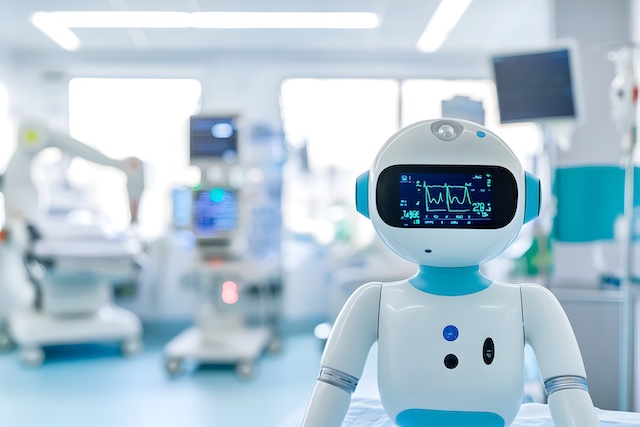
AI-Enabled Social Robots Show Early Promise for Patient and Clinician Acceptance
Key Takeaways:
- A pilot study suggests that a GPT-controlled social robot is acceptable to both patients and healthcare professionals in a hospital setting.
- The research focused on technical, organisational and ethical feasibility, rather than on demonstrating improvements in care quality.
- Careful system design, including restricting information sources to clinician-validated content, was central to building trust and reducing risk.
Early insights into acceptance and feasibility
Researchers from University of Twente, Medisch Spectrum Twente and Politecnico di Milano have conducted a pilot study examining whether a GPT-controlled social robot could support people receiving care with medical information in a hospital environment. The initial findings suggest cautious optimism. Both patients and caregivers found the technology acceptable in practice.
The study examined not whether such a system improves clinical outcomes, but whether it can function safely and appropriately within real healthcare settings. Technical robustness, organisational fit and ethical considerations were all central to the research design.
Healthcare systems are facing sustained pressure from workforce shortages and rising demand. At the same time, clear, accessible communication remains essential, particularly for people living with chronic conditions. Digital tools may help address these challenges, but they also raise important questions around reliability, trust and governance.
The findings have been published in the journal Frontiers in Digital Health.
Exploring artificial intelligence with a physical presence
Within this context, the research team investigated whether a social robot, powered by GPT technology, could provide people receiving care with information about their condition and treatment. The system combined a physical robot with a human-like face, facial expressions and speech capabilities, enabling natural spoken interaction.
According to the study, this physical presence was well received by both patients and healthcare professionals. People described the conversations as accessible and pleasant. However, the researchers were careful to frame these findings appropriately.
“This should not be interpreted as evidence that care quality improves,” emphasised lead researcher Jan-Willem van ‘t Klooster. “We investigated whether such a system can function in practice, not whether it already improves care.”
Tested in real clinical settings
The research began with a controlled laboratory study before moving into everyday clinical practice. In total, 21 people with osteoarthritis and seven healthcare professionals interacted with the robot in the hospital setting. Both groups rated the system positively in terms of usability and overall acceptance.
Van ’t Klooster highlighted the importance of this early step. “Acceptance is a first step. Then you can investigate whether such a technology really contributes to better information provision, therapy adherence or time savings for health care providers.”
Managing risk through controlled use of AI
A key aspect of the project was how artificial intelligence was implemented. The GPT system did not have unrestricted access to the internet. Instead, it was limited to information drawn from pre-approved, clinician-validated medical websites. This approach was designed to reduce the risk of incorrect or fabricated responses, often referred to as hallucinations.
“The debate is often about whether you should use AI in health care,” said Van ’t Klooster. “We show that it is mainly about how you set it up. By setting clear boundaries, control remains in the hands of health care professionals.”
Collaboration across disciplines
The project brought together expertise from behavioural science, clinical practice, design and technology. Alongside researchers from the University of Twente, healthcare professionals, designers and international partners contributed to the study.
“It is precisely this collaboration that makes this kind of research possible,” Van ’t Klooster noted.
The authors stress that further work is needed before such systems could be considered for broader implementation. Planned follow-up research includes examining long-term use, knowledge transfer and the appropriate language level for patient communication, ensuring that future applications remain accessible, safe and trustworthy for people receiving care.
Read More
AI Tools Show Promise for Improving Diagnostics and Outcome Prediction in Resource-Limited Health Care Settings
Key Takeaways:
- Transfer learning enables AI models trained in data-rich settings to be safely adapted for use in health care systems with limited local data, improving predictive performance without rebuilding models from scratch.
- In a Vietnam case study, an adapted AI model substantially improved prediction of neurological recovery after cardiac arrest compared with the unadapted model.
- Wider adoption of AI in low- and middle-income countries will require targeted skills development, infrastructure support and robust global governance frameworks.
Reducing uncertainty after cardiac arrest in constrained settings
After a cardiac arrest, families and clinicians are often confronted with profound uncertainty about a person’s chances of neurological recovery. This uncertainty is particularly acute in hospitals with limited resources, where access to advanced diagnostics and large datasets is constrained.
Researchers from Duke-NUS Medical School and collaborators have demonstrated how artificial intelligence can help address this challenge. By adapting an advanced AI model, the team improved the accuracy of neurological outcome prediction following cardiac arrest in a resource-limited setting.
Published in npj Digital Medicine, the study focused on the use of transfer learning, an AI technique that adapts models pre-trained on large datasets to new environments with limited local data. This approach can enhance performance in new contexts without requiring extensive and costly data collection, making it particularly relevant for low- and middle-income countries.
Adapting a high-income model for local use
The researchers began with a brain-recovery prediction model developed in Japan using data from 46,918 people who experienced out-of-hospital cardiac arrest. They then adapted this model for use in Vietnam, where it was tested on a smaller cohort of 243 patients.
The adapted model performed markedly better than the original model when applied directly to the Vietnamese data. It correctly distinguished between people at higher and lower risk of poor neurological outcomes approximately 80 percent of the time, compared with around 46 percent accuracy when the original, unadapted model was used.
Senior author Associate Professor Liu Nan, from Duke-NUS’ Center for Biomedical Data Science and Director of the Duke-NUS AI + Medical Sciences Initiative, said,
“The study shows AI models do not need to be rebuilt from scratch for every new setting. By adapting existing tools safely and effectively, transfer learning can lower costs, reduce development time and help extend the benefits of AI to health care systems with fewer resources.”
Expanding AI’s role beyond outcome prediction
Beyond predicting outcomes after cardiac arrest, AI has potential applications across a broad range of health care needs in low- and middle-income countries. In a separate study published in Nature Health, Duke-NUS researchers and collaborators, including colleagues from University College London, explored how large language models, trained on extensive text data to understand and generate human language, could support global health.
In resource-constrained environments, such tools may improve access to care, diagnostics and clinical decision-making. Examples highlighted by the researchers included a chatbot providing pregnancy-related information to expectant mothers in South Africa and smartphone-based applications used by community health workers in Sierra Leone to detect malaria infections from blood smear samples. These approaches offer more cost-efficient alternatives to conventional microscope-based systems.
Despite these advances, the researchers noted that AI development and deployment remain concentrated in high-income and upper-middle-income settings. While 63 percent of surveyed researchers, clinicians and service providers reported actively using AI tools, many low- and middle-income countries continue to face significant barriers, including limited infrastructure, insufficient technical expertise and a lack of locally generated evidence on how best to address these gaps.
Co-author Siegfried Wagner, from UCL Institute of Ophthalmology and Moorfields Eye Hospital NHS Foundation Trust, said,
“LLMs have the greatest opportunity to transform health care in settings where specialist physicians are scarcest, but the global health community needs to work together with some urgency to ensure the implementation of LLMs is supported in regions where adoption is most challenging.”
Dr Ning Yilin, Senior Research Fellow at Duke-NUS’ Center for Biomedical Data Science and a co-first author of the study, emphasised the importance of prioritising people when integrating AI into health care:
“Strengthening digital literacy and building confidence in using these tools will ensure AI supports, rather than disrupts, the workforce. Tailored skills-development pathways can help under-resourced workers adapt and thrive, allowing AI to uplift and add value to clinical and administrative roles.”
Charting the path forward: Governance and guardrails
While AI tools have clear potential to improve health care delivery, the researchers stressed that appropriate governance frameworks are essential to ensure safe and ethical implementation. Existing regulations for medical technologies often do not adequately address AI-specific risks, such as data privacy concerns, model hallucinations or unclear accountability for deployment and oversight.
To help close these gaps, researchers led by Duke-NUS have proposed the creation of an international consortium known as the Partnership for Oversight, Leadership, and Accountability in Regulating Intelligent Systems-Generative Models in Medicine, or POLARIS-GM.
The consortium aims to develop actionable best-practice guidance for regulating emerging AI tools, monitoring their impact, establishing safety guardrails and adapting them for use in resource-limited settings. By bringing together health care leaders, regulators, ethicists and patient groups from around the world, POLARIS-GM plans to adopt a phased approach, beginning with a review of existing research before working towards global consensus on AI governance in health care.
Dr Jasmine Ong, from the Duke-NUS AI + Medical Sciences Initiative and a Principal Clinical Pharmacist at Singapore General Hospital, and first author of the correspondence published in Nature Medicine, said,
“With clear oversight and clearly defined guidelines, health care systems can confidently leverage AI’s many strengths to improve health outcomes while steering clear of potential pitfalls.
From policymakers to patient groups, all stakeholders have a crucial role to play in making this goal a reality.”
Read More