
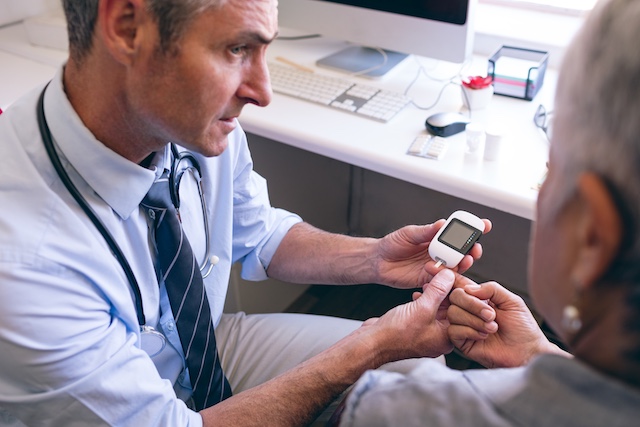
Weight Raised in Fewer Than Four in Ten Type 2 Diabetes Consultations, With Bariatric Surgery Never Mentioned
Key Takeaways:
- Weight was discussed in just 48 of 123 recorded primary care visits for people living with type 2 diabetes (39%), and clinicians never used the words “overweight” or “obesity” during these conversations.
- Clinicians started most weight discussions, with only 15% classed as patient-directed, and the advice given differed depending on who raised the topic.
- Bariatric surgery was not mentioned in any of the recorded visits, suggesting that some people may not be hearing about the full range of treatment options available to them.
Weight conversations were infrequent in recorded diabetes visits
A Yale-led study published in BMC Primary Care has found that weight was discussed in only 48 of 123 recorded primary care visits for type 2 diabetes – just 39% of appointments. Clinicians initiated the majority of these conversations, only 15% were patient-directed, and bariatric surgery was never discussed.
The research drew on video-recorded visits at Fair Haven Community Health Care in New Haven, Connecticut. Notably, clinicians never used the terms “overweight” or “obesity”. Instead, they referred to weight in general terms, and on occasion talked in pounds or kilograms.
For people living with type 2 diabetes, the findings highlight a practical opportunity. Options for treating weight have broadened considerably in recent years, including GLP-1 medications and other approaches, and people do not need to wait for their clinician to raise the subject.
Clinicians led most weight discussions, and surgery was never mentioned
The study analysed visits recorded as part of a trial called QBSAfe, which tested an agenda-setting tool for diabetes care. The tool itself did not address weight. Every participant was living with type 2 diabetes, had an HbA1c (A1c) of at least 8% and a body mass index of at least 25. Most participants were Hispanic or Latino, and most of those who reported their income were on low incomes.
Clinicians started 56% of weight discussions. The researchers categorised 44% of conversations as clinician-directed, 38% as collaborative, 15% as patient-directed and 4% as confrontational. Every patient-directed conversation began with the patient raising the topic themselves.
The type of advice given varied according to who started the conversation. According to News-Medical’s summary of the study, clinicians recommended physical activity in 44% of the conversations they initiated, compared with just 14% of those started by patients. Changes to diet and diabetes medicines associated with weight loss were common recommendations. Social factors, such as access to food, were raised in 17% of discussions, while referrals to a dietitian featured in 13%.
Weight was discussed more frequently with people already taking GLP-1 receptor agonists, although the researchers were unable to establish why. One treatment option was absent altogether: “Bariatric surgery was not discussed,” the authors wrote.
A small, single-clinic snapshot with clear limitations
This was an observational study of 123 recorded visits at a single community health centre. It describes how weight was discussed but cannot show whether any particular conversation style changed people’s health or behaviour. Classifying the conversations involved a degree of judgement, and results may differ in other clinics or among other patient groups.
The authors acknowledged that social barriers may have been addressed outside the recorded visits. Even so, if patients rarely lead the conversation and some treatment options are never raised, people may miss out on hearing about choices that could benefit their diabetes and their overall health.
The treatment landscape is also changing rapidly. MedicalDaily has reported on trial results for combination weight-loss medicines in people living with type 2 diabetes, and further options are currently being studied.
The findings also point to the value of supporting clinicians to feel confident raising weight in a sensitive, person-centred way and discussing the full range of evidence-based options. Continuing professional development, such as The College of Contemporary Health’s Obesity Essentials course, can help healthcare professionals strengthen their approach to these conversations with people living with obesity and related conditions.
People who may benefit most from speaking up
People living with type 2 diabetes whose blood sugar remains high despite treatment may have the most to gain from a fuller conversation about weight. For many people living with diabetes, losing weight can make blood sugar easier to manage, and some newer diabetes medicines also reduce weight.
People with limited appointment time, those facing language barriers and those on lower incomes may encounter additional hurdles. These groups were well represented in the study, which makes its findings particularly relevant to community health centres and safety-net clinics.
Questions to bring to the next diabetes appointment
Patients can raise weight directly at the start of a visit so that it does not get squeezed out. A simple way to open the conversation is to ask whether weight is affecting blood sugar and what options might help.
From there, useful questions include whether a GLP-1 medication or another diabetes medicine that supports weight loss would be suitable, what side effects to expect and how long treatment might last. Patients can ask whether they meet the criteria for bariatric surgery – which can include people living with type 2 diabetes that is difficult to control – and what a referral would involve. They can also ask to be referred to a dietitian or a diabetes education programme.
Cost is often the deciding factor. In the US setting of the study, patients can ask which medicines their insurance covers, whether prior authorisation is required and whether lower-cost alternatives or manufacturer assistance programmes are available.
Writing questions down before the appointment and bringing an up-to-date list of medicines can also help. Patients who prefer to speak Spanish or another language can ask for an interpreter, as programmes receiving US federal funding must provide free language assistance services.
Safety comes first
No one should start, stop or change a diabetes medicine without first speaking to a clinician. Symptoms such as extreme thirst, confusion, fainting or signs of very low blood sugar require prompt medical attention. The researchers called for ways to make weight conversations more frequent in primary care, but patients do not need to wait for their clinician to raise the subject.
CCH insight
This study shows that weight is often left out of diabetes consultations, and that important treatment options such as bariatric surgery may never be raised. Our Obesity Essentials CPD course is designed for healthcare professionals who want to build their knowledge and confidence in supporting people living with obesity, helping to ensure that conversations about weight are routine, respectful and informed by the full range of options. Find out more and enrol today.
Explore Obesity Essentials short course →
Source: BMC Primary Care
Read More
Surgery Plus Medication Outperforms Surgery Alone in Young People
Key Takeaways:
- Young people who restarted obesity medication a median of one month after sleeve gastrectomy lost more weight at 12 months than those who had surgery alone.
- Improvements in eating behaviours, including hunger scores, were significantly greater in the early reinitiation group.
- Rates of postoperative complications, readmissions, emergency department visits and reoperations did not differ between the two groups.
Combining pharmacotherapy with surgery in adolescent obesity care
Restarting obesity medication, including glucagon-like peptide-1 (GLP-1) receptor agonists, shortly after sleeve gastrectomy is associated with greater weight loss at one year than surgery alone in adolescents, according to a research letter published online on 22 July in JAMA Surgery.
The finding speaks to a question that has become increasingly pressing as both metabolic and bariatric surgery and highly effective obesity pharmacotherapy have become available to younger patients: whether the two should be sequenced, or used together.
What the researchers set out to examine
Dr Alaina P. Vidmar, of Children’s Hospital Los Angeles, and colleagues evaluated the 12-month safety, weight trajectory and eating behaviour outcomes associated with early reinitiation of obesity medication following metabolic and bariatric surgery.
The analysis included 99 young people aged 7–20 who underwent sleeve gastrectomy between November 2023 and February 2026.
Half the cohort restarted medication within a month of surgery
Of the 99 young people in the cohort, 53 reinitiated obesity medication, with a median time to reinitiation of 1.0 month.
Among those who restarted treatment, most resumed the same class of medication they had been prescribed before surgery. Postoperative regimens were nonetheless generally consolidated, with fewer young people requiring multiagent therapy after their operation than before it.
Weight trajectories diverged after the six-month mark
Through the first six months, the two groups experienced similar early postoperative weight loss.
The picture changed by the end of the first year. The early reinitiation group achieved a greater mean reduction in body mass index (BMI) percentage at 12 months than the group who had surgery alone, at −29.3% versus −25.5%. The same pattern held for excess BMI loss percentage, at −53.6% versus −45.7%.
Eating behaviours improved more with combined treatment
Improvements in eating behaviours were significantly greater in the early reinitiation group at 12 months than in the surgery-only group. Median hunger scores on the Adult Eating Behaviour Questionnaire, for example, fell by 3.5 points in the early reinitiation group, compared with a rise of 0.2 points among those treated with surgery alone.
This behavioural dimension is a reminder that appetite regulation after surgery is not a fixed quantity, and that the interaction between pharmacological and surgical mechanisms is an area where prescribing clinicians increasingly need structured, up-to-date grounding. The College of Contemporary Health addresses precisely this territory in its GLP-1RA Complete Programme, which covers the pharmacology, patient selection, monitoring and behavioural support that underpin safe long-term use of these agents.
Safety outcomes were comparable between the groups
There was no difference between the groups in postoperative complications, including biliary events requiring cholecystectomy, readmissions, emergency department visits and reoperations.
A lifespan view of severe obesity
The authors frame the results as support for treating severe obesity in young people as a chronic condition requiring more than one modality.
“Bariatric surgery is the most durable and effective treatment for severe obesity, but for youth with severe disease, we need a multimodal approach, which means combining medication and surgery over the lifespan,” Vidmar said in a statement.
CCH insight
For clinicians supporting young people through and beyond metabolic and bariatric surgery, findings like these shift the practical question from whether to prescribe to when, what and for how long. Confidence with GLP-1 receptor agonists, and with the behavioural and monitoring work that surrounds them, is becoming a core competency rather than a specialist interest.
The College of Contemporary Health’s GLP-1RA Complete Programme is designed for healthcare professionals who want that grounding: mechanisms of action and the wider incretin landscape, patient selection and contraindications, dose escalation and adverse effect management, and the behaviour change support that helps people sustain outcomes over time. It is CPD-accredited and studied entirely online, so it fits around clinical commitments.
Explore the GLP-1RA Complete Programme →
Read More
Beyond the Scales: Why Physical Activity Remains Central to Obesity Care
Key Takeaways:
- Exercise earns its place in obesity care through benefits the scales never show – lower blood pressure, better insulin sensitivity and improved fitness – so it remains worthwhile even when weight changes little.
- On its own, activity shifts the scales only modestly, but paired with diet, obesity medications or surgery it protects lean muscle, drives fat loss and makes the results last.
- Tools such as the 5A consultation model, wearables and app-based coaching can lift adherence, though their value depends on access, accuracy and how well they fit each person’s life.
How much weight someone loses has long been the headline measure of whether obesity treatment is working. A new scientific statement from the American Heart Association, published in Circulation, makes the case that this measure misses much of what physical activity actually does. Movement, the statement argues, reshapes cardiovascular and metabolic health in ways that a set of weighing scales will never register.
What activity does that the scales cannot capture
Obesity sits at the centre of cardiovascular risk because of the company it keeps: raised blood pressure, disordered blood fats and insulin resistance. With roughly 42% of adults in the United States affected, the stakes are considerable, and treatment has traditionally pursued two linked aims, shedding weight and lowering heart disease risk.
Physical activity contributes to both, but the more interesting finding is how much it achieves on its own terms. Regular exercise lowers blood pressure, sharpens the body’s response to insulin and nudges cholesterol and other lipids in a healthier direction, and it does so whether or not the number on the scales falls. Aerobic and resistance training each deliver. As a rough rule, doing more tends to help weight-related outcomes most, while working harder pays off most for cardiorespiratory fitness.
Why exercise alone is a poor weight-loss strategy
If the goal is purely to lose weight, activity by itself is an inefficient route. Unless someone trains at high volumes, the losses are usually small, and fewer than one person in seven manages a clinically meaningful reduction through exercise alone. The body, in effect, fights back: appetite climbs and metabolism slows, eroding the deficit that training creates.
This is why exercise works best in combination. Adding it to a calorie-reduced diet produces more weight loss and better metabolic results than either approach in isolation. And the composition of that loss matters as much as the total. Eating enough protein and including resistance work helps ensure the weight that goes is fat rather than muscle, preserving the lean tissue that keeps metabolism and strength intact.
Keeping weight off is the harder battle
Losing weight is difficult; not regaining it is harder still, and regain tends to undo the health gains that came with it. Here the evidence points firmly towards higher activity levels, somewhere between 200 and 300 minutes a week, as a marker of people who keep weight off successfully. The catch is that few people sustain that volume.
A more realistic path is to build gradually towards at least 150 minutes a week of moderate-to-vigorous activity, then add more where possible. Even when some weight creeps back, staying active keeps the cardiometabolic benefits in play, which is reason enough to maintain the habit rather than abandon it after a setback.
Where medication and surgery enter the picture
For people whose body mass index is high and for whom lifestyle change has not been enough, obesity medications and bariatric surgery are central options. Both are effective, and both come with real-world limits around cost, availability and side effects. Neither replaces an active lifestyle; the statement frames physical activity as the strategy that should run alongside them.
The newer GLP-1 receptor agonists, including liraglutide, semaglutide and tirzepatide, have transformed what medication can achieve, with some trials approaching the results once seen only after surgery. They work mainly by curbing appetite and slowing the stomach’s emptying, and although side effects are common, they are usually manageable. Beyond weight, liraglutide and semaglutide have been shown to cut major cardiovascular events in certain high-risk groups.
What remains poorly understood is how exercise fits into this newer landscape. Most medication trials simply have not isolated what activity adds, or how the two interact, leaving the ideal exercise prescription for people on these drugs an open question. The issue is sharpened by the fact that a notable share of the weight lost on GLP-1 receptor agonists is lean tissue rather than fat, even if the long-term consequences of that are not yet clear. The handful of studies that do compare medication with and without exercise suggest that adding activity means more fat loss and better fitness, but the field is still waiting for the large, controlled trials that would settle the matter.
Surgery raises related questions. People approaching bariatric procedures tend to be less active to begin with, and there is no agreed playbook for the period beforehand; insurer-mandated pre-surgical activity programmes exist, but the evidence that they change outcomes is thin and inconsistent. Afterwards, the picture is clearer: people who move more lose more weight and fat, hold onto those losses, and gain in fitness and strength, though effects on metabolic risk markers vary and access to structured programmes is frequently lacking.
Turning good intentions into sustained habits
Clinicians are not bystanders in any of this. A widely used framework, the 5A model, gives consultations a useful spine: assess where the person is, advise on the options, agree on goals, assist in pursuing them and arrange follow-up. Worked through properly, each step tends to deepen engagement with both dietary change and activity, making healthy behaviours easier to stick to.
Doing this well means looking past activity levels alone to the psychological, social and medical factors that can stall progress, and gauging how ready and confident someone feels about changing. Counselling tailored to that profile builds motivation and trust, which in turn supports the activity itself. Equipping clinicians to weave physical activity, dietary change and behaviour change into everyday obesity consultations is the focus of practical training such as the College of Contemporary Health’s Obesity Toolbox, a CPD-accredited online short course. Because a short appointment can only do so much, part of the clinician’s job is helping people spot the obstacles in their way, solve them together, and connect with wider support, whether behavioural counselling or a digital programme that keeps them accountable between visits.
Technology is increasingly part of that support. Wearables, apps, text reminders, personalised feedback and self-monitoring all show promise for keeping people moving. The statement is careful, though, to flag the caveats: not everyone has equal access to these tools, the devices vary in how accurately they measure activity, and none of it substitutes for regular reassessment and structured follow-up.
The bottom line for treatment
Physical activity belongs at the heart of comprehensive obesity care, supporting weight loss, helping maintain it and improving health more broadly. Medications and surgery are genuine advances, but exercise adds something they do not fully provide: gains in cardiovascular risk, body composition, fitness and quality of life, many of which arrive independently of any change on the scales.
Delivering that well takes teamwork across clinicians and allied health professionals, and programmes that are not only effective but also affordable and within reach, especially for under-resourced communities where obesity is more common and activity levels lower. Making the wider case for movement, rather than treating it as a weight-loss tool alone, is likely to be what makes obesity treatment hold up over the long run and eases the cardiovascular toll that obesity exacts.
CCH insights:
This study strikes right at the heart of how our understanding of obesity is starting to change – it is not all about body weight and body fat, but about health. Although reducing harmful body fat is an important part of obesity treatment, so is improving cardiometabolic health and other health issues that arise as a result of obesity. And physical activity is a vital tool in delivering these health improvements – helping to reduce blood pressure, regulate blood glucose, reduce cholesterol and improve
muscle mass and function – whether or not it results in weight loss whether or not it results in weight loss. For clinicians looking to put this into practice, CCH’s Obesity Toolbox (1.5 hours, fully online, CPD-accredited) is a quick, practical primer on the essentials of physical activity, dietary change and behaviour change in obesity care – a fast starting point for busy practitioners.
Explore the Obesity Toolbox →

Bariatric Surgery Delivers Greater Weight Loss and Disease Remission Than GLP-1 Drugs, Large Analysis Finds
Key Takeaways:
- A large real-world analysis involving more than 430,000 patients found that metabolic and bariatric surgery produced substantially greater weight loss than GLP-1 medications after 12 months.
- Surgery was associated with higher remission rates for obesity-related conditions including type 2 diabetes, hypertension and high cholesterol.
- Researchers and clinicians said GLP-1 medications represent an important advance in obesity care, but cautioned that they should not be viewed as a replacement for metabolic and bariatric surgery in people requiring more substantial and durable outcomes.
Surgery outperformed GLP-1 drugs across key outcomes
Metabolic and bariatric surgery may provide significantly greater weight loss and higher rates of obesity-related disease remission than glucagon-like peptide-1 receptor agonist medications, according to a major new real-world comparison presented at the American Society for Metabolic and Bariatric Surgery (ASMBS) Annual Meeting 2026.
The systematic review and analysis, described as one of the largest and most comprehensive comparisons of the two treatment approaches to date, evaluated data from 30 clinical studies involving more than 430,000 patients. Researchers found that although both treatments produced meaningful clinical benefits for people living with obesity, metabolic and bariatric surgery consistently outperformed GLP-1 therapies across all major outcomes assessed.
The research was conducted by investigators from Yale School of Medicine, Coreva-Scientific, Vanderbilt University and UT Health San Antonio.
Greater weight loss after surgery
According to the findings, people who underwent metabolic and bariatric surgery experienced more than 20% greater weight loss at 12 months compared with those treated with GLP-1 receptor agonist medications.
Researchers also reported that surgery was linked to substantially higher remission rates for several obesity-related health conditions. Compared with GLP-1 therapy, metabolic and bariatric surgery was associated with:
- 42% higher remission rates for type 2 diabetes
- 12.8% higher remission rates for hypertension
- 20.8% higher remission rates for high cholesterol
The analysis focused specifically on studies that directly compared bariatric surgery with GLP-1 receptor agonists. Studies that combined surgery and medication therapies were excluded from the review.
The primary endpoint examined was weight loss at 12 months. Secondary endpoints included remission of obesity-related conditions such as type 2 diabetes, hypertension and hyperlipidaemia.
Researchers highlight durability of surgical outcomes
The study authors noted that although GLP-1 medications have transformed obesity treatment and expanded evidence-based care options, metabolic and bariatric surgery continues to deliver greater and more durable results for many patients.
“While GLP-1 medications are an important advance, they do not match the magnitude or durability of outcomes achieved with metabolic and bariatric surgery, which remains one of the most underutilized treatments in medicine. Once the medications are discontinued, whether due to side effects, cost or other factors, their benefits often diminish or disappear, whereas the benefits of surgery endure.” – John M. Morton, MD, MPH, FASMBS, Study Co-Author, Professor of Surgery and Vice-Chair, Quality, Surgery at Yale School of Medicine
The findings add to ongoing discussions within obesity care about how best to position GLP-1 therapies and surgical interventions within long-term treatment pathways.
Evidence gap in direct comparisons
Despite the rapid growth in the use of GLP-1 medications such as semaglutide and tirzepatide, researchers noted that direct comparisons between these drugs and bariatric surgery remain limited.
The review involved a comprehensive search of PubMed and EMBASE databases to identify relevant studies comparing the two treatment approaches.
Commenting on the findings, an independent obesity surgery expert said the analysis helps address a major evidence gap in the field.
“Despite the explosive growth of GLP-1 drugs, no randomized controlled trials have directly compared them to bariatric surgery. This analysis helps fill that evidence gap,” said John Scott, MD, FACS, FASMBS, clinical professor of surgery at the University of South Carolina School of Medicine Greenville and metabolic and bariatric surgery director for Prisma Health, who was not involved in the study.
“GLP-1s have expanded evidence-based treatment options, but they should not be seen as a replacement for surgery – especially for patients who require the level of outcomes that only metabolic and bariatric surgery can provide.”
Expanding treatment options in obesity care
The findings come amid growing global interest in obesity treatment strategies as the use of GLP-1 receptor agonists continues to rise rapidly. Medications in this class have demonstrated significant effectiveness for weight reduction and metabolic health improvement, but concerns remain regarding long-term adherence, cost, side effects and weight regain after discontinuation.
Metabolic and bariatric surgery, meanwhile, has long been associated with substantial and sustained weight loss as well as improvements in obesity-related conditions such as type 2 diabetes and cardiovascular risk factors. However, experts have repeatedly argued that surgery remains significantly underutilised despite its established effectiveness.
The researchers concluded that while both treatment approaches play an important role in obesity management, metabolic and bariatric surgery continues to provide the most substantial improvements in weight loss and disease remission outcomes based on current comparative evidence.
Source: American Society for Metabolic and Bariatric Surgery
Read More
Metabolic Bariatric Surgery Shows Greater Two-Year Weight Loss Than GLP-1 RAs
Key Takeaways:
- Metabolic bariatric surgery was associated with substantially greater and more durable weight loss over two years than treatment with GLP-1 receptor agonists in adults living with class II or III obesity.
- Overall health care costs over two years were lower for people who underwent surgery, largely due to the ongoing pharmacy costs associated with GLP-1 receptor agonist therapy.
- The findings underline the importance of multidisciplinary care, particularly for clinicians managing obesity-related conditions where sustained weight reduction is central to disease control.
Overview
A large retrospective, claims-based cohort study has found that metabolic bariatric surgery delivers greater long-term weight loss benefits and lower overall health care costs over two years compared with glucagon-like peptide-1 receptor agonists (GLP-1 RAs) in adults living with severe obesity. The analysis suggests that, in real-world clinical practice, surgical approaches may offer more durable outcomes than pharmacotherapy alone for this population.
Study design and data sources
This retrospective cohort study compared outcomes following metabolic bariatric surgery with those achieved using GLP-1 receptor agonist therapy for weight management. Surgical procedures included sleeve gastrectomy and gastric bypass. Pharmacological treatments included dulaglutide, exenatide, liraglutide, lixisenatide, semaglutide, and tirzepatide.
The analysis drew on data from the Highmark Health insurance claims database linked with electronic health records from the Allegheny Health Network. In total, 30,458 adults living with class II or III obesity were included. All individuals in the weight-loss analysis had a body mass index of at least 40 at the time of enrolment.
To minimise baseline differences between groups, the researchers used propensity score weighting to balance key characteristics, including body mass index, age, sex, comorbid conditions, and patterns of health care utilisation. Adjusted analyses then compared weight-loss trajectories, obesity-related comorbidities, and total health care costs over a two-year follow-up period.
Weight loss outcomes and durability
Of the total cohort, 14,101 people underwent metabolic bariatric surgery, with a mean follow-up of 34 months. A further 16,357 people were prescribed GLP-1 receptor agonists, with a mean follow-up of 32 months.
After two years, metabolic bariatric surgery was associated with markedly greater mean total weight loss than GLP-1 receptor agonist therapy, at 28.3 per cent compared with 10.3 per cent. Weight loss following surgery was also more durable. Ninety-six per cent of people in the surgical group achieved sustained weight loss of at least 10 per cent, compared with 46 per cent of those treated with GLP-1 receptor agonists.
In addition to superior weight outcomes, people who underwent metabolic surgery experienced fewer obesity-related comorbidities and lower health care utilisation across inpatient, outpatient, and emergency care settings.
Cost analysis
Over the two-year follow-up period, metabolic bariatric surgery was associated with significantly lower mean total health care costs than GLP-1 receptor agonist therapy. Average costs were reported as $51,794 for the surgical group compared with $63,483 for those receiving GLP-1 receptor agonists.
The higher costs observed in the pharmacotherapy group were largely driven by ongoing pharmacy expenses related to long-term GLP-1 receptor agonist use. While surgery involves a higher upfront cost, the findings suggest this is offset over time by reduced medication use and lower overall health care utilisation.
Study limitations
The authors note several important limitations. Weight data were available for only a small proportion of participants, comprising 9 per cent of the surgery group and 1.6 per cent of the GLP-1 receptor agonist group. This limits the generalisability of the weight-loss findings to the full cohort.
In addition, the indication for GLP-1 receptor agonist prescriptions was not always clear, meaning some individuals may have been treated primarily for diabetes rather than obesity. However, an obesity-only subgroup analysis restricted to people without a diabetes diagnosis produced similar results, supporting the robustness of the main findings.
Follow-up duration differed slightly between groups, and adherence to GLP-1 receptor agonist therapy was likely lower in this real-world setting than would be expected in a controlled clinical trial. Finally, the cost data reflect the United States health care system and may not be directly transferable to other countries or funding models.
Clinical relevance
For clinicians managing obesity-related complications, including ophthalmologists caring for people with obesity-associated eye disease such as idiopathic intracranial hypertension, these findings highlight the broader systemic benefits of durable weight reduction. Although GLP-1 receptor agonists are increasingly recommended in the management of idiopathic intracranial hypertension, the study suggests that metabolic bariatric surgery may offer greater sustained weight loss at a lower long-term cost.
The results emphasise the value of close collaboration between ophthalmology, endocrinology, and bariatric surgery teams when supporting people whose disease burden is driven by obesity. While ongoing government discussions around medication pricing may influence future cost-effectiveness analyses, the substantial differences observed in this study indicate that metabolic surgery is likely to remain a cost-effective intervention even if GLP-1 receptor agonist costs were to decrease.
Disclosures and publication details
Financial disclosures: Dr Chantal Boisvert reports a financial relationship with Viridian Therapeutics, serving as a consultant or advisor and receiving grant support.
Read More
Internalised Weight Stigma Places Heavy Emotional Burden on People Seeking Bariatric Care, Indian Study Finds
Key Takeaways:
- More than 71 percent of participants preparing for metabolic and bariatric surgery reported high levels of internalised weight bias, with many expressing self-blame, shame, and reduced self-worth.
- Younger individuals and those with a higher BMI reported stronger internalised stigma, which affected emotional well-being, social relationships, and readiness to seek treatment.
- Researchers and clinicians stress that obesity is a chronic disease, not a personal failing, and warn that stigma significantly harms mental health and delays access to appropriate care.
Introduction
A new study has highlighted the profound emotional and psychological toll experienced by people living with obesity who are preparing for metabolic and bariatric surgery. The research found that internalised weight bias is widespread among individuals seeking specialist care, with many reporting depressive symptoms, reduced self-esteem, and deep feelings of self-criticism linked to their weight.
The pilot study, titled The Burden from Within—An Indian Pilot Study on Weight Bias Internalisation, was published in Obesity Surgery, the international journal of the International Federation for the Surgery and Other Therapies for Obesity (IFSO).
Weight stigma beginning in childhood and persisting into adulthood
Lead author Dr Aparna Govil Bhasker, a Mumbai-based bariatric surgeon at the MetaHeal Laparoscopy and Bariatric Surgery Centre, told The Indian Express that stigmatising experiences often begin early in life. She explained that weight-related bullying is common during childhood and continues into adulthood for many people.
“People living with obesity are frequently judged as lazy or lacking willpower. Negative media portrayals, especially weight-based memes and stigmatising content, only deepen these harmful beliefs. Post-pandemic trends show that online negativity toward obesity has grown even stronger,” she said.
Study design and participant profile
To assess the emotional impact of obesity on people seeking surgical intervention, the research team evaluated 142 participants using the validated Weight Bias Internalization Scale (WBIS). Of the total cohort, 78.9 percent were women, and all participants had a body mass index of at least 27.5 kg/m².
Researchers examined total WBIS scores, associations with age, and correlations with BMI to understand how internalised stigma manifests in individuals preparing for metabolic and bariatric surgery.
High prevalence of internalised weight bias
The study revealed striking levels of internalised stigma:
- More than 71.1 percent of participants scored above the neutral benchmark on the WBIS, indicating widespread internalisation of negative weight-based beliefs.
- Around 74.6 percent reported feeling depressed about their weight.
- More than half felt less attractive because of their weight.
- More than one-third questioned their own competence.
The findings indicate that weight stigma does not simply come from external sources. Many participants had come to believe the negative stereotypes directed at them.
Self-judgement, self-hate, and social avoidance
The report found that more than half of the individuals surveyed expressed intense self-criticism, including feelings of self-hatred related to their weight. Many participants described weight as a defining measure of their personal worth.
Social relationships were also severely affected. Approximately 45.8 percent of participants questioned why anyone they considered attractive would want to date them. Half believed they did not deserve a fulfilling social life until they lost weight.
The data also showed that younger participants experienced stronger internalised bias, while those with higher BMI levels demonstrated deeper self-directed stigma.
“This shows that obesity status and internalisation of weight bias affect social interactions, connections, and relationships, which can have a long-lasting impact on the life course of an individual’s personal, emotional, occupational, and financial trajectory,” Dr Govil Bhasker said.
Obesity rising rapidly in India but not recognised as a disease
The researchers noted that obesity rates in India have nearly doubled since 2005. Data from the fifth National Family Health Survey (2019–21) show that 24 percent of women and 22.9 percent of men aged 15 to 49 years live with overweight or obesity.
Despite this rapid rise, obesity is not officially classified as a disease in India. Dr Govil Bhasker argued that the findings underline the deep societal stigma embedded in attitudes toward obesity.
“Patients often feel ashamed, guilty, and discouraged. They endure years of negative comments, judgment, and misinformation, and over time, these negative experiences become internalized. This affects their self-worth and mental health and can delay their decision to seek proper treatment. Obesity is a chronic disease, not a personal failure, and supporting patients emotionally is just as important as helping them medically,” she said. She added that targeted interventions are urgently needed.
Stigma’s broad impact on mental and physical health
Dr Vishakha Jain, Professor of Medicine at AIIMS BibiNagar and one of the study’s co-authors, emphasised that stigma infiltrates every aspect of daily life.
She explained that persistent stigma affects physical health, mental well-being, occupational performance, and social relationships. It can contribute to unhealthy eating patterns and biological stress responses, including increased inflammation.
“Together, these pressures create a cycle of self-blame and prejudice, often making individuals feel undeserving of care,” Dr Jain said.
Conclusion
The study provides compelling evidence that internalised weight stigma is highly prevalent among people preparing for bariatric care in India and that it carries profound psychological, social, and behavioural consequences. The authors urge greater recognition of obesity as a chronic disease and call for emotional as well as medical support for individuals affected.
Read More
Use of GLP-1 Drugs Soars Among People Undergoing Bariatric Surgery, Study Finds
Key Takeaways:
- The use of GLP-1 receptor agonists such as semaglutide and tirzepatide among bariatric surgery patients increased sixteenfold between 2020 and 2024.
- Both people with and without Type 2 diabetes are increasingly using these drugs, showing a shift toward combination approaches in obesity management.
- Researchers emphasise the importance of multidisciplinary care and call for evidence-based guidelines to optimise the use of GLP-1 drugs alongside surgery.
A rapid evolution in obesity care
New research has revealed a dramatic increase in the use of weight loss medications among people undergoing metabolic and bariatric surgery, signalling a major shift in the treatment of obesity and Type 2 diabetes.
The study will be presented at the American College of Surgeons (ACS) Clinical Congress 2025, held in Chicago from 4–7 October.
“There is no one-size-fits-all approach to treating obesity, metabolic syndrome, or diabetes and its related conditions,” said Dr Patrick J. Sweigert, senior author of the study and bariatric and foregut surgeon at The Ohio State University Wexner Medical Center in Columbus, Ohio. “We are entering a new world of multidisciplinary care pathways and a new frontier of weight management that is important for patients and surgeons to think about.”
About the study
The research team conducted a large cross-sectional study examining the use of glucagon-like peptide-1 receptor agonists (GLP-1RAs) – specifically semaglutide (marketed as Wegovy and Ozempic) and tirzepatide (marketed as Zepbound and Mounjaro) – among people undergoing metabolic and bariatric surgery.
Using data from the Epic Cosmos database, which aggregates over 300 million patient records from healthcare institutions across the United States, Dr Sweigert and colleagues analysed nearly 365,000 individuals who underwent primary metabolic and bariatric surgery between 2018 and 2024.
The study assessed prescription patterns for semaglutide and tirzepatide, two of the most widely prescribed GLP-1RAs, to understand how their use has evolved before surgery.
Key findings
Preliminary findings showed a striking rise in GLP-1 prescriptions in the year preceding surgery – from 1.8% in early 2020 to 29.4% by the end of 2024, representing a sixteenfold increase.
Importantly, the surge was seen among people both with and without Type 2 diabetes, demonstrating the expanding role of GLP-1 drugs in obesity treatment beyond diabetes management.
Among those without Type 2 diabetes, use of GLP-1 drugs before surgery increased elevenfold – from 2.1% in early 2022 to 23.2% by late 2024. For those with Type 2 diabetes, preoperative use quadrupled – from 11.3% to 45.2% over the same period.
The median age of participants was 43 years, with a median preoperative body mass index (BMI) of 46. Women accounted for 80% of the cohort, and 33% had a diagnosis of Type 2 diabetes.
Changing perceptions and treatment pathways
Lead author Dr Stefanie C. Rohde, a general surgery resident at The Ohio State University Wexner Medical Center, explained that the findings represent an evolution in how people view their treatment options for obesity.
“While patients previously believed they had to choose between GLP-1 receptor agonists and surgery, we are now seeing that people are using both,” said Dr Rohde. “We know that patients can use GLP-1s after bariatric surgery to amplify their weight loss. But all of this is still very new in terms of how to manage patients effectively.”
She added that real-world data such as that provided by the Epic Cosmos network could play a critical role in establishing evidence-based clinical guidelines for how and when to integrate GLP-1 therapies – whether before surgery, in combination with it, or during postoperative follow-up.
Limitations and next steps
The researchers acknowledged several limitations. As with many analyses of large health databases, there may be inaccuracies in medical record data. The study was also unable to confirm whether individuals filled or took their prescribed medications, which could affect the reliability of prescription data.
Despite these caveats, the authors believe the study offers valuable insights into emerging trends in combined pharmacological and surgical approaches to obesity care.
Study co-author Mahmoud Abdel-Rasoul, MS, MPH, contributed to the data analysis and interpretation.
Looking ahead
The rapid rise in GLP-1 use among bariatric surgery candidates reflects a broader transformation in obesity treatment – one increasingly characterised by personalised, multidisciplinary, and data-informed care.
As Dr Sweigert noted, “We are entering a new world of multidisciplinary care pathways.” The challenge now lies in defining the most effective, safe, and sustainable ways to integrate these groundbreaking medications into established surgical treatment frameworks.
CCH insight:
These findings from the ACS, showing GLP-1 drug use prior to bariatric surgery, follow on from another study showing that many patients use GLP-1 drugs after surgery, in order to prevent weight regain. This will hopefully help to shift the thinking around obesity treatment. There is still a common perception that patients with obesity have the option of medication or bariatric surgery, and that it is a ‘one-and-done’ treatment. However, we know that obesity is a complex, chronic, relapsing disease which requires a long-term, multi-disciplinary approach. So we need medications, we need surgery and we need behavioural support and other interventions, used together in various combinations, at different times, to provide the life-long care that obesity patients require.
Read More
Bariatric Surgery Delivers Greater Long-Term Benefits Than GLP-1 Medicines Alone, Cleveland Clinic Study Finds
Key Takeaways:
- People with obesity and type 2 diabetes who underwent bariatric surgery lived longer and experienced fewer serious complications than those treated with GLP-1 receptor agonist medicines alone.
- Surgery was associated with a lower risk of death, cardiovascular disease, kidney disease, and diabetes-related eye damage over a 10-year period.
- Patients who had surgery lost more weight, achieved better blood sugar control, and relied less on medications for diabetes, blood pressure, and cholesterol.
Major Cleveland Clinic study compares treatments
A large-scale study conducted by Cleveland Clinic has shown that people living with obesity and type 2 diabetes who undergo bariatric (metabolic) surgery experience significantly better long-term outcomes compared with those treated only with GLP-1 receptor agonist (GLP-1RA) medicines.
The research, published in Nature Medicine, followed nearly 4,000 patients and found that surgery was linked to longer life expectancy, greater weight loss, improved blood sugar control, and reduced reliance on diabetes and cardiovascular medicines.
“Even with today’s best medicines, metabolic surgery offers unique and lasting benefits for people with obesity and diabetes,” said Ali Aminian, M.D., Director of Cleveland Clinic’s Bariatric & Metabolic Institute and primary investigator of the study. “The benefits we observed went beyond weight loss. Surgery was linked to fewer heart problems, less kidney disease and even lower rates of diabetes-related eye damage.”
Study design and findings
The M6 study (Macrovascular and Microvascular Morbidity and Mortality after Metabolic Surgery versus Medicines) included 3,932 adults with both diabetes and obesity who received care at Cleveland Clinic over a period of up to 10 years.
- 1,657 participants underwent metabolic surgery, including gastric bypass or sleeve gastrectomy.
- 2,275 participants were treated with GLP-1 medicines such as liraglutide, dulaglutide, exenatide, semaglutide, and tirzepatide.
The median follow-up was 5.9 years (interquartile range 4.4–7.6 years).
Key outcomes:
At the 10-year mark, patients who underwent metabolic surgery had significantly better outcomes:
- 32% lower risk of death
- 35% lower risk of major adverse cardiovascular events (MACE), including heart attack, heart failure, or stroke
- 47% lower risk of chronic kidney disease (CKD)
- 54% lower risk of diabetes-related retinopathy (eye damage)
The 10-year cumulative incidence of all-cause mortality was 9.0% (95% CI 6.8–10.8%) in the metabolic surgery group, compared with 12.4% (95% CI 9.9–15.2%) in the GLP-1RA group (adjusted hazard ratio 0.68, 95% CI 0.48–0.96; P = 0.028).
The 10-year cumulative incidence of MACE was 23.7% (95% CI 20.0–27.6%) in the metabolic surgery group and 34.0% (95% CI 28.1–44.2%) in the GLP-1RA group (adjusted hazard ratio 0.65, 95% CI 0.51–0.82; P < 0.001).
On average:
- People who had surgery lost 21.6% of their body weight over 10 years.
- People treated with GLP-1 medicines lost 6.8% of their body weight.
- Haemoglobin A1c (HbA1c), a key marker of average blood sugar, improved by -0.86% with surgery compared with -0.23% with GLP-1 medicines.
In addition, surgery patients required fewer prescriptions for diabetes, blood pressure, and cholesterol management.
Expert perspectives
The findings underscore the long-term advantages of bariatric surgery even in the current era of advanced GLP-1 treatments.
“Even in the era of these powerful new drugs to treat obesity and diabetes, metabolic surgery may provide additional benefits, including a survival advantage,” said Steven Nissen, M.D., Chief Academic Officer of the Heart, Vascular & Thoracic Institute at Cleveland Clinic and senior author of the study.
Dr Aminian emphasised the importance of maintaining surgery as a treatment option:
“Our findings indicate that surgery should remain an important treatment option for obesity and diabetes. These long-term benefits are harder to achieve with GLP-1 medicines alone, as many patients stop using the medications over time.”
Study limitations and future research
The authors highlighted that the study was observational, not a randomised controlled trial. This means that while strong associations were observed, direct comparisons may be influenced by unmeasured factors.
In addition, the study did not focus exclusively on the most recent and highly effective GLP-1 medicines. The authors noted that future trials should directly compare metabolic surgery with newer GLP-1 therapies, such as semaglutide and tirzepatide, to help guide clinical decision-making.
Read More